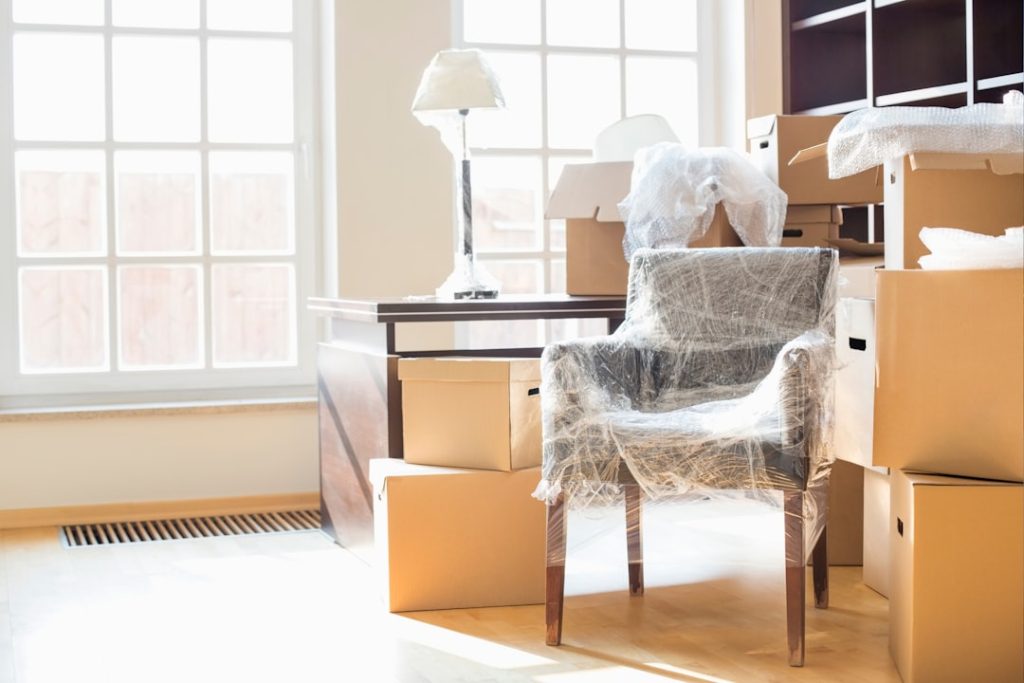
Are you planning to store your furniture but worried about damage? Protecting your furniture during storage is key to keeping it looking new and lasting longer.
Without the right steps, dust, moisture, and scratches can cause costly harm. In this guide, you’ll discover simple, effective ways to shield your pieces and save yourself from headaches later. Keep reading to learn how to make sure your furniture stays safe and ready to use whenever you need it.

Credit: www.instagram.com
Preparing Furniture For Storage
Preparing your furniture for storage is essential to keep it safe and in great condition. Taking the time to properly clean and disassemble your pieces can save you from costly repairs or replacements later. Careful preparation also makes moving and organizing easier, reducing stress.
Cleaning And Maintenance
Start by thoroughly cleaning each piece of furniture. Dust, dirt, and grime can cause damage if left on surfaces during storage. Use a soft cloth and gentle cleaner suitable for the material—wood, leather, or fabric.
Check for any stains or spots and treat them promptly. For wooden furniture, applying a thin layer of wax or polish helps protect the finish. Don’t forget to empty drawers and wipe inside to avoid mold or odors.
Have you noticed how a clean piece looks almost new? That’s the power of proper maintenance before storage.
Disassembling Large Pieces
Take apart large furniture items like beds, tables, and wardrobes whenever possible. Disassembling reduces the risk of damage during transport and saves space.
Keep screws, bolts, and small parts in labeled bags. Tape these bags securely to the furniture or store them in a clearly marked box. This prevents losing pieces and makes reassembly easier.
Think about how frustrating it is to find a missing screw months later. Avoid that hassle by organizing parts right away.
Choosing The Right Storage Space
Choosing the right storage space is crucial for protecting your furniture. The wrong environment can cause damage like warping, cracking, or mold growth. A proper storage area keeps your furniture safe from moisture, dust, and pests. It also helps maintain the furniture’s condition over time. Consider factors such as temperature, humidity, and ease of access. These factors affect how well your furniture stays preserved during storage.
Climate-controlled Options
Climate-controlled storage offers stable temperature and humidity levels. This control prevents wood from drying out or absorbing moisture. It also stops metal parts from rusting. Climate control is ideal for delicate or antique furniture. It reduces the risk of mold and mildew growth. This option protects your furniture from extreme weather changes. Choose a climate-controlled unit if you want extra protection.
Space And Accessibility
Choose a storage space large enough for your furniture. Avoid overcrowding to prevent scratches and dents. Leave room to move around inside the unit. Easy access helps you check on your furniture regularly. It also makes loading and unloading simpler. Look for storage spaces with wide doors and clear aisles. Good lighting inside the unit adds safety and convenience. Proper space and accessibility keep your furniture safe and easy to manage.
Packing Materials And Techniques
Choosing the right packing materials protects furniture during storage. Proper techniques prevent scratches, dents, and moisture damage. Use materials that cushion and shield surfaces effectively. Prepare each piece carefully to maintain its condition over time.
Using Protective Covers
Protective covers shield furniture from dust and dirt. Use breathable fabric covers for wooden or upholstered items. Avoid plastic covers for long-term storage; they trap moisture and cause mold. Soft cotton sheets or moving blankets work well. Secure covers with tape or straps to keep them in place.
Bubble Wrap And Padding
Bubble wrap cushions fragile surfaces and corners. Wrap glass, mirrors, and delicate wood parts carefully. Use multiple layers for extra protection. Add padding like foam or blankets under and around heavy furniture. This reduces impact from bumps and shifting during storage.
Avoiding Common Storage Mistakes
Storing furniture without proper care can lead to costly damage. Many people overlook simple mistakes that cause issues like mold, scratches, or pest infestations. Avoiding these common storage errors will save you time, money, and frustration when you bring your furniture back into use.
Preventing Moisture Damage
Moisture is one of the biggest threats to stored furniture. It causes wood to warp, metal to rust, and fabrics to develop mold or mildew. You can protect your pieces by choosing a dry, well-ventilated storage space.
Use moisture absorbers like silica gel packs or dehumidifiers to keep humidity levels low. Avoid storing furniture directly on concrete floors; instead, place pallets or wooden boards underneath to allow air circulation. Wrapping your furniture in breathable covers, such as cotton sheets, prevents dust buildup while allowing moisture to escape.
Guarding Against Pests
Pests like rodents, termites, and insects can severely damage your furniture during storage. They chew through wood, fabric, and even electrical components without you noticing until it’s too late. You should inspect and clean each piece thoroughly before storage to remove food crumbs or debris that attract pests.
Seal any cracks or openings in your storage area to block pest entry. Using natural repellents like cedar chips or lavender sachets can deter insects without harmful chemicals. Regularly check your storage space for signs of infestation, such as droppings or gnaw marks, to catch problems early.
Arranging Furniture In Storage
Arranging your furniture correctly in storage is essential to keep it safe and in good shape. How you place each item can prevent scratches, dents, and warping. Paying attention to layout not only saves space but also protects your investment.
Strategic Placement
Start by placing heavier pieces like dressers and sofas at the bottom. This prevents lighter furniture from getting crushed. Avoid stacking items directly on top of each other without padding.
Leave some space between pieces to avoid rubbing or pressure marks. Use furniture pads or blankets to protect delicate surfaces. Think about how often you might need to access certain items and place those closer to the front.
Ensuring Proper Ventilation
Good airflow is vital to stop moisture buildup that causes mold and mildew. Arrange your furniture so air can circulate freely around each item. Avoid pushing pieces tightly against walls or each other.
Consider using a small fan or moisture absorbers if your storage unit tends to be humid. Have you noticed any musty smells in your storage? That’s a sign you need better ventilation to protect your furniture.

Credit: www.boltstorage.com
Regular Checks And Maintenance
Keeping your furniture safe during storage isn’t just about wrapping it up and putting it away. Regular checks and maintenance play a crucial role in preserving its condition. By inspecting your furniture frequently, you catch potential problems early and avoid costly repairs or permanent damage.
Routine Inspections
Set a schedule to inspect your stored furniture at least once a month. Look closely for signs of moisture, mold, or pests, especially in wooden and upholstered pieces. Check for loose joints, scratches, or any wear that may have developed during storage.
Don’t forget to examine the protective coverings too. Are the blankets or plastic wraps still intact and dry? If you spot any dust or dirt accumulation, clean it gently to prevent long-term damage.
Addressing Issues Promptly
When you notice a problem during your inspection, act immediately. A small water stain left unattended can turn into a mold nightmare. Tighten loose screws or joints as soon as you find them to keep your furniture stable.
If pests are detected, remove the furniture from storage and treat it with appropriate pest control solutions. Ignoring these issues can lead to irreversible damage, so don’t delay in taking action.
How often do you check on your stored items? Could a quick monthly look save you from a big headache later?

Credit: www.instagram.com
Frequently Asked Questions
How Do I Prepare Furniture For Long-term Storage?
Clean all surfaces thoroughly and allow them to dry. Disassemble large pieces to save space. Wrap furniture in breathable covers to prevent dust and moisture buildup. Use padding on corners to avoid damage during handling.
What Materials Protect Furniture Best During Storage?
Use moving blankets, bubble wrap, or furniture pads to shield surfaces. Avoid plastic wraps that trap moisture. Acid-free paper can protect delicate wood finishes. Proper ventilation in storage prevents mold and mildew growth.
Should Furniture Be Disassembled Before Storage?
Yes, disassembling furniture reduces storage space and risk of damage. Keep all screws and small parts in labeled bags. This makes reassembly easier and protects fragile components during storage.
How Can I Prevent Moisture Damage In Storage?
Store furniture in a dry, climate-controlled environment. Use silica gel packets or dehumidifiers to absorb excess moisture. Avoid placing furniture directly on concrete floors. Elevate pieces on pallets to improve air circulation.
Conclusion
Protecting furniture during storage saves money and keeps items safe. Wrap pieces carefully with blankets or plastic covers. Keep the storage area clean, dry, and well-ventilated. Avoid stacking heavy items on top of delicate furniture. Check stored furniture regularly for signs of damage or pests.
Simple steps make a big difference over time. Proper care helps your furniture stay in great shape. Ready for your next storage move? Follow these tips to protect your valued items easily.