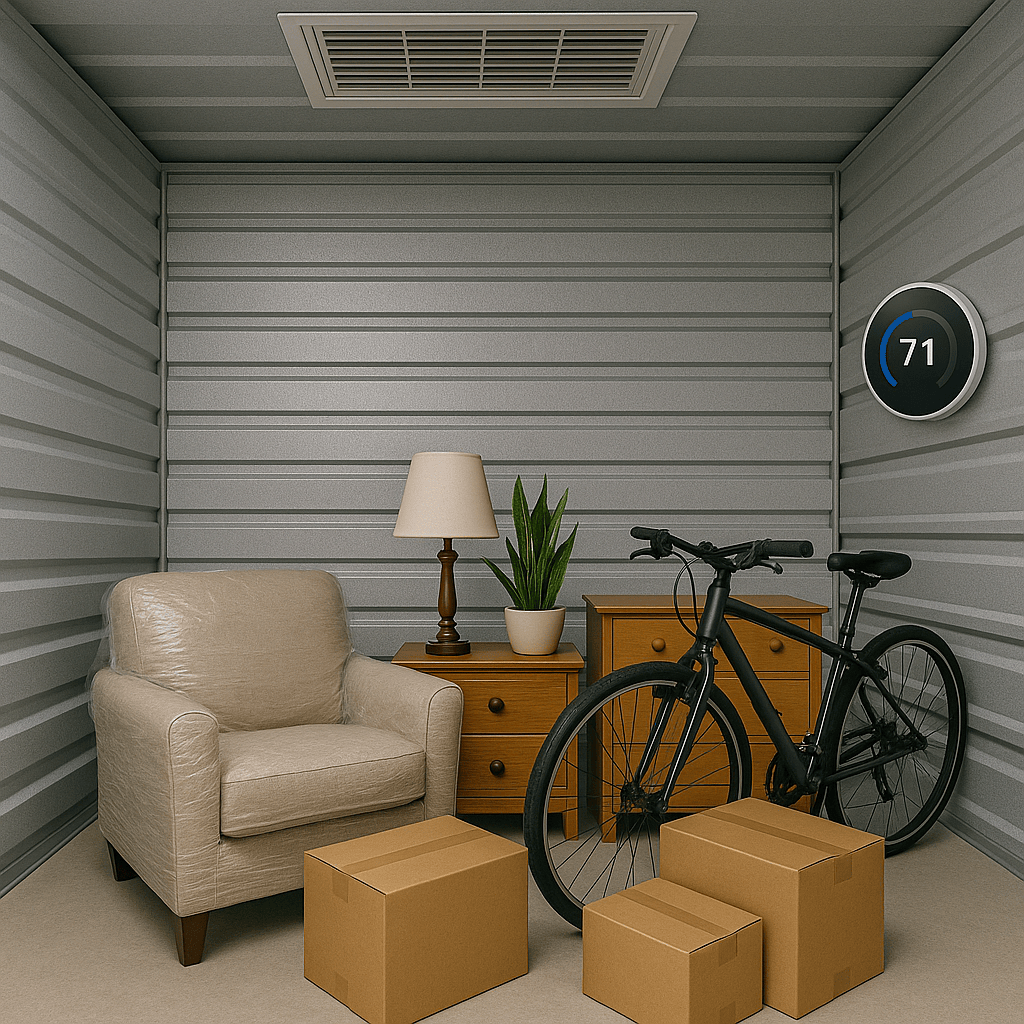
Are you planning to store your furniture but wondering if it really needs to be kept in climate-controlled storage? You might think any storage unit will do, but the truth could save your valuable pieces from damage and costly repairs.
Your furniture deserves protection from extreme temperatures, humidity, and pests that can sneak in unnoticed. Keep reading to discover why climate control might be the key to preserving your furniture’s beauty and value—and how making the right choice now can save you headaches later.

Credit: www.goempiremovers.com
Importance Of Climate Control
Climate control plays a crucial role in preserving the quality and longevity of your furniture during storage. Without it, fluctuations in temperature and humidity can cause irreversible damage. Understanding why climate control matters helps you make smarter choices about where to store your valuable pieces.
Impact On Wood Furniture
Wood is highly sensitive to changes in moisture and temperature. When exposed to excessive humidity, wood can swell, warp, or even crack as it dries out unevenly.
Imagine storing a cherished wooden dining table in a non-climate-controlled unit. Over time, you might notice the surface developing splits or the legs becoming unstable. This happens because wood naturally expands and contracts with moisture changes, and uncontrolled environments speed up this process.
Maintaining a steady climate keeps wood stable, preventing these costly damages. If you value your wood furniture, climate-controlled storage isn’t just a luxury—it’s a necessity.
Effect On Upholstery And Fabrics
Fabrics and upholstery are just as vulnerable to environmental changes. High humidity encourages mold and mildew growth, which can ruin cushions and fabric coverings.
Have you ever opened a stored armchair only to find a musty smell or visible spots? That’s mold thriving in damp conditions. Low humidity, on the other hand, can dry out fabric fibers, making them brittle and prone to tearing.
Climate control helps regulate moisture levels, keeping fabrics fresh and intact. It also protects against pests that are attracted to damp, warm environments. Choosing storage with climate control means your upholstery stays as inviting as the day you put it away.

Credit: onthegomoving.com
Risks Of Non-controlled Storage
Storing your furniture without climate control can lead to unexpected problems that may cost you more than just money. Many people overlook how changes in environment affect their valuable pieces until it’s too late. Understanding these risks helps you make smarter storage choices and protect your investments.
Humidity Damage
High humidity levels can cause wood to swell, warp, or even crack over time. If your furniture is made from natural materials like wood or leather, excess moisture invites mold and mildew, which not only ruin the surface but also create unpleasant odors.
Low humidity isn’t safe either; it can dry out wood, causing it to become brittle and prone to breakage. Have you ever noticed peeling or flaking on stored leather sofas? That’s often due to improper moisture levels. Avoid this by ensuring your storage space maintains a consistent humidity level.
Temperature Fluctuations
Rapid or extreme changes in temperature cause materials to expand and contract. This movement stresses joints and finishes, leading to cracks or loosening of glued parts. Imagine your favorite wooden chair suddenly developing splits after months in an unregulated environment—that’s the effect of temperature swings.
Plastic and vinyl components also suffer, becoming brittle or sticky when exposed to heat or cold. Do you want your stored furniture to come back looking worn or damaged? Keeping the temperature stable helps preserve its original condition and longevity.
Types Of Furniture Vulnerable To Damage
Different types of furniture react differently to temperature and humidity changes. Some materials are more sensitive and can suffer damage if not stored properly. Knowing which furniture needs climate-controlled storage helps protect your valuable items. This section highlights common furniture types vulnerable to damage.
Antique Pieces
Antique furniture is made from natural wood and delicate finishes. Changes in temperature cause wood to expand and contract. This movement can lead to cracks, warping, and splitting. Humidity can cause mold growth and wood swelling. Antique finishes may fade or peel without stable conditions. Proper climate control keeps antiques safe and preserves their value.
Leather Furniture
Leather is sensitive to dry air and heat. Too much dryness causes leather to crack and lose its softness. High humidity promotes mold and mildew growth. Temperature swings may cause leather to stretch or shrink. Climate control keeps leather supple and extends its lifespan. It prevents damage that cleaning alone cannot fix.
Benefits Of Climate Controlled Storage
Choosing climate controlled storage for your furniture offers several clear benefits that directly impact its condition and value. This type of storage keeps your items safe from extreme temperatures and humidity, which can cause serious damage over time. Let’s look at how climate controlled storage helps preserve your furniture’s worth and extend its life.
Preservation Of Value
Furniture exposed to fluctuating temperatures or high humidity can warp, crack, or develop mold. Climate controlled storage maintains a steady environment, protecting your pieces from these risks.
If you’ve ever noticed your wooden chair cracking after a harsh winter, you understand how damaging temperature swings can be. Keeping furniture in a controlled space helps maintain its original condition, which is crucial if you plan to sell or pass it down.
Think about your investment—doesn’t it make sense to protect it from avoidable damage? Climate control reduces the chances of fading fabric, peeling veneers, and rust on metal parts, keeping your furniture looking its best.
Extended Lifespan
Climate controlled storage slows down the aging process of your furniture. When furniture is stored in a stable environment, materials such as wood, leather, and upholstery last much longer.
I once stored a leather sofa in a non-climate controlled unit, and it dried out and cracked within months. In contrast, a friend’s sofa kept in climate controlled storage stayed supple and comfortable for years.
Would you rather replace your furniture frequently or protect it to enjoy for a longer time? Choosing climate controlled storage can save you money and hassle by preserving your furniture’s integrity over the long haul.
Cost Considerations
Understanding the cost implications of storing your furniture in a climate-controlled unit is crucial. It’s not just about the immediate price but also what you might save or lose over time. Let’s break down these financial factors so you can decide if climate-controlled storage fits your budget and needs.
Comparing Costs
Climate-controlled storage units typically cost more than standard storage. This price difference can range from 20% to 50% higher, depending on location and facility quality. You might wonder if the extra expense is justified by the protection it offers.
Regular storage units expose your furniture to temperature swings and humidity, which can cause warping, cracking, or mold. Repairing or replacing damaged furniture can quickly surpass the savings from choosing a cheaper storage option.
- Standard storage: Lower upfront cost but higher risk of damage
- Climate-controlled storage: Higher upfront cost but better protection
Think about the type of furniture you have. High-end pieces or antiques may need climate control, while sturdy, less sensitive items might not. What would cost more in the long run—extra storage fees or replacing damaged furniture?
Long-term Savings
Investing in climate-controlled storage can save you money over time by preventing damage that leads to costly repairs. Moisture damage, for example, might not show immediately but can cause significant problems later.
Imagine storing a wooden dining set in a non-controlled unit. If humidity causes the wood to swell and crack, you’ll face repair bills or the need to replace the set entirely. Climate-controlled storage helps maintain your furniture’s condition year-round.
Also, consider insurance. Some policies offer lower premiums or require climate control for coverage on valuable items. This could add to your savings if you keep detailed receipts and documentation.
Ask yourself: Is the peace of mind and potential long-term cost reduction worth the extra monthly fee? Sometimes spending a bit more now prevents headaches and expenses later.

Credit: www.instagram.com
Alternative Storage Solutions
Alternative storage solutions help protect furniture without needing a climate-controlled unit. These options focus on reducing moisture, dust, and damage risk. Simple tools and materials can keep furniture safe in standard storage spaces.
Protective Covers
Protective covers shield furniture from dust and scratches. Use breathable fabric covers to avoid trapping moisture. Plastic covers can cause mold if air circulation is poor. Covers prevent dirt build-up and minor damage during storage. Choose covers that fit well and allow airflow.
Desiccant Packs
Desiccant packs absorb moisture and reduce humidity around stored items. Place several packs inside or near furniture to keep it dry. Silica gel packs are common and easy to find. They help prevent mold, mildew, and wood warping. Replace packs regularly for best results.
Choosing The Right Storage Facility
Choosing the right storage facility is key to protecting your furniture. The right place keeps your items safe and in good shape. Several factors affect your choice. Focus on features that guard against damage and theft. This helps your furniture last longer and stay valuable.
Assessing Climate Control Features
Climate control keeps temperature and humidity steady. This stops wood from warping and fabric from molding. Look for units with proper heating and cooling systems. Check if the facility monitors humidity levels regularly. Good airflow is also important to avoid moisture buildup. These features protect your furniture from extreme weather changes.
Security And Accessibility
Strong security keeps your furniture safe from theft. Choose a facility with cameras and secure gates. Ask about access hours and how you enter the unit. Easy access lets you check on your items anytime. Staff presence adds an extra layer of protection. Consider facilities with alarm systems for each unit.
Frequently Asked Questions
Does Furniture Need Climate Controlled Storage?
Yes, climate controlled storage protects furniture from extreme heat, cold, humidity, and pests. It prevents warping, cracking, and mold growth. This is ideal for wooden, leather, and antique pieces that are sensitive to environmental changes.
What Furniture Types Benefit Most From Climate Control?
Wooden, leather, fabric, and antique furniture benefit most from climate controlled storage. These materials are vulnerable to moisture, temperature swings, and pests. Climate control preserves their quality, appearance, and structural integrity over long periods.
How Does Climate Control Protect Furniture?
Climate control maintains consistent temperature and humidity levels inside storage units. It prevents moisture buildup, mold, and wood warping. This stable environment minimizes damage caused by seasonal changes and protects valuable furniture investments.
Is Climate Controlled Storage More Expensive?
Yes, climate controlled storage typically costs more due to advanced HVAC systems. However, the extra cost is worth it for protecting delicate or valuable furniture. It reduces risk of costly repairs or replacements caused by environmental damage.
Conclusion
Choosing climate-controlled storage protects furniture from moisture and temperature changes. This helps prevent damage like warping, cracking, and mold growth. It keeps your items in better shape over time. For valuable or delicate pieces, climate control offers extra peace of mind.
Not all furniture needs this, but it’s worth considering for long-term storage. Protecting your furniture today saves money and effort later. Smart storage decisions lead to lasting quality and care.