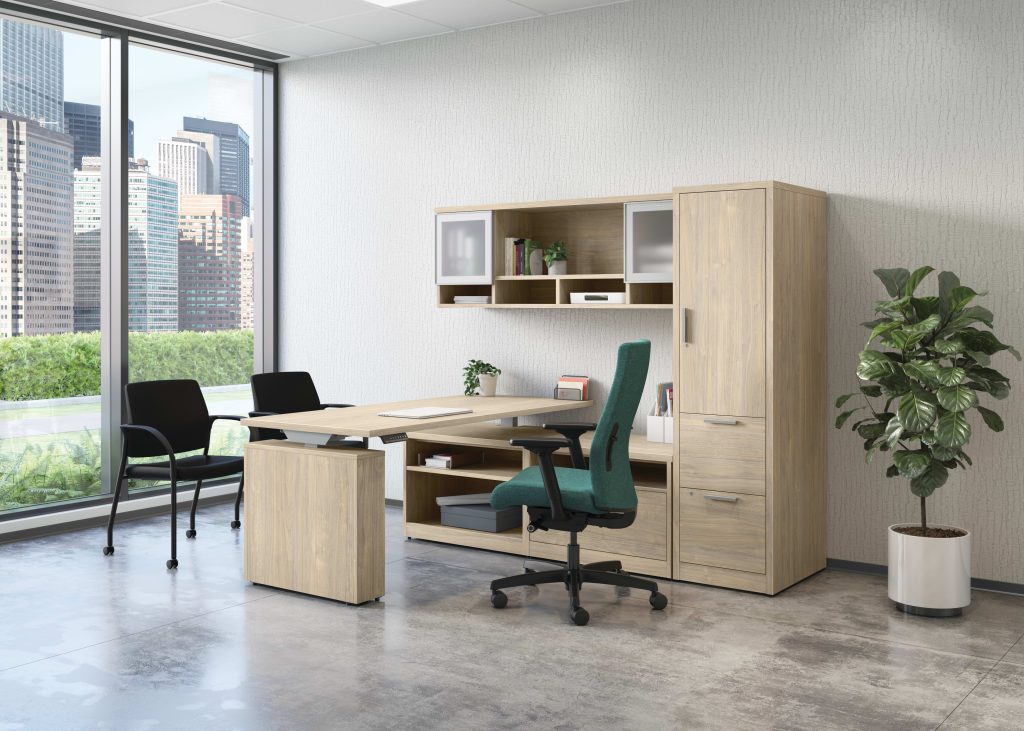
Have you ever wondered if the office furniture you use every day was designed by the manufacturers themselves? Knowing who creates these products can change how you see your workspace and the comfort it offers.
When you understand whether office furniture manufacturers design their own pieces, you gain insight into quality, innovation, and reliability. Keep reading to discover the truth behind the desks, chairs, and storage units that shape your work life—and find out why this matters for your comfort and productivity.
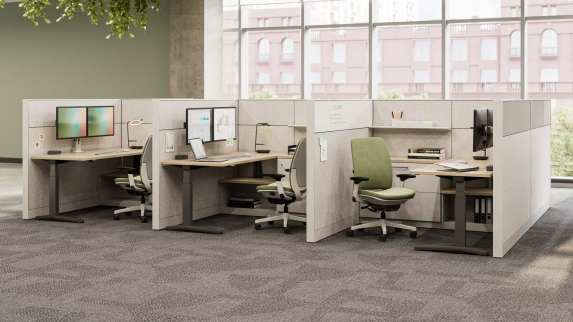
Credit: www.steelcase.com
Office Furniture Industry Basics
The office furniture industry serves the needs of workplaces worldwide. It provides essential items that create comfortable, functional, and productive office spaces. This industry combines design, manufacturing, and distribution to meet diverse business needs. Understanding its basics helps clarify how products reach office environments.
Office furniture manufacturers play a key role in shaping office interiors. They often design and produce their own products. This ensures quality control and innovation tailored to market demands. The industry focuses on durability, ergonomics, and style to satisfy users.
Key Players In The Market
- Manufacturers: Create and design office furniture products.
- Distributors: Supply furniture to retailers and businesses.
- Retailers: Sell furniture directly to customers.
- Designers: Develop new styles and ergonomic solutions.
- Suppliers: Provide raw materials like wood, metal, and fabric.
Common Product Categories
- Desks: Various sizes and styles for different tasks.
- Chairs: Ergonomic options to support long work hours.
- Storage: Cabinets, shelves, and filing units for organization.
- Conference Tables: Designed for meetings and collaboration.
- Partitions: Create private workspaces within open offices.
Design Process In Furniture Manufacturing
The design process in furniture manufacturing is a crucial step that shapes how office furniture not only looks but also functions. It involves a series of creative and technical decisions aimed at meeting user needs and industry standards. Understanding this process gives you insight into the quality and innovation behind the furniture you choose for your workspace.
In-house Design Teams
Many office furniture manufacturers rely on their in-house design teams to create original products. These teams consist of skilled designers who understand the company’s brand, target market, and production capabilities.
Working closely with engineers and production staff, they develop concepts that balance aesthetics, comfort, and durability. Having a dedicated team allows manufacturers to quickly adapt designs based on customer feedback or emerging trends. Have you ever noticed how some office chairs seem perfectly tailored to your needs? That’s often the result of focused in-house design efforts.
Collaboration With External Designers
Some manufacturers partner with external designers or design firms to bring fresh perspectives into their product lines. This collaboration can introduce unique styles and innovations that internal teams might overlook.
External designers often bring specialized expertise, such as ergonomic research or sustainable material knowledge. These partnerships can result in standout pieces that elevate a manufacturer’s reputation. When you see a striking office desk or chair, it might be the outcome of a creative partnership beyond the factory walls.
Benefits Of Designing Own Products
Designing their own products allows office furniture manufacturers to create unique, tailored solutions. This approach ensures better quality control and meets specific customer needs efficiently. Custom designs also help stand out in a crowded market.
Designing their own products allows office furniture manufacturers to control every aspect of their creations, leading to tailored solutions that can meet the unique needs of their customers. This approach not only fosters innovation but also ensures high-quality standards are maintained. Let’s explore some of the key benefits that come with the ability to design their own products.Customization And Innovation
When manufacturers design their own products, they can offer customization options that mass-produced furniture often lacks. Imagine walking into an office that perfectly aligns with your brand’s aesthetic and functionality needs. Manufacturers can experiment with new materials, styles, and features, giving rise to innovative designs that stand out in the market. This creative freedom can result in furniture that addresses specific ergonomic needs or incorporates smart technology. How would your productivity change if your office chair could adjust to your posture and track your movement throughout the day?Quality Control Advantages
By having control over the design and production process, manufacturers can ensure the quality of their furniture meets exacting standards. This means fewer defects and higher durability, reducing the long-term costs for businesses investing in their products. Manufacturers can directly oversee the sourcing of materials and the craftsmanship involved, ensuring consistency and reliability. Isn’t it reassuring to know that every piece of furniture in your office has been crafted with precision and care? Designing their own products allows manufacturers to build a reputation for quality and innovation, appealing to discerning customers who value both aesthetics and functionality.Challenges Faced By Manufacturers
Designing office furniture is not just about creativity and style; manufacturers face several significant challenges that impact their ability to develop new products. These challenges influence how they allocate resources, respond to market demands, and maintain a competitive edge. Understanding these hurdles can help you appreciate the complexity behind every piece of furniture you see in an office setting.
Cost And Resource Allocation
Managing costs is one of the toughest tasks for furniture manufacturers. You have to balance material expenses, labor, and production technology without compromising quality.
Investing in new design tools and skilled designers requires a clear budget plan. Sometimes, manufacturers must decide between updating existing products or creating entirely new ones, which can strain resources.
Have you ever wondered why some office furniture looks similar across brands? It often comes down to cost-saving decisions made during design and production phases.
Keeping Up With Trends
Office furniture trends change rapidly, influenced by evolving work styles and technological advances. Staying current means constantly researching and adapting designs to meet new demands.
Manufacturers must anticipate what customers want next, which is tricky when preferences shift so quickly. For example, the rise of remote work has increased demand for compact, ergonomic furniture.
How can manufacturers stay ahead without overcommitting resources to fleeting trends? This challenge forces them to find a balance between innovation and practical design.
Case Studies Of Leading Manufacturers
Many office furniture manufacturers create their own designs to stand out. They invest in research and creativity to meet users’ needs. Some brands rely on their internal teams to develop unique products. Others collaborate with designers or external experts. Examining real examples helps understand these different approaches.
Brands Known For In-house Designs
Several brands develop office furniture entirely within their own design studios. These companies focus on innovation and quality control. They often have design teams that work closely with engineers and marketers. This approach ensures products fit their vision and customer expectations.
- Herman Miller is famous for its original designs like the Aeron chair.
- Steelcase creates ergonomic furniture with in-house design experts.
- Haworth develops solutions tailored to modern office needs using internal teams.
Examples Of Collaborative Designs
Some manufacturers partner with well-known designers or firms. These collaborations bring fresh ideas and new styles. They combine the manufacturer’s expertise with the designer’s creativity. This method often results in standout collections that attract attention.
- Knoll worked with designer Eero Saarinen to create iconic pieces.
- Humanscale teams up with industrial designers for ergonomic innovations.
- Vitra collaborates with global artists to blend function with art.
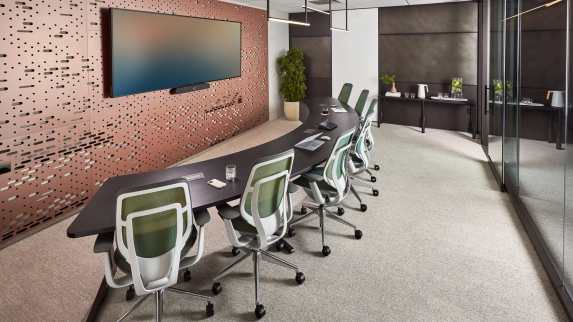
Credit: www.steelcase.com
Impact On Customers And Market
Office furniture manufacturers who design their own products have a clear impact on customers and the market. Their control over design allows them to meet specific customer needs and adapt quickly to trends. This influence shapes the variety, cost, and availability of furniture options for buyers.
Product Diversity
Manufacturers designing their own furniture offer a wider range of styles and functions. They can create unique pieces tailored to different office environments. This variety helps customers find furniture that fits their space and work habits.
Custom designs also encourage innovation. Manufacturers experiment with materials and ergonomics. This results in more comfortable and efficient office solutions for users.
Pricing And Availability
When manufacturers design products themselves, they can better control production costs. This often leads to more competitive pricing for customers. Direct design also reduces reliance on third-party suppliers, improving product availability.
Faster production times mean customers receive furniture quicker. It also allows manufacturers to respond to market demands rapidly. Overall, this benefits buyers with better prices and easier access to new products.

Credit: www.hon.com
Frequently Asked Questions
Do Office Furniture Manufacturers Create Original Designs?
Yes, many office furniture manufacturers design their own products. They focus on innovation, ergonomics, and functionality. This approach helps them meet specific client needs and stay competitive in the market.
Why Do Manufacturers Design Their Own Office Furniture?
Designing their own furniture allows manufacturers to control quality and customize features. It also helps them respond quickly to market trends and customer preferences.
How Does In-house Design Benefit Office Furniture Makers?
In-house design ensures unique, functional products that align with brand identity. It improves quality control and speeds up product development, benefiting both manufacturers and customers.
Are Office Furniture Designs Patented By Manufacturers?
Many manufacturers patent their unique designs to protect intellectual property. Patents prevent copying and help maintain a competitive edge in the industry.
Conclusion
Office furniture manufacturers often create their own designs. This helps them control quality and meet customer needs. Designing products allows them to add unique features. It also helps keep up with market trends. Many manufacturers work with designers to improve ideas.
Custom designs can make offices more comfortable and functional. Choosing furniture from these makers means getting reliable and thoughtful products. This shows how design plays a key role in office furniture success.