
Are you planning to store your furniture but worried about damage or clutter? Storing furniture properly can save you time, money, and stress later.
Whether you’re moving, downsizing, or just need extra space, knowing how to protect your pieces is key. In this guide, you’ll discover simple, effective tips to keep your furniture safe, clean, and ready for use whenever you need it. Keep reading, and you’ll learn exactly what to do to make storage hassle-free and worry-free.

Credit: m.facebook.com
Preparation Steps
Preparing your furniture for storage is essential to keep it safe and in good condition. Proper preparation helps prevent damage from moisture, dust, and pests. Taking the time to plan can save you money and effort later.
Assessing Storage Needs
Start by evaluating what furniture you need to store. Ask yourself how much space each piece requires and how long you plan to keep it stored.
Think about the size and shape of your furniture. Bulky items like sofas need more room, while smaller pieces might fit into compact spaces.
Consider if you’ll need access to your items during storage. If yes, organizing your space for easy retrieval will be crucial.
Choosing The Right Storage Unit
Pick a storage unit that fits your furniture’s size and your budget. A unit too small can cause damage if furniture is cramped, while an oversized unit might waste money.
Look for climate-controlled options to protect sensitive materials like wood and leather from extreme temperatures and humidity.
Secure, well-lit units with good ventilation reduce risks of theft and mold. Ask yourself, what features matter most to you?
Cleaning Furniture Before Storage
Clean your furniture thoroughly before storing it. Dirt and stains left on surfaces can attract pests and cause permanent damage.
Use appropriate cleaners for different materials—wood polish for wooden items, fabric cleaner for upholstery, and mild soap for plastic or metal.
Dry everything completely to avoid mold growth. Even small moisture spots can cause serious problems over time.
Packing Techniques
Packing furniture correctly makes storage easier and keeps your items safe. Proper techniques prevent damage and save space. Use simple steps to prepare furniture for storage. Focus on protecting surfaces, organizing parts, and labeling for easy setup later.
Disassembling Furniture
Take apart large furniture to save space. Remove legs, shelves, and drawers carefully. Keep screws and small parts in a plastic bag. Tape the bag to the furniture piece. This stops losing important parts. Disassembled furniture fits better in tight storage spots.
Using Protective Covers
Wrap furniture with soft blankets or moving pads. Cover all surfaces to avoid scratches and dust. Use plastic wrap or shrink wrap for extra protection. Avoid using regular plastic sheets directly on wood. It traps moisture and can cause damage. Cushion corners with foam or bubble wrap.
Labeling Parts And Boxes
Label every bag with its contents and furniture name. Mark boxes clearly to identify what is inside. Use large, easy-to-read labels or write with a marker. Keep a list of all parts and where they belong. This saves time and reduces frustration during reassembly.
Climate Control Considerations
Storing furniture properly means more than just finding space. Climate control plays a crucial role in preserving the condition of your pieces. Without it, your furniture could suffer damage from temperature swings and moisture buildup.
Benefits Of Climate-controlled Units
Climate-controlled storage units maintain a steady temperature and humidity level. This environment protects wood, leather, and fabric from warping, cracking, or mold growth.
Imagine putting your antique dresser in a unit without climate control. Over time, the wood might swell or shrink, ruining its finish and structure. With climate control, you avoid these costly issues and keep your furniture looking as good as new.
These units also reduce the risk of pest infestations. Bugs and rodents prefer fluctuating conditions, so a stable environment makes your belongings less attractive to them.
Preventing Moisture Damage
Moisture is a silent enemy for stored furniture. It can cause stains, rust on metal parts, and even structural damage.
To prevent moisture damage, store furniture off the floor using pallets or blocks. This allows air to circulate underneath and keeps your pieces away from any dampness on the ground.
- Use breathable covers instead of plastic wrap to avoid trapping condensation.
- Place moisture absorbers or silica gel packs inside drawers and cabinets.
- Check your storage unit regularly for any signs of dampness or leaks.
Have you checked your current storage setup for these moisture risks? Taking simple steps now can save you from expensive repairs later.

Credit: www.facebook.com
Optimal Arrangement
Optimal arrangement is key to storing furniture safely and efficiently. It helps protect items and saves space. A good plan makes accessing your furniture easy later. Organizing your storage thoughtfully prevents damage and clutter.
Maximizing Space Efficiency
Place large pieces against the walls. This opens the center for smaller items. Stack chairs and tables carefully to avoid scratches. Use furniture covers to protect surfaces. Fill empty spaces inside drawers or cabinets with soft materials. This keeps them stable and uses space well.
Disassemble bulky furniture when possible. Store the parts together with labels. Use vertical space by stacking boxes or smaller items on top. Avoid stacking too high to prevent falls or damage.
Ensuring Accessibility
Keep frequently used items near the front of the storage unit. Leave walking paths to reach furniture at the back. Label boxes and parts clearly for quick identification. Store fragile items at eye level or lower to avoid accidents. Avoid blocking access to any furniture piece.
Group similar items together. This saves time and effort when retrieving. Plan your layout to reduce moving heavy furniture multiple times. Accessibility helps keep your storage neat and easy to manage.
Security Measures
Security is crucial when storing furniture. Protecting your items from theft and damage gives peace of mind. Careful planning and good choices reduce risks. Taking the right security measures ensures your furniture stays safe.
Selecting A Secure Facility
Choose a storage facility with strong security features. Look for:
- 24/7 video surveillance to monitor the area
- Gated access with personalized entry codes
- On-site security staff during business hours
- Well-lit premises to deter intruders
- Individual unit alarms for extra protection
Visit the facility to check cleanliness and safety. Read reviews to learn about other customers’ experiences.
Importance Of Insurance
Insurance protects your furniture against loss and damage. Check if the storage facility offers insurance plans. If not, consider buying a separate policy.
Understand what the insurance covers, such as:
- Theft and vandalism
- Fire damage
- Natural disasters like floods or storms
- Accidental damage during storage
Keep a list and photos of your furniture for claims. Insurance adds an important layer of security.
Credit: www.storagestar.com
Regular Maintenance
Regular maintenance plays a vital role in keeping stored furniture safe and in good shape. Without proper care, furniture can suffer damage from dust, moisture, pests, or wear over time. Simple upkeep routines help preserve the condition and extend the life of your pieces.
Routine Checks
Check stored furniture at least once a month. Look for signs of dust buildup, stains, or moisture. Wipe surfaces gently with a soft cloth to remove dirt. Ensure that wooden furniture stays dry to avoid warping or cracking. Examine cushions and fabric for mold or mildew. Open storage boxes and allow air to circulate inside. Keep the storage area clean and well-ventilated to prevent damage.
Addressing Pest Concerns
Pests can cause serious harm to furniture, especially wood and fabric items. Use natural repellents like cedar blocks or lavender sachets to deter insects. Avoid storing food or plants nearby to reduce pest attraction. Inspect furniture edges and joints for tiny holes or droppings. Treat any affected areas immediately with safe pest control products. Regularly vacuum and clean the storage space to keep pests away.
Frequently Asked Questions
How Should I Prepare Furniture Before Storage?
Clean all furniture thoroughly and dry it completely. Disassemble large pieces to save space. Wrap items in protective covers or blankets to avoid dust and scratches. Use plastic wrap for wooden parts to prevent moisture damage.
What Is The Best Way To Protect Wood Furniture?
Apply a protective wax or polish before storing. Keep wood furniture elevated off the floor using pallets. Store in a climate-controlled unit to prevent warping from humidity changes.
Can I Store Furniture In A Non-climate-controlled Unit?
It is possible but not recommended for sensitive items. Temperature fluctuations can cause wood to crack or warp. Use moisture absorbers and breathable covers if using such storage.
How Do I Maximize Space When Storing Furniture?
Disassemble large pieces and stack flat items like tables. Use vertical space by stacking chairs or placing items on shelves. Cover furniture with breathable materials to protect while saving room.
Conclusion
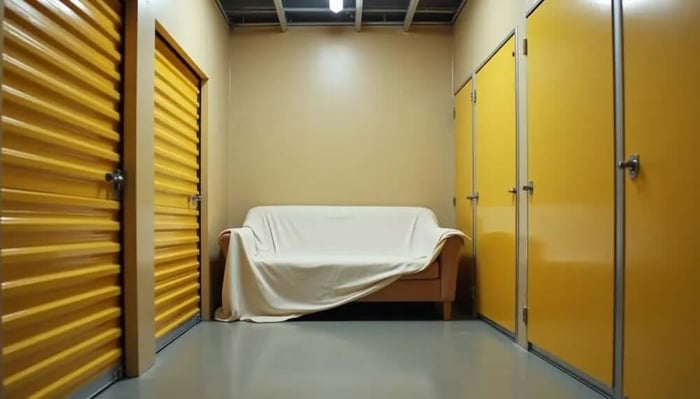
Proper storage keeps your furniture safe and clean. Cover items with cloth to avoid dust and scratches. Place heavier pieces at the bottom to prevent damage. Use pallets or blocks to keep furniture off the floor. Check your storage unit regularly for moisture or pests.
Taking these simple steps protects your furniture for years. Your careful effort makes a big difference. Store smart, and enjoy your furniture when you need it next.