
Are you planning to store your furniture but unsure how to protect it from dust, scratches, and damage? Wrapping your furniture the right way can save you time, money, and stress when you bring it back out.
But what should you use to wrap your furniture for storage? Choosing the wrong materials can lead to costly repairs or ruined pieces. You’ll discover the best wrapping options that keep your furniture safe and in perfect condition. Keep reading to find simple, effective solutions that make storing your furniture worry-free.

Credit: www.amazon.com
Materials For Furniture Wrapping
Choosing the right material to wrap furniture helps protect it during storage. The right wrapping prevents scratches, dust, and moisture damage. Different materials offer various levels of protection. Selecting the best one depends on the furniture type and storage conditions.
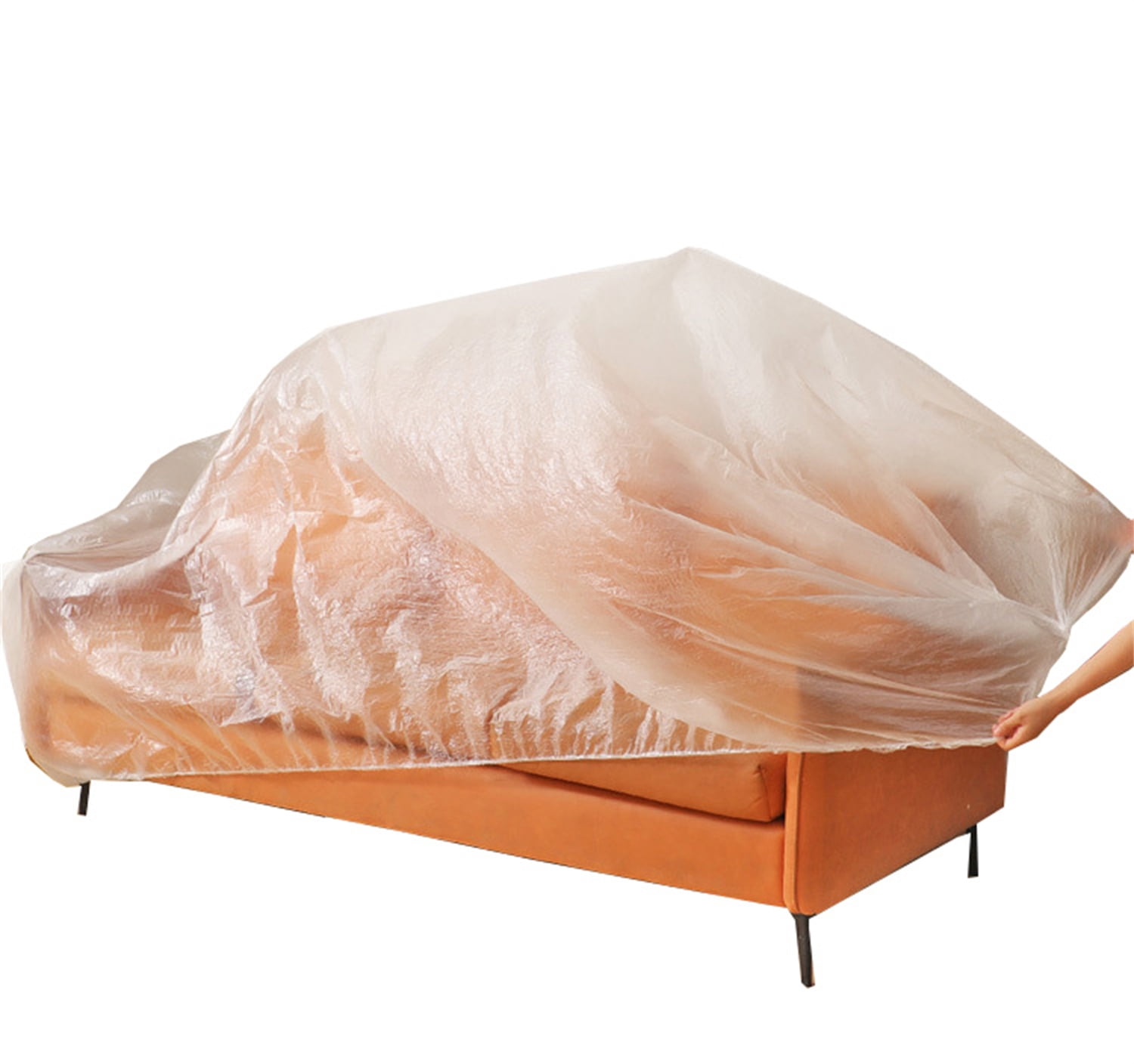
Plastic Wrap
Plastic wrap tightly covers furniture surfaces. It keeps out dust and moisture. This material is thin and flexible, making it easy to use. It works well for smooth surfaces like tables and chairs. Plastic wrap also holds loose parts together.
Furniture Blankets
Furniture blankets provide thick, soft padding. They protect against bumps and scratches. These blankets are reusable and eco-friendly. Ideal for fragile or heavy items. They cover large surfaces and cushion impacts during moves or storage.
Bubble Wrap
Bubble wrap offers excellent cushioning with air-filled bubbles. It absorbs shocks and prevents dents. Best for delicate furniture parts like glass or mirrors. Wrap items carefully to avoid puncturing the bubbles. Use tape to secure the wrap in place.
Credit: www.walmart.com
Choosing The Right Wrap
Choosing the right wrap for your furniture is important for long-term protection. The right materials keep your items safe from dust, moisture, and damage. Different furniture types and storage conditions need specific wraps. This helps maintain the quality and appearance of your pieces over time.
Assessing Furniture Type
Consider what kind of furniture you have. Soft furniture like sofas and chairs need breathable covers. Avoid plastic wraps that trap moisture. Hard furniture like tables or cabinets can handle plastic or shrink wrap. Fragile items require extra padding with blankets or foam before wrapping. Upholstered pieces benefit from fabric covers to prevent stains and tears.
Considering Storage Conditions
Think about the place where you will store your furniture. In a dry indoor space, lightweight covers may be enough. For humid or damp areas, use moisture-resistant wraps to prevent mold. Avoid direct contact between plastic wrap and wood to stop discoloration. In cold places, protect against temperature changes by adding insulation layers. Proper wrapping matches the environment to keep furniture safe.
Preparing Furniture For Storage
Preparing furniture for storage protects it from damage and keeps it in good shape. Taking the right steps before storage saves time and money later. Clean furniture stays free from dust and pests. Disassembling bulky items helps save space and prevents breakage. Proper preparation ensures your furniture looks great when you take it out again.
Cleaning And Maintenance
Start by dusting all surfaces with a soft cloth. Use mild soap and water for stubborn dirt. Avoid soaking wood; use a damp cloth instead. Dry furniture completely before wrapping to prevent mold. Polish wooden pieces to maintain their finish. Vacuum fabric upholstery to remove dirt and hair. Spot clean stains with gentle fabric cleaner. Let upholstery dry fully before storage. Remove cushions and store them separately to keep shape.
Disassembly Tips
Take apart large furniture to save space and avoid damage. Keep screws, bolts, and small parts in labeled bags. Use tape to attach bags to furniture pieces. Photograph complex assemblies to help with reassembly. Wrap fragile parts like glass or mirrors in bubble wrap. Store disassembled parts flat or upright in a safe spot. Avoid forcing pieces apart to prevent breaking. Handle furniture carefully during disassembly and storage.

Credit: www.instagram.com
Securing Wrapped Furniture
Securing wrapped furniture is a crucial step to protect your belongings during storage. Without proper securing, wrapping materials can shift or come loose, leaving your furniture exposed to dust, moisture, and damage. Taking the time to fasten and label your wrapped pieces will save you frustration later.
Using Tape And Fasteners
Choose strong, residue-free tape like painter’s tape or packing tape to hold wrapping materials in place. Avoid duct tape as it can leave sticky residue on your furniture’s surface. Wrap the tape snugly but not too tight to avoid damaging delicate finishes.
For added security, consider using plastic stretch wrap or straps to keep bulky items tightly bound. Straps with buckles are great for heavier pieces like mattresses or tables. Don’t forget to check the tightness occasionally if your storage period is long.
Labeling For Easy Identification
Labeling your wrapped furniture helps you find what you need without unwrapping everything. Use waterproof markers or adhesive labels to write down the item name and its room destination clearly.
Try attaching a label to the outside of the wrapping where it’s easy to spot. If you’re storing multiple similar pieces, add notes about color, size, or any special care instructions. Wouldn’t it be easier to locate your favorite chair if it was clearly marked?
Avoiding Common Mistakes
Protecting your furniture during storage is crucial, but many people make simple mistakes that can cause more harm than good. Wrapping furniture incorrectly or ignoring environmental conditions can lead to damage like mold, stains, or even warping. Understanding these pitfalls helps you make smarter choices and keeps your furniture safe for years to come.
Over-wrapping Issues
It might seem like wrapping your furniture in multiple layers is the best way to protect it. However, over-wrapping can trap moisture and create a breeding ground for mold and mildew. If you’ve ever found a musty smell or sticky surface after unpacking, this is likely why.
Instead of piling on plastic wrap or heavy blankets, opt for breathable materials like cotton sheets or moving blankets. You want to shield your furniture from dust and scratches without suffocating it. Think about whether each layer adds real protection or just traps humidity.
Ignoring Climate Factors
Furniture storage isn’t just about the wrap—it’s about where you store it. Ignoring climate factors like temperature and humidity can ruin your carefully wrapped pieces. For example, storing wood furniture in a damp basement without ventilation invites swelling and cracking.
Ask yourself: Is the storage space dry and well-ventilated? Do you need to add a dehumidifier or moisture absorbers? Matching your wrapping strategy to the environment is key. If your storage area fluctuates in temperature, consider using vapor barriers or special furniture covers designed for those conditions.
Long-term Storage Considerations
Storing furniture for the long haul means thinking beyond just wrapping it up. Your furniture faces risks from temperature swings and humidity that can damage wood, fabric, and finishes over time. Protecting your pieces requires more than bubble wrap or plastic sheets; it demands a strategy that keeps the environment stable and friendly.
Temperature Control
Extreme temperatures can cause wood to crack and finishes to peel. If your storage area gets too hot or too cold, your furniture might suffer irreversible damage.
Try to keep your storage space within a consistent temperature range, ideally between 60°F and 75°F (15°C to 24°C). Avoid places like uninsulated garages or attics where temperatures fluctuate wildly.
If you don’t have climate control, consider investing in insulated covers or thermal blankets designed for furniture. Your goal is to reduce stress on the materials caused by expanding and contracting due to temperature changes.
Humidity Management
High humidity invites mold, mildew, and wood warping, while low humidity can dry out wood and cause it to crack. Both extremes harm your furniture’s structure and appearance.
Use moisture absorbers or silica gel packs around your wrapped furniture to keep humidity levels in check. A good range to aim for is 35% to 55% relative humidity.
Also, avoid plastic wraps that trap moisture. Instead, opt for breathable covers like cotton sheets or furniture blankets to allow air circulation while keeping dust and pests away.
Frequently Asked Questions
What Materials Are Best For Wrapping Furniture In Storage?
Use breathable furniture covers, moving blankets, and plastic wrap. Breathable covers prevent moisture buildup, while blankets protect from scratches. Plastic wrap secures padding and keeps dust away.
Can Plastic Wrap Damage Furniture During Storage?
Plastic wrap can trap moisture, causing mold or damage. Use it sparingly and only on parts less prone to moisture buildup. Always pair it with breathable padding for best results.
How To Protect Wood Furniture When Wrapping For Storage?
Wrap wood furniture in soft cloth or moving blankets. Avoid plastic directly on wood to prevent moisture damage. Use bubble wrap for extra protection on delicate areas.
Is It Necessary To Disassemble Furniture Before Wrapping?
Disassembling furniture saves space and protects fragile parts. Wrap each piece separately for better protection. It also makes moving and storage easier and safer.
Conclusion
Wrapping furniture right protects it from dust and damage during storage. Use soft blankets or moving pads to avoid scratches. Plastic wrap keeps moisture and dirt away but avoid tight wrapping that traps humidity. Cardboard can shield delicate edges well.
Always clean furniture before wrapping to prevent stains. Label wrapped items for easy finding later. Taking these simple steps saves time and keeps your furniture safe. Remember, good wrapping helps your furniture stay fresh and ready for use. Easy and smart storage starts with proper wrapping.