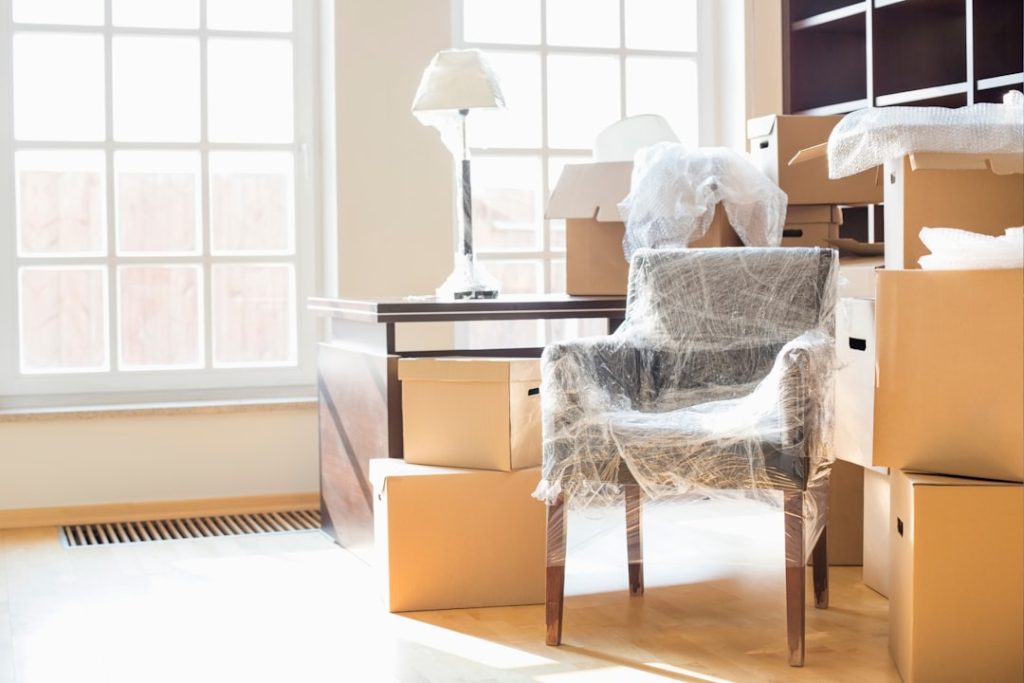
Storing your furniture can feel overwhelming. You want to protect your valuable pieces from damage, dust, and wear while they’re tucked away.
But how do you make sure your furniture stays in the best condition possible? You’ll discover simple, effective tips that anyone can use to keep their furniture safe and looking great during storage. Whether you’re moving, downsizing, or just need extra space, these easy steps will save you time, money, and stress.
Keep reading to learn how to protect your furniture like a pro.
Choosing The Right Storage Facility
Choosing the right storage facility is a crucial step to keep your furniture safe and in good condition. The facility you select can make a big difference in protecting your valuable pieces from damage caused by weather, pests, or theft. You want to ensure that your furniture stays as pristine as the day you stored it.
Assessing Climate Control Needs
Not all storage units offer the same environment. Think about the type of furniture you are storing—wood, leather, fabric, or antiques all react differently to temperature and humidity.
If your furniture is sensitive to moisture or extreme temperatures, a climate-controlled unit is essential. These units maintain steady humidity and temperature levels, preventing warping, cracking, or mold growth.
Ask yourself: Does the facility provide heating and air conditioning year-round? Do they monitor humidity levels? These are signs of a good climate-controlled space.
Security Features To Look For
Security should be a top priority when choosing a storage facility. Your furniture is an investment, and you want to protect it from theft or vandalism.
Look for facilities with gated access and 24/7 video surveillance. Some even offer individual unit alarms or require personalized access codes.
Consider visiting the facility at different times of day to see how secure it feels. Would you feel comfortable leaving your furniture there overnight? If not, keep looking.
Preparing Furniture For Storage
Preparing your furniture for storage is a crucial step that can save you from costly repairs and headaches later. Taking the time to clean and properly disassemble pieces ensures they remain in good condition and are easier to move. How you prepare can make a huge difference in how your furniture holds up over time.
Cleaning And Maintenance
Before storing, give each piece a thorough cleaning to remove dust, dirt, and oils that can cause damage. Use a gentle cleaner suitable for the material—wood, leather, or fabric—and avoid soaking surfaces. Wipe everything dry to prevent moisture buildup, which can lead to mold or warping.
Check for any loose screws or joints and tighten them to keep the furniture stable. Applying a light coat of wax or polish on wooden pieces can protect the finish during storage. Have you ever pulled out a chair only to find it covered in sticky grime or worse? Cleaning now saves you that frustration later.
Disassembling Large Pieces
Breaking down bulky furniture makes storage safer and more space-efficient. Remove legs from tables, take off cushions, and separate headboards from bed frames. Keep all screws and small parts in labeled bags so you won’t lose them.
Use bubble wrap or moving blankets to protect delicate parts during storage. Disassembling might seem like extra work, but it prevents scratches and damage when items are moved or stacked. How much easier would moving day be if your furniture was already in manageable pieces?
Packing Materials And Techniques
Packing materials and techniques play a crucial role in keeping your furniture safe while in storage. Using the right supplies and wrapping methods can prevent scratches, dents, and other damage. Have you ever opened a storage unit only to find your carefully chosen pieces covered in dust or worse, broken?
Best Packaging Supplies
Choosing the right packaging supplies makes all the difference. Start withsturdy moving blanketsto cover large surfaces and protect against bumps. Bubble wrap is excellent for delicate parts like chair legs or glass tabletops.
Don’t forgetpacking tapeto secure covers in place andplastic wrapto keep moisture and dust out. Cardboard corner protectors help shield edges from impact. You might also wantfurniture slidersto move heavy items without damage.
Think about what your furniture needs—soft padding, firm protection, or moisture barriers—and pick supplies accordingly. What would you choose to protect a fragile antique versus a sturdy wooden table?
Wrapping And Padding Methods
Wrapping furniture properly requires a careful approach. Start by cleaning each piece to avoid trapping dirt under the covers. Then, wrap with a moving blanket or thick padding, securing it firmly with tape or plastic wrap.
For glass or mirrored surfaces, add an extra layer of bubble wrap before the blanket. When padding corners, use foam or cardboard protectors to absorb shocks. Avoid using plastic directly on wood surfaces to prevent moisture buildup and damage.
Stacking smaller pieces inside drawers or cabinets can save space and provide added protection. How can you adjust your wrapping technique based on the shape and material of your furniture to ensure maximum safety?

Credit: www.instagram.com
Arranging Furniture In Storage
Arranging furniture in storage requires more than just placing items randomly. The way you organize your pieces can protect them from damage and make your storage experience smoother. Smart arrangement helps you save space and keeps your furniture easy to access whenever you need it.
Optimizing Space Utilization
Think about the size and shape of each piece before storing it. Place larger furniture like sofas and wardrobes against the walls to create a stable base. Use vertical space by stacking smaller items on top of sturdy furniture, but avoid putting heavy objects on delicate surfaces.
Filling gaps with cushions, pillows, or smaller boxes prevents shifting during storage. Wrap fragile parts with blankets or bubble wrap to avoid scratches. Have you measured your storage unit to match your furniture layout? A quick sketch can save you from last-minute rearrangements.
Creating Accessible Layouts
Arrange furniture so you can reach what you need without moving everything else. Leave clear pathways for easy movement inside the storage. Place frequently used items near the front and stack less-used pieces toward the back.
Label boxes and cover furniture with breathable covers to keep dust off and help you identify items quickly. Avoid blocking doors or aisles with bulky pieces. How often do you think you’ll need to access your stored furniture? Planning your layout around that can save hours later.
Preventing Damage Over Time
Keeping furniture safe in storage requires careful attention to prevent damage over time. Furniture faces risks like moisture buildup and pest attacks. Taking steps to control these factors helps maintain furniture quality. Protecting furniture ensures it stays in good shape for future use.
Moisture Control Strategies
Moisture can cause wood to warp and metal to rust. Avoid storing furniture in damp places like basements. Use a dehumidifier to keep air dry inside storage. Place moisture absorbers, like silica gel packs, near furniture. Cover furniture with breathable fabric to allow airflow.
Avoiding Pest Infestations
Pests like insects and rodents can damage furniture quickly. Clean furniture thoroughly before storage to remove food crumbs. Use natural repellents such as cedar blocks or lavender sachets. Seal cracks and holes in storage areas to block pest entry. Check furniture regularly for signs of pest activity.
Credit: www.ikea.com
Regular Checks And Maintenance
Keeping your furniture safe in storage means more than just placing it in a unit and walking away. Regular checks and maintenance protect your investment and help you catch issues before they become costly problems. This ongoing care ensures your furniture looks just as good when you take it out as when you put it in.
Inspecting Stored Items
Set a schedule to inspect your furniture at least once a month. Look for signs of moisture, mold, or pest damage, especially in wooden pieces and upholstered items. Touch the surfaces to check for dampness and scan for any unusual odors that might indicate mildew.
Don’t forget to open drawers and cushions to check hidden spots. You might find dust buildup or small critters that snuck in. Catching these early saves you from bigger headaches later.
Updating Protection Measures
As you inspect, think about how well your current protective measures are working. Are the covers still intact? Is the plastic wrap still sealed? If you notice worn or torn covers, replace or reinforce them immediately.
Consider adding moisture absorbers or silica gel packets to control humidity. If you spot pests, use natural repellents or traps to keep them away. Updating your protection isn’t just about fixing problems—it’s about preventing new ones.
Credit: www.businessinsider.com
Frequently Asked Questions
How To Prepare Furniture For Storage?
Clean all surfaces thoroughly and remove cushions or fabrics. Disassemble large items to save space. Wrap furniture with protective covers or blankets to prevent scratches and dust.
What Is The Best Storage Environment For Furniture?
Choose a climate-controlled storage unit with low humidity. Avoid direct sunlight to prevent fading. Ensure good ventilation to protect wood and upholstery from mold and mildew.
How Often Should Stored Furniture Be Checked?
Inspect your furniture every 2 to 3 months. Check for signs of moisture, pests, or damage. Rotate or adjust covers if needed to maintain protection.
Can I Store Wooden Furniture Without Assembly?
Yes, but disassembling helps prevent damage and saves space. Keep screws and small parts in labeled bags. Proper wrapping is essential to avoid scratches and warping.
Conclusion
Keeping furniture safe in storage takes simple steps and care. Cover each piece to stop dust and scratches. Use sturdy boxes for small parts and cushions. Keep the storage place dry and clean to avoid damage. Check your items now and then to catch problems early.
With some effort, your furniture stays fresh and ready to use later. A little care helps your furniture last longer and look good. Easy tips make storage less stressful and more effective. Your furniture deserves good protection while stored away.