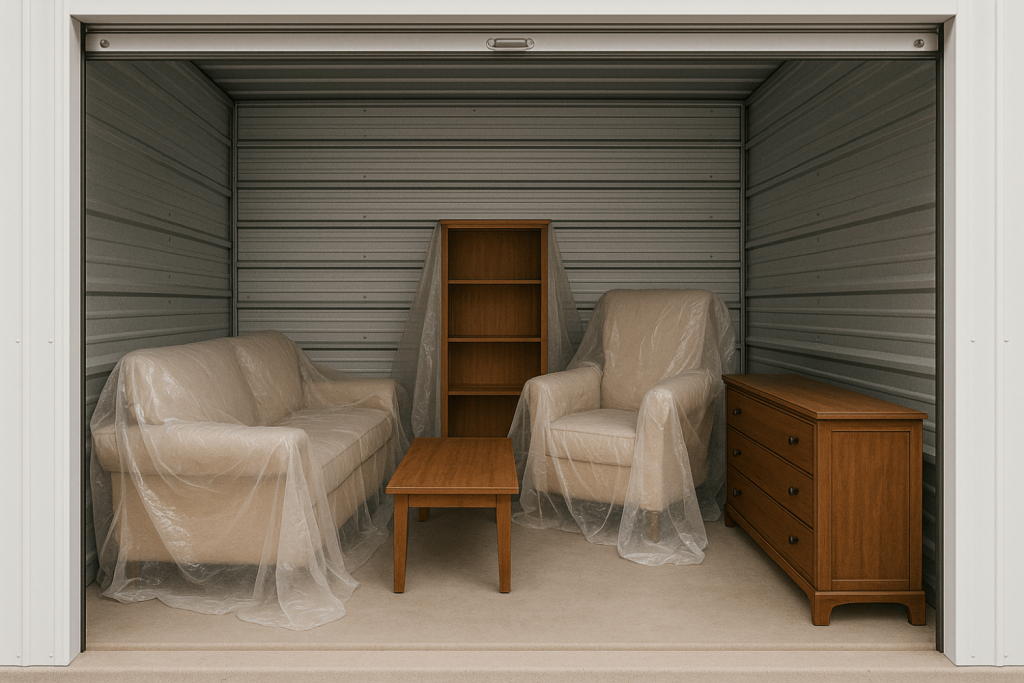
Are you planning to store your furniture but worried about keeping it safe and clean? Choosing the right cover can make all the difference in protecting your valuable pieces from dust, moisture, and damage.
You might be wondering what materials work best and how to avoid common mistakes that could ruin your furniture while in storage. You’ll discover simple, effective options to cover your furniture and keep it looking fresh, no matter how long it stays stored.
Keep reading to find out exactly what you should use to protect your furniture—and why it matters more than you think.

Credit: www.amazon.com
Choosing The Right Covers
Choosing the right cover for your furniture in storage can make a huge difference in protecting your items from dust, moisture, and damage. It’s not just about grabbing whatever is available; the material and fit matter a lot. Think about the environment where your furniture will be stored and the type of furniture you have before making your choice.
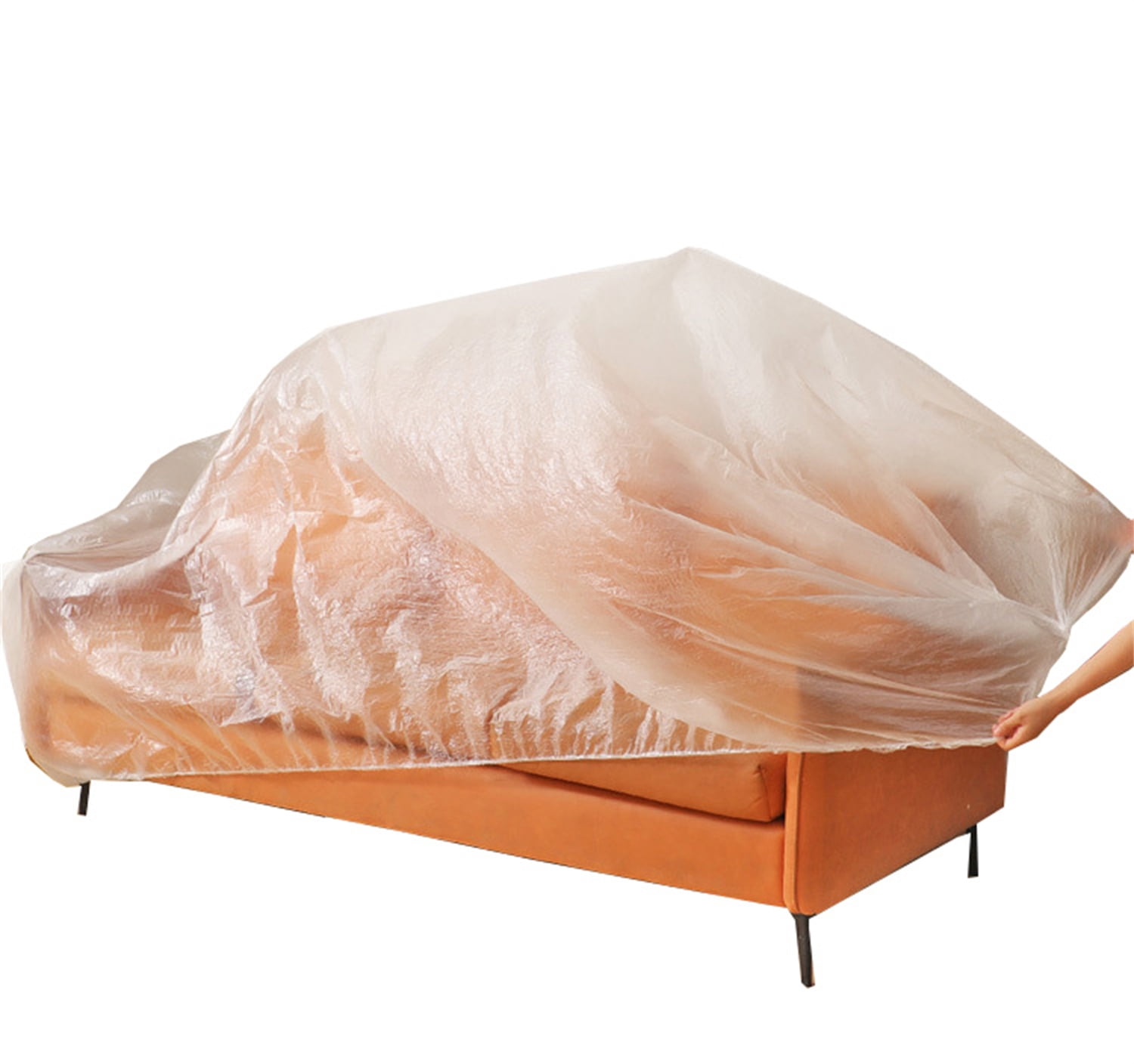
Plastic Sheets
Plastic sheets offer a waterproof barrier, which is great if your storage area is prone to dampness or leaks. However, they can trap moisture underneath, which might cause mold or mildew over time. To avoid this, consider using plastic sheets only if you can ensure good ventilation around your furniture.
Furniture Covers
Specially designed furniture covers are tailored to fit various shapes and sizes, providing excellent protection without suffocating the wood or fabric. Many come with breathable fabrics that prevent moisture buildup while keeping dust and pests out. If you want a hassle-free solution, these covers often come with easy-to-use fasteners to keep everything secure.
Blankets And Quilts
Using blankets or quilts is a budget-friendly option that offers soft cushioning against scratches and dents. They allow air circulation, reducing the risk of moisture damage. If you decide on this option, make sure the blankets are clean and dry before covering your furniture to avoid transferring dirt or mildew.
Tarps And Drop Cloths
Tarps provide a durable and often waterproof cover, suitable for heavy-duty protection. Drop cloths, on the other hand, are lightweight and breathable, commonly used by painters but effective for dust protection. If your storage space is outdoors or exposed, a tarp might be the best choice; indoors, drop cloths can keep your furniture clean without trapping moisture.
Credit: www.walmart.com
Material Benefits And Drawbacks
Choosing the right material to cover furniture in storage is key to keeping it safe. Each material has its own strengths and weaknesses. Understanding these helps in picking the best cover for your needs.
Breathability And Moisture Control
Breathable materials allow air to pass through. This stops moisture build-up and prevents mold growth. Cotton and canvas are good examples. They keep furniture dry but may not block dust fully. Plastic covers block dust well but trap moisture. This can lead to mold and damage. Choose materials based on your storage climate and furniture type.
Durability And Protection
Durable covers protect against tears, dust, and pests. Heavy-duty plastic and vinyl are tough and waterproof. They shield furniture from spills and dirt. Fabric covers are less durable but softer on delicate surfaces. Thick canvas offers a balance of strength and gentle protection. Consider how long you will store the furniture and the environment.
Ease Of Use And Reusability
Lightweight covers are easy to handle and store. Fabric covers often fold neatly and can be reused many times. Plastic covers may crack or tear after repeated use. Some covers have zippers or elastic edges for a snug fit. Easy-to-use covers save time and effort. Reusable covers reduce waste and save money over time.
Preparing Furniture For Storage
Preparing furniture for storage protects it from damage and keeps it in good shape. Taking time to clean and wrap pieces prevents dust, moisture, and scratches. Proper preparation makes unpacking easier and extends furniture life.
Cleaning And Drying
Remove dirt and dust from all surfaces using a soft cloth. Use gentle cleaners suitable for the furniture material. Avoid soaking wood or fabric with water. Let the furniture dry completely to stop mold and mildew growth. Dry furniture stays fresh and ready for storage.
Disassembling Parts
Take apart removable furniture pieces like legs, shelves, and drawers. Store small parts in labeled bags to avoid losing them. Disassembled furniture fits better in storage and reduces stress on joints. Keep instructions or photos to help with reassembly later.
Wrapping Fragile Areas
Protect delicate parts such as glass, mirrors, and carved wood. Use bubble wrap, foam, or thick blankets to cover these areas. Secure wrapping with tape or stretch wrap without sticking to the furniture surface. Proper wrapping prevents cracks, chips, and scratches during storage.

Credit: www.amazon.com
Tips For Long-term Storage
Storing furniture for a long time requires the right protection. Proper covers keep your pieces safe from damage and wear. Choosing the right materials and techniques helps furniture stay in good shape. Follow these tips to protect your furniture during long-term storage.
Avoiding Mold And Mildew
Mold and mildew grow in damp areas and ruin furniture quickly. Use breathable covers like cotton sheets or canvas to allow air flow. Avoid plastic covers that trap moisture, causing mold. Keep the storage space dry and well-ventilated. Place moisture absorbers or silica gel packs near furniture to reduce humidity.
Preventing Pest Damage
Pests like insects and rodents can chew and stain your furniture. Cover pieces with tightly woven fabric covers to block pests. Clean furniture well before storing to remove food crumbs or stains. Use natural repellents such as cedar blocks or lavender sachets inside the storage area. Check the furniture regularly for signs of pest activity.
Maintaining Furniture Shape
Furniture can lose shape if not stored correctly. Use padded covers or blankets to protect cushions and delicate parts. Remove cushions and store them separately to avoid flattening. Place furniture on risers or pallets to prevent direct contact with the floor. Avoid stacking heavy items on top to keep the shape intact.
Special Considerations For Different Furniture Types
Different furniture types need special care when covering for storage. Each material reacts differently to moisture, dust, and temperature changes. Choosing the right cover helps protect your furniture better. It also keeps them in good shape for future use.
Wooden Furniture
Wood is sensitive to moisture. Use breathable covers like cotton or canvas. These allow air to flow and prevent mold. Avoid plastic covers as they trap moisture and cause damage. Wrap delicate areas with soft cloth to stop scratches. Keep furniture off the floor with pallets or blocks.
Upholstered Pieces
Upholstery can collect dust and attract pests. Use breathable fabric covers to avoid moisture buildup. Avoid plastic since it can cause mildew. Vacuum pieces before covering to remove dirt and bugs. Store in a dry place with good ventilation to keep fabric fresh.
Metal Furniture
Metal can rust if exposed to dampness. Cover with waterproof but breathable material. A tarp with ventilation holes works well. Check covers regularly for moisture or rust spots. Wipe metal surfaces with oil or rust preventer before covering. Store in a dry, cool area to avoid corrosion.
Additional Storage Protection Tools
Protecting your furniture in storage goes beyond just wrapping it up. Adding extra tools can make a big difference in keeping your pieces safe from damage. These additional protection tools help control moisture, prevent scratches, and maintain the right environment for your furniture.
Silica Gel Packs
Silica gel packs are small but powerful moisture absorbers. Placing them around your furniture keeps humidity at bay, which stops mold and mildew from forming. I once stored a wooden chair in a damp basement, and the silica gel packs saved it from warping and smelling musty.
You can find these packs online or at hardware stores. Just tuck a few inside drawers or under cushions, and replace them every few months. They’re affordable and easy to use, making them a smart addition to your storage setup.
Furniture Pads
Furniture pads act like a soft shield between your pieces and any rough surfaces. They prevent scratches, dents, and scuffs during storage or moving. I used thick pads when storing a glass coffee table, and it came out scratch-free, even after months in a crowded unit.
Look for thick, quilted pads or moving blankets. Wrap your furniture fully and secure the pads with tape or straps. This simple step can save you costly repairs later.
Climate Control Options
Not all storage spaces offer the same conditions. If you want to protect expensive or antique furniture, consider climate-controlled storage. These units keep temperature and humidity levels steady, reducing risks of cracking, fading, or rusting.
Ask yourself: is your storage area prone to extreme heat, cold, or moisture? If yes, paying a bit extra for climate control might be the best choice to protect your investment. It’s like giving your furniture a safe, comfortable environment even when you’re not there.
Frequently Asked Questions
What Materials Protect Furniture In Storage?
Use breathable materials like cotton sheets or blankets to cover furniture. They allow air circulation and prevent moisture buildup. Avoid plastic covers as they trap moisture, leading to mold and damage.
How Can I Prevent Furniture Scratches In Storage?
Wrap furniture in moving blankets or bubble wrap for protection against scratches. Secure the wrapping with tape or stretch wrap to keep it in place. This helps maintain the furniture’s condition during storage.
Is Climate Control Necessary For Furniture Storage?
Yes, climate control prevents temperature fluctuations that can damage furniture. Wood and upholstery are sensitive to humidity and temperature changes. A climate-controlled unit ensures stable conditions, preserving your furniture’s quality.
How Do I Keep Pests Away From Stored Furniture?
Clean furniture thoroughly before storage to remove food particles that attract pests. Use pest deterrents like mothballs or cedar chips. Regularly check the storage area to ensure there are no signs of pest activity.
Conclusion
Choosing the right cover protects your furniture well. Use breathable materials to avoid moisture damage. Avoid plastic wraps that trap humidity and cause mold. Soft cloths or furniture blankets work best for long storage. Cover pieces completely but leave some space for air.
Keep covers clean and dry to stay effective. Proper covering saves your furniture’s look and life. Take simple steps now to prevent future problems. Your stored furniture deserves good care and attention.