
Are you planning to store your furniture but unsure whether you should cover it or leave it exposed? This simple decision can make a big difference in how your furniture looks and lasts over time.
You might think covering is just extra hassle, but what if it actually protects your valuable pieces from dust, moisture, and damage? On the other hand, could covering trap moisture and cause more harm than good? Keep reading to discover the surprising facts and expert tips that will help you make the best choice for your furniture’s safety while in storage.
Your furniture deserves the best care—even when you’re not using it.
Why Cover Furniture In Storage
Covering your furniture in storage is more than just a precaution—it’s a smart way to keep your items in great shape. You might wonder if it’s really necessary, but think about what happens when dust, moisture, or pests get to your furniture. Protecting your investment means fewer headaches and less work when you unpack.
Protection Against Dust And Dirt
Dust can settle quickly and sneak into every corner of your furniture. Over time, it builds up, making your pieces look dull and dirty. Covering furniture with breathable covers blocks dust but still lets air circulate, which keeps surfaces cleaner.
I once stored a wooden chair uncovered, and when I retrieved it, the dust was so thick that it scratched the finish during cleaning. A simple cover could have prevented that damage.
Preventing Moisture Damage
Storage spaces often have fluctuating humidity levels. Even a small amount of moisture can cause wood to warp or fabric to develop mold and mildew. Using a protective cover designed for storage creates a barrier against moisture without trapping it inside.
Think about the last time you found a damp spot on your sofa—could that have been avoided with a proper cover? Keeping moisture away helps maintain the structure and look of your furniture.
Guarding Against Pests
Rodents and insects are attracted to the warmth and shelter that stored furniture offers. They can chew on fabric, wood, and padding, causing costly damage. Covers act as the first line of defense, making it harder for pests to reach your items.
Imagine the surprise of finding tiny holes in your favorite armchair after storage. Taking a few minutes to cover your furniture might save you from that unpleasant discovery.
Types Of Furniture Covers
Choosing the right type of cover for your furniture in storage can make a big difference in how well it stays protected. Different covers offer various benefits, so understanding your options helps you pick what suits your needs best. Let’s look at the main types of furniture covers to consider.
Plastic Covers
Plastic covers are widely used because they provide a strong barrier against moisture and dust. They are usually inexpensive and easy to find in various sizes. However, they can trap humidity inside, which might cause mold or mildew, especially in humid environments.
If you decide to use plastic covers, make sure to leave some ventilation or check on your furniture regularly. They work great for short-term storage or in dry conditions but might not be the best choice for delicate wood or fabric pieces.
Fabric Covers
Fabric covers, such as cotton or canvas, offer breathability that helps prevent moisture buildup. They protect against dust while allowing air to flow, reducing the risk of mold. These covers are gentle on furniture surfaces and less likely to cause scratches.
Fabric covers can be reused many times and are often washable, making them a practical choice for long-term storage. Think about using old bedsheets or purchasing covers specifically designed for furniture to keep your items safe and clean.
Specialty Covers
Specialty covers are designed for specific furniture types or conditions, such as padded covers for fragile antiques or UV-resistant covers for outdoor furniture. These covers often combine materials to offer protection against multiple risks like moisture, dust, and sunlight.
Investing in specialty covers might cost more, but they can save you money by preventing damage. Ask yourself: Does your furniture need extra protection due to its material or value? If yes, specialty covers could be the right choice.
When To Cover Furniture
Knowing when to cover your furniture in storage can save you from costly damage and extra cleaning later on. The decision depends on how long you plan to store the items and the environment where they’ll be kept. Let’s break down the key moments to use covers to protect your furniture effectively.
Short-term Storage
If you’re storing furniture for just a few weeks or a couple of months, covering might not always be necessary. However, dust and pet hair can accumulate quickly, especially if the storage space isn’t sealed tight.
Using lightweight covers or sheets can keep your furniture clean without trapping moisture. Think about your last quick storage experience—did you find your couch covered in dust when you returned?
Long-term Storage
For storage lasting several months or more, covering furniture becomes essential. Dust, dirt, and accidental spills can cause irreversible damage over time.
Thick, breathable covers protect wood and fabric while allowing air circulation, preventing mold and mildew. Have you ever pulled a chair out of storage only to find stains or a musty smell? Covering helps you avoid that disappointment.
Climate Considerations
The environment plays a huge role in deciding whether to cover furniture. In humid climates, moisture buildup can damage wood finishes and fabric.
Using covers that repel dust but allow moisture to escape helps keep furniture safe. In dry, dusty areas, covering is your best defense against abrasive particles that wear down surfaces.
Ask yourself: Is your storage space climate-controlled? If not, covering your furniture is a smart move to protect your investment.

Credit: www.instagram.com
How To Properly Cover Furniture
Properly covering furniture protects it from dust, moisture, and damage during storage. Covering also helps keep furniture clean and in good condition. Knowing how to cover furniture correctly saves time and effort later.
Cleaning Before Covering
Clean furniture thoroughly before covering it. Dust and dirt can cause scratches or stains over time. Use a soft cloth and mild cleaner for wood or glass surfaces. For fabric furniture, vacuum to remove dust and crumbs. Allow the furniture to dry completely to prevent mold and mildew.
Choosing The Right Cover Size
Select covers that fit the furniture well. Covers that are too small leave parts exposed. Too large covers can trap moisture and dust. Use plastic covers for short-term storage and breathable fabric covers for longer periods. Measure the furniture’s height, width, and depth to find the best cover size.
Securing The Cover
Make sure the cover stays in place during storage. Use elastic straps or bungee cords to hold the cover tight. Avoid using tape directly on furniture surfaces. Secure covers at the bottom and corners to prevent slipping. Check covers regularly to ensure they remain secure and dry.
Common Mistakes To Avoid
Covering furniture in storage might seem straightforward, but many people make mistakes that can damage their pieces instead of protecting them. Avoiding these common errors can save you time, money, and frustration. Let’s look at some pitfalls you should steer clear of to keep your furniture in top shape.
Using Non-breathable Materials
Plastic sheets or tarps might be the first thing you grab, but they trap moisture and can cause mold or mildew. Breathable fabrics like cotton or specially designed furniture covers allow air to circulate, preventing dampness.
I once covered a wooden chair with plastic, thinking it was secure. When I uncovered it weeks later, the wood had warped due to trapped moisture. Could your furniture be at risk from the covers you use?
Covering Dirty Furniture
Placing covers over dusty or grimy furniture traps dirt and can cause stains to set permanently. Always clean your furniture thoroughly before covering it to avoid this problem.
Think about the last time you stored something without cleaning it first—did you notice any unpleasant odors or marks when you retrieved it? Taking a few extra minutes to clean can prevent long-term damage.
Ignoring Ventilation
Proper airflow is essential to prevent moisture buildup and odors. Even with breathable covers, poor ventilation in the storage area can harm your furniture.
Make sure your storage space has some air circulation, whether through vents or occasional airing out. Are you storing your items in a tight, sealed environment that might trap humidity?

Credit: www.facebook.com
Alternative Storage Tips
Alternative storage tips help protect your furniture without full covers. These options reduce dust buildup and guard against damage. They also allow air circulation to prevent moisture problems. Using the right materials and techniques keeps your furniture safe and clean.
Using Furniture Pads And Blankets
Furniture pads and blankets offer soft protection for wood and fabric. They cushion furniture from scratches and dents during storage. Thick pads absorb shocks and prevent marks from stacking or moving items. Choose breathable materials to avoid trapping moisture. Secure blankets with straps or tape to keep them in place.
Elevating Furniture Off The Ground
Keep furniture off the floor to avoid water damage and pests. Use pallets, blocks, or risers to raise pieces a few inches. This prevents dampness from seeping in and stops bugs from crawling up. Elevation also makes cleaning easier and improves air flow underneath. Check that supports are stable and even to avoid warping.
Regular Inspection And Maintenance
Check stored furniture often for signs of damage or moisture. Look for mold, stains, or insect activity. Wipe dust off surfaces to keep finishes fresh. Tighten loose screws and oil wooden joints to maintain strength. Early care helps prevent costly repairs and keeps items ready to use.
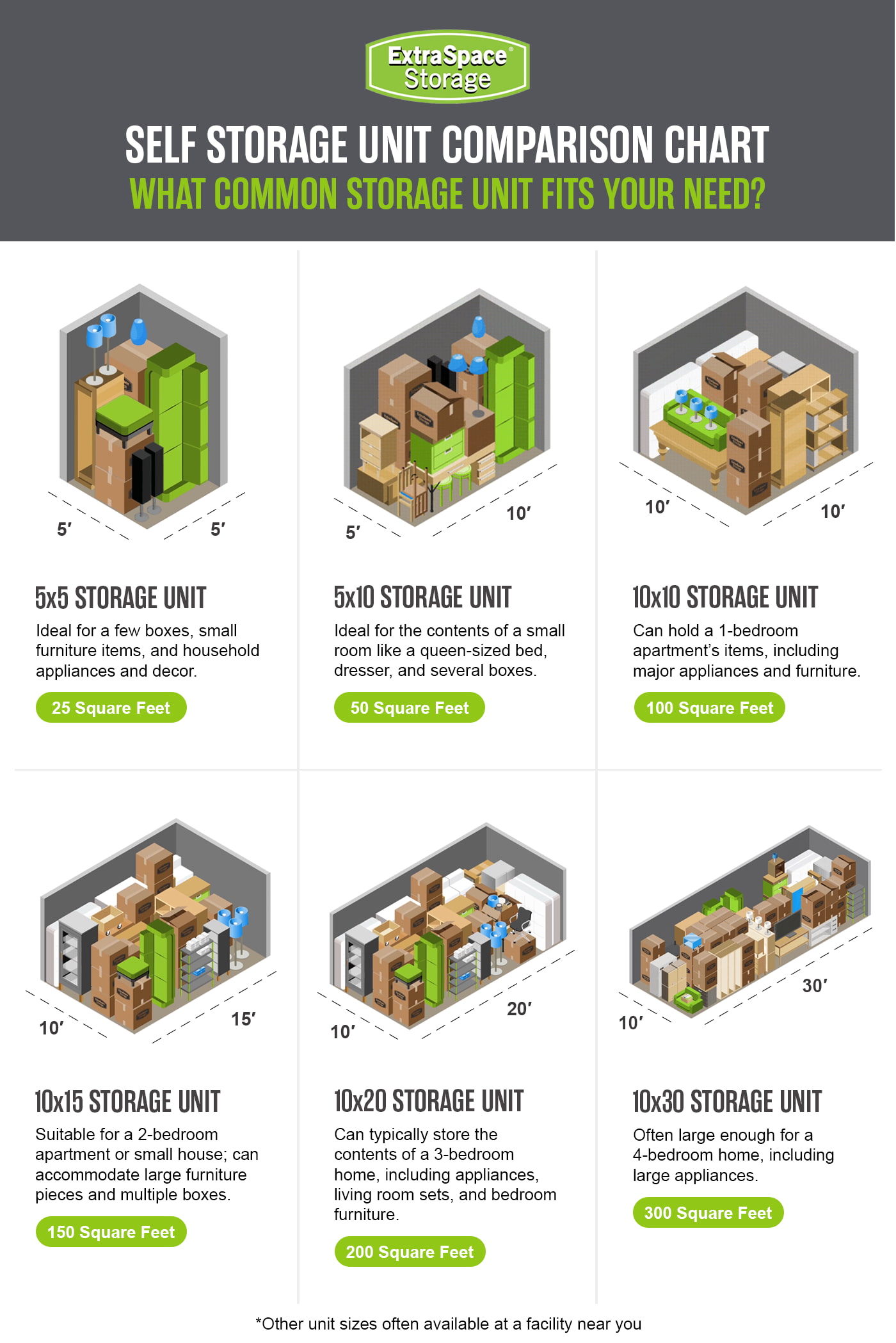
Credit: www.extraspace.com
Frequently Asked Questions
Should I Cover Furniture When Storing It Long-term?
Yes, covering furniture protects it from dust, dirt, and moisture during long-term storage. Use breathable covers to prevent mold and damage.
What Type Of Cover Is Best For Stored Furniture?
Use breathable fabric covers or special furniture blankets. Avoid plastic wraps as they trap moisture, causing mold and damage.
Can Furniture Get Damaged If Not Covered In Storage?
Yes, uncovered furniture can collect dust, stains, and moisture, leading to warping, mold, or discoloration over time.
Does Covering Furniture Prevent Pest Infestations In Storage?
Covering helps reduce dust and debris but doesn’t fully prevent pests. Use pest control methods alongside covers for best protection.
Conclusion
Covering furniture in storage helps protect it from dust and dirt. It also guards against scratches and moisture damage. Choosing the right cover matters a lot. Breathable fabrics work best to avoid mold and mildew. Leaving furniture uncovered can cause wear over time.
Simple steps keep your items safe and clean. Think about how long you will store your furniture. Protecting your pieces ensures they look good when you return. A little care now saves money later.