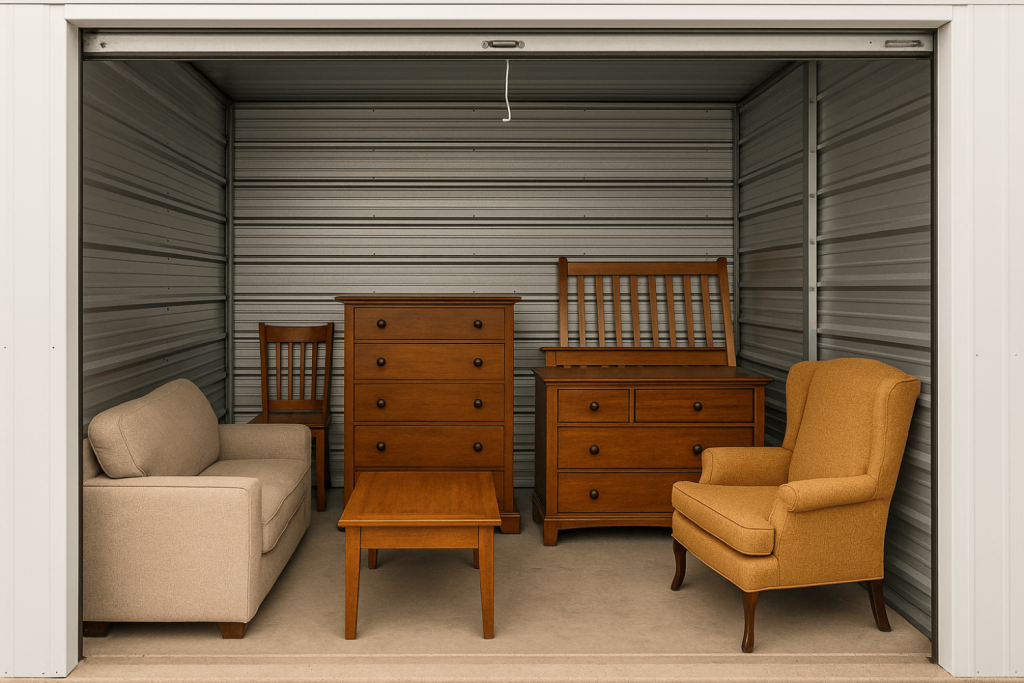
Are you thinking about storing your furniture in a storage unit but worried about its safety? You’re not alone.
Many people wonder if their valuable pieces will stay protected from damage, pests, or theft. The truth is, knowing the right steps can make all the difference. You’ll discover what really matters when it comes to keeping your furniture safe and how to choose the best storage option for your needs.
Keep reading—your furniture’s future depends on it.
Risks Of Storing Furniture
Storing furniture in a storage unit has risks that can affect its condition. Understanding these risks helps protect your items better. Furniture faces threats from moisture, pests, temperature, and dirt. Each factor can cause damage over time.
Damage From Moisture And Humidity
Moisture can warp wood and cause metal to rust. Humidity leads to mold and mildew growth on fabrics and cushions. These problems weaken furniture and cause unpleasant smells. Storage units without proper ventilation increase these risks.
Pest Infestations
Rodents and insects can invade storage spaces. They chew on wood, fabric, and leather. Pest droppings also stain and damage surfaces. Regular pest control measures reduce this danger significantly.
Temperature Fluctuations
Extreme heat can dry out wood and cause cracks. Cold temperatures may make materials brittle. Constant changes in temperature stress furniture joints and finishes. Climate-controlled units help maintain a stable environment.
Dust And Dirt Accumulation
Dust settles on furniture and dulls its appearance. Dirt can scratch surfaces during storage or moving. Cleaning items before storing and covering them prevents buildup. Proper cleaning keeps furniture looking fresh and new.
Credit: www.storagestar.com
Choosing The Right Storage Unit
Choosing the right storage unit plays a crucial role in keeping your furniture safe and in good condition. Not all storage units are created equal, and the features you pick can make a big difference. Think about the environment your furniture will face and how often you’ll need access before making a decision.
Climate-controlled Vs Standard Units
Climate-controlled units maintain stable temperature and humidity levels. This is especially important if you’re storing wooden furniture, leather, or antiques that can warp, crack, or mildew.
Standard units don’t regulate temperature and can expose your items to extreme heat, cold, or moisture. If you’re storing durable items like metal or plastic furniture, a standard unit might be enough and often costs less.
Ask yourself: How sensitive is your furniture to weather changes? If you want peace of mind, climate-controlled is often worth the extra cost.
Security Features To Look For
Your furniture is a valuable investment, so security should be a priority. Look for units with gated access, security cameras, and on-site personnel to deter theft.
Some facilities offer individual unit alarms and keypad entry, adding an extra layer of protection. Don’t settle for a place with minimal security just because it’s cheaper.
Would you feel comfortable leaving your favorite chair behind without strong security measures? Choosing a secure facility protects your items and your peace of mind.
Location And Accessibility
Consider how often you’ll need to visit your storage unit. A location close to your home or workplace saves time and travel costs.
Also, check the facility’s hours. Some places offer 24/7 access, while others have limited times that could disrupt your plans.
Is convenience more important to you than cost? Balancing location and accessibility with your budget ensures you won’t regret your choice later.
Preparing Furniture For Storage
Preparing your furniture properly before placing it in a storage unit can make all the difference in keeping it safe and in good condition. Taking the right steps helps prevent damage from moisture, pests, and accidental bumps. How you handle this preparation can save you time, money, and frustration when you retrieve your items.
Cleaning And Drying
Make sure every piece of furniture is thoroughly cleaned before storage. Dirt and dust can attract pests or cause stains to set in permanently. Use a gentle cleaner suitable for the material, and wipe down surfaces carefully.
Drying is equally important. Moisture trapped on or inside furniture can lead to mold and mildew. After cleaning, allow your furniture to air dry completely in a well-ventilated space. Have you ever found your stored items smelling musty? That’s usually due to moisture not being removed beforehand.
Disassembling Large Pieces
Breaking down bulky furniture helps protect it and saves space in your storage unit. Remove legs from tables, take apart bed frames, and detach cushions where possible. Keep screws, bolts, and small parts in labeled bags so you don’t lose them.
Disassembled pieces are easier to wrap and position, reducing the risk of scratches or dents. Think about the last time you tried to move a large sofa—how much easier would it have been if it was in smaller parts?
Protective Coverings And Wrapping
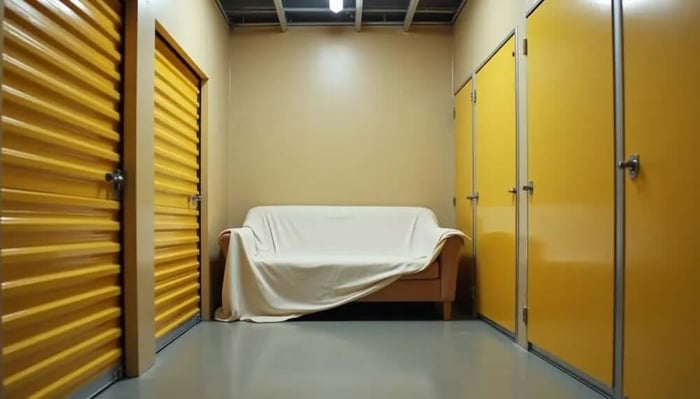
Covering your furniture shields it from dust, dirt, and accidental spills. Use breathable covers like cotton sheets or furniture covers designed for storage. Avoid plastic covers that can trap moisture and cause damage.
For extra protection, wrap delicate items with bubble wrap or furniture pads. This is especially important for sharp corners, glass surfaces, and wooden edges. Do you want your furniture to look just as good when you take it out of storage? Wrapping is your best defense.
Using Pallets And Elevation
Elevate your furniture off the ground to prevent water damage and pest infestations. Placing items on pallets or sturdy blocks keeps them away from moisture that might seep through the floor. This simple step can save you from costly repairs.
If your storage unit is prone to dampness or flooding, elevation becomes even more critical. Consider stacking pallets or using plastic risers to create a barrier. Would you rather risk a small investment in pallets or face ruined furniture down the line?
Common Mistakes To Avoid
Storing furniture in a storage unit can protect your items during a move or renovation. Avoiding common mistakes helps keep your furniture safe and in good shape. Simple errors can cause damage, costing you more time and money.
Storing Without Proper Protection
Furniture needs a barrier against dust, moisture, and scratches. Use furniture covers or blankets to shield surfaces. Avoid plastic wraps that trap moisture, causing mold. Proper protection keeps wood, fabric, and leather safe.
Ignoring Pest Control
Pests can damage wood and fabric quickly. Inspect items before storage for bugs or eggs. Clean furniture well to remove food crumbs or stains. Use pest repellents or traps inside the unit for extra safety.
Overpacking And Blocking Airflow
Stuffing too many items tightly can trap moisture. Blocked airflow leads to mold and unpleasant odors. Leave space between furniture pieces to let air circulate. Arrange items to avoid pressure marks and damage.
Expert Tips For Long-term Storage
Storing furniture for a long time needs care and planning. Proper steps help keep your items safe and in good shape. Experts suggest key tips to protect furniture in storage units.
Regular Inspections
Check your furniture often during storage. Look for signs of damage like mold, pests, or moisture. Early detection stops problems from growing. Visit your unit every few weeks to inspect items.
Using Desiccants And Dehumidifiers
Moisture harms wood and fabric. Use desiccants like silica gel packs to absorb water. A small dehumidifier in the unit controls humidity. These tools keep the air dry and protect your furniture.
Labeling And Inventory Management
Label each piece clearly with its name and condition. Keep a list of all stored furniture and details. This helps find items quickly and track their status. Use simple labels and update your inventory regularly.

Credit: m.facebook.com

Credit: www.angi.com
Frequently Asked Questions
Is Storing Furniture In A Storage Unit Safe?
Yes, storing furniture in a storage unit is safe if you choose climate-controlled units. Proper packing and cleaning also protect your furniture from damage and pests.
How To Protect Wood Furniture In Storage Units?
Use furniture covers and seal wooden pieces with wax or polish. Avoid plastic wraps to prevent moisture buildup that causes warping or cracking.
Can Climate-controlled Units Prevent Furniture Damage?
Yes, climate-controlled units regulate temperature and humidity. This prevents mold, mildew, and warping, making them ideal for sensitive furniture types.
What Items Should Not Be Stored With Furniture?
Avoid storing items that emit moisture or chemicals. Items like plants, food, or paint can damage your furniture in storage.
Conclusion
Storing furniture in a storage unit can be safe with the right steps. Choose a clean, dry, and secure space to protect your items. Use covers and padding to avoid scratches and dust. Check the unit regularly to keep everything in good shape.
Taking simple precautions helps your furniture stay safe and last longer. Remember, careful planning makes all the difference in storage safety.