
Have you ever wondered what happens to your wood furniture when it sits in a hot storage space? You might think heat only makes a room uncomfortable, but it can actually cause serious damage to your prized pieces.
If you care about keeping your furniture looking beautiful and lasting for years, understanding how heat affects wood is crucial. Keep reading to discover the surprising ways heat can change your furniture—and how you can protect your investment before it’s too late.
Impact Of Heat On Wood Furniture
Heat in storage can cause serious damage to wood furniture. Wood reacts to temperature changes in many ways. Understanding these effects helps protect your furniture from harm. Heat can cause wood to expand, crack, or lose its shape. It can also affect the finish and overall durability. Keeping the storage environment stable is key to preserving wood furniture.
Temperature And Wood Behavior
Wood expands when heated and contracts when cooled. This natural movement can cause joints to loosen. Cracks may appear as wood dries out from heat exposure. High temperatures can soften glue and finishes. This weakens furniture structure and appearance. Extreme heat causes warping, making surfaces uneven. Temperature swings stress the wood fibers. Over time, this breaks down the wood’s strength.
Humidity Influence
Humidity levels change with heat and affect wood moisture. Low humidity dries out wood, causing shrinkage and cracks. High humidity makes wood absorb moisture and swell. Swollen wood may warp or lose its shape. Fluctuating humidity causes repeated expansion and contraction. This cycle damages wood over time. Proper humidity control keeps wood stable and strong. Ideal storage humidity is between 40% and 60%.

Credit: www.instagram.com
Potential Risks To Wood Furniture
Heat in storage can silently damage your wood furniture, often in ways you might not notice until it’s too late. Understanding the potential risks helps you protect your valuable pieces from lasting harm. Let’s look at the specific problems heat can cause to wood furniture and what signs to watch for.
Cracking And Splitting
Wood expands and contracts with changes in temperature. When exposed to excessive heat, this movement becomes more extreme, causing the wood to crack or split.
You might see small hairline cracks at first, but over time, these can widen and ruin the furniture’s surface and structure. Have you ever noticed your wooden table developing fine cracks after a hot summer? That’s the wood reacting to heat stress.
Warping And Distortion
Heat can cause wood to warp, meaning it bends or twists out of shape. This happens because different parts of the wood dry unevenly under heat, leading to distortion.
Warped drawers that stick or doors that don’t close properly can be signs of heat damage. If your furniture starts looking uneven or feels unstable, heat might be the culprit.
Fading And Discoloration
Intense heat can fade the color of your wood furniture, especially if it’s finished with stains or paints. Prolonged exposure causes the surface to lose its natural richness and develop dull spots.
You may notice lighter patches or an overall washed-out look that diminishes the beauty of your wood. Can you remember any piece that looked vibrant initially but became dull after being stored in a hot place?
Protective Measures
Protecting your wood furniture from heat damage in storage requires careful attention to the environment and materials you use. Taking the right measures can prevent warping, cracking, and discoloration. Let’s look at some effective ways to shield your furniture from extreme temperatures.
Climate-controlled Storage
Choosing a climate-controlled storage unit is one of the best decisions you can make. These units maintain a steady temperature and humidity level, which helps prevent wood from expanding or contracting.
Imagine storing your antique dresser in a place where summer heat doesn’t cause the wood to dry out or crack. The consistent environment stops those frustrating shifts that ruin your favorite pieces.
Proper Insulation Techniques
Insulating your storage space adds another layer of protection. Use foam panels, weather stripping, or thermal blankets to keep heat from penetrating the area.
Think about wrapping your furniture in insulation like a shield, blocking sudden heat spikes. This technique works well if you can’t access a climate-controlled unit but still want to reduce temperature swings.
Use Of Protective Covers
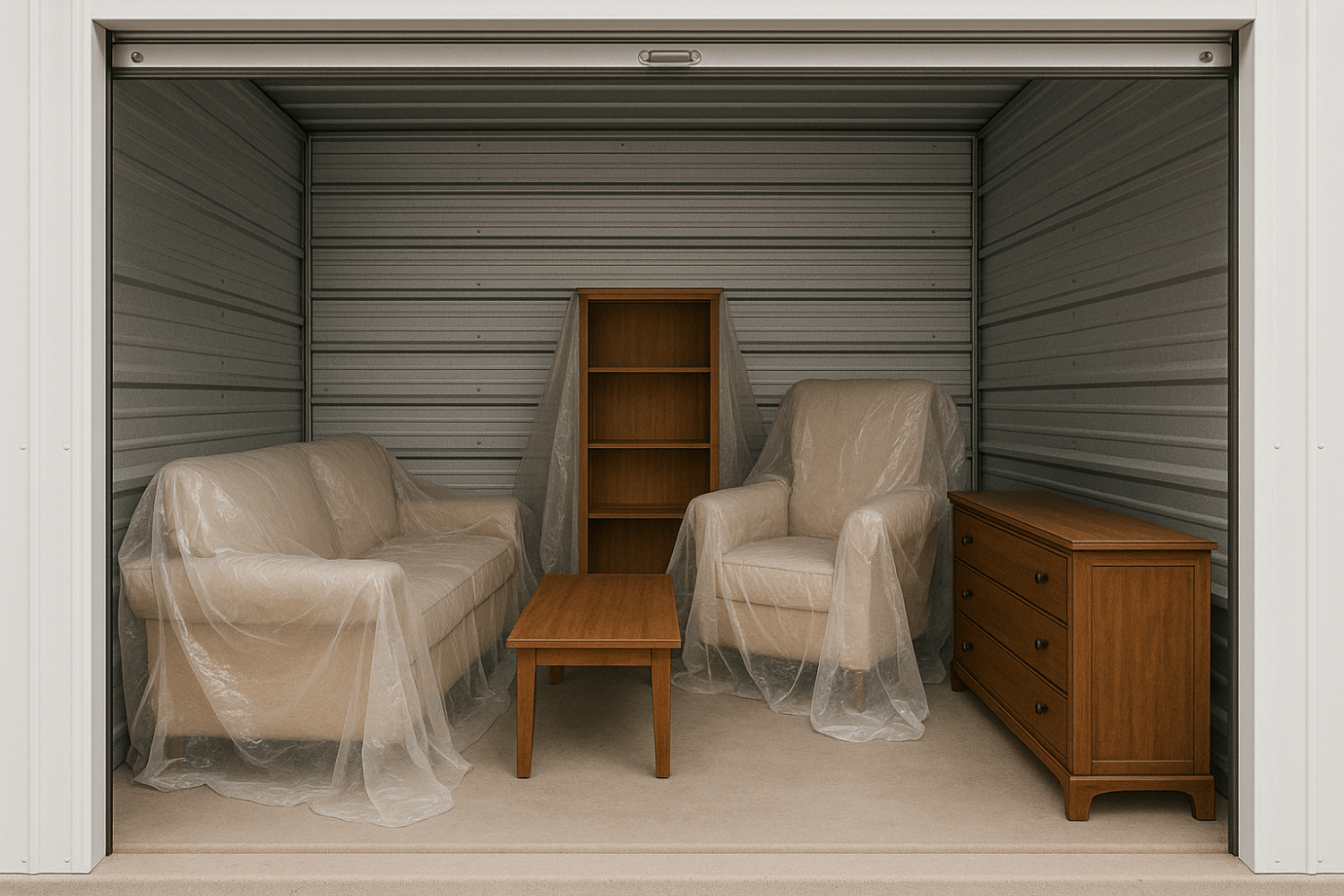
Covering wood furniture with breathable, protective covers is essential. Avoid plastic sheets that trap heat and moisture, which can accelerate damage.
Opt for cotton or canvas covers that allow air flow and keep dust away. Have you ever noticed how your furniture feels sticky or smells musty after being wrapped in plastic? That’s exactly what you want to avoid.
Credit: storageofamerica.com
Material Considerations
Heat in storage can change wood furniture in many ways. The type of wood and its finish are very important. Some woods react more to heat, causing cracks or warping. Finishes can either protect or weaken the wood under heat.
Types Of Wood
Different woods handle heat differently. Hardwoods like oak and maple are stronger and resist heat better. Softwoods such as pine and cedar are more likely to dry out and crack. Wood with high moisture content may warp as it loses water in heat. Exotic woods might have oils that react badly to high temperatures. Knowing the wood type helps predict how heat will affect your furniture.
Finish And Coatings
Finishes shield wood from heat damage. Varnishes and polyurethane create a hard surface that blocks moisture loss. Wax finishes can melt or soften under heat, exposing wood to harm. Paint may peel or bubble if exposed to hot conditions. Some coatings expand or shrink with temperature changes, causing cracks. Proper finishes help keep wood stable and looking good in storage.
Monitoring And Maintenance
Keeping a close eye on your wood furniture while it’s in storage can save you from costly repairs down the line. Monitoring and maintenance are crucial because heat can cause wood to dry out, warp, or crack. Staying proactive helps you catch issues early and maintain your furniture’s quality.
Regular Inspections
Check your furniture regularly for signs of heat damage like cracking, splitting, or fading. Look closely at joints and surfaces—these areas often reveal stress first.
Touch the wood to see if it feels unusually dry or brittle. This hands-on approach can alert you to problems before they become visible.
Ask yourself: How often have you inspected your stored pieces in the last month? Increasing inspection frequency can prevent long-term damage.
Humidity Control Devices
Using devices like humidifiers or dehumidifiers helps maintain stable moisture levels. Wood reacts poorly to fluctuating humidity combined with heat, so controlling this balance is key.
Consider placing a hygrometer near your furniture to track humidity levels accurately. This simple tool gives you real-time data to adjust your devices accordingly.
Think about where you store your furniture—could adding a small humidifier reduce dryness? Even a slight improvement can protect wood from drying out and cracking.

Credit: m.facebook.com
Frequently Asked Questions
How Does Heat Damage Wood Furniture In Storage?
Heat causes wood to dry out, leading to cracks and warping. It can also weaken glue joints and finishes, reducing furniture lifespan.
Can High Temperatures Cause Wood Furniture To Crack?
Yes, high temperatures dry wood fibers, causing shrinkage and cracks. Prolonged heat exposure worsens this damage over time.
What Is The Ideal Storage Temperature For Wood Furniture?
Maintain storage temperatures between 60°F and 75°F. This range prevents drying or moisture buildup, preserving wood quality.
Does Heat Affect Wood Furniture Finishes?
Heat can cause finishes to blister, peel, or discolor. It also speeds up finish deterioration, making furniture look aged.
Conclusion
Heat in storage can cause wood furniture to crack and warp. Wood loses moisture and becomes fragile over time. This damage lowers the furniture’s beauty and value. Protect your pieces by keeping them in cool, dry places. Regular checks help spot problems early.
Taking care now saves money and effort later. Wood furniture deserves gentle treatment to last for years. Remember, simple steps keep your furniture strong and beautiful.