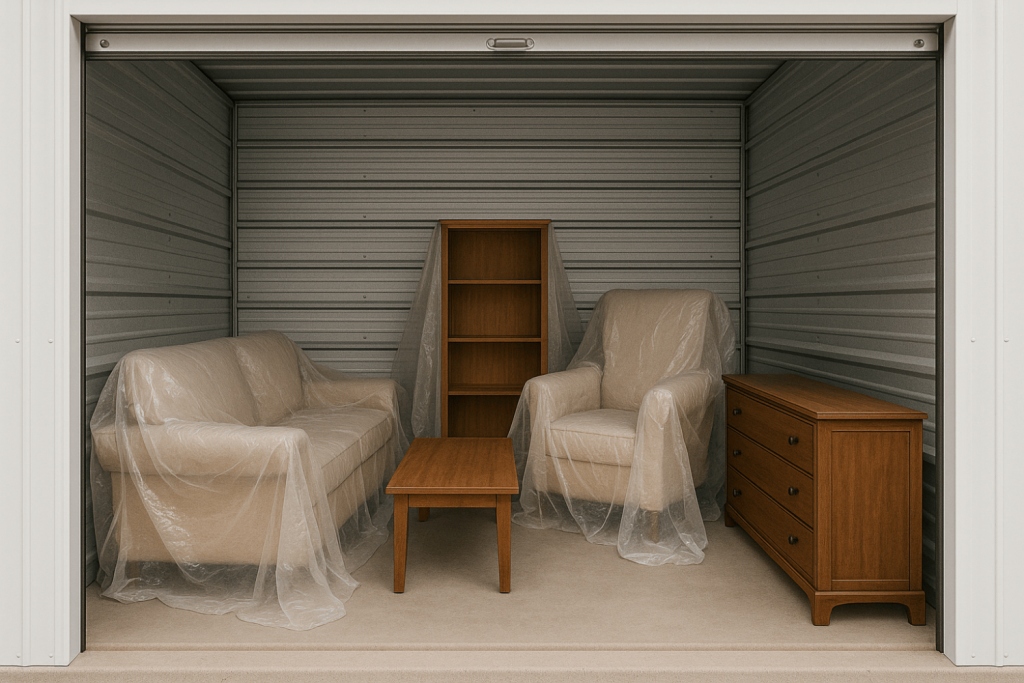
Are you planning to store your furniture for a long time but worried about damage? Wrapping your furniture the right way is the key to keeping it safe and looking great when you take it out again.
In this guide, you’ll learn simple, effective steps to protect your pieces from dust, scratches, and moisture. Whether it’s a family heirloom or everyday chairs, knowing how to wrap your furniture properly saves you time, money, and stress later. Keep reading—your furniture deserves the best care while it’s in storage.
Choosing The Right Materials
Choosing the right materials is key to protect your furniture during long-term storage. The correct wrapping prevents damage from dust, moisture, and scratches. It also keeps furniture safe from pests and environmental changes. Using proper supplies helps maintain furniture quality and appearance.
Protective Wrapping Options
Different materials offer various levels of protection. Bubble wrap cushions fragile parts and absorbs shocks. Moving blankets provide thick padding to prevent scratches and dents. Plastic wrap seals out moisture and dust but can trap condensation if not used carefully. Furniture covers made from breathable fabric guard against dirt while allowing air flow.
- Bubble wrap for fragile surfaces
- Moving blankets for thick padding
- Plastic wrap to block moisture
- Breathable covers for dirt protection
Choosing Quality Packing Supplies
High-quality packing supplies last longer and offer better protection. Look for bubble wrap with small, firm bubbles. Use thick moving blankets with no tears or holes. Choose plastic wrap that is sturdy and stretchable. Avoid thin or cheap materials that tear easily. Strong tape keeps wraps secure without damaging furniture. Proper supplies reduce risks of damage during storage.

Credit: blog.hireahelper.com
Preparing Furniture For Storage
Preparing your furniture for long-term storage is the foundation of keeping it safe and intact. Proper preparation helps prevent damage from dust, moisture, and accidental scratches. Taking the time to clean and protect each piece will save you headaches when you retrieve your furniture later.
Cleaning And Disassembling
Start by thoroughly cleaning every item. Dust, dirt, and stains can become harder to remove over time and attract pests. Use a gentle cleaner suitable for the material—wood, leather, or fabric—to avoid damage.
Disassembling larger pieces like beds, tables, or shelving units makes them easier to move and store. Keep screws, bolts, and small parts in labeled bags so you can find them quickly. This step also helps prevent stress on joints and reduces the chance of breakage.
Handling Fragile Items
Fragile furniture parts require extra care before storage. Wrap glass, mirrors, and delicate surfaces individually with bubble wrap or thick blankets. Avoid using newspaper, as the ink can transfer and stain your furniture.
Consider padding corners and edges with foam or cardboard to protect against bumps during transport. Ask yourself: Have you secured all delicate parts to minimize movement? This simple check can prevent costly damages.
Techniques For Wrapping Furniture
Wrapping furniture properly is essential to protect it from dust, moisture, and physical damage during long-term storage. Knowing the right techniques can save you from costly repairs or replacements later. Let’s dive into some practical ways to wrap your furniture securely and efficiently.
Using Bubble Wrap Effectively
Bubble wrap cushions your furniture by absorbing shocks and preventing scratches. Focus on wrapping delicate parts like legs, arms, and corners where damage is most likely. Wrap tightly but avoid compressing the bubbles too much, as they lose their protective air pockets.
Think about your fragile items such as glass tabletops or carved wood details. Cover these areas thoroughly with multiple layers of bubble wrap. Remember, the goal is to create a soft barrier that shields your furniture from bumps and knocks.
Securing With Stretch Film
Stretch film holds your bubble wrap and padding in place while adding a moisture barrier. Wrap it snugly around the entire piece, overlapping as you go to ensure full coverage. This prevents the wrap from slipping off during handling or storage.
Stretch film is also great for keeping drawers and doors closed without using tape that might damage surfaces. Ask yourself, have you ever found a loose wrap that left your furniture exposed? Proper securing with stretch film avoids that hassle completely.
Foam Padding For Extra Protection
Foam padding adds an extra layer of defense against dents and scratches. Use foam sheets or corner protectors especially on furniture with sharp edges or fragile finishes. It’s lightweight and easy to cut to size for a custom fit.
If your furniture has delicate veneers or antique finishes, foam padding can prevent pressure marks that bubble wrap alone might not stop. Adding this step can make a big difference if you’re storing valuable or sentimental pieces for a long time.

Credit: mystorage.ca
Storing Furniture Safely
Storing furniture safely requires careful preparation. Protecting your pieces from damage extends their life. Proper wrapping and storage environments keep furniture in good condition.
Climate-controlled Storage Benefits
Climate-controlled units keep temperature and humidity steady. This prevents wood from cracking and metal from rusting. Upholstery stays fresh and mold-free. Such storage stops warping and fading caused by weather changes. It is ideal for long-term furniture storage.
Avoiding Common Mistakes
- Do not use plastic wrap directly on wood surfaces. It traps moisture and causes damage.
- Avoid stacking heavy items on top of delicate furniture.
- Do not store furniture in damp or unventilated areas.
- Always clean furniture thoroughly before wrapping it.
- Use proper padding like blankets or bubble wrap for protection.
Maintaining Wrapped Furniture
Maintaining wrapped furniture during long-term storage is essential to keep it safe and intact. Proper care helps avoid damage from moisture, pests, or dust. Regular attention ensures your furniture stays in good condition until you need it again.
Regular Checks And Inspections
Check wrapped furniture at least once a month. Look for tears or holes in the wrapping material. Make sure no moisture or dust has entered. Inspect wooden parts for signs of cracking or warping. Confirm the storage area is dry and clean. Early detection stops small problems from growing.
Dealing With Potential Damage
Fix small tears in the wrapping immediately with tape. Remove any moisture by airing out the furniture carefully. Use a soft cloth to wipe off dust or dirt. Treat wooden surfaces with a protective oil if dryness appears. Call a professional if you find mold or severe damage. Quick action saves your furniture from lasting harm.

Credit: m.facebook.com
Frequently Asked Questions
How Do You Prepare Furniture For Long Term Storage?
Clean all surfaces thoroughly and remove cushions or detachable parts. Use bubble wrap or furniture blankets to protect from scratches. Disassemble large pieces if possible. Ensure items are dry to prevent mold. Label parts and store hardware in sealed bags for easy reassembly.
What Materials Are Best For Wrapping Furniture?
Use bubble wrap for fragile surfaces and thick furniture blankets for larger pieces. Plastic wrap can secure wraps but avoid direct plastic contact on wood. Use packing tape to keep wraps in place. Choose breathable materials to prevent moisture buildup and damage.
Can I Store Wrapped Furniture Outside Long Term?
Avoid storing wrapped furniture outdoors long term. Exposure to moisture, temperature changes, and pests can damage items. If outdoor storage is necessary, use waterproof covers and elevate furniture off the ground. Indoor, climate-controlled storage remains the safest option for long term preservation.
How Do I Prevent Moisture Damage When Wrapping Furniture?
Ensure all furniture is completely dry before wrapping. Use moisture-absorbing packets or silica gel inside wrapped items. Store furniture in a dry, well-ventilated area. Avoid plastic wrap touching wood directly as it traps moisture. Regularly check stored items for signs of dampness.
Conclusion
Wrapping furniture well protects it from dust, moisture, and damage. Use strong materials like plastic wrap and moving blankets. Make sure to cover every part tightly to keep bugs and dirt out. Label wrapped items for easy finding later. Taking these steps helps your furniture stay safe during storage.
Keep your space organized and your items in good shape. Simple care now saves you time and money later. Ready for long-term storage? Your furniture will thank you.