
Are you worried about keeping your wood furniture safe while it’s in storage? You’re not alone.
Wood is sensitive to changes in temperature and humidity, and without the right care, your beautiful pieces can get damaged. But don’t worry—storing your wood furniture properly doesn’t have to be complicated. You’ll discover simple, effective tips to protect your furniture from scratches, warping, and moisture.
Keep reading to learn exactly how to store your wood furniture in a storage unit so it looks just as good when you bring it back home.
Preparation Before Storage
Proper preparation is key to keeping your wood furniture safe and looking great while it’s stored. Taking the right steps before placing your items in a storage unit can prevent damage like warping, scratches, or mold. Let’s look closely at what you need to do to get your furniture ready.
Cleaning And Maintenance
Start by giving your wood furniture a thorough clean. Dust and dirt can attract moisture and pests, which cause damage over time.
Use a soft cloth and a mild wood cleaner to wipe down all surfaces. Avoid harsh chemicals that strip the finish.
If there are any scratches or minor damage, apply a wood conditioner or polish to protect the surface. This adds a layer of defense while your furniture is stored.
Don’t forget to check for any loose joints or screws. Tighten them to keep the furniture stable.
Disassembling Furniture
Disassembling bulky furniture saves space and reduces the risk of damage during storage. Take apart tables, bed frames, and shelving units if possible.
Keep all screws, bolts, and small parts in labeled bags. This makes reassembly easier and prevents you from losing anything.
Wrap delicate pieces like glass tops or carved legs in bubble wrap or thick blankets. This extra padding shields them from bumps.
Have you ever tried to move a heavy dresser without removing the drawers? It’s tough and risky. Removing parts where you can helps you move your furniture safely and store it more compactly.
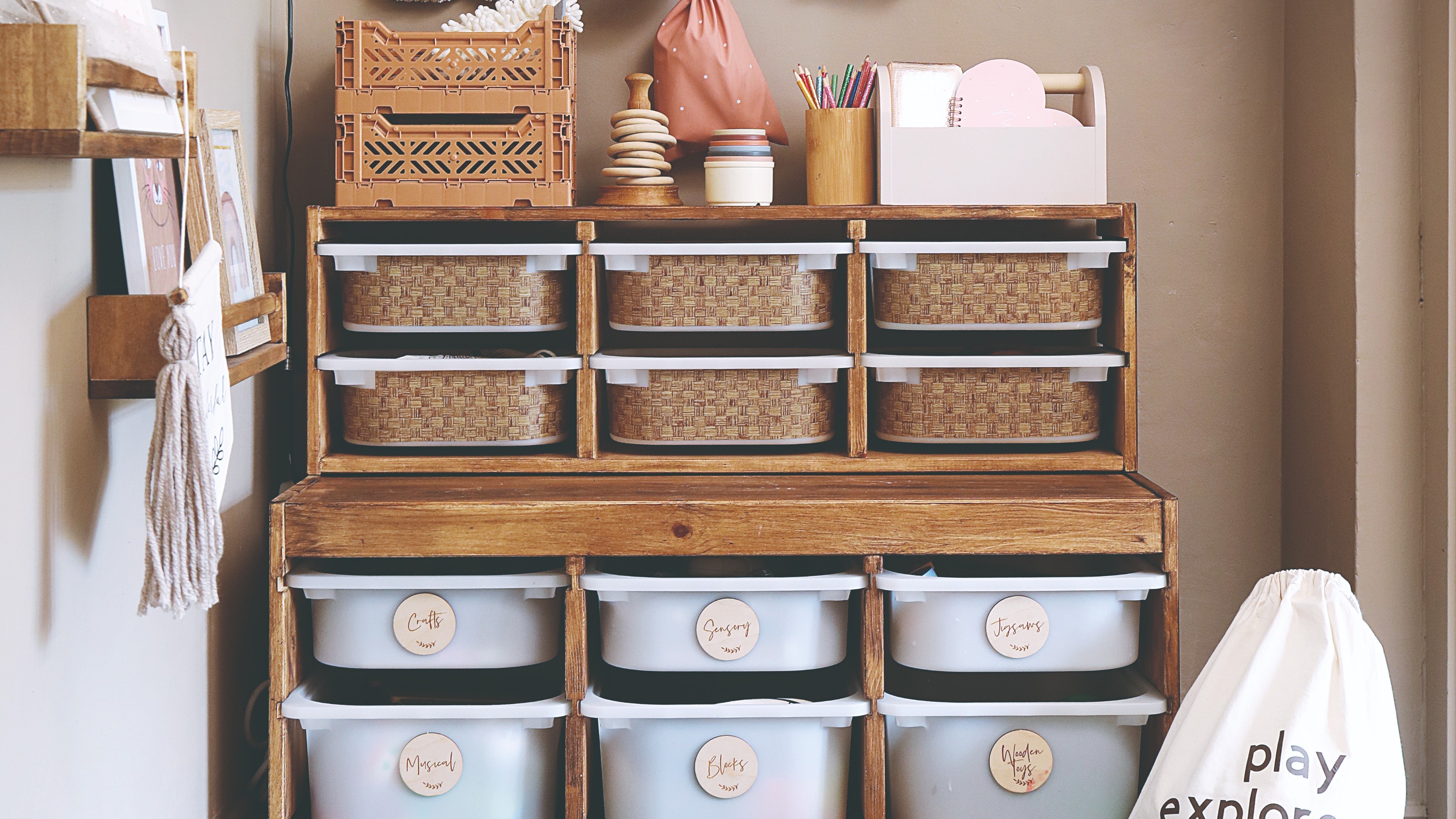
Credit: www.idealhome.co.uk
Choosing The Right Storage Unit
Choosing the right storage unit is key for protecting wood furniture. The unit must keep the furniture safe from damage. It needs to control temperature and humidity. It should have strong security to prevent theft. Picking the right unit saves money and stress later.
Climate-controlled Options
Wood furniture reacts to heat and moisture. Too much humidity causes wood to warp or swell. Dry air can crack or split the wood. Climate-controlled units keep temperature steady. They also control humidity levels. This protection helps preserve the furniture’s look and strength. Choose a unit with reliable heating and cooling systems. Look for units that monitor moisture levels regularly.
Security Features
Security prevents loss or damage from theft. Good storage facilities have strong locks and fences. Some offer video surveillance around the clock. Many use digital entry codes to limit access. Ask if the unit has on-site staff or security patrols. Insurance options may also be available to cover risks. Always choose a unit with multiple security layers for peace of mind.
Packing Techniques
Packing wood furniture properly is essential to protect it from scratches, moisture, and other damage while in storage. You want to create a barrier that guards your pieces without trapping moisture or causing pressure points. Paying attention to the right materials and wrapping methods can save you from costly repairs later.
Using Protective Covers
Choose covers that shield your furniture from dust and dirt but also allow air circulation. Soft moving blankets or padded furniture covers work well. Avoid plastic covers unless your storage unit is climate-controlled, as plastic can trap moisture and cause wood to warp or develop mold.
Wrap each piece fully, securing the covers with tape or stretch wrap without sticking directly to the wood. This approach prevents scratches and dents during moving and stacking. Have you noticed how a simple blanket can transform the protection level of your furniture?
Properly Wrapping Fragile Parts
Fragile parts like legs, arms, and decorative moldings need extra care. Wrap these areas separately using bubble wrap or foam padding to cushion them from impact. Secure the padding with painter’s tape to avoid sticky residue on your furniture’s finish.
For glass inserts or mirrors attached to wood frames, remove them if possible and store them flat in a padded box. If removal isn’t an option, add extra padding around the glass and never stack heavy items on top. Have you ever lost a beautiful piece due to overlooked fragile parts? Taking these steps prevents that risk.

Credit: mylifeonkayderosscreek.com
Placement Inside The Unit
Proper placement of wood furniture inside your storage unit can make a big difference in preserving its condition. You want to avoid damage caused by moisture, pests, and physical pressure from stacking. Thoughtful arrangement helps maintain the wood’s integrity and keeps your investment safe.
Elevating Off The Ground
Keeping wood furniture off the floor is essential. Floors can trap moisture, especially in storage units without climate control. Placing your furniture on pallets, blocks, or sturdy shelves creates a barrier against dampness and potential water damage.
Think about how your basement furniture reacts to cold, damp floors—elevating prevents similar issues. It also makes it easier to check for pests or mold without moving heavy pieces around. Have you noticed how a little extra air beneath something can keep it fresher longer?
Spacing For Air Circulation
Don’t push your wood furniture tightly against walls or other items. Leaving space allows air to flow freely, reducing the risk of mold and mildew growth. Aim for at least a few inches of clearance on all sides.
Good air circulation can prevent musty smells and keep your furniture looking as good as the day you stored it. Even a small gap can make a big difference, especially in humid climates. How often do you check your storage unit’s airflow situation?
Regular Maintenance Checks
Regular maintenance checks are crucial when storing wood furniture in a storage unit. Neglecting this can lead to unexpected damage that may be costly or impossible to fix. Staying on top of maintenance helps protect your investment and ensures your furniture stays in great condition.
Inspecting For Damage
Check your furniture at least once a month for any signs of damage. Look for cracks, warping, or loose joints that might develop over time. Early detection allows you to address small issues before they turn into bigger problems.
Also, watch out for insect activity like tiny holes or sawdust, which could indicate pests. If you spot any damage, take photos and note the area so you can track changes. Sometimes, just tightening screws or applying a protective finish can prevent further harm.
Monitoring Temperature And Humidity
Wood is sensitive to changes in temperature and humidity. Fluctuations can cause wood to expand or contract, leading to cracks or splits. Use a hygrometer to keep an eye on the moisture levels inside your storage unit.
Ideal humidity levels for wood furniture typically range between 30% and 50%. If your unit gets too dry, consider adding a humidifier; if it gets too damp, a dehumidifier might be necessary. Have you checked if your storage facility controls climate? That could save you a lot of hassle.
Retrieval And Transport Tips
Moving wood furniture from a storage unit requires more than just strength—it demands care to keep your pieces intact and looking great. The way you lift and protect your furniture during transport can make all the difference between a smooth move and costly damage. Let’s look at some practical tips that help ensure your wood furniture arrives safely at its new spot.
Safe Lifting Practices
Always lift with your legs, not your back. This reduces the risk of injury and gives you better control over the furniture.
Use furniture dollies or sliders to move heavy pieces. These tools reduce strain and help you navigate tight spaces without bumping walls or doorframes.
Ask for help. Even if you feel strong, a second pair of hands can prevent accidents and protect your furniture from drops or sudden shifts.
Preventing Scratches During Move
Wrap your furniture in moving blankets or thick towels. This creates a soft barrier against scratches and dents.
Use painter’s tape to secure loose parts like doors or drawers. It’s gentle on wood surfaces and keeps components from swinging open during transport.
Place furniture on padded surfaces inside the moving vehicle, and avoid stacking items directly on top of wood pieces. This prevents pressure marks and surface damage.

Credit: www.shelterness.com
Frequently Asked Questions
How Do I Prepare Wood Furniture For Storage?
Clean and dry your wood furniture thoroughly. Apply a protective wax or polish. Remove cushions and store them separately to avoid damage.
What Is The Best Temperature For Storing Wood Furniture?
Maintain a stable temperature between 50°F and 70°F. Avoid extreme heat or cold to prevent wood cracking or warping.
Should I Use Plastic Covers For Wood Furniture Storage?
Avoid plastic covers as they trap moisture. Use breathable fabric covers to protect from dust while allowing air circulation.
How Can I Prevent Wood Furniture From Humidity Damage?
Use a dehumidifier or moisture absorbers in the storage unit. Ensure good ventilation to keep humidity levels low and stable.
Conclusion
Storing wood furniture needs care and attention. Keep pieces dry and clean before storing. Use covers to protect against dust and moisture. Place furniture off the floor to avoid damage. Maintain good airflow inside the storage unit. Check the furniture regularly for signs of wear.
These simple steps help keep wood furniture safe and strong. Proper storage saves money and extends furniture life. Take your time to prepare and organize well. Your wood furniture will stay beautiful and ready to use.