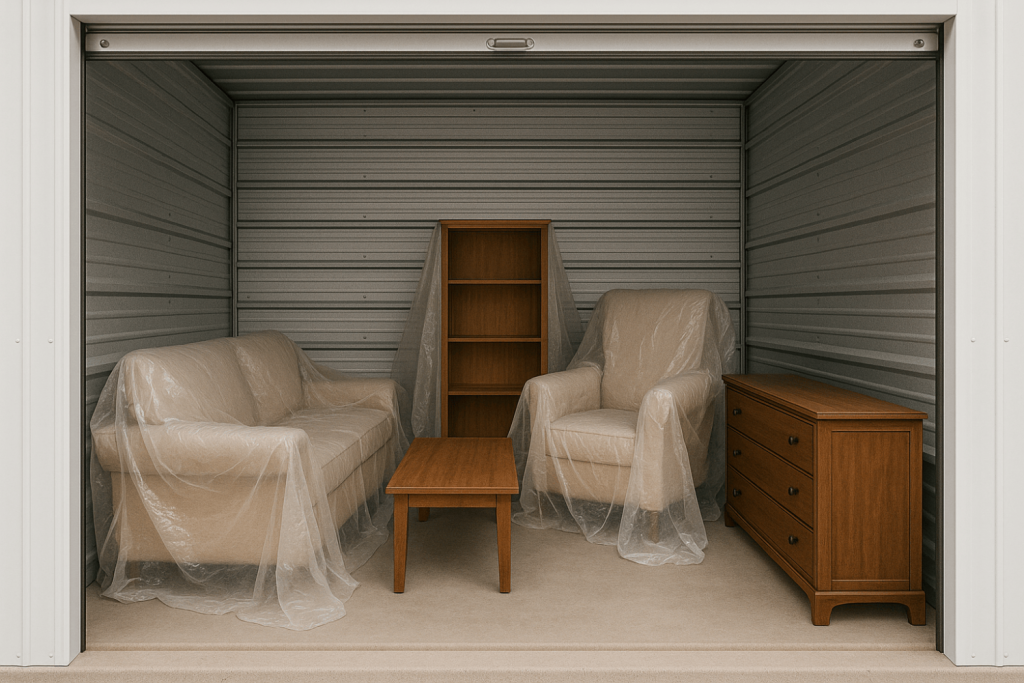
Are you worried about your furniture getting damaged while in a storage unit? You’re not alone.
Without the right protection, your valuable pieces can suffer scratches, stains, or even warping. But don’t let that stress you out. You’ll discover simple, effective ways to keep your furniture safe and looking like new. By following these easy tips, you’ll protect your investment and have peace of mind every time you open your storage unit.
Keep reading to learn how to shield your furniture from harm and make your storage experience worry-free.

Credit: m.facebook.com
Choosing The Right Storage Unit
Choosing the right storage unit is vital to keep your furniture safe and intact. The right unit protects your items from damage caused by temperature changes, moisture, and theft. Consider factors like climate control and security features before renting a space. This helps maintain the quality and value of your furniture over time.
Climate-controlled Options
Climate-controlled units keep the temperature and humidity steady. They prevent wood from cracking and metal from rusting. These units are perfect for delicate or antique furniture. They stop mold and mildew growth caused by damp conditions. Choose a climate-controlled unit in areas with extreme weather.
Security Features
Security is a key factor in protecting your furniture. Look for units with features like:
- 24/7 video surveillance
- Secure access gates
- Individual unit alarms
- On-site management
Good security reduces the risk of theft or vandalism. Always check the facility’s reputation and safety measures before choosing.
Preparing Furniture For Storage
Preparing your furniture properly before placing it in a storage unit can save you from costly damage and frustration later. It’s more than just moving things into a space; it’s about ensuring your belongings stay in the best condition possible. Careful preparation helps prevent scratches, warping, and other common issues caused by neglect or improper packing.
Cleaning And Maintenance
Start by giving each piece of furniture a thorough cleaning. Dust and dirt can cause scratches or stains when trapped under covers or in storage for long periods.
Use a soft cloth and appropriate cleaners—wood polish for wooden surfaces, mild soap and water for metal or plastic. Avoid harsh chemicals that might damage finishes.
Check for any loose screws, nails, or joints and tighten them. This prevents pieces from falling apart or becoming unstable while in storage.
Disassembly Techniques
Disassembling furniture reduces the risk of damage and makes moving easier. Take apart large items like beds, tables, and shelving units if possible.
Keep all hardware in labeled bags taped to the furniture or stored together. It will save you time and headaches during reassembly.
Make sure to note how pieces fit together—photos or sketches can help you remember the order and placement. Have you ever struggled to put a piece back together without instructions?
Packing Materials And Techniques
Packing materials and techniques play a vital role in protecting furniture during storage. Choosing the right supplies can prevent damage from dust, moisture, and scratches. Proper wrapping and padding keep items safe and stable over time.
Using quality materials also makes moving easier. Furniture stays clean and intact throughout the storage period. Let’s explore essential packing materials and how to use them effectively.
Protective Covers And Wraps
Protective covers shield furniture from dust, dirt, and moisture. Use breathable covers for wooden or fabric pieces to avoid trapping humidity. Plastic covers work well for short-term storage but can cause condensation over time.
- Furniture blankets or moving pads offer thick protection and prevent scratches.
- Stretch wrap keeps covers in place and secures loose parts.
- Use plastic wrap to protect table tops and delicate surfaces.
Wrap items tightly but avoid over-stretching. Cover all exposed surfaces to guard against damage.
Padding And Cushioning
Padding prevents dents and breaks during handling and storage. Soft materials absorb shocks and reduce pressure on fragile areas.
- Bubble wrap provides excellent cushioning for glass and delicate parts.
- Foam sheets protect against scratches and surface marks.
- Old blankets or towels can be used as extra padding.
Focus padding on corners, edges, and joints. Secure padding with tape or wrap to keep it in place.
Positioning Furniture In Storage
Positioning your furniture correctly in a storage unit can make a big difference in keeping it safe and intact. How you arrange each piece affects not only the space available but also the condition of your items over time. Thoughtful placement reduces damage risks and helps you access what you need without hassle.
Maximizing Space
Start by grouping furniture by size and shape to fill gaps efficiently. Place larger items like sofas and dressers against the walls to create a stable base. Stack lighter, smaller pieces on top, but avoid piling too high to prevent toppling.
Using vertical space wisely can double your storage capacity. Consider placing sturdy shelves or pallets under furniture to keep items off the floor and avoid moisture damage. Have you tried arranging chairs upside down on tables? It’s a great way to save room and protect legs.
Avoiding Pressure Points
Pressure points happen when heavy furniture rests on delicate parts, causing dents or breaks. To stop this, use padding such as blankets, foam, or bubble wrap under legs and corners. This simple step can prevent scratches and structural damage.
Don’t stack heavy items directly on soft surfaces like cushions or fabric-covered seats. Instead, distribute weight evenly and avoid leaning heavy pieces against fragile ones. Think about how pressure affects your furniture over weeks or months—could small dents turn into cracks?
Regular Checks And Maintenance
Regular checks and maintenance keep furniture safe in storage units. They stop small problems from growing into big damage. By checking often, you keep your items in good shape and ready to use when needed. Simple habits protect wood, fabric, and metal furniture from moisture, pests, and dirt.
Monitoring Humidity Levels
Humidity can harm furniture quickly. Wood can warp and crack. Fabric may develop mold or mildew. Use a small hygrometer to watch humidity inside the unit. Ideal levels stay between 30% and 50%. Place moisture absorbers or a dehumidifier inside the unit to control dampness. Check these devices regularly to keep them working well.
Inspecting For Pests And Damage
Pests like insects or rodents can ruin furniture. They leave holes, stains, and unpleasant odors. Look carefully at all furniture surfaces during visits. Check corners, under cushions, and hidden spots. Use natural repellents or pest traps if you find signs of pests. Also, watch for scratches, cracks, or loose parts. Fix small damage early to avoid costly repairs later.

Credit: www.instagram.com
Insurance And Documentation
Protecting furniture in a storage unit needs more than just physical care. Insurance and proper documentation play a vital role. They offer peace of mind and financial security. Knowing what items you store and having coverage details helps during unexpected events.
Inventory Lists
Create a detailed inventory list of your furniture. Write down each item’s description, condition, and value. Take clear photos from different angles. Use a spreadsheet or app to keep everything organized. This list acts as proof of ownership. It also speeds up claims if damage or loss occurs.
- Include manufacturer and model numbers if possible.
- Note any existing scratches or dents.
- Record purchase dates and prices.
- Update the list if you add or remove items.
Understanding Coverage
Check your insurance policy carefully. Know what types of damage or loss it covers. Some policies protect against fire and theft only. Others include water damage or natural disasters. Understand limits and exclusions to avoid surprises.
Consider extra insurance if your storage unit’s coverage is low. Ask about replacement cost versus actual cash value. Replacement cost pays to buy new items. Actual cash value pays the depreciated amount.
| Coverage Type | Description | Best For |
|---|---|---|
| Basic Coverage | Protects against fire and theft only | Low-value furniture |
| Extended Coverage | Includes water damage, storms, and vandalism | Valuable or antique furniture |
| Replacement Cost | Pays full amount to replace items | New or high-value items |
| Actual Cash Value | Pays depreciated value of items | Older furniture with less value |

Credit: www.instagram.com
Frequently Asked Questions
How Do I Prepare Furniture Before Storing It?
Clean all furniture thoroughly to remove dust and dirt. Disassemble large items to save space. Use protective covers like furniture blankets or plastic wrap to prevent scratches and moisture damage.
What Is The Best Way To Protect Wood Furniture In Storage?
Apply a coat of wax or polish to wood surfaces. Wrap wood furniture in breathable cloth covers to avoid moisture buildup. Avoid plastic covers directly on wood to prevent mold growth.
How Can I Prevent Mold On Stored Furniture?
Use moisture absorbers or silica gel packs inside the storage unit. Keep the storage unit well-ventilated and dry. Avoid placing furniture directly on the floor; use pallets or blocks instead.
Should I Cover Furniture With Plastic In Storage?
Plastic covers can trap moisture, causing damage. Use breathable fabric covers for protection. If plastic is necessary, ensure proper ventilation to prevent mold and mildew growth.
Conclusion
Protecting your furniture in a storage unit takes some simple steps. Cover items with cloth or plastic to avoid dust and scratches. Use pallets or boards to keep furniture off the floor. Choose a clean, dry storage unit to prevent damage from moisture.
Label boxes clearly to find your things easily later. Taking care now saves money and stress later. Your furniture will stay safe and ready for use. Small efforts make a big difference. Store smart, protect well, and enjoy peace of mind.