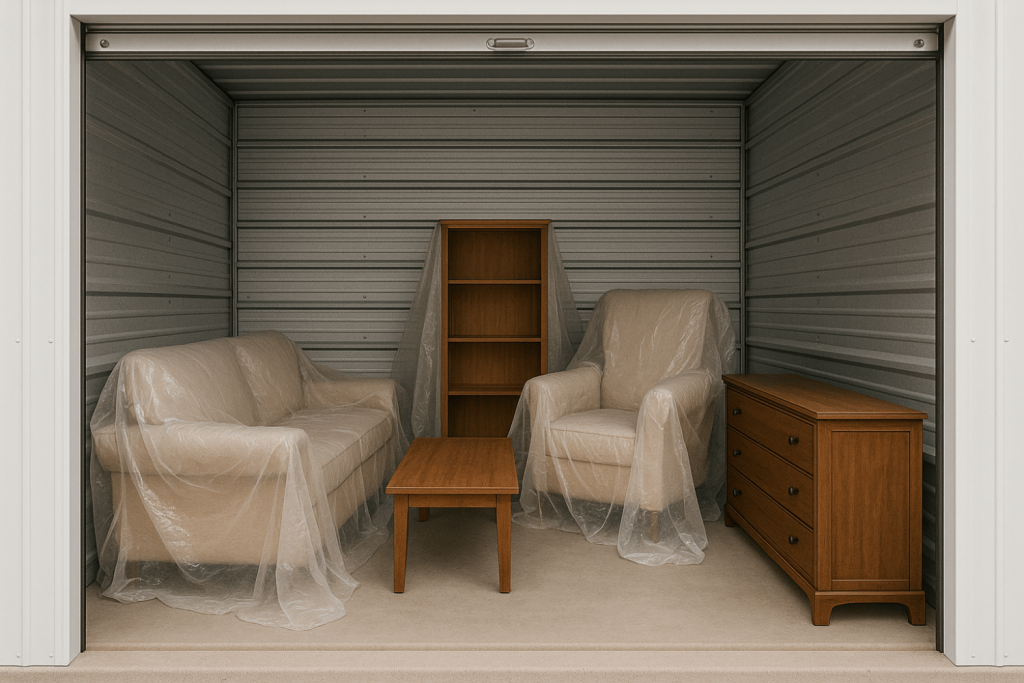
Are you planning to store your furniture but worried about damage or wear over time? Knowing how to preserve your furniture in storage can save you a lot of stress and money later.
Imagine opening your storage unit months from now to find your favorite chair scratched, stained, or even moldy. That’s a nightmare you can easily avoid. You’ll discover simple, practical steps to protect your furniture and keep it looking fresh. Keep reading to learn how to make sure your valuable pieces stay safe and ready to use whenever you need them.
Choosing The Right Storage Unit
Choosing the right storage unit plays a key role in keeping furniture safe and sound. The unit must protect against damage from weather, pests, and theft. It also needs to maintain the furniture’s condition over time. Factors like temperature, humidity, and security affect furniture preservation. Picking the best unit depends on these considerations.
Climate-controlled Options
Climate-controlled units keep temperature and humidity steady. This prevents wood from warping or cracking. It stops metal parts from rusting. Fabric and leather stay fresh without mold or mildew. Such units are perfect for delicate or antique furniture.
These units usually have:
- Heating and cooling systems
- Dehumidifiers
- Ventilation to circulate air
Choosing climate control reduces furniture damage caused by weather changes.
Security Considerations
Security keeps your furniture safe from theft or vandalism. Look for storage units with strong locks and gated access. Surveillance cameras add extra protection. Some facilities offer individual alarms on units.
Good security features include:
- 24/7 video monitoring
- On-site staff or guards
- Well-lit premises
- Controlled entry and exit points
A secure unit gives peace of mind and protects your investment.

Credit: www.instagram.com
Preparing Furniture For Storage
Preparing furniture for storage is essential to keep it safe and in good shape. Proper preparation stops damage from dust, moisture, and pests. It also makes moving easier and prevents wear during storage. Focus on cleaning and maintenance first. Then, consider disassembly to save space and protect parts.
Cleaning And Maintenance
Start by wiping all surfaces with a soft, dry cloth. Remove dust and dirt gently to avoid scratches. Use a mild cleaner for sticky spots, but test it on a small area first. Leather and wood need special care. Apply polish or conditioner to keep them from drying out.
Check for loose screws or wobbly legs. Tighten or fix these before storage. Avoid storing furniture with wet or damp spots. Moisture can cause mold and damage over time. Let the pieces dry completely before packing.
Disassembly Techniques
Disassemble large furniture to save space and protect fragile parts. Remove legs, shelves, and drawers carefully. Keep screws, bolts, and small parts in labeled bags. Tape these bags to the matching furniture piece.
Use blankets or bubble wrap to cover sharp edges and delicate surfaces. This prevents scratches and dents during storage. Keep the furniture parts organized to make reassembly easy later. Avoid forcing pieces apart to prevent damage.
Packing Materials And Methods
Packing your furniture properly before storage can make a huge difference in how well it stays preserved. Using the right materials and techniques protects your pieces from dust, moisture, and scratches. Let’s look at how protective covers and padding can safeguard your furniture during storage.
Protective Covers
Choosing the right protective cover is key to keeping your furniture safe. Avoid using plastic sheets that trap moisture and can cause mold. Instead, opt for breathable fabric covers or specially designed furniture covers that allow air circulation while keeping dust out.
If you have wooden furniture, wrapping it in cotton sheets or moving blankets prevents scratches without suffocating the wood. For upholstered items, use a fitted cover or a breathable furniture bag to protect from dirt and pests.
Have you ever found your stored furniture smelling musty? Proper covers reduce this risk by preventing moisture build-up. Check covers regularly and replace any that look worn or damp to maintain protection.
Padding And Wrapping
Padded wrapping adds an extra layer of defense against bumps and knocks during handling and storage. Bubble wrap is popular, but it’s best used with a layer of paper or fabric to avoid plastic sticking to surfaces.
For delicate parts like table legs or chair arms, foam padding or moving blankets provide cushioning. Wrap these areas carefully and secure with tape that won’t damage finishes.
Using corrugated cardboard sheets between stacked furniture can prevent scratches and dents. When wrapping, think about each piece’s shape and weak points—customize your padding to fit those needs.
What’s the most fragile item you’ve stored? Tailoring your wrapping method to the item’s unique features can save you from costly repairs later.
Organizing Furniture In Storage
Organizing your furniture in storage is more than just stacking items. It’s about creating a system that protects your belongings and makes retrieval simple. How you arrange your furniture can impact its condition and your peace of mind.
Strategic Placement
Place heavier pieces at the bottom to avoid crushing lighter items. Keep delicate furniture like glass tables or upholstered chairs away from high-traffic zones to prevent accidental damage.
Think about accessibility. Store items you’ll need first near the front. This saves time and effort when you return for specific pieces.
Use protective padding between furniture to reduce scratches. Blankets or foam work well and prevent surfaces from rubbing against each other.
Space Management
Maximize your storage space by using vertical areas. Stack sturdy items like drawers or dressers and place flat surfaces on top.
Disassemble large furniture if possible. Removing legs or detachable parts can reduce the footprint and make it easier to fit more items.
Label boxes and smaller pieces clearly. This helps you avoid unnecessary unpacking and keeps your storage organized.
- Use furniture covers to shield from dust and moisture.
- Leave small gaps between items for air circulation.
- Consider shelving units to keep smaller pieces off the floor.
Preventing Damage Over Time
Keeping your furniture safe over time in storage means more than just finding a spot and leaving it there. Damage can creep in slowly, often unnoticed, but with the right care, you can stop it before it starts. Let’s look at how controlling your environment and checking in regularly can protect your pieces.
Humidity Control
Furniture, especially wood, reacts strongly to moisture. Too much humidity causes wood to swell and warp, while too little can make it crack and dry out.
Using a dehumidifier or moisture absorbers in your storage area helps keep humidity stable. Aim for a level between 40% and 60% to protect your furniture’s shape and finish.
Have you considered how even small changes in moisture might affect your heirloom dresser? Keeping humidity in check can save you from costly repairs later.
Regular Inspections
Checking your furniture often is key to catching problems early. Look for signs like discoloration, mold, loose joints, or pest damage.
Set a schedule to inspect your storage items every few weeks. A quick look can spot issues before they worsen.
Remember, your furniture can’t tell you when it’s suffering — you have to be the first to notice. How might a small crack or stain go unnoticed if you don’t look closely?
Handling Special Furniture Types
Handling special furniture types in storage requires extra care and attention. These pieces often have unique materials or sentimental value that make standard storage methods risky. Understanding how to protect antiques, heirlooms, metal, and wooden furniture helps keep them safe and in great condition over time.
Antiques And Heirlooms
Antiques and heirlooms carry history and memories, so preserving their integrity is crucial. Wrap them gently in acid-free tissue paper or cotton sheets to prevent scratches and moisture damage.
Avoid plastic covers that trap humidity and cause mold growth. Instead, use breathable furniture covers to allow air circulation.
Place these items off the floor on pallets or shelves to protect them from dampness. You might want to add silica gel packs nearby to control humidity.
Have you checked your storage space for temperature fluctuations? Antiques react badly to extreme heat or cold, which can cause wood to crack or finishes to peel.
Metal And Wooden Pieces
Metal furniture can rust if exposed to moisture, so a dry environment is a must. Before storage, wipe metal parts with a cloth dipped in a mixture of water and vinegar to remove any dirt or rust spots.
Apply a thin coat of oil or wax to protect the metal surfaces. This simple step prevents oxidation during long storage periods.
Wooden pieces need similar protection but with a focus on moisture and pests. Clean wood surfaces with a mild soap solution, then dry thoroughly.
Use furniture wax or polish to add a protective layer that keeps moisture out and maintains the wood’s natural shine. Avoid storing wood in direct sunlight or near heating vents to prevent warping.
Have you ever tried placing cedar blocks or lavender sachets near your wooden furniture? These natural repellents help keep insects away without harmful chemicals.
Retrieving Furniture Safely
Retrieving furniture safely from storage requires careful attention. The goal is to avoid damage and maintain the furniture’s condition. Proper handling during unpacking and reassembly is key. Taking time and following clear steps helps protect your investment and keeps furniture ready for use.
Unpacking Procedures
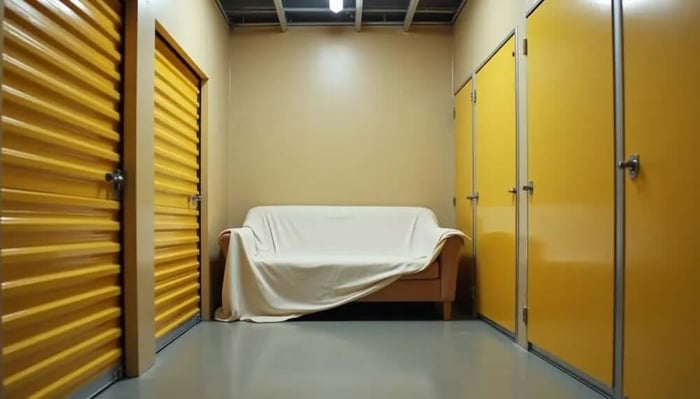
Start by clearing enough space around the storage area. Remove any dust or debris from the storage unit floor. Gently take off protective coverings like blankets or plastic wrap. Avoid using sharp tools that might scratch the furniture surface.
Check each piece for any signs of damage before moving it. Lift items carefully using proper body mechanics to prevent injury. Place furniture on soft surfaces to avoid scratches. Keep small parts and hardware in labeled bags to avoid loss.
Reassembly Tips
Organize all parts and tools before starting reassembly. Follow any original instructions or manuals closely. Use the right tools to avoid stripping screws or damaging joints. Tighten screws and bolts firmly but do not over-tighten.
Work on a flat, clean surface to keep parts stable. Check each connection for stability as you go. Test moving parts like drawers or hinges to ensure smooth operation. Take your time; rushing can cause mistakes or damage.

Credit: m.facebook.com
Credit: www.storagestar.com
Frequently Asked Questions
How Do I Prepare Furniture Before Storage?
Clean the furniture thoroughly and allow it to dry. Apply a protective finish or wax for wooden pieces. Remove cushions and store them separately in breathable bags to prevent mold and mildew during storage.
What Type Of Storage Is Best For Furniture?
Climate-controlled storage units are ideal as they prevent extreme temperature and humidity changes. Avoid damp or unventilated spaces to protect furniture from warping, cracking, and mold growth.
How Should I Cover Furniture In Storage?
Use breathable furniture covers or cotton sheets to protect from dust. Avoid plastic covers as they trap moisture, leading to mold and damage over time.
Can I Store Furniture Outdoors Safely?
Storing furniture outdoors is not recommended unless it’s specifically designed for outdoor use. Exposure to weather can cause damage, fading, and deterioration of materials.
Conclusion
Proper care keeps your furniture safe and durable in storage. Clean and dry each piece before storing. Use covers to protect against dust and moisture. Place furniture off the ground to avoid water damage. Check on your items regularly to catch issues early.
Small steps today save big repairs later. Preserve your furniture well and enjoy it for years. Simple actions make a big difference in storage success.