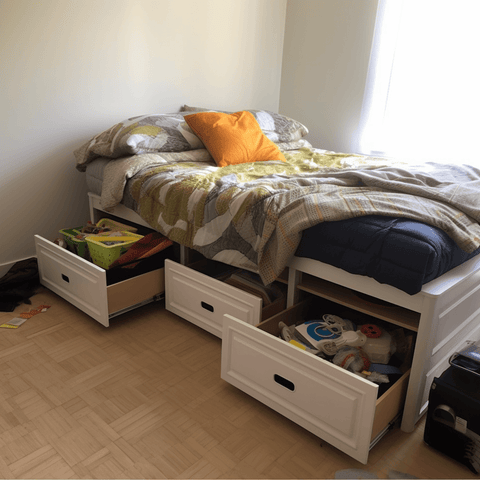
Are you facing the challenge of storing your furniture without damaging it or wasting space? Whether you’re moving, downsizing, or just need extra room, knowing how to put furniture in storage the right way can save you time, money, and stress.
Imagine opening your storage unit later and finding your favorite sofa or dining table just as perfect as when you packed it. This guide will show you simple, practical steps to protect your furniture and make the most of your storage space.
Keep reading to discover how easy it is to keep your furniture safe and ready for the future.
Choosing The Right Storage Facility
Choosing the right storage facility can make a huge difference in how well your furniture is preserved. You want a place that protects your belongings from damage while offering easy access when you need it. It’s not just about space; it’s about safeguarding your investment with the right conditions and security.
Climate Control Options
Furniture can be sensitive to temperature changes and humidity. Wood may warp, leather can crack, and fabrics might develop mold if exposed to extreme conditions. Selecting a storage unit with climate control helps maintain a steady environment, preventing these issues.
Think about where you live. Are summers hot and humid? Winters cold and dry? A climate-controlled unit adjusts temperature and moisture levels to protect your furniture from these swings.
Many facilities offer units with HVAC systems or dehumidifiers. These features keep the air dry and cool, reducing the risk of damage. Would you trust your valuable furniture to a place without these protections?
Security Features
Security should be a top priority when picking a storage facility. You don’t want to worry about theft or vandalism while your furniture sits there. Look for facilities with strong measures in place.
Good security includes surveillance cameras, gated access, and on-site staff. Some places even require personalized entry codes or fingerprint scans. These layers of protection can give you peace of mind.
Visit the facility during off-hours to see how secure it feels. Is the gate always locked? Are security guards visible? Your furniture deserves a safe home, not just any available space.
Preparing Furniture For Storage
Preparing furniture for storage is key to keeping it safe and in good shape. Proper preparation prevents damage from dust, moisture, and pests. It also makes furniture easier to move and store.
Start by cleaning and maintaining the pieces. Then, disassemble larger items to save space and protect joints. These steps help extend the life of your furniture during storage.
Cleaning And Maintenance
Remove dirt and dust with a soft cloth or vacuum. Use gentle cleaners suitable for the furniture’s material. Avoid harsh chemicals that can damage finishes.
Check for stains or sticky spots and treat them promptly. Polish wooden surfaces to keep them hydrated. Tighten loose screws and fix minor damage before storing.
Disassembling Furniture
Take apart large pieces like beds, tables, and shelves. Keep screws, bolts, and small parts in labeled bags. This prevents losing parts and eases reassembly.
Wrap delicate pieces in blankets or bubble wrap. Protect edges and corners with padding. Disassembled furniture stacks better and reduces the risk of damage.
Packing Techniques
Packing furniture for storage requires care and smart techniques. Proper packing protects your items from dust, moisture, and damage. Using the right materials and organizing your packing process saves time and effort later. Focus on wrapping, cushioning, and labeling to keep everything safe and easy to find.
Using Protective Materials
Start with soft blankets or moving pads to cover large surfaces. Wrap fragile parts with bubble wrap or foam sheets. Use plastic wrap to keep dust and moisture away. Avoid using newspapers as they can stain furniture. Secure materials with packing tape without sticking it directly to furniture.
- Blankets for large surfaces
- Bubble wrap for fragile parts
- Plastic wrap to block dust and moisture
- Foam sheets for extra cushioning
- Packing tape for securing wraps
Labeling And Inventory
Label each piece clearly with a marker or stickers. Note the contents and the room it belongs to. Create an inventory list with item details and storage location. This helps find items quickly without unpacking everything. Use simple labels and keep the list updated as you pack.
- Write item name and room
- Note fragile or special care needs
- Keep an updated inventory list
- Use clear, readable labels
- Store the list in a safe place
Credit: www.arvfurnitureblog.com
Organizing Storage Space
Organizing your storage space effectively can transform a cluttered, chaotic area into a neat, accessible one. It’s not just about fitting everything in, but making sure you can find what you need without hassle. A well-organized storage space saves time, reduces stress, and protects your furniture from damage.
Maximizing Space Efficiency
Think vertically and use every inch of available space. Tall shelving units and stackable containers help you use height instead of just floor area.
Disassemble bulky furniture like bed frames or tables to reduce size. This frees up more room and makes stacking easier.
Use vacuum bags for soft items like cushions or bedding to shrink their volume. These small tricks can add surprising extra space in your storage unit.
Strategic Placement Of Items
Place frequently used furniture near the front of your storage space. This way, you don’t have to move many items to reach what you need.
Group similar items together—chairs with chairs, tables with tables. It makes locating pieces faster and prevents unnecessary shifting.
Label boxes and furniture covers clearly. Imagine opening your storage and instantly knowing where everything is. Wouldn’t that save you a lot of frustration?
Preventing Damage
Preventing damage is the key to keeping your furniture looking great while in storage. Without proper care, moisture, pests, and temperature changes can cause serious harm. Taking a few smart steps now saves you from costly repairs or replacements later.
Managing Temperature And Humidity
Extreme temperatures and humidity swings are furniture’s worst enemies. Wood can crack or warp, and fabric may develop mold or mildew if conditions aren’t stable. Aim to keep your storage space between 60-75°F (15-24°C) with relative humidity around 40-50%.
Using a dehumidifier or air conditioner can help control moisture. If you don’t have climate control, try moisture-absorbing packets or silica gel packs near your items. Have you checked the humidity level in your storage unit lately?
Avoiding Pest Infestation
Pests like rodents and insects love hiding inside stored furniture. They can chew through wood, upholstery, and even wiring. Before storing, clean your furniture thoroughly and cover it with breathable furniture covers or sheets.
Seal any gaps or holes in your storage unit to keep pests out. You might also place natural repellents like cedar blocks or lavender sachets nearby. How confident are you that your storage space is pest-proof?

Credit: www.livingcozy.com
Accessing Stored Furniture
Accessing your stored furniture can be a straightforward task if you prepare properly. The key is to keep your items organized and check on them regularly. This helps prevent damage and saves you time when you need to retrieve something.
Regular Inspections
Check your storage unit at least once a month. Look for signs of moisture, pests, or dust buildup. Catching these issues early protects your furniture from lasting damage.
Take photos during each visit to track any changes over time. This simple habit helped me spot a small leak before it ruined a wooden chair. What small problems might go unnoticed in your storage space?
Retrieval Tips
Label boxes and cover furniture with breathable covers to make identification easy. Keep a detailed inventory list outside the unit for quick reference.
- Clear a path inside the storage unit to access items without moving everything around.
- Use dollies or carts for heavy pieces to avoid injury.
- Plan your retrieval in advance—know exactly what you need and where it is located.
These steps reduce the risk of accidentally damaging your furniture or other stored items. Have you ever struggled to find something only to realize it was hidden behind other boxes? Staying organized can save you that frustration.

Credit: www.jakarta-apartment.net
Frequently Asked Questions
How Should I Prepare Furniture Before Storage?
Clean and dry furniture thoroughly before storing. Disassemble large pieces to save space. Wrap items in breathable covers to protect from dust and moisture.
What Is The Best Way To Protect Wood Furniture In Storage?
Use furniture polish or wax to protect wood surfaces. Cover with breathable fabric to prevent scratches. Avoid plastic wraps as they trap moisture and cause damage.
How Can I Prevent Mold On Stored Furniture?
Store furniture in a dry, well-ventilated area. Use moisture absorbers or silica gel packets nearby. Regularly check and air out storage space to reduce humidity levels.
Should I Disassemble Furniture Before Storing?
Yes, disassembling saves space and reduces damage risk. Keep all screws and parts in labeled bags. Wrap sharp edges to avoid scratches during storage.
Conclusion
Storing furniture takes careful thought and simple steps. Choose a dry, clean space to protect your items. Cover pieces to keep dust and dirt away. Place heavier items on the bottom and lighter ones on top. Check your storage regularly for any signs of damage.
With these tips, your furniture will stay safe and ready for use. A little effort now saves headaches later. Keep it simple, stay organized, and your furniture will last longer.