
Are you wondering how much furniture storage will cost you? Whether you’re moving, renovating, or just need extra space, knowing the right price can save you money and stress.
You’ll discover the key factors that affect furniture storage costs, so you can make smart decisions without surprises. Keep reading to find out how to get the best value for your storage needs and protect your belongings without breaking the bank.

Credit: www.amazon.ca
Factors Influencing Furniture Storage Costs
Understanding the factors that influence furniture storage costs can help you make smarter decisions and avoid unexpected expenses. These factors vary widely, so it’s important to consider what fits your specific needs and budget. Let’s break down the key elements that can affect how much you’ll pay.
Size And Type Of Storage Unit
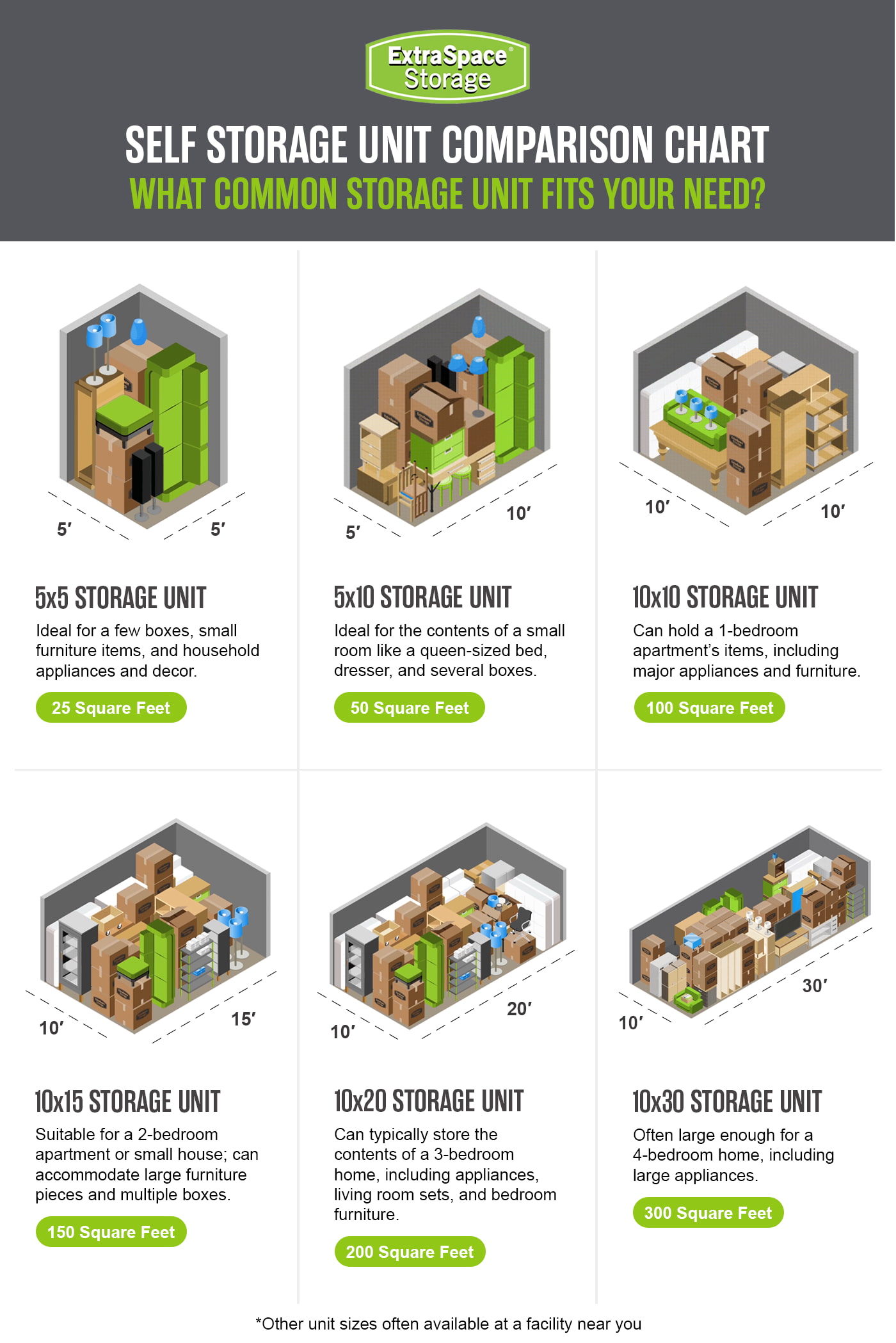
The size of your storage unit plays a huge role in pricing. Larger units naturally cost more because they offer more space for your furniture. But beyond size, the type of unit matters too—climate-controlled units usually come at a higher price but protect your furniture better from humidity and temperature changes.
Think about the amount and type of furniture you have. Bulky items like sofas or dining tables need more room, while smaller pieces might fit in compact units. Choosing the right size prevents you from paying for unused space.
Duration Of Storage
How long you plan to store your furniture directly impacts the cost. Most facilities offer discounts for long-term rentals, so storing your items for several months can reduce the monthly rate. On the flip side, short-term storage often comes with higher fees, reflecting the flexibility and convenience.
Ask yourself: Is this a temporary solution during a move, or are you storing items for years? Knowing your timeline helps you negotiate better rates or select a payment plan that suits your needs.
Location Of Storage Facility
Location affects price more than many realize. Storage units in urban or high-demand areas typically cost more than those in suburban or rural settings. This is due to higher property costs and greater demand for space.
Consider how accessible you need the storage to be. If you visit frequently, paying a bit more for convenience might be worth it. But if you only need to store items long-term without regular access, a facility farther away can save money.
Additional Services Offered
Extra services can add value but also increase your costs. Some facilities offer packing supplies, moving assistance, or enhanced security features like cameras and gated access. These perks come with extra fees but can save you time and provide peace of mind.
Evaluate which services matter most to you. If you want hassle-free storage, paying for these extras might be a smart investment. But if you’re comfortable managing packing and security yourself, skipping them can keep costs down.
Credit: www.extraspace.com
Types Of Furniture Storage Solutions
Choosing the right furniture storage solution depends on space, budget, and convenience. Various options suit different needs and furniture types. Understanding each type helps make a smart decision.
Self-storage Units
Self-storage units offer a secure, private space for your furniture. Sizes range from small lockers to large rooms. Renters access their units anytime during business hours. These units protect furniture from weather and theft. Prices vary based on location and unit size. They suit people needing long-term or flexible storage.
Portable Storage Containers
Portable storage containers deliver furniture storage directly to your home. You pack your items at your pace. The company picks up the container and stores it in a secure facility. This option adds convenience and reduces moving stress. Costs depend on container size and rental duration. Ideal for short-term storage and moves.
Full-service Storage Options
Full-service storage includes packing, pickup, storage, and delivery. Professionals handle all furniture carefully. This option saves time and effort. It costs more than self-storage or portable containers. Perfect for busy people or those with heavy or delicate furniture. Offers peace of mind with professional care.
Cost-saving Tips For Furniture Storage
Saving money on furniture storage requires smart choices. Small changes can lower your bill significantly. Focus on planning and timing to reduce costs.
Knowing how to choose the right storage and when to pay less helps a lot. Use these tips to keep your furniture safe without overspending.
Choosing The Right Storage Size
Select a unit that fits your furniture exactly. Too large a space means paying for empty area. Too small means damage or extra costs later.
Measure your items carefully before renting. List all pieces to understand total space needed. Some storage places offer size guides or calculators. Use these tools to pick the best size.
Negotiating Storage Rates
Ask for discounts or special offers. Many facilities are open to negotiation, especially for long-term rentals. Mention competitors’ prices to get a better deal.
Try to speak directly with the manager. Polite requests can lead to reduced fees. Payment upfront or longer contracts often attract lower rates.
Utilizing Seasonal Discounts
Storage prices often drop during off-peak months. Winter and late fall usually have lower demand. Plan your storage needs around these times to save money.
Watch for promotions during holidays or year-end sales. Sign up for newsletters to get alerts on deals. Acting fast on discounts can reduce your cost substantially.

Credit: www.thetransporter.in
Comparing Storage Providers
Choosing the right furniture storage provider can make a big difference in both your budget and peace of mind. It’s not just about finding the cheapest option but understanding what you get for your money. Comparing providers helps you spot hidden fees, gauge reliability, and ensure your furniture stays safe.
Evaluating Pricing Structures
Different storage companies use various pricing models. Some charge by the square foot, while others have flat monthly rates or tiered pricing based on access frequency.
Watch out for extra costs like insurance, administration fees, or penalties for early termination. One time, I picked a provider with a low monthly rate but later paid much more due to high insurance fees. Don’t hesitate to ask for a full breakdown before committing.
Assessing Customer Reviews
Reading what other customers say can reveal more than any advertisement. Look for comments on punctuality, customer service, and how well the furniture was handled.
Negative reviews about damaged items or poor communication are red flags. On the other hand, consistent praise for responsiveness and care usually means you’ll be in good hands. Have you checked reviews beyond the provider’s website?
Considering Facility Security Features
Security is crucial when storing valuable furniture. Check if the facility has surveillance cameras, gated access, and on-site personnel.
Some places offer individual unit alarms or climate control to prevent damage. My own experience taught me that paying a bit more for a secure, climate-controlled unit saved my vintage furniture from mold and theft. What security features matter most to you?
Budget-friendly Alternatives
Furniture storage can quickly become expensive, especially if you need space for bulky or multiple items. However, there are budget-friendly alternatives that help you save money without sacrificing convenience or security. These options let you manage your storage needs creatively and practically.
Sharing Storage Space
Have you considered splitting storage costs with friends or family? Sharing a storage unit reduces your monthly fee significantly. It’s a smart way to store seasonal furniture or items you don’t use often.
Make sure to discuss access rules and responsibilities upfront. Clear agreements prevent misunderstandings and keep your belongings safe. Plus, you might discover new ways to organize your shared space efficiently.
Diy Storage Solutions
You don’t always need to rent a unit. Creating your own storage space at home can be surprisingly effective and cheap. Think about unused corners, under-bed areas, or even vertical shelving in your garage.
Building simple shelves or using heavy-duty bins can protect your furniture without extra rental costs. Have you tried repurposing old pallets or crates for storage? These ideas can keep your items accessible and secure at a fraction of the price.
Using Community Resources
Look around your neighborhood for free or low-cost storage options. Churches, community centers, and local businesses sometimes offer temporary storage for residents. This can be especially helpful if you only need storage for a short period.
Libraries and local schools occasionally have bulletin boards or online groups where people post storage-sharing opportunities. Are you tapping into your community’s hidden resources? It’s a great way to find affordable storage without searching far and wide.
Preparing Furniture For Storage
Preparing your furniture properly before storage can save you from costly damages and extra expenses later on. Taking a little extra time now ensures your items stay in great condition throughout their stay in storage. How you care for your furniture at this stage directly affects the overall cost and hassle involved when retrieving your pieces.
Cleaning And Protecting Items
Start by thoroughly cleaning each piece. Dust, dirt, and grime can cause stains or scratches over time. Use gentle cleaners suitable for the furniture material to avoid damage.
Protect your items with covers or blankets designed for storage. Avoid plastic wraps that can trap moisture and promote mold growth. Instead, breathable fabrics like cotton sheets help keep moisture away.
Disassembling Furniture
Taking apart large furniture can make storage easier and reduce the risk of damage. Remove legs from tables or sofas, and take apart bed frames if possible. Keep screws and small parts in labeled bags to avoid losing them.
Disassembly also saves space, which can lower your storage costs by requiring a smaller unit. Think about your furniture’s shape and size—does it fit best whole or taken apart?
Labeling And Inventory Management
Keep track of every item you store by labeling them clearly. Use tags or stickers with descriptions and room locations. This helps you find what you need without unpacking everything.
Creating an inventory list with photos can be a lifesaver. It gives you a snapshot of what’s stored and prevents unnecessary trips to the storage unit. What’s more frustrating than searching for a single chair among dozens of boxes?
Frequently Asked Questions
How Much Does Furniture Storage Typically Cost?
Furniture storage costs vary from $50 to $300 per month. Prices depend on unit size, location, and storage duration. Climate-controlled units usually cost more. Additional fees may apply for insurance and access. Always compare local storage facilities for the best rates.
What Factors Affect Furniture Storage Prices?
Storage prices depend on unit size, location, and climate control. Duration of storage also impacts cost. Accessibility and security features may increase fees. Seasonal demand can influence prices too. Understanding these factors helps choose the best storage option.
Are Climate-controlled Units More Expensive For Furniture Storage?
Yes, climate-controlled units usually cost 20-30% more. They protect furniture from humidity and temperature changes. This prevents damage like warping or mold. For valuable or sensitive items, climate control is worth the extra cost.
Can I Reduce Furniture Storage Costs Effectively?
You can reduce costs by choosing the right unit size. Opt for non-climate-controlled units if climate isn’t a concern. Look for discounts or long-term rental deals. Properly packing furniture can also save space and money.
Conclusion
Furniture storage costs vary based on size, location, and duration. Small units cost less than large ones. Urban areas usually charge higher fees. Short-term storage can save money if planned well. Always compare prices before deciding. Think about access needs and security features.
Budgeting helps avoid surprises later. Choose a storage option that fits your needs and wallet. Planning ahead makes the process easier and less stressful. Storage keeps your furniture safe until you need it again.