
Are you wondering how much it costs to put your furniture into storage? Whether you’re moving, renovating, or just need extra space, knowing the true cost can help you plan better and avoid surprises.
You might think it’s just about renting a unit, but there are other factors that can affect the price. You’ll discover all the key costs involved, so you can make smart decisions and save money. Keep reading to find out exactly what to expect before you store your furniture.
Factors Affecting Storage Costs
Understanding the factors that influence the cost of storing furniture helps you make smarter decisions and avoid unexpected expenses. Storage fees vary widely depending on several key elements. Knowing what affects these costs can help you choose the right unit and manage your budget effectively.
Storage Unit Size
The size of the storage unit directly impacts the price. Larger units cost more because they offer more space for your furniture. Think about how many pieces you need to store and their dimensions—does your sofa fit in a 5×5 unit, or do you need a 10×10?
Choosing a unit that’s too big wastes money. Too small, and you risk damaging your items by squeezing them in. Measure your furniture and estimate the space needed before booking.
Storage Duration
How long you plan to keep your furniture in storage affects the total cost. Most facilities charge monthly rates, so storing for six months costs roughly double compared to three months. Some places offer discounts for long-term rentals—do you know if you qualify?
Short-term storage might seem cheaper initially, but frequent moves in and out can add up. Consider your timeline carefully to find a balance between duration and cost.
Location Impact
Storage prices vary based on location. Units in urban areas or high-demand neighborhoods tend to be pricier than those in suburban or rural settings. For example, a storage unit in New York City will likely cost more than one in a small town.
Think about accessibility versus cost. Is it worth paying extra for a nearby unit, or can you manage with a location a little farther away? Your choice here could save or cost you hundreds.
Climate Control Options
Climate-controlled units protect your furniture from extreme temperatures and humidity. This feature is crucial for wooden or antique furniture that can warp, crack, or mildew. Expect to pay more for climate control, but ask yourself if the protection is worth the extra cost.
If your furniture is durable and you live in a mild climate, you might skip this option. However, in hot, humid, or very cold areas, climate control can save you money in the long run by preventing damage.
Access Frequency
How often you access your storage unit can influence the price or your convenience. Some facilities charge extra for 24/7 access or require you to visit during limited hours. If you plan to retrieve items regularly, make sure the access policy fits your schedule.
Ask yourself: Will you need to check your furniture monthly, or will it sit untouched? Choosing a unit with flexible access might cost more but save frustration down the line.
Types Of Storage Units
Choosing the right storage unit is key to protecting your furniture. Each type offers different features and pricing. Understanding these options helps you decide what fits your needs best.
Self-storage Units
Self-storage units are popular for furniture storage. They come in various sizes and allow easy access. Most facilities have security cameras and gated entry. Prices vary by size and location. You can rent for a short or long term.
Mobile Storage Containers
Mobile storage containers deliver convenience. The container is dropped at your place for loading. After loading, it is taken to a storage site. This option saves moving costs and effort. It suits those who want flexible timing.
Warehouse Storage
Warehouse storage offers large space for bulk items. Furniture is stored indoors in a secure area. This option is good for businesses or large collections. Warehouses often have climate control to protect wood and fabric. Costs depend on size and security level.
Specialty Furniture Storage
Specialty furniture storage is designed for valuable or delicate pieces. It may include climate control and extra padding. Staff handle items with care to avoid damage. This type costs more but ensures better protection. Ideal for antiques or high-end furniture.
Average Cost Breakdown
Understanding the average cost of storing furniture helps plan your budget well. Costs depend on the size of the storage unit and the location. Prices vary across regions but generally follow a common pattern. This breakdown shows typical prices for small, medium, and large units. It gives a clear idea of what to expect.
Small Units Pricing
Small storage units usually measure about 5×5 to 5×10 feet. They fit a few boxes or small pieces of furniture like chairs or side tables. The average monthly price ranges from $30 to $60. These units suit people with limited items or short-term storage needs.
Medium Units Pricing
Medium units often measure 10×10 feet. They can hold furniture from a one-bedroom apartment. Prices typically fall between $70 and $120 per month. This size works well for storing sofas, beds, and dressers. It balances space and cost effectively.
Large Units Pricing
Large storage units measure 10×20 feet or more. They fit furniture from a large home or multiple rooms. Monthly costs usually range from $150 to $300. Ideal for long-term storage or larger collections of furniture. Offers plenty of space without crowding.

Credit: www.angi.com
Additional Fees To Consider
Additional fees often affect the total cost of storing furniture. These charges vary by storage facility and service type. Knowing about these fees helps you plan your budget better. Here are some common extra costs to expect.
Insurance Costs
Insurance protects your furniture against damage or theft. Some facilities include basic coverage, but it may not cover full value. You might need to buy extra insurance for better protection. Check what the storage facility offers before deciding.
Access Fees
Some storage places charge fees to enter your unit outside regular hours. Others may limit free access days or times. Extra visits could mean extra payments. Confirm the facility’s access rules to avoid surprises.
Deposit And Administrative Fees
Many storage units require a deposit when you rent. This deposit holds your space and may be refundable. Administrative fees cover paperwork and setup costs. These fees add to your first payment.
Late Payment Charges
Paying after the due date often triggers late fees. These fees can increase quickly if you delay payment. Some facilities charge a daily penalty. Staying on time saves money and stress.
Tips To Save On Storage Costs
Storing furniture can quickly add up in cost if you’re not careful. But there are smart ways to keep your storage bills manageable without sacrificing convenience or safety. By making a few thoughtful choices, you can save money and avoid paying for space you don’t need.
Declutter Before Storing
Take a close look at your furniture and decide what you really need to store. Do you have old chairs or tables gathering dust that could be sold, donated, or discarded?
Removing unnecessary items lowers the amount of space required, directly cutting your storage costs. Plus, fewer items mean less packing hassle and less risk of damage.
Choose Off-peak Seasons
Storage units tend to be cheaper during off-peak times. Have you ever noticed prices spike in summer or at the end of the month? That’s because demand goes up.
Booking your unit during quieter months, like winter or mid-month, can save you a significant amount. Ask the facility about seasonal discounts or deals—they often have promotions you might miss otherwise.
Negotiate Contracts
Don’t just accept the sticker price—ask if there’s room for negotiation. Many storage facilities expect this and may offer discounts for longer-term rentals or upfront payments.
Try mentioning competitors’ prices or ask about referral discounts. You’d be surprised how often a simple conversation can lower your monthly rate.
Use Proper Packing Techniques
Efficient packing can reduce the space your furniture occupies. Wrapping items tightly and using stackable containers helps maximize your unit’s capacity.
Consider disassembling larger pieces to save room. Proper packing protects your furniture and might allow you to rent a smaller, less expensive unit.
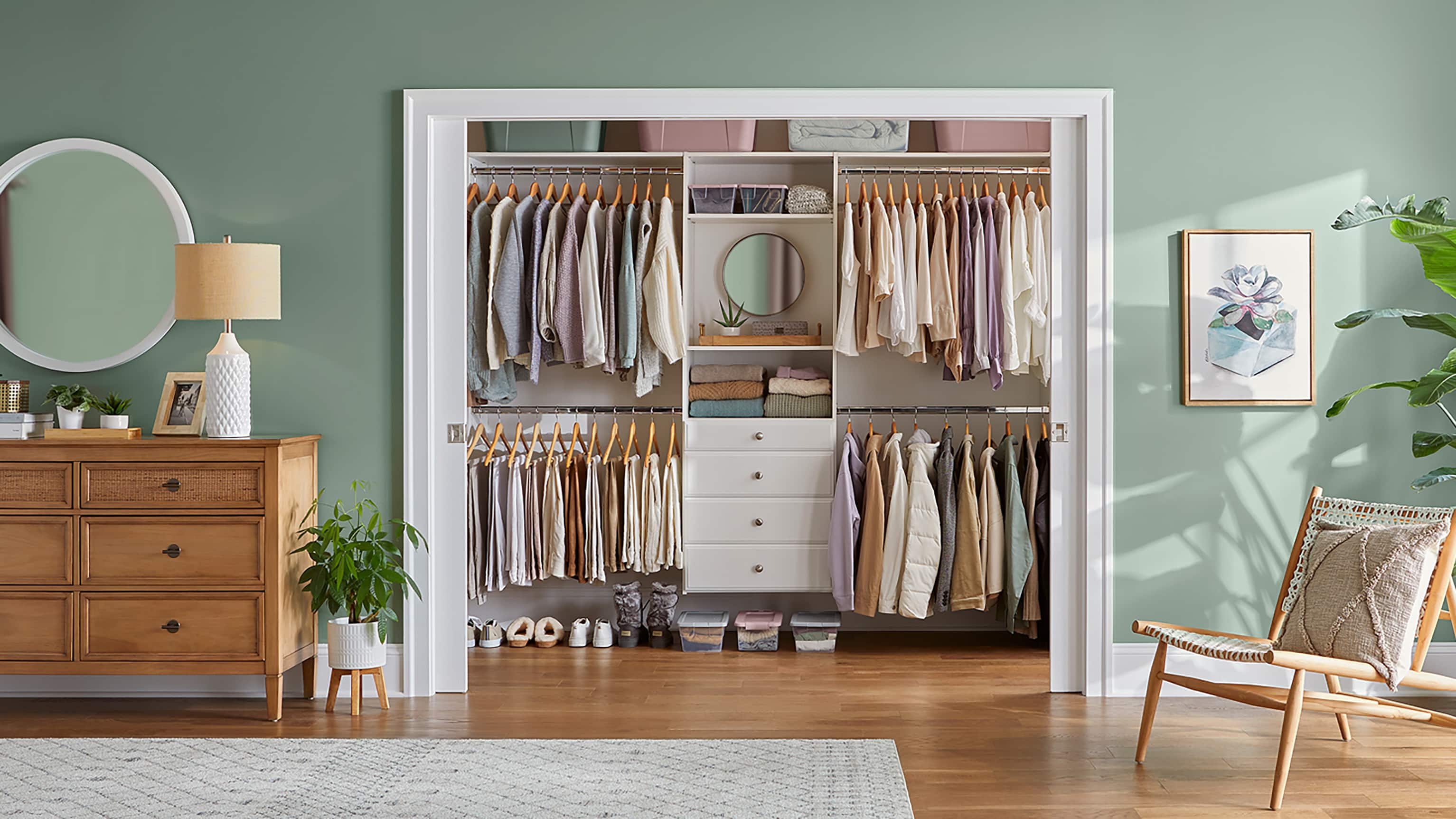
Credit: www.homedepot.com
Packing And Preparing Furniture
Packing and preparing furniture for storage requires careful attention. Proper steps protect your items from damage and dust. This process also makes moving easier and reduces storage costs. Taking time to prepare furniture well saves money and effort later.
Cleaning And Disassembling
Start by cleaning each furniture piece thoroughly. Remove dust, dirt, and stains to prevent damage in storage. Use gentle cleaners suitable for the material of your furniture. After cleaning, disassemble large items like beds or tables. Remove legs, cushions, and shelves to save space. Keep screws and small parts in labeled bags to avoid loss.
Protective Materials
Wrap furniture with protective materials to avoid scratches and dents. Use moving blankets, bubble wrap, or furniture pads. Cover delicate surfaces like glass or wood carefully. Secure wrapping with tape or stretch wrap to keep it tight. Avoid using plastic directly on wood to prevent moisture buildup. Proper protection reduces repair costs and preserves furniture quality.
Labeling And Inventory
Label each piece clearly to identify it easily in storage. Use waterproof markers or printed labels on the wrapping. Create an inventory list with descriptions and photos of all items. Note any existing damage to avoid disputes later. This organization saves time when retrieving furniture. It also helps track your belongings and ensures nothing is lost.
Common Storage Unit Sizes For Furniture
Choosing the right storage unit size helps save money and space. Furniture comes in many shapes and sizes. Picking a unit that fits your items well avoids paying for unused space. Here are common storage unit sizes ideal for storing furniture. Each size suits different needs and budgets.
5×5 Units
This small unit is about the size of a large closet. It fits a few small chairs, boxes, or a small table. Ideal for storing a few pieces or seasonal items. Not enough space for large sofas or beds.
10×10 Units
A 10×10 unit holds the contents of a one-bedroom apartment. It fits a sofa, mattress, dresser, and some boxes. Good for storing most furniture from a small home. Allows easy access and some room to move inside.
10×20 Units
This larger unit fits furniture from a multi-bedroom house. It can hold sofas, dining sets, beds, and appliances. Perfect for full home storage during moves or renovations. Offers plenty of space to organize and protect items.
When To Choose Climate-controlled Storage
Choosing climate-controlled storage is a smart decision when your furniture is vulnerable to changes in temperature and humidity. These units maintain steady conditions, protecting your valuable pieces from damage caused by moisture, heat, and cold. Understanding which items truly benefit from this type of storage can save you money and prevent costly restoration later.
Sensitive Wood Furniture
Wood furniture can warp, crack, or develop mold if exposed to extreme humidity or temperature swings. Climate-controlled storage keeps the environment stable, helping your wooden tables, chairs, and cabinets maintain their shape and finish.
Imagine storing an heirloom dining table in a regular unit. Fluctuating moisture could cause the wood to swell and split. With climate control, you avoid that risk and preserve the craftsmanship.
Upholstered Items
Fabric-covered furniture is prone to mold, mildew, and unpleasant odors when stored in damp or poorly ventilated spaces. Climate-controlled units reduce the chance of moisture buildup, keeping sofas, chairs, and cushions fresh and clean.
Have you ever pulled a stored couch out and found it smelling musty? Choosing a temperature and humidity-controlled space prevents this problem and protects delicate fabrics and stuffing from damage.
Antiques And Collectibles
Many antiques and collectibles are sensitive to environmental changes. Paper, leather, and certain finishes can deteriorate quickly in fluctuating conditions.
If you own valuable vintage furniture or collectibles, climate-controlled storage ensures they stay in their best condition. It’s an investment that can maintain or even increase the value of your items over time.

Credit: www.nationwideselfstorage.ca
Frequently Asked Questions
How Much Does Furniture Storage Typically Cost Monthly?
Furniture storage costs range from $50 to $300 per month. Prices depend on unit size, location, and facility features like climate control and security.
Are There Extra Fees For Moving Furniture Into Storage?
Yes, some facilities charge fees for moving or handling. Always check for additional costs such as insurance, deposits, or administrative fees.
Does Climate Control Affect Furniture Storage Prices?
Climate-controlled units usually cost 20-50% more. They protect furniture from humidity and temperature damage, ideal for delicate or antique pieces.
What Size Storage Unit Is Best For Furniture?
A 5×5 or 10×10 unit fits most furniture sets. Choose based on your inventory; larger pieces or many items require bigger units.
Conclusion
Storing furniture can help free up space. Costs vary by location and size. Short-term storage might be cheaper than long-term solutions. Consider your budget before choosing a facility. Compare prices and services to find the best option. Don’t forget to check for extra fees.
Keep an eye on seasonal discounts for savings. Ask about climate control for delicate items. Planning ahead can prevent surprises. Remember, it’s not just about price; think about convenience and safety. With careful consideration, storing furniture can be a smart choice for your needs.