
Are you wondering how much it really costs to keep your furniture in storage? Whether you’re moving, renovating, or just need some extra space, understanding the true expenses can help you plan better and avoid surprises.
You might think it’s just about paying a monthly fee, but there’s more to consider—like size, location, and extra services. You’ll discover everything you need to know to make smart choices for your furniture storage without breaking the bank. Keep reading to find out how to save money and protect your valuable items at the same time.
Factors Affecting Storage Costs
Understanding the factors that affect storage costs can help you make smarter decisions when storing your furniture. These costs vary widely depending on several key elements. Knowing what influences the price lets you balance your budget with the level of care your items need.
Storage Unit Size
The size of the storage unit you choose has a direct impact on the cost. Larger units naturally cost more, but sometimes a slightly bigger space can save money if it means fewer trips or combining multiple items. Think about the exact space your furniture requires to avoid paying for unused square footage.
Location Impact
Storage facilities in urban or high-demand areas usually charge higher fees. If your storage is near a city center or a popular neighborhood, expect to pay a premium. On the other hand, facilities in less busy or rural locations tend to be cheaper but might add travel time and inconvenience.
Duration Of Storage
How long you plan to keep your furniture in storage affects the price structure. Many facilities offer discounts for long-term rentals, so storing items for several months might lower the monthly rate. However, short-term storage can sometimes include extra fees or higher monthly charges.
Climate Control Options
Furniture, especially wooden or upholstered pieces, often benefits from climate-controlled storage. This option prevents damage caused by humidity, temperature swings, and pests but increases the cost. Consider whether your items truly need this protection or if standard storage will suffice.
Security Features
Storage units with advanced security measures tend to cost more. Features like 24/7 surveillance, gated access, on-site staff, and individual alarms add to your peace of mind. Ask yourself how valuable your furniture is and how much security you need to avoid unnecessary expenses.
Types Of Storage Units
Choosing the right type of storage unit can make a big difference in how much you spend and how well your furniture is protected. Different storage options offer various features, sizes, and costs that suit different needs and budgets. Knowing what each type provides helps you pick the best fit for your furniture and your wallet.
Self-storage Units
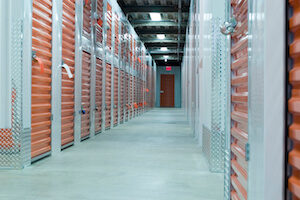
Self-storage units are the most common choice for keeping furniture safe. You rent a space in a storage facility and can access it whenever you want. Prices vary based on the unit size and location, but you typically pay monthly.
These units come in different sizes, from small lockers to large rooms that fit sofas and beds. Many have climate control, which protects your furniture from moisture and extreme temperatures. If you’ve ever moved, you know how valuable this protection is for wooden or leather pieces.
Portable Storage Containers
Portable storage containers are delivered to your home, filled at your convenience, and then picked up and stored at a facility. This option saves you from multiple trips and heavy lifting. It’s ideal if you want to keep your furniture close by during packing.
Costs depend on the container size and rental duration. You pay for delivery, storage, and pickup, which can add up but offers great flexibility. This method is perfect if you want to avoid the hassle of driving a moving truck or need temporary storage during renovations.
Warehouse Storage
Warehouse storage involves storing furniture in large commercial spaces, often used by businesses or for long-term storage. These spaces can be more affordable if you rent a shared section instead of a private unit.
However, warehouses usually lack climate control, which might not be suitable for delicate furniture. If your pieces are sturdy or less sensitive to temperature changes, this could be a cost-effective option.
Specialized Furniture Storage
Specialized furniture storage facilities focus on protecting valuable or antique furniture. They offer climate control, security, and sometimes even custom crating services. This option costs more but ensures your prized items remain in perfect condition.
If you own heirlooms or designer pieces, investing in specialized storage is worth considering. Would you risk damage to your most cherished furniture just to save a few bucks? Probably not.
Average Cost Estimates
Understanding the average cost to keep furniture in storage helps plan your budget better. Storage fees vary based on unit size, location, and duration. Knowing typical expenses prevents surprises and aids in choosing the right storage option.
Monthly Rental Fees
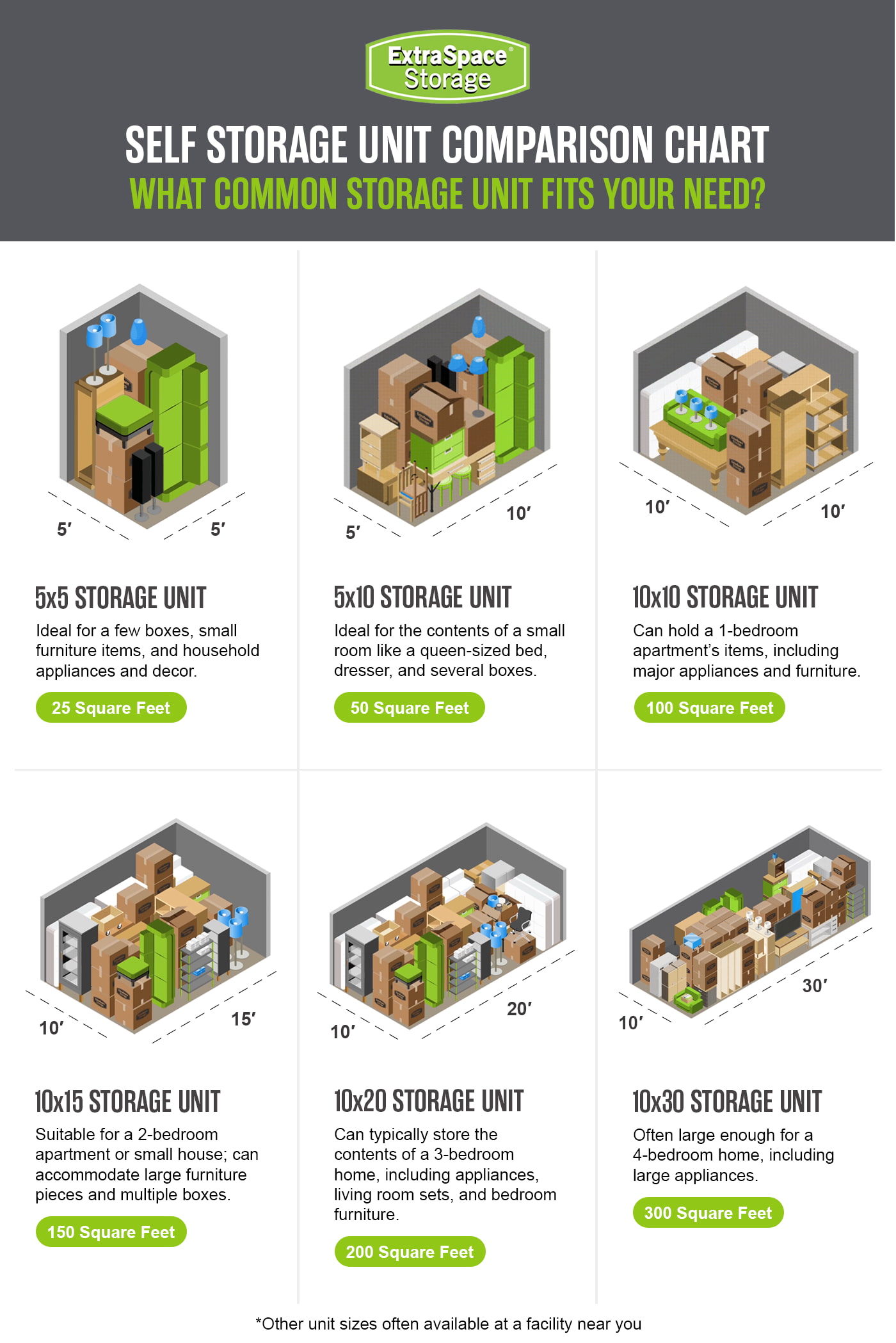
Monthly rental fees depend on the storage unit size. Smaller units cost less but may not fit large furniture. Larger units can hold more items but have higher fees.
- 5×5 ft unit: $40 to $70 per month
- 10×10 ft unit: $90 to $150 per month
- 10×20 ft unit: $180 to $300 per month
Prices vary by location and demand. Urban areas usually charge more than rural ones.
Additional Service Charges
Extra services add to the total storage cost. Common charges include:
- Access fees for after-hours entry
- Climate control to protect sensitive furniture
- Moving supplies like boxes or covers
- Delivery and pickup services
These fees differ by provider. Check the fine print before signing.
Insurance Costs
Insurance protects your stored furniture against damage or theft. Some facilities require insurance coverage. Costs depend on the value of your items.
- Basic coverage: $10 to $20 per month
- Higher coverage for valuable furniture: $30 or more
Compare insurance options. Sometimes homeowner’s insurance covers storage items.
Credit: www.extraspace.com
Ways To Save On Storage
Storage costs can add up quickly, but there are smart ways to keep your expenses down without sacrificing space or convenience. Saving on storage requires a bit of planning and knowing what options to look for. Let’s explore some practical strategies that can help you pay less while keeping your furniture safe and accessible.
Choosing The Right Unit Size
Picking a storage unit that fits your furniture perfectly can save you money. Renting a larger unit than you need means paying extra for unused space. Measure your items carefully and consider stacking or disassembling bulky pieces to make them fit into a smaller unit.
Think about this: Would a 5×5 or 5×10 unit suit your needs better? Smaller units cost less and often come with lower insurance fees. You don’t want to pay for space you won’t use.
Flexible Rental Terms
Look for storage facilities that offer flexible rental plans. Month-to-month contracts allow you to avoid long-term commitments and pay only for the time you need. This flexibility prevents you from wasting money if your storage needs change unexpectedly.
Some places offer discounts for longer rentals, but only commit if you’re sure you’ll need the space. Otherwise, shorter terms can keep your costs lean and let you move out as soon as your furniture is no longer in storage.
Sharing Storage Space
Sharing a storage unit with a friend or family member can cut your costs in half or more. If you both have items to store and can coordinate access, splitting the rent makes sense. Just be sure you trust the other person and agree on clear terms about usage and responsibilities.
Have you considered splitting costs with a neighbor? This can make higher-end facilities affordable and still keep your furniture secure.
Seasonal Discounts And Deals
Many storage companies run promotions during off-peak seasons or holidays. Checking for these discounts can save you a significant amount. Signing up for newsletters or calling local facilities can uncover limited-time offers not advertised online.
Ask if they provide deals like the first month free or reduced rates for prepayment. A quick call might lead to a better price than what you find on the website.
Preparing Furniture For Storage
Preparing your furniture for storage is a key step that can save you money and stress later. Proper preparation helps prevent damage, keeps your items in good condition, and may reduce the overall cost by avoiding repair expenses. Taking time to get your furniture ready shows respect for your belongings and ensures they stay as fresh as the day you stored them.
Cleaning And Maintenance
Start with a thorough cleaning of each piece. Dust, dirt, and stains can worsen over time, especially in storage. Use appropriate cleaners for wood, fabric, or leather to avoid damage.
Check for any repairs before storing. Tighten loose screws, fix broken parts, and oil hinges if needed. Leaving furniture in good shape reduces the risk of bigger problems later.
Packing Materials
Choosing the right packing materials is crucial. Soft blankets, bubble wrap, and furniture covers protect surfaces from scratches and dents. Avoid plastic wraps that trap moisture and can cause mold.
Label boxes and wrapped items clearly. This small step saves time and frustration when you retrieve your furniture. Imagine opening a box and finding exactly what you expected—it’s a relief!
Protecting Against Damage
Consider how you arrange your furniture in the storage unit. Keep heavier items on the bottom and fragile ones on top. Use pallets or blocks to lift furniture off the floor and avoid water damage.
Think about the environment inside the unit. Silica gel packs or moisture absorbers can prevent mold and mildew. Have you thought about how temperature changes might affect your furniture over time?
Credit: www.move.org
Hidden Costs To Watch For
Storing your furniture might seem straightforward, but there are hidden costs that can quickly add up and catch you off guard. These extra fees go beyond the basic storage price and can impact your budget significantly. Knowing what to watch for can help you avoid surprises and manage your storage expenses better.
Late Payment Fees
Missing a payment deadline can lead to penalties that inflate your storage bill. Many facilities charge daily or monthly late fees, which can pile up fast if you’re not careful.
Think about your schedule—how often do you forget monthly bills? Setting reminders can save you from these unnecessary charges and keep your storage costs steady.
Access Restrictions
Some storage units limit when and how often you can access your furniture. This might mean extra fees for after-hours visits or restrictions on moving items in and out.
Ask yourself: how often will you need to get your furniture? If frequent access is essential, these restrictions could cost you more in convenience fees or require a pricier unit.
Pest Control Measures
Furniture in storage is vulnerable to pests like rodents and insects, which can cause damage and lead to additional costs. Some facilities include pest control in their fees, but others charge extra for regular treatments.
Consider the storage environment: is it climate-controlled or in a region prone to pests? Investing in pest control upfront or choosing a facility that covers it can protect your furniture and your wallet.

Credit: onthegomoving.com
Frequently Asked Questions
How Much Does Furniture Storage Typically Cost Monthly?
Furniture storage costs usually range from $50 to $300 per month. Prices vary by location, unit size, and facility amenities.
What Factors Affect The Price Of Storing Furniture?
Storage costs depend on unit size, location, climate control, and rental duration. Additional services like insurance can increase the price.
Is Climate-controlled Storage Necessary For Furniture?
Climate-controlled storage protects furniture from humidity, mold, and temperature changes. It is recommended for wooden or antique pieces.
Can I Save Money On Long-term Furniture Storage?
Yes, many facilities offer discounts for long-term rentals. Booking in advance and choosing off-peak locations also reduce costs.
Conclusion
Storing furniture costs vary based on size and duration. Choosing the right storage unit saves money and protects items. Consider location, security, and climate control for best results. Compare prices from different providers before deciding. Proper packing helps avoid damage and extra fees.
Keep track of rental terms to prevent surprises. Planning ahead makes furniture storage easier and cheaper. Simple steps lead to smart storage choices every time.