Are you wondering how much it costs to store your house furniture safely and affordably? Whether you’re moving, renovating, or just need extra space, knowing the right storage costs can save you money and stress.
You’ll discover clear, simple answers to what affects the price and how to choose the best option for your needs. Keep reading to make smart decisions and protect your valuable furniture without breaking the bank.
Credit: www.bedbathandbeyond.com
Factors Affecting Storage Costs
Several factors influence the cost of storing house furniture. Understanding these elements helps you budget better. Storage prices vary based on what you need and where you store your items.
Knowing the key factors lets you choose the best option for your budget. Let’s explore the main points that affect storage costs.
Storage Unit Size
The size of the storage unit is a major cost factor. Larger units cost more because they hold more items. Choose a unit size that fits your furniture without wasting space. Overestimating size can lead to paying extra money unnecessarily.
Location And Accessibility
Storage facilities in big cities or busy areas often charge higher fees. Easy access to your unit also affects price. Facilities near main roads or with 24/7 access usually cost more. Remote locations may offer lower prices but can be harder to reach.
Duration Of Rental
Longer rental periods sometimes qualify for discounts. Short-term rentals usually have higher monthly rates. Committing to several months can reduce the overall cost. Always check if the facility offers price breaks for long stays.
Additional Services
Extra services add to the total cost. These include climate control, security features, and insurance. Climate control protects furniture from extreme temperatures. Enhanced security keeps your belongings safer but increases fees. Some facilities charge for moving equipment or packing supplies.
Average Price Ranges
Understanding the average price ranges for storing house furniture helps plan your budget well. Storage costs vary by unit size, location, and features. Knowing typical prices makes it easier to choose the right option.
Small Units For Furniture
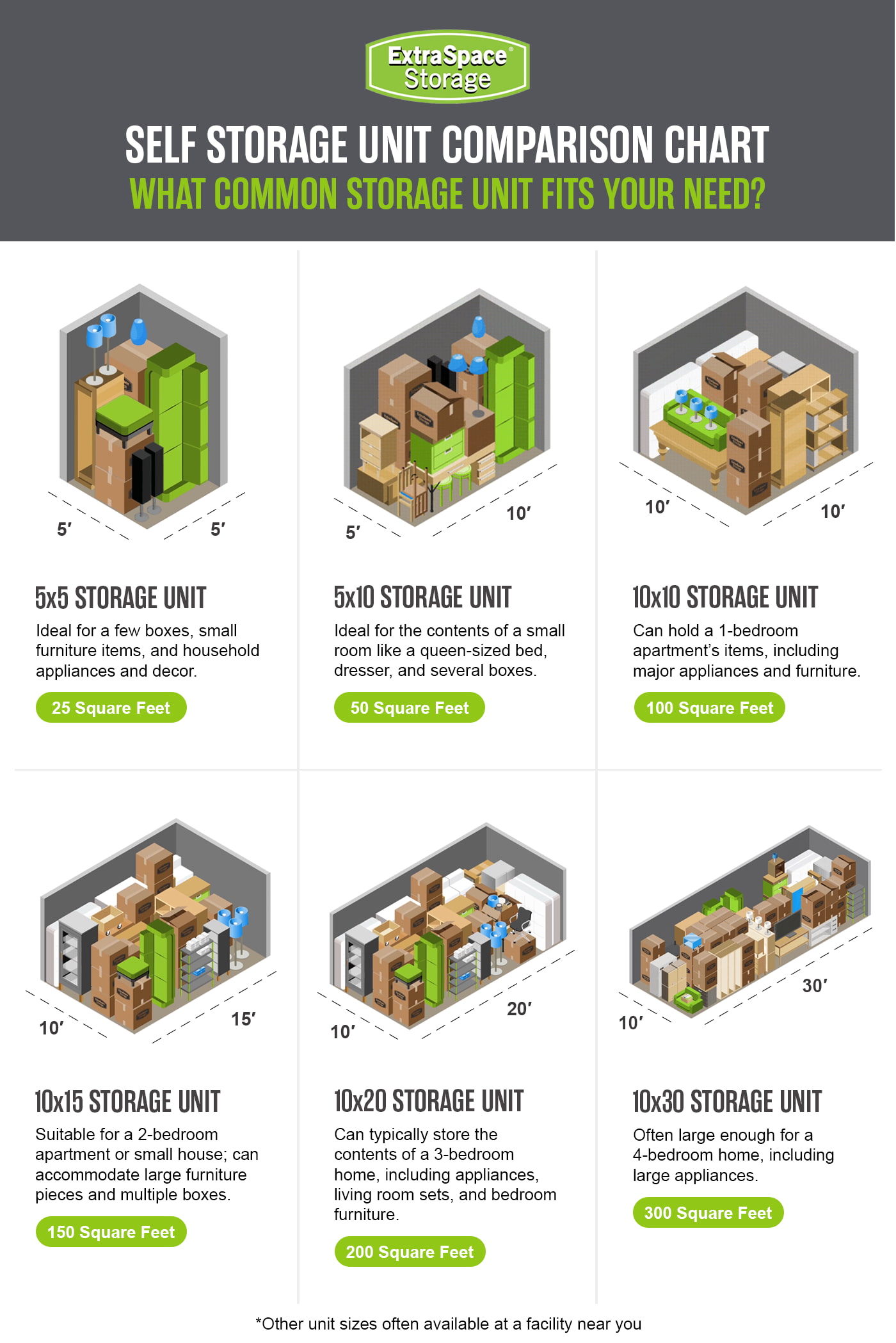
Small storage units usually measure 5×5 or 5×10 feet. They fit basic furniture like chairs, small tables, or boxes. Prices often range from $30 to $70 per month. These units work for short-term or minimal storage needs.
Medium To Large Units
Medium units range from 10×10 to 10×20 feet and fit larger furniture sets. Large units can be 10×30 feet or more, holding multiple rooms of furniture. Costs typically fall between $90 and $200 per month. They suit longer storage or bigger household items.
Climate-controlled Options
Climate-controlled units maintain stable temperature and humidity. They protect wood, leather, and delicate furniture from damage. Expect to pay $50 to $150 more than standard units monthly. Ideal for valuable or sensitive furniture requiring extra care.
Budget-friendly Storage Tips
Finding affordable ways to store your furniture doesn’t have to be a headache. Smart choices can save you a good chunk of money while keeping your belongings safe. Here are some practical tips that helped me cut costs without sacrificing quality.
Choosing The Right Unit Size
Picking a storage unit that fits your furniture perfectly is key. Too large, and you pay for empty space. Too small, and you risk damage from overcrowding.
Measure your biggest items before booking. Think about stacking smaller pieces to maximize space. This simple step avoided me paying for an unnecessarily big unit last time.
Comparing Local Storage Providers
Don’t settle for the first storage facility you find. Prices and services can vary widely even within the same neighborhood.
Make a quick list of nearby options, check online reviews, and call to ask about any hidden fees. Sometimes, smaller providers offer better deals than big chains.
Booking In Advance
Waiting until the last minute often means paying a premium. Storage companies usually reward early bookings with lower rates.
Plan your move ahead, if possible, and lock in your unit early. You’ll gain peace of mind and a better price, which makes a big difference in overall costs.
Taking Advantage Of Discounts And Promotions
Storage facilities often run special deals, especially during off-peak seasons. Keep an eye out for coupons, online promotions, or referral discounts.
Ask the provider directly if they offer any discounts for longer rental periods or upfront payments. I saved 15% just by mentioning a referral from a friend.
Packing And Preparing Furniture
Packing and preparing your furniture properly can save you money and protect your valuable pieces during storage. It’s easy to overlook how much damage can happen from careless wrapping or poor disassembly. Taking time to prepare your furniture correctly not only reduces risk but also makes the whole moving and storage process smoother.
Proper Wrapping Techniques
Use bubble wrap or moving blankets to cover your furniture. Wrap items tightly but avoid applying too much pressure that might cause dents or scratches. Secure the wrap with packing tape, making sure no part of the furniture is exposed to dust or moisture.
Think about which parts are most vulnerable. For example, glass tabletops need extra cushioning on all edges. Have you ever seen a glass table shattered because it was wrapped without corner protection? Avoid that by adding corner guards or extra padding.
Disassembling Large Pieces
Breaking down large furniture like beds, tables, or wardrobes makes them easier to move and store. Keep all screws, bolts, and small parts in labeled bags so you won’t waste time searching later. You can even take pictures before disassembly to remember how to put everything back together.
Disassembly also reduces the chance of damage from shifting or tipping inside the storage unit. Have you tried moving a heavy dresser in one piece? It’s risky and expensive if it gets damaged or causes injury.
Using Protective Covers
Plastic covers and furniture slipcovers protect against dust, moisture, and pests while your items sit in storage. Choose breathable covers for wooden furniture to prevent mold growth. Avoid plastic wraps that trap moisture inside, which can cause warping.
Think about the storage environment too. If it’s humid or prone to pests, protective covers become even more critical. Do you want to find your favorite chair stained or eaten by bugs when you retrieve it? Covers help you avoid that unpleasant surprise.
Alternative Storage Solutions
Finding the right storage solution for your house furniture can feel overwhelming, especially when cost is a big concern. Luckily, there are several alternative options that might suit your needs better than traditional storage units. These alternatives can save you money, offer more flexibility, or even make the process easier.
Self-storage Vs Portable Storage
Self-storage units require you to transport your furniture to a facility and manage your own loading and unloading. They often offer various sizes and security features, but you’ll need a vehicle large enough to move your items.
Portable storage, on the other hand, brings the unit directly to your home. This option saves time and effort because you can pack at your own pace. However, it may come at a slightly higher price depending on the rental duration and delivery fees.
Which do you find more convenient: doing the heavy lifting yourself or having the container dropped off? Your answer could impact both your budget and how stressful the process feels.
Sharing Storage Space
Have you ever considered splitting a storage unit with a friend or neighbor? Sharing space can significantly reduce individual costs while maximizing the unit’s capacity.
Coordination is key here. You’ll need to agree on access times, payment, and how to organize the space. But if you communicate well, this method turns storage into a community effort rather than a solo task.
Think about who in your network might also need storage. Could sharing a unit be a win-win for everyone?
Using Garage Or Spare Room
Sometimes the best storage is right under your nose. Using your garage or a spare room can cut out rental fees entirely. It also keeps your furniture close by and easy to access.
Be mindful of temperature and moisture levels in these spaces to protect your furniture. Adding shelving or furniture covers can extend the life of your stored items.
Have you checked if your home has underused space that could double as storage? This option often combines convenience with zero extra cost.

Credit: www.vevor.ca
Credit: www.extraspace.com
Frequently Asked Questions
How Much Does Storage For House Furniture Cost Monthly?
The monthly cost varies by location and unit size. On average, expect to pay $50 to $200 per month. Climate-controlled units may cost more. Additional fees might apply for insurance or access. Always compare local storage facilities to find the best deal.
What Factors Affect House Furniture Storage Prices?
Prices depend on unit size, location, and climate control. Accessibility and security features also impact costs. Longer rental terms often reduce monthly rates. Seasonal demand can influence pricing. Knowing these factors helps you budget accurately for furniture storage.
Are There Cheaper Alternatives To Traditional Furniture Storage?
Yes, options include renting portable storage containers or using a friend’s garage. Some self-storage facilities offer discounted rates for long-term rentals. Sharing storage space with others can also lower costs. Always ensure your furniture is protected from damage regardless of storage choice.
How Can I Reduce Costs When Storing House Furniture?
Choose the smallest suitable unit to save money. Opt for off-peak rental periods for discounts. Properly packing furniture reduces damage risk and insurance costs. Compare multiple storage providers for competitive pricing. Regularly check for promotions or special offers.
Conclusion
Storage house furniture costs vary based on size and material. Small pieces cost less than large, solid wood items. Renting space or buying furniture affects your budget too. Planning helps you find the best price for your needs. Keep quality and durability in mind while choosing.
A little research saves money and avoids surprises. Now, you have a clearer idea of furniture costs. Choose wisely and enjoy a well-stored, comfortable home.