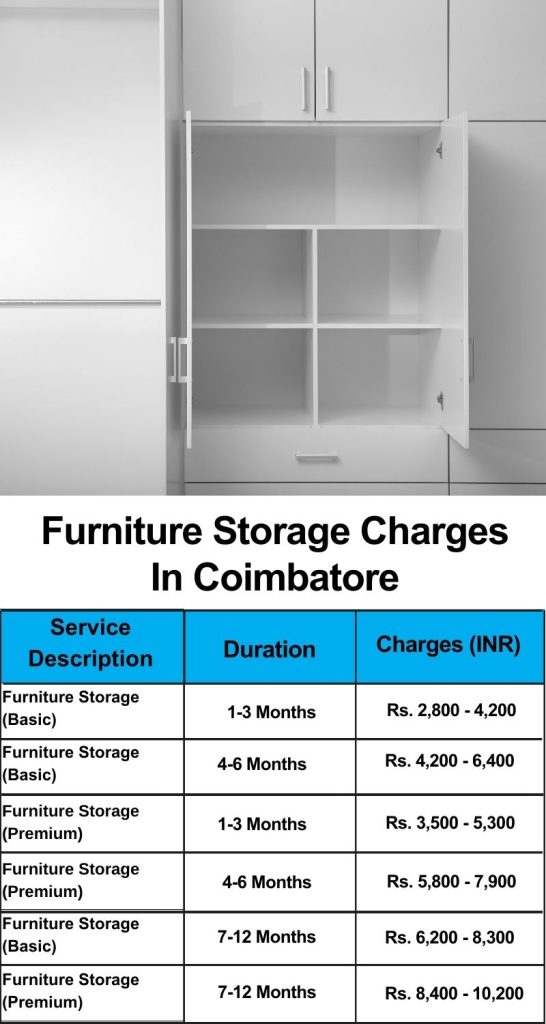
Are you wondering how much it will cost to store your furniture each month? Whether you’re moving, downsizing, or just need extra space, knowing the price beforehand can save you stress and surprise bills.
You want to find the best option that fits your budget without sacrificing the safety of your belongings. You’ll discover the typical costs of furniture storage, what factors affect the price, and tips to get the best deal. Keep reading to make a smart choice for your furniture and your wallet.
Factors Influencing Storage Costs
Understanding what affects furniture storage costs can help you budget better and avoid surprises. Prices don’t just depend on the size of the unit; several factors come into play. Knowing these will help you choose the right storage option without overspending.
Location And Accessibility
Storage units in busy urban areas usually cost more than those in rural locations. This is because land value and demand are higher in cities. Consider how often you’ll need to access your furniture—units with 24/7 access or drive-up features may charge extra.
I once rented a storage unit close to my downtown apartment. While convenient, I paid nearly double compared to a facility just 10 miles away. Ask yourself: Is paying more for easy access worth it for your situation?
Size Of Storage Unit
The size of the unit directly impacts the monthly cost. Larger units that can hold bulky furniture pieces or multiple items cost more. However, renting a slightly bigger unit than needed might save money by protecting your items better and avoiding damage.
Think about the types of furniture you have. A 5×5 unit might hold a few chairs, but a sofa or dining table requires more space. Getting the right size helps you avoid paying for unused space or cramming items that might get damaged.
Duration Of Storage
How long you plan to store your furniture influences the price. Many storage facilities offer discounts for long-term rentals. Short-term storage can be more expensive on a per-month basis.
During a recent move, I stored furniture for six months and received a 15% discount by committing upfront. If you only need storage for a month or two, ask if any promotions or flexible plans exist to keep costs down.
Additional Services
Extra services like climate control, insurance, and security can raise your monthly cost. Climate-controlled units protect wooden or delicate furniture from extreme temperatures and humidity. Insurance offers peace of mind but adds to the price.
Sometimes, paying a bit more for these services prevents costly damage later. Ask the facility what’s included and what costs extra. Could skipping climate control save you money now but risk ruining your furniture?

Credit: onthegomoving.com
Types Of Storage Facilities
Choosing the right type of storage facility affects both convenience and cost. Different options suit different needs. Understanding each type helps in making a better decision.
Self-storage Units
Self-storage units offer personal control over your items. You rent a space in a secure building. You access your belongings anytime during business hours. Prices depend on unit size and location. They are ideal for short or long-term storage.
Full-service Storage
Full-service storage includes pickup and delivery. The company handles packing, storing, and returning items. This option saves time and effort. It usually costs more than self-storage. Best for those who prefer convenience over cost.
Portable Storage Containers
Portable storage containers bring storage to your doorstep. You pack your items at home. The container is then picked up and stored. You can also keep it at your location. Pricing varies by container size and rental length.
Average Monthly Costs
Understanding the average monthly costs of furniture storage can help you plan your budget effectively. Prices vary based on several factors, including unit size, location, and additional fees. Let’s break down these costs so you know what to expect before renting a storage unit.
Cost Breakdown By Unit Size
Storage units come in various sizes, and the price usually increases with the space you need. Smaller units, around 5×5 feet, typically cost between $30 and $60per month. These are ideal for a few chairs or small furniture pieces.
Medium units, like 10×10 feet, can range from $75 to $150monthly, enough for larger items like sofas or multiple boxes. Larger units, such as 10×20 feet or bigger, often cost $150 to $300+per month, perfect for storing the contents of an entire room or more.
Regional Cost Variations
Where you live plays a big role in storage prices. Urban areas and cities with higher living costs tend to charge more. For instance, storage units in New York or San Francisco can be 30-50% pricier than in smaller towns.
Even within the same city, prices can vary by neighborhood. Units near commercial hubs or popular residential areas usually come with a higher price tag. Are you willing to pay extra for convenience, or would a location a bit farther out work just as well?
Hidden Fees And Charges
Monthly rent isn’t the only cost you should watch for. Many storage facilities add extra fees that can surprise you. Common hidden charges include:
- Administration or setup fees when you first rent the unit
- Insurance costs to protect your stored furniture
- Late payment penalties if you miss a due date
- Access fees for 24/7 entry or after-hours use
Make sure to read the contract carefully. Knowing about these extra costs upfront can save you from unexpected bills later.
Tips For Reducing Storage Costs
Storing furniture can quickly add up, but there are smart ways to keep those monthly costs down without sacrificing the safety of your belongings. By making informed choices and asking the right questions, you can lower your storage expenses significantly. Let’s look at some practical tips that can help you save money while keeping your furniture secure.
Choosing The Right Size
Paying for extra space you don’t need is a common mistake. Assess your furniture carefully before renting a unit. Measure your items and list them out to determine the smallest unit that fits everything comfortably.
Sometimes, a smaller space means you have to stack or squeeze items, risking damage. But a slightly larger unit might cost more upfront but save you from costly repairs or replacements later. Think about your furniture’s fragility and how easy it will be to access your items when packed tightly.
Negotiating Rates
Don’t accept the sticker price as final. Many storage facilities expect some negotiation. Ask if there’s flexibility on the monthly rate, especially if you plan to store your furniture long-term.
Sharing your intention for a longer rental can give you leverage to get a discount. If you find a better price elsewhere, mention it. Sometimes facilities will match or beat competitors just to secure your business.
Utilizing Discounts And Promotions
Storage companies often run promotions that can save you a good chunk of change. Look for introductory offers like the first month free or discounted rates for initial terms. Signing up online or during off-peak seasons can also unlock special deals.
Don’t forget to ask about discounts for students, military personnel, or seniors. These savings aren’t always advertised, but they can make a difference. Have you checked if your employer or credit card offers any storage-related benefits?
Comparing Storage Options
Choosing the right storage option affects how much you pay monthly for furniture storage. Different choices offer various benefits and limitations. Comparing these options helps find the best fit for your needs and budget. Consider space, security, accessibility, and cost before deciding.
Pros And Cons Of Each Type
- Self-Storage Units
- Pros: Easy access anytime, secure facilities, flexible sizes.
- Cons: Can be costly in cities, you handle packing and moving.
- Mobile Storage Containers
- Pros: Delivered to your home, convenient for short-term needs.
- Cons: Limited space sizes, may have extra delivery fees.
- Warehouse Storage
- Pros: Large space for bulk items, professional handling.
- Cons: Less accessible, often minimum rental periods.
- Peer-to-Peer Storage
- Pros: Often cheaper, flexible rental terms, local hosts.
- Cons: Variable security, less formal agreements.
Cost Efficiency Analysis
Self-storage units usually charge between $50 and $300 per month. Price depends on size and location. Mobile containers often cost $100 to $400 monthly, including delivery fees. Warehouse storage is pricier but good for large amounts of furniture.
Peer-to-peer storage can save money, with monthly rates from $40 to $150. Security and insurance vary, which might add costs later.
| Storage Type | Average Monthly Cost | Best For | Cost Efficiency |
|---|---|---|---|
| Self-Storage Units | $50 – $300 | Small to medium furniture | Moderate |
| Mobile Storage Containers | $100 – $400 | Short-term and local moves | Variable |
| Warehouse Storage | $200 – $500+ | Large volume, long-term storage | Low for small amounts |
| Peer-to-Peer Storage | $40 – $150 | Budget-conscious, flexible terms | High |
Credit: madetwomeasure.co.uk

Credit: www.thetransporter.in
Frequently Asked Questions
How Much Does Monthly Furniture Storage Typically Cost?
Monthly furniture storage costs vary by location and unit size. On average, expect $50 to $300 per month. Climate-controlled units cost more. Additional fees may apply for insurance or access. Always compare local storage providers for the best rates and terms.
What Factors Influence Furniture Storage Prices?
Prices depend on unit size, location, and climate control. Accessibility and security features also affect cost. Longer rental agreements may offer discounts. Demand and seasonality can impact monthly rates. Always consider these factors to estimate your furniture storage expenses accurately.
Are Climate-controlled Units More Expensive For Furniture Storage?
Yes, climate-controlled units usually cost 20-50% more. They protect furniture from humidity, temperature, and pests. This is ideal for delicate or antique pieces. Investing in climate control can prevent costly damage over time. Consider it if your furniture is valuable or sensitive.
Can I Find Cheaper Furniture Storage Options?
Yes, comparing storage facilities can reveal lower rates. Off-site or less accessible locations tend to be cheaper. Sharing a larger unit with others can also reduce costs. Look for seasonal promotions or discounts. Always balance price with security and convenience.
Conclusion
Furniture storage costs vary based on size and location. Small units cost less than large ones. Urban areas usually have higher monthly prices. Some places include insurance and security in fees. Renting longer often lowers the monthly rate. Consider your budget and storage needs carefully.
Compare prices before choosing a storage provider. A clear plan helps avoid extra charges later. Store your furniture safely and save money. Planning well makes storage costs easier to manage.