Are you struggling to fit all your furniture into a storage unit? You’re not alone.
Stacking your furniture the right way can save you space, protect your items, and make it easier to access what you need later. But how do you stack furniture in a storage unit without causing damage or wasting precious room?
You’ll discover simple, effective tips that anyone can use to maximize space and keep your furniture safe. Keep reading, and you’ll learn how to turn your storage unit into a neat, organized space that works perfectly for you.
Choosing The Right Storage Unit
Choosing the right storage unit is crucial when stacking furniture effectively. The size and features of the unit directly affect how well your items will fit and stay protected. Your goal is to maximize space without risking damage to your furniture.
Size Considerations
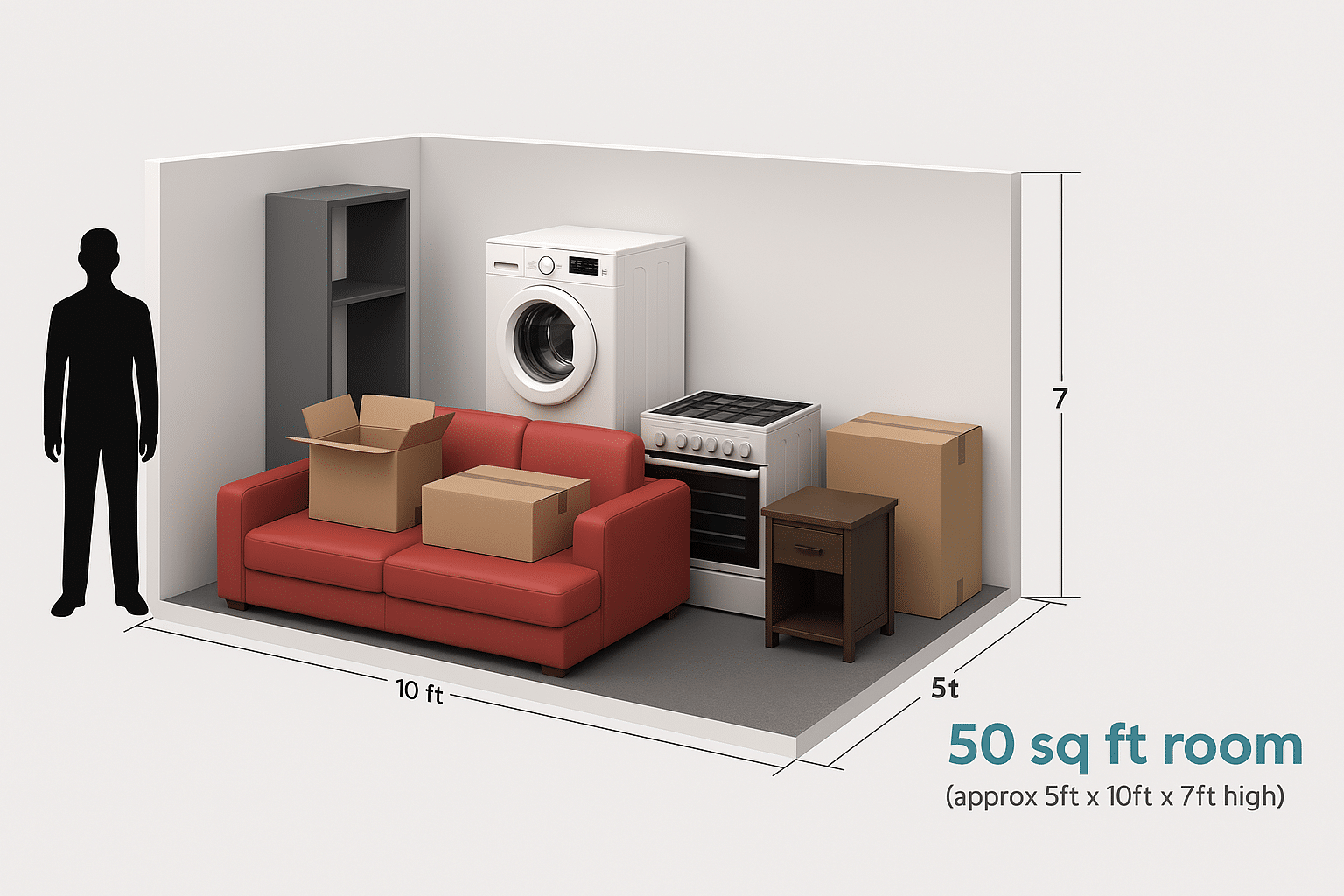
Think carefully about the dimensions of your furniture before picking a unit. Too small, and you’ll struggle to arrange items safely; too large, and you may pay for unused space. Visualize stacking your biggest pieces first and leave enough room for smaller items on top.
Consider the height as well. Tall units allow you to stack vertically, saving floor space. If you have bulky sofas or wardrobes, measure their height and width precisely. This helps avoid surprises when moving day arrives.
Climate Control Options
Do you own delicate or wooden furniture? Climate-controlled units maintain stable temperature and humidity, preventing warping, cracking, or mold. This feature is especially important if you plan to store items for several months or in regions with extreme weather.
Without climate control, fluctuating temperatures can damage finishes and fabrics. If you want your furniture to look just as good when you retrieve it, investing in a climate-controlled unit can save you costly repairs later.

Credit: www.facebook.com
Preparing Furniture For Storage
Preparing your furniture before placing it in a storage unit can save you a lot of hassle later. Taking the time to clean and carefully disassemble pieces not only protects them from damage but also makes stacking and organizing easier. How often have you found scratched wood or dusty upholstery after storage? A little preparation helps you avoid those common problems.
Cleaning And Maintenance
Start by wiping down all surfaces to remove dust, dirt, and grime. Use a gentle cleaner suitable for the furniture material—wood, leather, or fabric—to avoid damage. Don’t forget to vacuum upholstered items thoroughly, paying close attention to crevices where dust settles.
Check for any signs of damage like loose screws or cracks. Tighten or repair these before storing to prevent further issues. Adding felt pads under furniture legs can also protect both your pieces and the storage unit floor.
Disassembly Techniques
Taking furniture apart makes stacking simpler and protects fragile parts. Remove legs, cushions, and detachable shelves, then store small parts in labeled bags. This keeps everything organized and easy to reassemble later.
Think about which pieces are heaviest and sturdiest—they should go at the bottom to create a stable base. Keep similar items together to save space and reduce the risk of damage during stacking.
Have you ever struggled to find screws or bolts after moving? Label each bag clearly with the furniture name and part. This small step saves time and frustration when you unpack.
Space-saving Techniques
Saving space in a storage unit makes everything easier. Proper stacking keeps items safe and organized. Use smart techniques to fit more furniture without damage. These tricks help you use every inch well.
Vertical Stacking
Stack furniture by height to save floor space. Place heavier items on the bottom for stability. Use sturdy pieces like dressers as bases. Add lighter items like chairs or cushions on top. Keep fragile things separate to avoid damage. Leave some space for air circulation.
Utilizing Corners And Walls
Push large furniture against walls to open central space. Corners are perfect for bulky items like sofas. Arrange items so they do not block access paths. Use the wall space to lean items safely. Avoid stacking too high near walls to prevent tipping.
Smart Shelving Solutions
Install shelves to create vertical storage layers. Use adjustable shelves to fit different furniture sizes. Place boxes or small items on shelves to clear floor space. Shelving keeps items visible and easy to reach. Choose metal or wood shelves for durability. Label shelves for quick finding of items.
Protecting Furniture During Storage
Protecting your furniture during storage is crucial to keep it looking new and to prevent damage that can lead to costly repairs. Proper protection minimizes the effects of dust, moisture, and physical scratches, which are common in storage units. Taking a few extra steps before stacking can save you a lot of headaches later.
Covers And Wraps
Using covers and wraps is one of the simplest ways to shield your furniture from dust and scratches. Plastic wrap or furniture covers act as a barrier against dirt and accidental scuffs.
However, avoid using regular plastic sheets directly on wooden furniture for long periods, as they can trap moisture and cause damage. Instead, opt for breathable fabric covers or specially designed furniture pads.
Think about your couch cushions—you might want to wrap them separately to keep their shape intact and prevent stains. Wrapping glass or mirrored surfaces with bubble wrap adds an extra layer of protection against breakage.
Moisture Control
Moisture is a silent enemy in storage units, leading to mold, mildew, and warping of wood. You want to control humidity levels to protect your furniture effectively.
Use moisture absorbers like silica gel packs or charcoal bags around your furniture to keep the air dry. Small portable dehumidifiers can also be a game-changer, especially in damp climates.
Place wooden furniture on pallets or blocks to keep it off the cold, damp floor. Have you checked if your storage unit has ventilation or climate control? These features make a big difference in moisture management.
Optimizing Accessibility
Optimizing accessibility in your storage unit is key to saving time and avoiding frustration. When you stack furniture, you want to reach what you need without unpacking everything. Thoughtful planning makes a big difference in how quickly you can find items and move things around.
Creating Aisles
Leave enough space between rows of stacked furniture to walk through comfortably. Narrow aisles might seem like a space-saver, but they make accessing items difficult and risky.
Think about the size of your largest pieces and plan aisles wide enough to move them out easily. Even a small 2-foot-wide path can make a big difference.
Arrange furniture with the most frequently used items near the front or along the aisles. This reduces the need to move heavy objects just to get to something smaller.
Labeling And Inventory
Label each piece or group of furniture clearly. Use waterproof markers or printed labels taped securely on visible spots.
Keep a simple inventory list with descriptions and locations inside the unit or on your phone. Note where each item is stacked or which aisle it’s near.
Have you ever spent hours digging through boxes just to find a small table? Labeling saves that headache by guiding you directly to what you want.
Safety Tips
Stacking furniture in a storage unit requires careful attention to safety. Proper stacking prevents damage and keeps the space organized. Follow these safety tips to protect your belongings and avoid accidents.
Weight Distribution
Place heavier items at the bottom of your stack. This creates a stable base and stops lighter furniture from being crushed. Distribute weight evenly to avoid tipping or collapsing. Keep heavy pieces close to the unit’s walls for extra support.
Avoiding Overstacking
Do not stack furniture too high. Overstacking increases the risk of items falling and causing injury or damage. Make sure stacks are secure and balanced. Leave enough space to move around safely inside the unit.
Long-term Storage Considerations
Storing furniture in a unit for the long haul requires more than just stacking items neatly. You need to think about how to keep your belongings safe, dry, and intact over months or even years. Paying attention to small details now can prevent costly damages later.
Periodic Checks
Set a schedule to visit your storage unit regularly. Checking every few weeks helps you spot issues like moisture buildup or shifting furniture before they worsen.
During your visits, look for:
- Signs of dampness or water leaks
- Furniture shifting or leaning
- Any damage to boxes or covers
These quick inspections allow you to adjust your stacking and add protective layers if needed. Have you thought about how often you’ll realistically be able to check your unit?
Pest Control Measures
Pests love dark, quiet places with easy access to food and shelter. Your storage unit can become a cozy hideout if you’re not careful.
Protect your furniture by:
- Wrapping items in plastic to keep bugs out
- Placing pest deterrents like traps or natural repellents around the unit
- Avoiding storing food or plants that attract insects
Even with these steps, pests can be persistent. What extra measures could you take to ensure your furniture stays pest-free?

Credit: www.instagram.com
Credit: www.henfieldstorage.co.uk
Frequently Asked Questions
How Should I Prepare Furniture Before Stacking In Storage?
Clean and disassemble large furniture to save space. Wrap delicate items with moving blankets or bubble wrap. Label parts and keep hardware in bags. This protects furniture and ensures easy reassembly later.
What Is The Best Way To Maximize Storage Space?
Stack heavier items at the bottom and lighter ones on top. Use vertical space efficiently by placing mattresses and couches upright. Fill gaps with smaller boxes or soft items to avoid wasted space.
How Can I Prevent Damage When Stacking Furniture?
Avoid placing heavy items directly on delicate surfaces. Use padding between stacked pieces to prevent scratches. Leave small gaps for air circulation to reduce moisture buildup and mold risk.
Should I Cover Furniture Inside The Storage Unit?
Yes, cover furniture with breathable covers to protect from dust and moisture. Avoid plastic covers that trap humidity. Proper covering helps maintain furniture condition during storage.
Conclusion
Stacking furniture in a storage unit takes careful planning and care. Start with heavy, sturdy items on the bottom to keep everything stable. Use blankets or padding to protect surfaces from scratches and dents. Place lighter items on top to avoid damage.
Leave space for air to flow and for easy access later. Label boxes and keep an inventory for quick finds. Following these steps helps keep your furniture safe and organized. Your storage unit will stay neat and your items ready when you need them.
Simple and smart stacking saves time and effort.