Are you worried that your favorite furniture might get ruined in storage? You’re not alone.
Many people wonder if putting their sofas, tables, or chairs away for a while will damage them. The truth is, how your furniture is stored can make all the difference between it staying in great shape or ending up with scratches, stains, or worse.
You’ll discover the key factors that affect your furniture’s safety in storage and simple steps you can take to protect your valuable pieces. Keep reading to learn how to keep your furniture looking just as good as the day you bought it.
Common Causes Of Furniture Damage In Storage
Storing furniture without proper care can lead to unexpected damage. Understanding what commonly harms your pieces helps you protect them better. Let’s look at the main reasons furniture gets ruined in storage and what you can do to prevent it.
Moisture And Humidity Effects
Moisture is one of the biggest enemies of stored furniture. Wood can warp, swell, or crack when exposed to high humidity. Fabrics may develop mold or mildew, causing stains and unpleasant odors.
Have you checked the humidity level in your storage space lately? Even a small leak or dampness can cause serious damage over time. Using moisture absorbers or a dehumidifier can make a big difference in keeping your furniture safe.
Pest Infestations
Rodents, insects, and other pests often find their way into storage areas. They can chew through wood, upholstery, and even wiring inside furniture. This damage is not only costly but also hard to spot until it’s severe.
Imagine coming back to find your favorite chair full of tiny holes or your fabric ruined by insects. Sealing boxes tightly and using pest repellents can help protect your items. Regular inspections during storage are also a smart move.
Temperature Fluctuations
Furniture doesn’t like extreme temperature changes. Wood and metal expand and contract, leading to cracks or loose joints. Upholstered pieces might lose shape or have fabric weakening due to heat or cold.
Does your storage unit have proper insulation? If not, choose a climate-controlled facility or add insulation materials yourself. This step often prevents costly repairs later on.
Physical Scratches And Dents
Moving and stacking furniture without proper padding leads to scratches and dents. Even minor bumps can damage delicate finishes or weaken joints over time. It’s easy to underestimate how much damage can happen during handling.
Have you wrapped your furniture in blankets or bubble wrap before storage? Using corner protectors and avoiding stacking heavy items on top can keep your pieces looking new. Taking a bit of extra time here saves you from frustration later.
Choosing The Right Storage Environment
Choosing the right storage environment is crucial to keeping your furniture safe and intact. The wrong conditions can cause damage like warping, mold, or fading. Understanding what to look for helps you protect your investment and avoid costly repairs.
Climate-controlled Units
Climate-controlled units maintain a steady temperature and humidity level. This control prevents wood from cracking and upholstery from developing mildew. I once stored a vintage wooden chair in a regular unit and found it warped within a few months—something that wouldn’t have happened with climate control.
These units are especially important if you live in an area with extreme weather changes. They keep your furniture safe from temperature swings and moisture buildup. Ask the storage facility about their climate settings before you commit.
Ventilation Importance
Good airflow in your storage space stops moisture from settling on your furniture. Poor ventilation can lead to musty smells and mold growth that ruin fabrics and finishes. Even with climate control, without proper ventilation, your items might still suffer.
Consider units with vents or fans to keep air moving. If you’re storing delicate fabrics or leather, make sure the space doesn’t trap humidity. You want your furniture to breathe, just like you do.
Location Considerations
Where the storage unit is located matters more than you might think. Units in basements may be prone to dampness, while those near busy roads can expose your furniture to dust and pollution. I once rented a unit next to a construction site and found fine dust covering my sofa every day.
Look for facilities with easy access but away from potential hazards. A clean, dry, and secure location reduces risks. Think about how often you’ll visit too—convenience can help you check on your furniture regularly.
Preparing Furniture Before Storage
Preparing your furniture before storage is crucial to keep it safe and in good condition. Taking the right steps now can save you from costly repairs or replacements later. Have you ever found a cherished piece ruined after months in storage? Let’s look at how you can avoid that.
Cleaning And Polishing
Start by thoroughly cleaning your furniture. Remove dust, dirt, and stains using appropriate cleaners for the material—wood, fabric, or leather.
Polishing wooden surfaces adds a protective layer that helps prevent drying and cracking. It also keeps the wood looking fresh when you bring it out of storage.
Skipping this step can cause grime to settle in, making damage worse over time. So, ask yourself: is your furniture truly clean before packing it away?
Disassembling Large Pieces
Take apart large furniture like beds, tables, and bookshelves before storage. Removing legs or separating sections reduces the risk of breakage and saves space.
Keep screws and small parts in labeled bags so you won’t lose them. This makes reassembly easier and less frustrating later.
Imagine trying to move a bulky dresser whole—wouldn’t it be simpler to handle smaller pieces? Disassembly protects your furniture and your back.
Wrapping And Covering
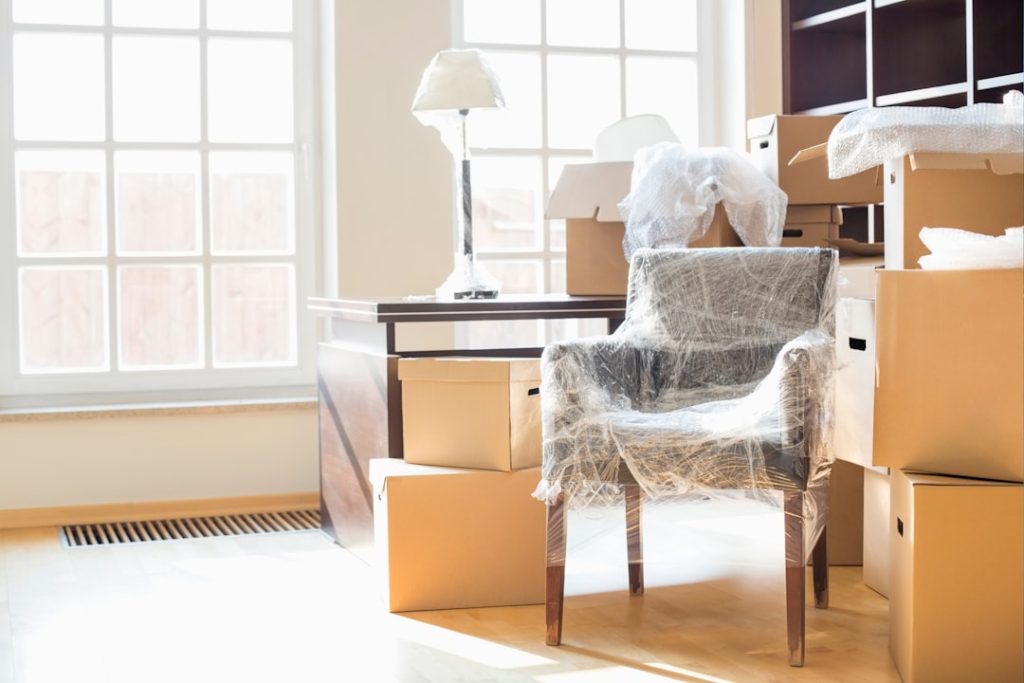
Protect your furniture by wrapping it in breathable materials like cotton sheets or moving blankets. Avoid plastic wrap directly on wood as it can trap moisture and cause damage.
Cushion fragile parts with bubble wrap or foam. Cover cushions and upholstery with fabric covers to prevent dust buildup and pest infestations.
Are you covering your furniture adequately to shield it from humidity and dust? Proper wrapping is your last defense in storage.
Credit: www.extraspace.com
Best Materials For Furniture Protection
Protecting your furniture in storage starts with choosing the right materials. Using effective covers and wraps can prevent dust, moisture, and scratches from damaging your valuable pieces. Let’s look at some of the best options to keep your furniture safe and sound.
Furniture Covers And Blankets
Furniture covers and moving blankets are essential for shielding your items from dust and minor impacts. Thick, padded blankets absorb shocks and prevent scratches, especially on wood and glass surfaces.
Look for covers made from breathable fabrics to avoid trapping moisture, which can cause mold or mildew. If you’ve ever seen a piece of furniture ruined by dampness in storage, you know how important this is. Covers also come in waterproof varieties, which add another layer of protection if your storage space is prone to leaks.
Plastic Wrap And Bubble Wrap
Plastic wrap is great for sealing off furniture to keep dust and moisture out. It clings tightly and is easy to use on irregular shapes like chairs or carved wood.
Bubble wrap adds cushioning and is perfect for fragile details such as glass tabletops or delicate legs. However, avoid wrapping entire wooden pieces in plastic without any airflow—it can trap moisture and cause damage over time.
Avoiding Harmful Materials
Not all materials protect your furniture equally. Avoid using plastic tarps or sheets that aren’t breathable, as they trap humidity and lead to warping or mold growth.
Also, steer clear of newspaper or printed paper for wrapping. The ink can transfer to your furniture, leaving stains that are hard to remove. Instead, choose acid-free paper or unprinted cloths for a safer option.
Have you checked what materials your storage facility allows? Using the right protective gear can make the difference between a furniture piece that looks new and one that arrives damaged. What’s the one item you’d never store without proper protection?
Stacking And Arranging Furniture Safely
Stacking and arranging furniture safely in storage protects your items from damage. Proper placement avoids dents, scratches, and warping. It also helps maximize space and keeps your furniture stable. Careful planning of weight and support prevents accidents and preserves your furniture’s shape.
Weight Distribution Tips
Place heavier furniture pieces at the bottom. This keeps the stack stable and avoids crushing lighter items. Distribute weight evenly across the floor or shelves. Avoid piling heavy items on delicate pieces. Use cushions or padding between items to reduce pressure points.
Using Pallets And Shelving
Use pallets to keep furniture off the ground. This prevents moisture damage and improves air circulation. Shelving units help organize smaller pieces neatly. Adjustable shelves fit different furniture sizes. Ensure shelves can hold the weight to prevent collapse. Pallets and shelves keep your storage clean and dry.
Preventing Warping And Crushing
Store wood furniture flat to avoid warping. Avoid stacking items directly on tabletops or chairs. Use protective covers to shield surfaces from dust and moisture. Keep space between items for air flow. Place heavier pieces on sturdy bases to prevent crushing. Regularly check furniture to catch issues early.
Regular Checks And Maintenance During Storage
Regular checks and maintenance keep furniture safe during storage. They help catch problems early and prevent damage. Small efforts now save costly repairs later. Simple routines protect wood, fabric, and metal from harm.
Inspecting For Damage
Look closely at furniture surfaces for cracks or scratches. Check joints and legs for looseness or wobbling. Examine fabric for tears, stains, or mold spots. Catching issues early stops them from growing worse. Use a soft cloth and good light for inspection.
Pest Control Measures
Keep pests away by sealing storage boxes and rooms tightly. Place natural repellents like cedar blocks or lavender sachets near furniture. Avoid food or trash inside storage areas. Regularly check for signs of insects or rodents. Early detection prevents nests and damage.
Adjusting For Seasonal Changes
Temperature and humidity affect furniture in storage. Use a dehumidifier or moisture absorbers in damp places. Open the storage unit occasionally to air out furniture. Cover items with breathable cloths to avoid dust buildup. Adjust care routines based on weather shifts to maintain condition.
When To Consider Professional Storage Services
Choosing professional storage services protects furniture from damage during long-term storage. Experts provide controlled environments that prevent moisture, dust, and pests. This care helps keep furniture looking new and sturdy.
Professional storage suits valuable or fragile items. It saves time and effort in packing and moving. Professionals use the right materials and techniques to secure each piece safely.
Benefits Of Expert Handling
- Proper packing to avoid scratches and dents
- Climate control to prevent warping and mold
- Secure storage reducing theft risks
- Efficient space use for better organization
- Insurance options for peace of mind
Special Care For Antique And Delicate Pieces
Antique furniture needs gentle handling and special wrapping. Experts understand how to protect wood, fabric, and finishes. They avoid harsh chemicals and rough materials.
Delicate pieces require padded crates or customized covers. Professionals also monitor storage conditions to prevent damage from humidity or temperature changes. This care preserves the value and beauty of antiques.

Credit: couch.co

Credit: www.fillingthejars.com
Frequently Asked Questions
Can Storage Units Damage Furniture?
Furniture can be damaged in storage due to humidity, pests, or improper packing. Using climate-controlled units can help reduce risk. Wrap items in protective coverings and keep them elevated. Regular checks and maintenance are also essential to ensure furniture stays in good condition.
How To Protect Furniture In Storage?
Protect furniture by using climate-controlled storage and covering items with protective materials. Elevate furniture off the ground to prevent moisture damage. Ensure proper ventilation and avoid over-stacking. Regularly check and maintain the condition of stored items. This helps to keep furniture safe and intact.
Is Climate Control Necessary For Furniture Storage?
Climate control is vital for furniture storage to prevent damage from humidity and temperature changes. It reduces the risk of warping, mold, and mildew. Climate-controlled units maintain stable conditions, ensuring furniture stays in good shape. They offer a safer environment than regular storage units.
What Materials Are Best For Wrapping Furniture?
Use breathable materials like furniture blankets and bubble wrap for wrapping furniture. These materials protect against scratches and dust while allowing airflow. Avoid plastic wrap directly on wood, as it can trap moisture. Proper wrapping ensures furniture remains in good condition during storage.
Conclusion
Furniture can stay safe in storage with the right care. Keep it dry, clean, and covered to avoid damage. Choose a good storage unit with proper ventilation. Regular checks help catch problems early. Proper packing protects wood, fabric, and metal parts.
Small steps make a big difference. Your furniture can look great even after storage. Smart choices keep your items fresh and strong. Storage does not have to ruin your furniture. Simple care keeps your furniture ready for use.