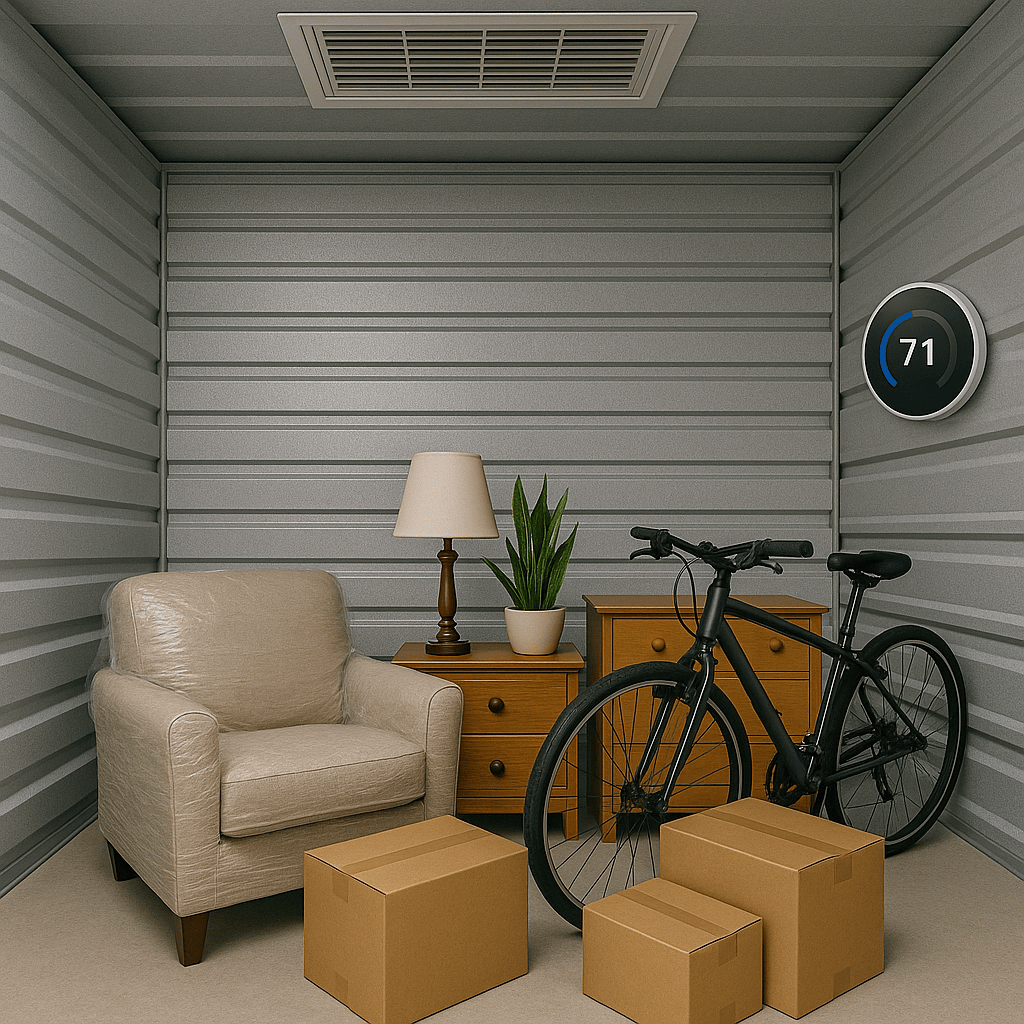
Are you planning to store your furniture but unsure if an air conditioned storage unit is necessary? Your furniture is more than just items; they hold memories and value.
Choosing the right storage can protect your investment and keep your pieces looking great. But how do you know if air conditioning makes a difference? Keep reading to discover why this simple choice could save your furniture from damage and stress you a lot less.
Why Climate-controlled Storage Matters
Climate-controlled storage units protect furniture from harsh weather changes. These units keep temperature and humidity steady. This care helps preserve your furniture’s condition over time.
Wood, leather, and fabric furniture need stable environments. Sudden heat or moisture can cause warping, cracking, or mold growth. Climate control stops these problems before they start.
Protecting Furniture From Moisture Damage
High humidity causes wood to swell and warp. Leather can grow mold or mildew in damp spaces. Climate-controlled units reduce moisture, keeping your furniture dry and safe.
Preventing Temperature-related Wear And Tear
Extreme heat dries out wood and leather, making them brittle. Cold can cause materials to contract and crack. Stable temperatures slow down this damage.
Maintaining Value And Appearance
Proper storage keeps furniture looking new. It preserves paint, finishes, and fabric colors. This care helps maintain its value over time.
Reducing Pest Infestations
Pests thrive in warm, humid areas. Climate control discourages insects and rodents. Your furniture stays clean and pest-free.
Impact Of Temperature On Furniture
Furniture reacts strongly to changes in temperature and humidity. These factors can cause damage over time. Understanding how temperature impacts different materials helps protect your furniture. Proper storage conditions prevent costly repairs and keep your pieces looking fresh.
Wood And Humidity
Wood absorbs moisture from the air. High humidity causes wood to swell and warp. Low humidity makes it dry and crack. Constant changes in moisture lead to splitting and weakening joints. Temperature changes also affect wood’s natural oils, drying it out. Controlling humidity preserves wood’s shape and strength.
Fabric And Temperature Fluctuations
Fabrics are sensitive to heat and cold. High temperatures can fade colors and weaken fibers. Cold temperatures make fabric stiff and brittle. Sudden temperature shifts cause materials to expand and contract. This stress leads to tears and wear. Keeping fabric in a stable climate extends its life.
Metal And Corrosion
Metal parts in furniture face rust risks. Warm, moist air speeds up corrosion. Dry air slows down rust but can cause brittleness. Temperature swings cause metal to expand and contract. This movement weakens joints and fasteners. Controlled temperature storage reduces rust and damage.
Benefits Of Air Conditioned Storage Units
Choosing an air conditioned storage unit for your furniture offers more than just space—it actively protects your valuable items from environmental risks. These units control the climate inside, ensuring your furniture stays in great condition over time. Understanding the specific benefits can help you decide if this option is right for your storage needs.
Protection From Moisture
Moisture is a major enemy of furniture, especially pieces made of wood or upholstered fabrics. An air conditioned storage unit controls humidity levels, preventing moisture from accumulating on or inside your furniture. This helps avoid warping, swelling, or cracking that can ruin the integrity and appearance of your items.
Maintaining Consistent Temperature
Fluctuating temperatures can cause materials like wood and leather to expand and contract repeatedly. This constant change weakens joints and finishes over time. Air conditioned storage units keep the temperature steady, reducing stress on your furniture and preserving its structural strength.
Prevention Of Mold And Mildew
Have you ever noticed a musty smell when opening an old storage space? That’s often mold or mildew, which thrive in damp, warm conditions. By maintaining low humidity and stable temperatures, air conditioned units drastically lower the chances of mold growth, keeping your furniture fresh and safe.

Credit: www.extraspace.com
Choosing The Right Storage Unit
Choosing the right storage unit for your furniture protects your investment. The right choice depends on several factors. Consider the type of furniture, local climate, and cost to make an informed decision.
Assessing Your Furniture Type
Different furniture materials need different care. Wooden furniture can warp or crack in extreme temperatures. Upholstered pieces may suffer from mold or mildew. Delicate antiques require stable conditions to avoid damage. Identify your furniture’s material to decide the storage needs.
Evaluating Local Climate Conditions
Climate plays a big role in furniture preservation. Humid areas increase the risk of mold and mildew. Dry places can cause wood to dry out and crack. Temperature swings can affect glued joints and finishes. Air-conditioned units keep temperature and humidity steady. Consider your area’s weather patterns before choosing.
Cost Considerations
Air-conditioned units cost more than standard storage. Balance the protection benefits with your budget limits. Think about how long the furniture will stay stored. For short-term storage, a regular unit might work. For long-term or valuable items, investing in climate control makes sense. Compare prices and features carefully before deciding.
Alternatives To Air Conditioned Units
Not every furniture storage need requires an air conditioned unit. Alternatives exist that protect your items from moisture and damage. These options help keep furniture safe without the extra cost of climate control. They work well in areas with moderate temperatures and humidity.
Using Protective Covers
Protective covers shield furniture from dust, dirt, and scratches. Use breathable fabrics like cotton or canvas to avoid trapping moisture. Plastic covers can cause condensation, which harms wood and fabric. Covers help maintain the furniture’s surface and reduce wear over time.
Desiccants And Moisture Absorbers
Desiccants absorb excess moisture in the air. Common types include silica gel packets and clay-based absorbers. Place them near or inside furniture to prevent mold and mildew. Replace or recharge these regularly to keep them effective. They are a low-cost option to control humidity in storage.
Regular Inspections And Maintenance
Check your stored furniture often for signs of damage or moisture. Look for mold, stains, or warping. Clean and dry items if needed before returning them to storage. Early detection prevents long-term harm. Regular care extends the life of your furniture without special storage units.
Credit: smartstopselfstorage.com
Tips For Storing Furniture Safely
Storing furniture safely protects your investment and keeps items in good shape. Proper care prevents damage from dust, moisture, and pests. Follow simple steps to prepare and arrange your pieces before storage. Regular checks help catch problems early and maintain quality over time.
Cleaning And Preparing Furniture
Clean each item thoroughly before storage. Dust and dirt can cause stains or attract pests. Use a soft cloth and mild cleaner for wood and metal. Vacuum fabric surfaces to remove dust and crumbs. Let furniture dry completely to avoid mold and mildew growth. Remove cushions and store them separately in breathable bags.
Proper Arrangement And Stacking
Place furniture on pallets or blocks to keep it off the floor. This prevents moisture damage. Avoid stacking heavy items on top of delicate pieces. Use blankets or pads between stacked furniture to stop scratches. Store chairs and tables upside down if space is tight. Leave space for air circulation around each item.
Regular Monitoring
Check your stored furniture every few weeks. Look for signs of mold, pests, or damage. Open the storage unit to let fresh air in. Adjust covers or padding if needed. Use moisture absorbers to control humidity. Early detection helps avoid costly repairs later.

Credit: www.facebook.com
Frequently Asked Questions
What Is An Air Conditioned Storage Unit?
An air conditioned storage unit controls temperature and humidity. It protects sensitive items like furniture from damage caused by extreme heat, cold, or moisture. This unit helps maintain your furniture’s condition over long storage periods.
Do All Furniture Types Need Air Conditioning?
Not all furniture requires air conditioning. Delicate wooden, leather, or antique pieces benefit most. These materials can crack or warp without climate control. Sturdy items like metal or plastic usually do fine in regular storage.
How Does Humidity Affect Stored Furniture?
High humidity can cause wood swelling, mold, and mildew on furniture. Low humidity may dry out wood, causing cracks. Air conditioned units maintain optimal humidity, preventing damage and preserving your furniture’s integrity during storage.
Is Air Conditioned Storage More Expensive?
Yes, air conditioned storage units typically cost more. The extra cost covers temperature and humidity control. However, this investment protects valuable or sensitive furniture, potentially saving money on repairs or replacements later.
Conclusion
Choosing air-conditioned storage protects your furniture from heat and moisture. It keeps wood from warping and fabric from molding. This storage type helps maintain your furniture’s look and value. Without it, items may suffer damage over time. Think about how long you’ll store your pieces.
For delicate or valuable furniture, air conditioning is wise. It offers peace of mind and better preservation. Your furniture deserves the right care, no matter the season. Simple steps can save you money on repairs later. Protect your investment with smart storage choices today.