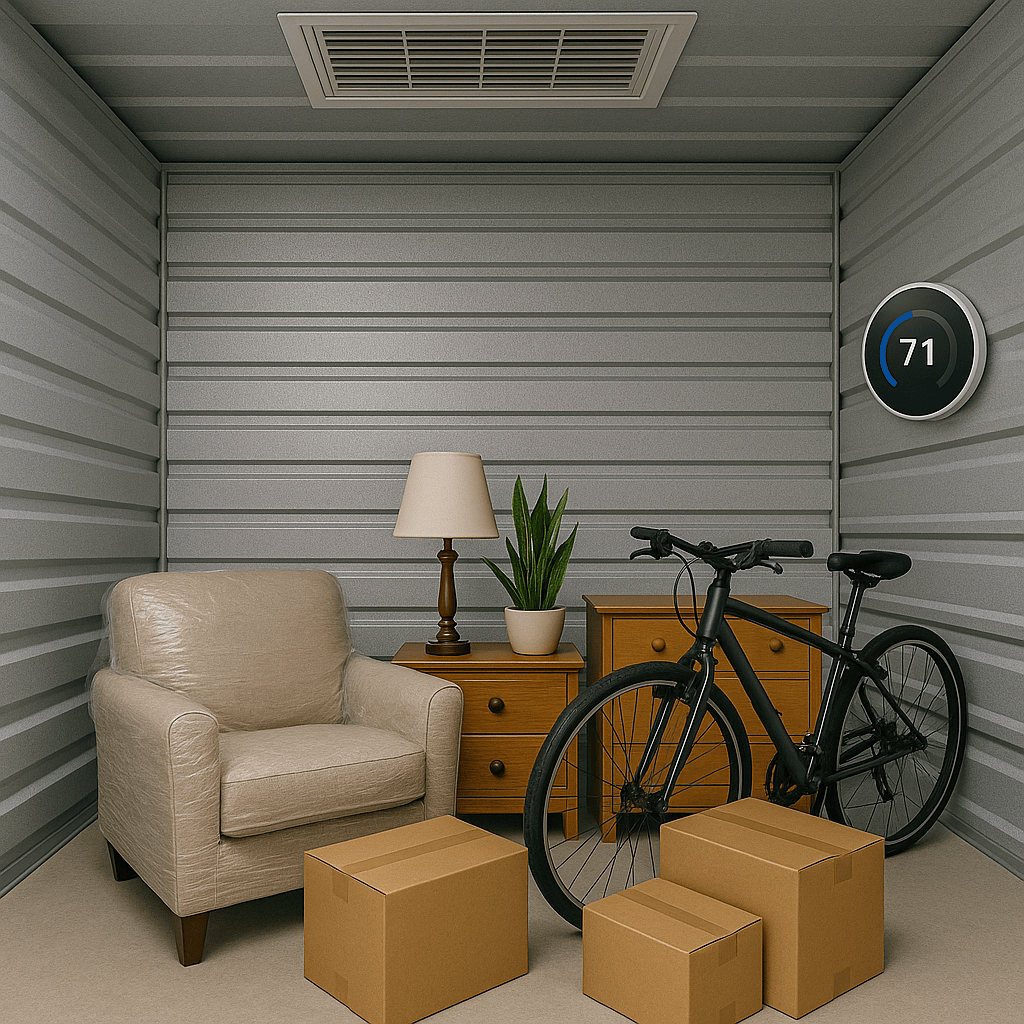
Are you thinking about storing your furniture but aren’t sure if a climate controlled storage unit is necessary? You might wonder if it’s worth the extra cost or if your furniture can simply handle the regular storage environment.
The truth is, your furniture’s condition depends a lot on where and how you keep it. Imagine opening your storage unit months later to find your favorite pieces warped, cracked, or moldy. That’s a situation you definitely want to avoid.
You’ll discover exactly when a climate controlled unit makes sense, how it protects your furniture, and whether it’s the right choice for you. Keep reading to make the smartest decision for your valuable belongings.
What Is Climate Controlled Storage?
Climate controlled storage is a specialized type of storage designed to keep your belongings safe from extreme temperature and humidity changes. It’s especially important for items that can warp, crack, or deteriorate when exposed to fluctuating weather conditions. If you’ve ever stored wooden furniture only to find it cracked or moldy afterward, you know why this matters.
Features Of Climate Controlled Units
- Temperature Regulation:These units maintain a steady temperature, usually between 55°F and 85°F, protecting items from heat damage or freezing.
- Humidity Control:By controlling moisture levels, the units prevent mold, mildew, and rust from forming on your furniture and other sensitive items.
- Indoor Location:Climate controlled units are typically located inside buildings, shielding your belongings from outside elements like rain, wind, and dust.
- Ventilation:Proper air circulation helps avoid stale air and reduces condensation inside the unit.
How Climate Control Works
Climate controlled storage uses HVAC systems similar to those in your home but tuned to keep conditions steady. Sensors monitor temperature and humidity, triggering heating, cooling, or dehumidifying equipment as needed.
This precise control means your furniture won’t face sudden changes that cause wood to crack or fabric to mildew. Imagine storing your heirloom dresser in a unit where the environment is kept just right, so it looks as perfect when you return as when you left it.
Think about the last time you noticed how a wooden chair felt brittle after a cold winter. Climate control avoids that by keeping conditions stable year-round. This gives you peace of mind, knowing your furniture is protected no matter how harsh the weather outside.
Benefits For Furniture Storage
Choosing the right storage option for your furniture can make a big difference in how well it holds up over time. Climate controlled storage units offer several benefits that go beyond just keeping your items out of sight. These units help maintain your furniture’s condition by managing the environment around it, which is especially important for delicate or valuable pieces.
Protection From Temperature Fluctuations
Furniture is sensitive to extreme temperature changes. Wood can expand and contract, causing cracks or warping. Upholstery and leather may dry out or become brittle when exposed to heat or cold.
With climate controlled storage, the temperature stays steady. This prevents sudden shifts that can damage your furniture’s structure and appearance. Have you ever noticed how a wooden chair can feel different after a cold winter? That’s exactly what you want to avoid when storing your items.
Humidity Control Advantages
Humidity is a major enemy of furniture, especially wood and fabric. Too much moisture leads to mold, mildew, and unpleasant odors. Too little moisture can cause drying and splitting.
Climate controlled units keep humidity levels balanced. This means your furniture won’t absorb excess moisture or become overly dry. You protect your investment from the slow damage that often goes unnoticed until it’s too late.
Preservation Of Material Integrity
Different materials require different care, but all benefit from a stable environment. Climate controlled storage helps maintain the original texture, color, and strength of your furniture materials.
Leather stays supple, wood retains its finish, and fabrics avoid fading or weakening. Think about how frustrating it is to find your favorite chair damaged after storage—it’s an experience many regret. You can avoid that by choosing a unit designed to preserve what matters most to you.
Risks Of Standard Storage
Standard storage units often expose furniture to changing temperatures and humidity. This exposure can cause damage that reduces furniture’s life and beauty. Understanding these risks helps protect valuable pieces during storage.
Potential Damage From Heat
Heat causes wood to dry out and crack. Glue joints may loosen, making furniture unstable. Upholstery fabrics can fade or become brittle. High temperatures also speed up the aging of finishes and paint.
Effects Of Cold On Furniture
Cold temperatures can make wood shrink and warp. Extreme cold may cause finishes to crack or peel. Leather and fabric become stiff, increasing the chance of tears. Sudden temperature changes can worsen these effects.
Moisture And Mold Concerns
Standard units often lack proper humidity control. Moisture leads to mold, mildew, and unpleasant odors. Mold stains wood and fabric, causing permanent damage. Dampness attracts pests that eat away at furniture.

Credit: www.goempiremovers.com
Types Of Furniture That Require Climate Control
Not all furniture needs the same level of care when stored. Understanding which pieces require climate control can save you from costly damage. Certain materials and designs are more sensitive to temperature and humidity changes, making climate controlled storage essential for preserving their condition.
Wooden Furniture
Wood is highly sensitive to moisture and temperature swings. If your wooden tables, chairs, or cabinets get exposed to fluctuating humidity, they may warp, crack, or develop mold. Solid hardwood and veneer pieces both benefit from a stable environment to maintain their shape and finish.
Ask yourself: Would you risk losing the smooth finish or tight joints of your wooden furniture? Keeping these items in a climate controlled unit prevents the wood from expanding and contracting, which often causes permanent damage.
Upholstered Items
Upholstered furniture like sofas and armchairs can absorb moisture and odors easily. Without climate control, fabric can become musty, and stuffing materials might degrade faster. This is especially true for natural fabrics such as cotton or wool.
Think about the last time you left a couch in a damp basement. The mildew smell is tough to remove and can ruin your furniture’s comfort and appearance. Climate controlled storage reduces this risk by maintaining a dry, consistent temperature.
Antiques And Collectibles
Antiques often combine wood, fabric, and delicate finishes that need extra protection. Climate control helps prevent fading, cracking, and other damage caused by extreme conditions. Collectibles, including fine art or vintage items, also require a stable environment to keep their value intact.
Do you want to preserve your family heirlooms or valuable finds for future generations? Choosing a climate controlled unit safeguards these pieces from the unpredictable effects of heat and moisture, ensuring they stay in pristine condition.
Cost Considerations
Cost is a major factor when deciding if a climate controlled storage unit is right for your furniture. You want to protect your valuable pieces without overspending. Understanding the costs involved helps you weigh whether the benefits justify the price.
Comparing Prices
Climate controlled units generally cost more than standard storage. Prices can range from 20% to 50% higher, depending on location and facility quality. You might pay $100 a month for a regular unit, but $150 or more for climate control.
Think about how long you’ll need storage. If it’s short-term, the extra cost might feel steep. But for long-term storage, the difference can add up significantly.
Some facilities offer discounts for longer rentals or prepayment. Always ask about hidden fees like insurance or access charges. These can push your total cost higher than expected.
Value Vs. Expense
Ask yourself: What’s the true value of your furniture? Antique or high-end pieces might justify the higher price for climate control. The expense can protect against damage like warping, mold, or fading.
If your furniture is inexpensive or easily replaceable, standard storage might be enough. However, cheap furniture damaged by humidity can still cost you more in the long run.
Consider the peace of mind you gain. Is it worth paying extra to avoid stress and potential loss? Sometimes, spending more upfront saves you from costly repairs or replacements later.
Choosing The Right Storage Unit
Choosing the right storage unit is crucial to protect your furniture and avoid unexpected damage. The decision depends on several factors that go beyond just size and price. Understanding your specific needs can save you time, money, and frustration down the road.
Assessing Your Needs
Start by evaluating what kind of furniture you need to store. Is it sensitive to temperature changes, like wooden antiques or leather sofas? If so, a climate controlled unit might be necessary to prevent warping, cracking, or mold growth.
Consider how long you plan to store your items. Short-term storage might not need as much protection as long-term storage. Also, think about how often you’ll need access—if you’re frequently retrieving items, convenience becomes a priority.
Location And Accessibility
Choose a storage facility close to your home or workplace to make moving easier. Think about the hours of access they offer; some places restrict entry during evenings or weekends, which could be inconvenient.
Check if the unit is on ground level or requires elevator use. Heavy or bulky furniture is easier to move in ground-level units. Also, look for wide driveways and loading docks that simplify the moving process.
Security Features
Security is non-negotiable when storing valuable furniture. Look for facilities with surveillance cameras, gated access, and on-site staff. Individual unit alarms add an extra layer of protection.
Ask about insurance options. Even with strong security, accidents or theft can happen. Knowing your furniture is insured can give you peace of mind.
Tips For Packing Furniture In Storage
Packing furniture for storage takes more than just placing items inside a unit. You want to protect your pieces from damage, dust, and moisture. Paying attention to how you prepare, arrange, and maintain your furniture can save you time and money later.
Preparing Furniture
Start by cleaning every piece thoroughly. Dirt and grime can cause stains or attract pests during storage. Remove cushions, pillows, and any removable parts, then wrap delicate items in moving blankets or bubble wrap.
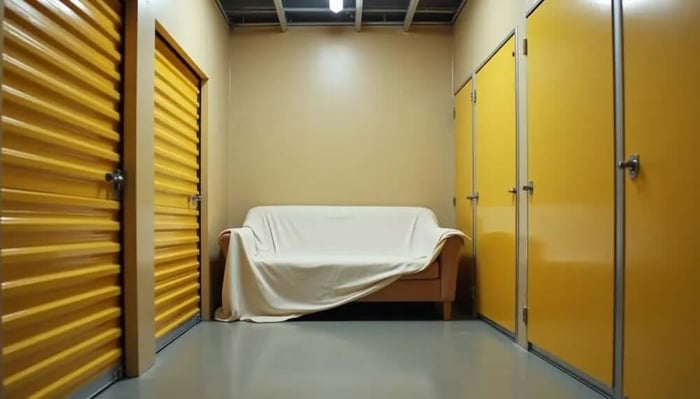
Use plastic wrap to cover wooden surfaces, but avoid sealing furniture completely in plastic bags, as this can trap moisture. Label each wrapped item clearly so you know what’s inside without unwrapping.
Optimal Arrangement
Think about the shape and size of your furniture when placing it in the storage unit. Place heavier pieces like dressers and tables on the bottom to create a solid base. Stack lighter or smaller items on top, but avoid putting anything heavy on fragile furniture.
Keep sofas and mattresses upright to save space and prevent sagging. Leave small gaps between pieces to allow air circulation, which helps reduce the risk of mold and mildew. Would you want to dig through a tangled mess? Keep pathways clear for easy access.
Regular Maintenance Checks
Check on your stored furniture regularly. Inspect for signs of moisture, pests, or shifting items. Catching problems early can prevent costly damage.
If you notice any dampness or mold, address it immediately by airing out the unit or using moisture absorbers. Are you willing to risk your valuable furniture by neglecting these simple checks? A little attention goes a long way.

Credit: m.facebook.com
Credit: www.storagestar.com
Frequently Asked Questions
What Is A Climate Controlled Storage Unit?
A climate controlled storage unit maintains stable temperature and humidity. It protects sensitive items like wood and leather furniture from damage. This prevents warping, cracking, and mold growth. It is ideal for long-term furniture storage in varying climates.
Why Choose Climate Controlled Storage For Furniture?
Climate controlled storage safeguards furniture from extreme heat, cold, and moisture. This reduces risks of deterioration and preserves value. It is especially important for antique, wooden, or leather pieces. Overall, it extends the lifespan of your stored furniture.
How Does Climate Control Protect Wooden Furniture?
Wooden furniture is vulnerable to humidity and temperature changes. Climate control keeps these factors stable, preventing warping and cracking. It also reduces the chance of mold and mildew. This ensures your wooden furniture stays in excellent condition.
Is Climate Controlled Storage More Expensive?
Yes, climate controlled units typically cost more than standard units. The extra cost covers temperature and humidity regulation technology. However, the protection they offer often outweighs the price difference. It is a worthwhile investment for valuable or delicate furniture.
Conclusion
Choosing a climate controlled storage unit protects your furniture from damage. It keeps items safe from heat, moisture, and pests. This option suits valuable or delicate pieces best. You avoid warping, cracking, and mold growth. Your furniture stays in good shape for years.
Think about how long you need storage. Consider the value and type of your furniture. A small extra cost can save big repair bills. Protect your investment with smart storage choices. Simple steps can keep your furniture looking new.