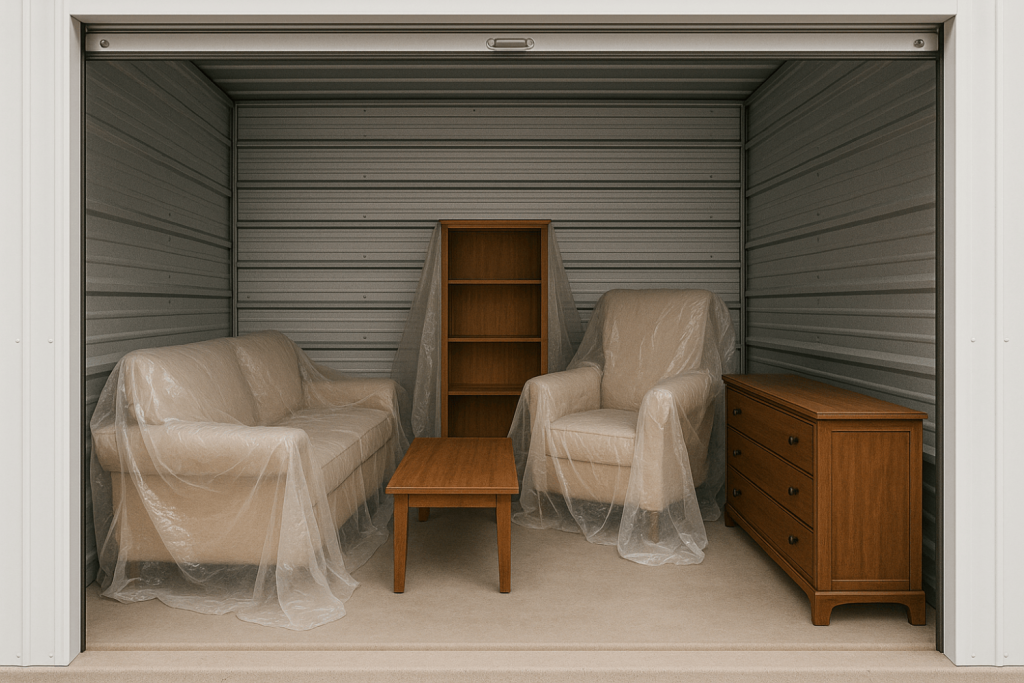
Are you worried about protecting your furniture while it’s in storage? You’re not alone.
Dust, moisture, and scratches can damage your valuable pieces if they’re not covered properly. But don’t worry—covering your furniture the right way is simpler than you think. You’ll discover easy, effective methods to keep your furniture safe and looking great.
By the end, you’ll have the confidence to store your items without stress or damage. Keep reading to learn how to shield your furniture the smart way.

Credit: www.amazon.com
Choosing The Right Cover Materials
Choosing the right cover materials is essential for protecting your furniture during storage. The cover must shield against dust, dirt, and damage. It also needs to allow air circulation to avoid moisture buildup. Picking the correct material can extend the life of your furniture and keep it in good shape.
Plastic Covers Vs. Fabric Covers
Plastic covers are cheap and waterproof. They stop dust and spills but trap moisture inside. This can cause mold or mildew on wood and fabric furniture.
Fabric covers, such as cotton or canvas, breathe better. They let air flow and reduce moisture risks. Fabric covers are softer and less likely to scratch surfaces.
Breathable Options To Prevent Moisture
Breathable covers help keep furniture dry during storage. Materials like cotton, muslin, and canvas work well. These fabrics allow moisture to escape while blocking dust.
Some covers combine plastic and fabric layers. The outer layer repels water, while the inner fabric lets air pass. This balance protects furniture from dampness and dirt.
Using Furniture Blankets And Pads
Furniture blankets and pads add extra protection. They cushion furniture against bumps and scratches. These thick, padded covers also absorb moisture.
Use blankets or pads under fabric or plastic covers. They create a barrier that prevents damage during moving and storage. Many furniture pads are reusable and easy to clean.
Preparing Furniture Before Covering
Preparing furniture before covering it for storage is crucial. Proper preparation protects furniture from damage. It helps keep furniture clean and in good condition. Taking time to prepare will save effort later. Follow simple steps to get furniture ready.
Cleaning And Drying Surfaces
Clean furniture surfaces thoroughly. Use a soft cloth and gentle cleaner. Remove dust, dirt, and stains carefully. Avoid using too much water. After cleaning, dry surfaces completely. Moisture can cause mold and damage. Make sure no damp spots remain.
Disassembling Large Pieces
Take apart large furniture if possible. Remove legs, cushions, or shelves. Disassembling makes moving easier. It also helps cover pieces better. Keep screws and small parts in labeled bags. Store these bags safely with the furniture parts.
Protecting Delicate Parts
Cover fragile areas with soft padding. Use bubble wrap or foam sheets. Pay attention to glass, carvings, and handles. Protect these parts from scratches and breaks. Secure padding with tape without sticking to furniture. This step prevents damage during storage.
Covering Techniques For Different Furniture Types
Different types of furniture need different covering techniques to stay protected during storage. Using the right method keeps your pieces safe from dust, moisture, and damage. Let’s look closely at how to cover sofas, tables, and wooden cabinets effectively.
Sofas And Chairs
Start by removing any loose cushions and wrapping them separately. Use breathable furniture covers or thick cotton sheets to prevent moisture buildup. Avoid plastic wrap directly on fabric; it traps humidity and can cause mold.
For leather furniture, a soft cloth cover works best to avoid scratches. If you have delicate fabric, try using old bedsheets or slipcovers. Padding corners with foam or bubble wrap protects arms and legs from bumps.
Tables And Desks
Tables and desks need full surface protection to avoid scratches and stains. Use a thick blanket or moving pad as a base layer. Then cover with a plastic sheet or tarp to keep dust and spills out.
Pay attention to table legs and edges. Wrapping these with foam or bubble wrap prevents chips and dings during moves or stacking. If your table has glass parts, separate them if possible and cover with extra padding.
Wooden Cabinets And Shelves
Wood is sensitive to moisture, so use breathable covers like canvas or cotton sheets. Avoid plastic directly on wood, as condensation can cause warping or mold. Place silica gel packets inside cabinets to absorb excess humidity.
Remove all loose shelves and wrap separately. Secure doors and drawers with tape or rope to prevent them from opening but avoid tight bindings that can damage the finish. Have you checked how your wooden furniture reacts to different storage environments?

Credit: www.facebook.com
Securing Covers For Long-term Storage
Securing covers for long-term storage protects your furniture from dust, moisture, and pests. Properly fastened covers prevent shifting and damage over time. It also keeps your storage space neat and organized.
Focus on tight and safe coverage. Avoid loose areas that allow dust or bugs to enter. Use the right tools and techniques to keep covers in place for months.
Using Tape And Straps Safely
Choose painter’s tape or masking tape to avoid sticky residue. Wrap the tape gently around the cover and furniture edges. Avoid using duct tape directly on wood or fabric surfaces.
Use adjustable straps or bungee cords to hold large covers firmly. Secure straps without squeezing or damaging furniture parts. Check strap tension regularly during storage.
Avoiding Wrinkles And Gaps
Stretch covers smoothly over furniture surfaces. Smooth out wrinkles by pulling covers tight but not too hard. Wrinkles can trap moisture and cause mold or stains.
Check all sides for gaps where dust or bugs could enter. Use extra fabric or plastic sheets to fill any open spaces. Make sure covers fit snugly around legs and arms.
Labeling Covered Items
Attach clear, waterproof labels on the outside of covers. Write the item name and room location for easy identification. Use large, readable letters to save time later.
Keep a master list of all covered furniture and their labels. This helps track inventory and speeds up unpacking. Use simple words and avoid abbreviations to prevent confusion.
Preventing Damage During Storage
Preventing damage during furniture storage is essential to keep your items safe and looking good. Proper care protects against warping, mold, and pests. Taking simple steps can save money and effort later. Covering furniture well and maintaining the storage space helps preserve its condition over time.
Controlling Humidity And Temperature
Humidity can cause wood to swell or crack. Mold and mildew grow in damp conditions. Keep storage areas dry and well-ventilated. Use a dehumidifier if needed to control moisture. Maintain a steady temperature to avoid extreme heat or cold. Sudden changes can damage furniture materials.
Protecting Against Pests
Insects and rodents can ruin furniture finishes and fabrics. Seal cracks and gaps in storage rooms to stop pests. Use natural repellents like cedar blocks or lavender sachets. Avoid food or plants near stored furniture. Check for signs of pests regularly to catch issues early.
Regular Inspection And Maintenance
Check your furniture every few weeks during storage. Look for signs of moisture, pests, or damage. Wipe down surfaces to remove dust and dirt. Adjust covers and wraps to ensure full protection. Early detection of problems prevents costly repairs later.

Credit: www.amazon.com
Frequently Asked Questions
How Do I Protect Furniture From Dust In Storage?
Use breathable furniture covers or clean sheets to shield your furniture. Avoid plastic wraps as they trap moisture and cause damage.
What Materials Are Best For Covering Furniture In Storage?
Cotton sheets, canvas, or specialized furniture covers work best. These materials allow airflow and prevent dust buildup.
Should I Disassemble Furniture Before Covering It?
Yes, disassembling saves space and reduces stress on joints. Cover each piece separately for better protection.
How Can I Prevent Moisture Damage On Stored Furniture?
Place moisture absorbers or silica gel packs near furniture. Ensure storage area is dry and well-ventilated to prevent mold.
Conclusion
Covering furniture in storage helps protect it from dust and damage. Use breathable covers to avoid moisture build-up and mold. Wrap delicate items with soft cloth or bubble wrap for extra safety. Keep furniture off the floor to prevent water damage.
Regularly check the covers and furniture condition during storage. These simple steps keep your furniture safe and ready to use later. Taking care now saves time and money in the future. Easy and effective protection makes storage less stressful and more reliable.