
Are you worried about mice sneaking into your stored furniture and causing damage? You’re not alone.
Mice can quickly turn your precious belongings into a mess of chewed wood, fabric, and unpleasant odors. But there’s good news—you can stop them before they even get inside. You’ll discover simple, effective ways to keep mice out of your furniture while it’s in storage.
By taking a few smart steps now, you’ll protect your items and save yourself from costly repairs later. Keep reading to learn exactly what you need to do to keep your furniture safe and mouse-free.

Credit: www.facebook.com
Choose The Right Storage Location
Choosing the right storage location is key to keeping mice away from your furniture. A good spot can protect your items from damage and unwanted pests. The right place reduces the chance of mice making nests or finding food sources near your furniture. Careful selection helps keep your belongings safe and clean.
Avoid Damp And Dark Areas
Mice prefer damp and dark places to hide and breed. These spots provide warmth and shelter. Avoid basements, crawl spaces, or corners with poor air flow. Moisture can also damage your furniture over time. Choose a dry area with good light and ventilation. This makes it less inviting for mice to settle.
Select Elevated Storage Spots
Store furniture off the ground to reduce mouse access. Use shelves, pallets, or racks to lift items. Elevated spots are harder for mice to reach and explore. Keep some space between the floor and furniture legs. This simple step creates a barrier that discourages mice from nesting nearby.
Prepare Furniture Before Storage
Preparing furniture before storage helps keep mice away effectively. Proper preparation removes attractions and blocks entry points. This step reduces the risk of damage while furniture is stored.
Clean Thoroughly
Remove all dirt, crumbs, and food particles from furniture surfaces. Vacuum cushions and crevices to eliminate hidden debris. Wipe wood and metal parts with a mild cleaner. Dry furniture completely to prevent mold and odors. Clean furniture stops mice from finding food or nesting spots.
Repair Holes And Cracks
Inspect furniture for holes, cracks, or gaps. Use wood filler or putty to seal small openings. Replace damaged upholstery or patch tears in fabric. Check undersides and backs for hidden access points. Closing these gaps blocks mice from entering and nesting inside furniture.
Use Natural Deterrents
Keeping mice out of your stored furniture can be tricky, but natural deterrents offer a safe and effective way to protect your belongings. These options don’t involve harsh chemicals, making them perfect for use around your home. Plus, they can add a fresh, pleasant scent to your storage area while discouraging unwanted guests.
Essential Oils That Repel Mice
Essential oils are powerful tools against mice because of their strong smells, which rodents find unpleasant. Peppermint oil is a top choice; just a few drops on cotton balls placed near your furniture can create a scent barrier mice avoid.
Other oils like eucalyptus, tea tree, and citronella also work well. You can mix these oils with water and spray around your storage space to keep mice at bay. Have you tried using essential oils before? Many people notice a significant drop in mouse activity after just a few days.
Herbs And Plants To Place Near Furniture
Certain herbs and plants naturally repel mice and can be placed near your stored furniture for extra protection. Fresh or dried mint, rosemary, and lavender are great options to scatter or place in small sachets.
These plants don’t just smell nice; they create an environment mice want to avoid. You might find that combining herbs with essential oils doubles your defense. Have you considered turning your storage area into a natural mouse-free zone with simple plants?
Apply Physical Barriers
Applying physical barriers is one of the best ways to keep mice away from your stored furniture. These barriers stop rodents from reaching and nesting inside your belongings. By creating strong and secure covers, you protect furniture from damage and contamination. This approach works well alongside other pest control methods.
Cover Furniture With Protective Wraps
Use thick plastic or vinyl wraps to cover your furniture. These materials create a solid shield that mice cannot chew through easily. Wrap all parts, including legs and undersides, to block every possible entry point.
- Choose heavy-duty plastic or shrink wrap.
- Wrap items tightly to avoid loose spots.
- Seal edges with tape to close gaps.
- Cover cushions and soft parts fully.
This protective layer keeps mice out and prevents dust and moisture damage.
Seal Entry Points In Storage Area
Inspect the storage space thoroughly for cracks and holes. Mice can squeeze through very small gaps. Seal every opening using durable materials like steel wool, caulk, or metal mesh.
- Check walls, floors, and ceilings carefully.
- Fill holes larger than 1/4 inch with steel wool.
- Apply caulk around windows and doors.
- Use metal mesh to cover vents and pipes.
Sealing entry points stops mice from entering the entire storage area. This step enhances the protection around your furniture.
Set Traps And Baits Strategically
Setting traps and baits strategically can make a huge difference in keeping mice away from your stored furniture. It’s not just about placing traps randomly; it’s about understanding mouse behavior and using the right tools in the right spots. This approach helps you catch more mice quickly and prevents damage to your valuable items.
Types Of Effective Traps
You have several options to choose from when selecting traps. Snap traps are quick and effective for immediate results. Glue traps catch mice silently but require frequent checking to avoid prolonged suffering.
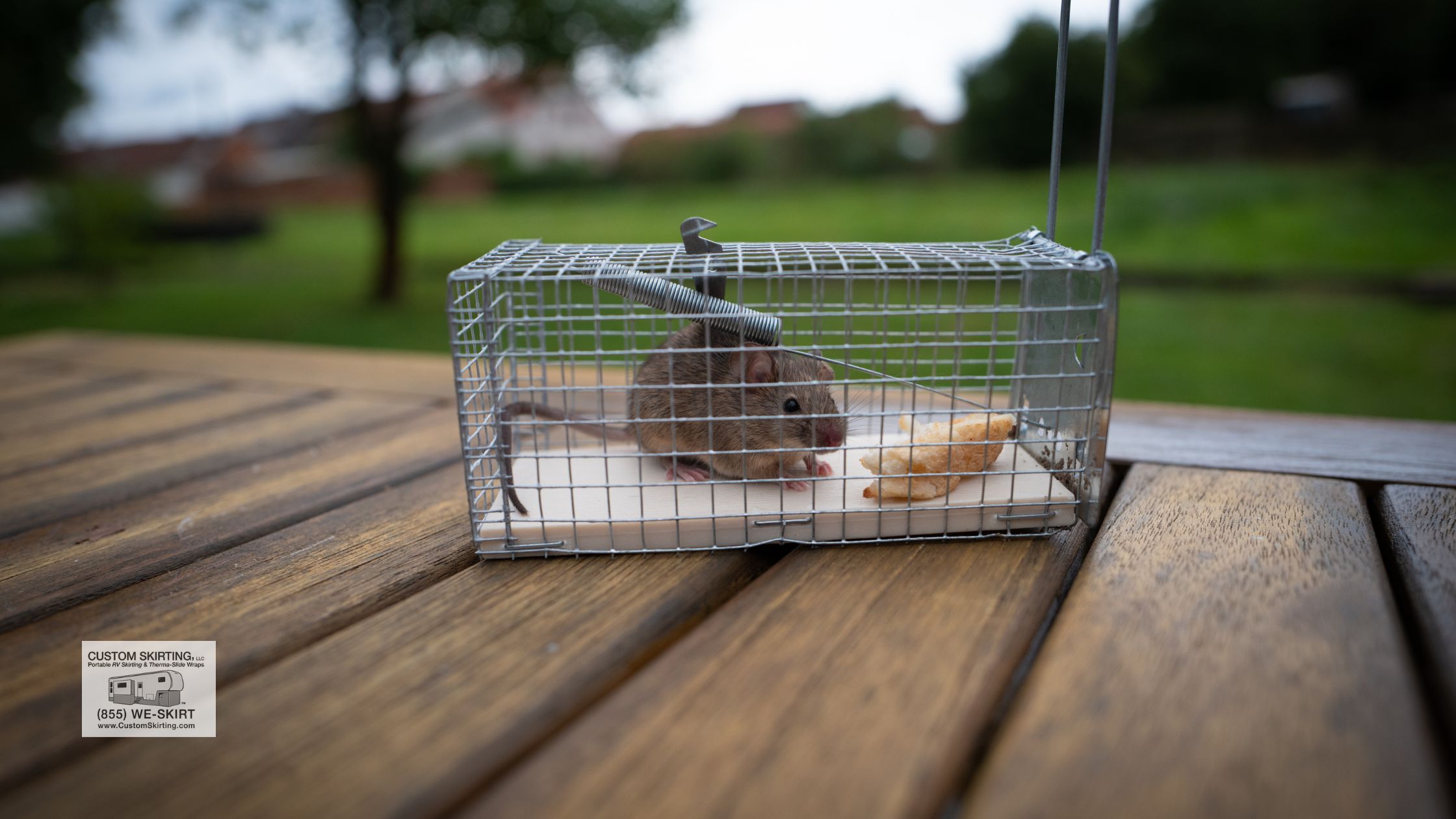
Live traps allow you to catch and release mice without harm. Electronic traps deliver a quick shock and are reusable. Choose traps based on your comfort level and the severity of the infestation.
- Snap traps:High kill rate, easy to set.
- Glue traps:Sticky surface, good for tight spaces.
- Live traps:Humane, catch and release.
- Electronic traps:Fast and reusable.
Safe Placement Tips
Where you place traps is just as important as the type you use. Mice usually run along walls and edges, so place traps there. Avoid open areas where mice rarely travel.
Keep traps out of reach of children and pets by placing them inside storage boxes or behind furniture legs. Check traps regularly to ensure they are working and to remove caught mice promptly.
Ask yourself: Are you setting traps where mice naturally move? Proper placement can turn a frustrating problem into a manageable solution.

Credit: www.avalon-services.com.sg
Maintain Storage Area Regularly
Maintaining the storage area regularly is key to preventing mice from damaging your furniture. A clean and well-checked space makes it harder for mice to settle and create nests. Regular care helps spot problems early and keeps your items safe.
Inspect For Signs Of Mice
Look closely for small droppings, gnaw marks, or shredded material. Check corners, under furniture, and inside boxes. Listen for scratching sounds, especially at night. Early detection helps stop mice before they spread.
Keep Area Clean And Clutter-free
Remove trash and old papers that attract mice. Sweep and vacuum floors to remove crumbs and dust. Avoid stacking items directly on the floor. Use sealed containers for storing fabrics and small pieces. A tidy space leaves no hiding spots for mice.
Consider Professional Pest Control
Professional pest control can help protect your stored furniture from mice damage. These experts have tools and skills to handle infestations safely and effectively. They offer solutions that go beyond simple traps or sprays, ensuring long-term protection for your belongings.
Hiring professionals saves time and reduces the risk of further damage. They also identify entry points and recommend preventive measures. This approach keeps your storage space clean and mouse-free.
When To Call Experts
- Signs of mouse droppings near or inside furniture
- Unusual smells or chewing sounds in storage areas
- Repeated mouse sightings despite using traps
- Damage to furniture or stored items
- Large or growing infestation concerns
What To Expect From Services
- Initial inspection to find entry points and nesting spots
- Safe and targeted treatment options
- Recommendations to prevent future infestations
- Follow-up visits to ensure problem is solved
- Advice on maintaining a pest-free storage environment
Credit: customskirting.com
Frequently Asked Questions
How Can I Prevent Mice From Entering Stored Furniture?
Seal all cracks and holes around storage areas to block mice entry. Use airtight containers and cover furniture with protective wraps to deter them.
What Natural Repellents Keep Mice Away From Furniture?
Peppermint oil, cayenne pepper, and cloves are natural mouse repellents. Soak cotton balls in these oils and place them near furniture corners.
Is It Necessary To Clean Furniture Before Storage?
Yes, clean furniture thoroughly to remove food crumbs and odors. This reduces attraction and makes furniture less appealing to mice.
Can Traps Help Keep Mice Out Of Storage Furniture?
Yes, strategically place traps around storage areas to catch mice early. Use humane or snap traps depending on your preference.
Conclusion
Keeping mice out of furniture in storage takes simple steps. Seal all holes and cracks carefully. Use strong containers that mice cannot chew through. Clean the area well to avoid attracting pests. Place natural repellents like peppermint oil nearby. Check your furniture often for signs of mice.
Taking these actions helps protect your items. Stay consistent to keep your storage space safe. Small efforts now save big problems later. Protect your furniture and avoid unwanted guests.