Are you planning to store your leather furniture but worried about damage? Wrapping your leather pieces the right way can protect them from dust, scratches, and cracks.
If you skip this step or do it incorrectly, your favorite chair or sofa could arrive at its new home looking worn and tired. In this guide, you’ll discover simple, effective techniques to wrap your leather furniture so it stays safe and looks great when you bring it back out.
Keep reading to learn how to give your leather the care it deserves during storage.
Preparing Leather Furniture
Preparing your leather furniture properly before storage is key to keeping it in great shape. Taking time to clean, condition, and check for loose parts prevents damage and extends the life of your pieces. This preparation helps your furniture stay fresh and ready for use when you bring it out again.
Cleaning The Surface
Start by wiping down the leather with a soft, damp cloth to remove dust and dirt. Avoid using harsh chemicals or too much water, as they can dry out or stain the leather. For deeper cleaning, use a leather cleaner designed specifically for your furniture’s type of leather.
Pay attention to seams and crevices where dirt tends to build up. Have you noticed how a quick clean before storage can save you from stubborn stains later? Taking this simple step can save a lot of hassle.
Conditioning Leather
After cleaning, apply a good quality leather conditioner to keep the material supple and prevent cracking. Use a small amount and rub it in gently with a soft cloth, covering all exposed leather surfaces evenly.
Conditioning also helps maintain the furniture’s natural oils, which can evaporate during storage. Think about the last time you skipped this step—did your leather feel dry or stiff afterward? Conditioning is a small effort that makes a noticeable difference.
Removing Loose Parts
Check your furniture carefully for any loose buttons, screws, or cushions before wrapping it up. Removing or securing these parts reduces the risk of damage and makes wrapping easier.
If you find anything loose, tighten screws or store small parts in labeled bags for safekeeping. This attention to detail can save you time and frustration when you unpack your furniture later.

Credit: www.dormco.com
Selecting Wrapping Materials
Selecting the right materials for wrapping your leather furniture is crucial to keep it safe and in great shape during storage. The materials you choose can either protect the leather from damage or cause issues like mold, discoloration, or scratches. Understanding what to use—and what to avoid—helps you maintain your investment for years to come.
Choosing Breathable Covers
Leather needs air to stay fresh. Using breathable covers like cotton sheets or canvas allows moisture to escape, preventing mold and mildew buildup. You might think a thick blanket is better, but it can trap humidity, which harms the leather’s natural oils.
Have you ever noticed a musty smell when unwrapping stored leather? That’s a sign the cover didn’t breathe well enough. Opt for covers that protect from dust but still let air flow freely.
Using Protective Padding
Padding shields your furniture from scratches, dents, and pressure marks. Soft materials like foam sheets or bubble wrap placed between the furniture and the cover create a buffer against accidental knocks. Just make sure the padding isn’t too tight, as that can compress the leather and cause deformities.
Think about how fragile your leather is—adding padding is like giving it a gentle cushion. It’s a simple step that pays off when you unwrap your furniture looking flawless.
Avoiding Plastic Wrap
Plastic wrap might seem like a quick fix, but it traps moisture and heat, which can ruin leather over time. Sealing your furniture in plastic can cause the leather to dry out, crack, or develop mold spots. If you want to keep dust off, stick with breathable fabrics instead.
Consider how leather behaves—it’s a natural material that needs to “breathe.” Wrapping it in plastic is like suffocating it. Resist the urge to use plastic, even if it looks convenient.
Wrapping Techniques
Wrapping leather furniture for storage requires careful attention to detail. The right techniques protect the leather’s natural texture and prevent damage. Let’s look at practical ways to wrap your furniture safely and effectively.
Covering Large Surfaces
Start with a clean, dry cloth to wipe down the leather surface. Use breathable fabric covers like cotton sheets or moving blankets to wrap large areas. Plastic covers might trap moisture, causing mildew, so avoid them for extended storage.
Secure the fabric loosely around the furniture to allow air circulation. Have you noticed how tight plastic wraps can make leather feel sticky? That’s why breathable materials work best to keep your furniture fresh.
Securing Corners And Edges
Corners and edges are the most vulnerable to scratches and dents. Wrap these areas with extra padding such as foam or bubble wrap before covering with fabric. Use painter’s tape or stretch wrap to hold the padding in place without sticking directly to the leather.
Make sure the tape doesn’t touch the leather surface to avoid leaving residue. Think about how often corners bump against walls during moves—adding this layer can save you from frustrating damage.
Protecting Delicate Areas
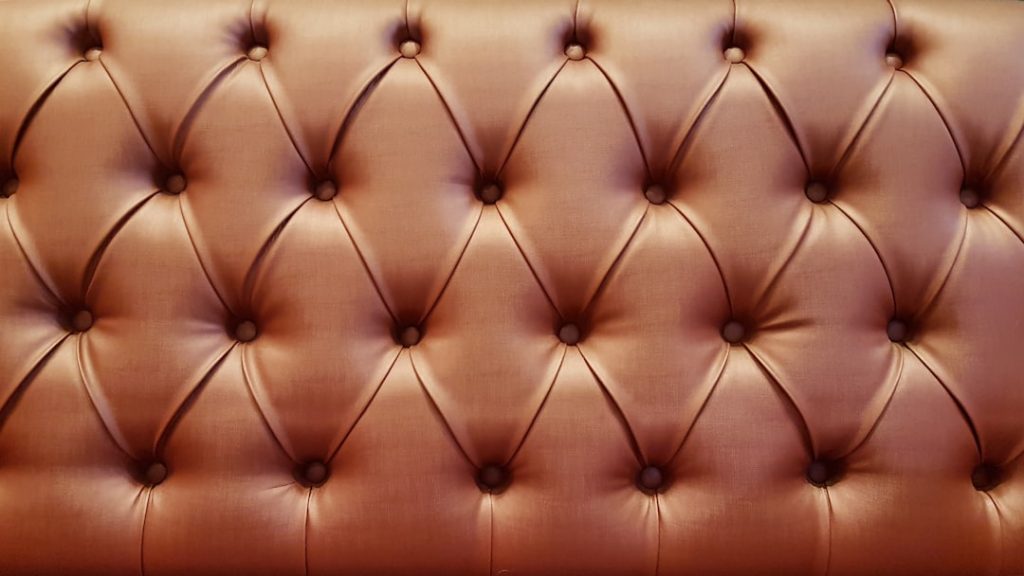
Delicate areas like buttons, seams, and tufted sections need special care. Place soft cloth or tissue paper over these spots before wrapping to prevent pressure marks. Avoid tight wrapping here to maintain their shape and detail.
Have you ever seen a button pop off because of rough handling? Taking extra time to shield these parts ensures your furniture stays intact and looks great when you unwrap it.

Credit: www.amazon.com
Storage Environment Tips
Creating the right storage environment protects your leather furniture. It prevents damage caused by harsh conditions. Maintaining proper temperature, humidity, and placement helps your furniture last longer. These tips ensure your leather stays soft and intact during storage.
Ideal Temperature And Humidity
Keep the storage area cool and dry. Temperatures between 60°F and 75°F work best. Avoid extreme heat or cold that can crack leather. Humidity should stay around 40% to 50%. Too much moisture causes mold and mildew. Too little causes drying and brittleness.
Avoiding Direct Sunlight
Store leather furniture away from windows and sunlight. UV rays fade and weaken the leather. Even indirect sunlight can cause damage over time. Use curtains or blinds to block light. A dark or shaded room is ideal.
Proper Furniture Placement
Place furniture off the floor if possible. Use pallets or blocks to avoid dampness. Keep pieces spaced apart for air circulation. Avoid stacking items on top of leather furniture. This prevents pressure marks and deformation.
Maintaining Leather During Storage
Keeping your leather furniture in great shape during storage takes more than just wrapping it up. Leather needs ongoing care to stay soft, strong, and free from damage. Paying attention to how you maintain it can prevent costly repairs and keep your furniture looking fresh when you bring it back out.
Regular Inspections
Check your leather furniture every few weeks while it’s in storage. Look for signs of dryness, cracks, or any spots that seem different in texture or color. This helps you catch small issues before they become bigger problems.
Don’t forget to inspect the storage environment too. Is there enough airflow? Is humidity controlled? These factors affect how well your leather holds up over time.
Reapplying Conditioner
Leather needs moisture to avoid drying out and cracking. Applying a leather conditioner before storage and every few months during storage keeps it supple. Use a conditioner made specifically for your type of leather to avoid sticky or greasy residues.
Remember, too much conditioner can cause buildup, so apply just enough to lightly nourish the surface. Your leather will thank you by staying soft and strong.
Handling Mold And Mildew
If you spot mold or mildew, act quickly to prevent permanent damage. Wipe the affected area with a soft cloth dampened with a mixture of equal parts water and rubbing alcohol. This kills mold spores without harming the leather.
After cleaning, let the furniture dry completely in a well-ventilated area. Avoid using harsh chemicals or soaking the leather, as these can cause discoloration or stiffness.
Have you ever found unexpected mold on stored furniture? Taking immediate action can save your leather from ruin and keep it looking great for years to come.

Credit: www.angi.com
Frequently Asked Questions
How Do You Prepare Leather Furniture For Wrapping?
Clean the leather surface with a damp cloth and mild soap. Let it dry completely before wrapping to prevent mold and damage.
What Materials Are Best For Wrapping Leather Furniture?
Use breathable materials like cotton sheets or furniture blankets. Avoid plastic wraps as they trap moisture and cause damage.
Can I Store Wrapped Leather Furniture Long-term?
Yes, if wrapped properly and stored in a cool, dry place. Regularly check for moisture or pests to maintain its condition.
Should I Use Plastic Wrap On Leather Furniture?
No, plastic wrap traps moisture, leading to mold and leather deterioration. Opt for breathable covers instead.
Conclusion
Properly wrapping leather furniture keeps it safe during storage. Use breathable materials to avoid moisture buildup and damage. Always clean the leather before wrapping to protect its surface. Store furniture in a dry, cool place to maintain quality. Take time to wrap each piece carefully for best results.
This simple step helps your leather furniture last longer. Ready for storage? Just follow these easy tips. Your furniture will thank you later.