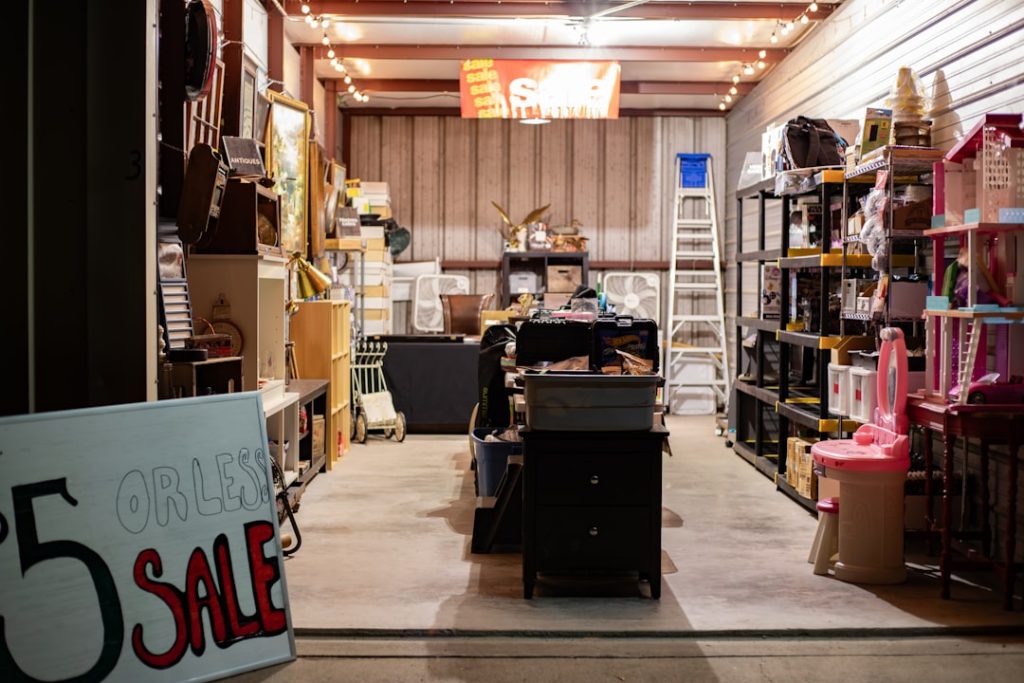
Are you worried that your furniture might get ruined while in storage in Arizona? You’re not alone.
The dry heat, intense sun, and occasional dust storms can all affect your valuable pieces. But does that mean your favorite sofa or antique dresser is doomed once it’s tucked away? Understanding how Arizona’s unique climate impacts stored furniture can help you protect your belongings.
Keep reading to discover the truth about furniture storage in Arizona—and how you can keep your items safe and looking great.
Climate Challenges
Storing furniture in Arizona presents unique climate challenges. The extreme weather can affect the condition of your items. Understanding these challenges helps protect your furniture during storage.
Heat And Its Effects
Arizona’s heat can be intense and constant. High temperatures cause wood to dry out and crack. Leather can become brittle and lose its shape. Fabric may fade or weaken under prolonged heat. Plastic parts may warp or melt in extreme cases. Heat also speeds up the breakdown of adhesives and finishes on furniture.
Protecting furniture from heat means choosing climate-controlled storage units. These units keep temperatures stable and reduce damage risks. Avoid direct sunlight exposure inside storage as well.
Humidity Levels
Humidity in Arizona is usually low but can spike during monsoon season. Low humidity causes wood to shrink and crack. Sudden humidity increases lead to swelling and warping. Moisture encourages mold and mildew growth on fabrics and wood. Metal parts may rust if exposed to moisture.
Use moisture absorbers and proper ventilation inside storage units. Seal furniture with covers to prevent dust and moisture. Climate control helps maintain balanced humidity and protects your items.
Types Of Storage Units
Choosing the right type of storage unit can make a big difference in how well your furniture holds up in Arizona’s harsh climate. You have options that range from basic to high-tech, and each serves a different purpose. Understanding these can help you protect your valuable pieces from damage caused by heat, humidity, and dust.
Climate-controlled Options
Climate-controlled units keep the temperature and humidity steady. This is crucial in Arizona, where summer temperatures can soar and dry air can crack wood or warp leather. These units often maintain temperatures between 55°F and 85°F and control moisture levels.
People who have stored antique furniture or delicate fabrics swear by climate-controlled storage. One friend of mine stored her grandmother’s heirloom sofa in such a unit and found it looked as good six months later as it did when she first put it away.
Think about whether your furniture is sensitive to extreme heat or dryness. If yes, this type of unit might save you from costly repairs or replacements.
Standard Storage Units
Standard storage units provide a secure space but without climate regulation. They are generally more affordable and widely available. However, they expose your furniture to temperature swings and fluctuating humidity.
Many people use these units for less sensitive items or short-term storage. But if your furniture is solid wood or upholstered, consider how Arizona’s intense heat might affect it over time. You might notice fading, cracking, or even mildew if moisture gets trapped inside.
Ask yourself if you’re prepared to treat or cover your furniture before storing it here. Simple steps like using furniture covers or sealing wood can help, but they don’t replace climate control.
Material Vulnerabilities
Different furniture materials react in unique ways to Arizona’s storage conditions. Knowing these vulnerabilities helps protect your items. Heat, dryness, and dust affect materials differently. Understanding these risks can prevent damage.
Wood Furniture
Wood expands and contracts with temperature changes. Arizona’s heat can dry wood quickly, causing cracks or warping. Low humidity pulls moisture out, making wood brittle. Dust can scratch surfaces and dull finishes. Proper sealing and covering help reduce damage.
Metal Furniture
Metal resists heat better than wood but can still suffer. Dry air may cause metal to become brittle over time. Dust and dirt build-up can cause rust spots. Tiny scratches let moisture start corrosion even in dry places. Regular cleaning and protective coatings are important.
Upholstered Pieces
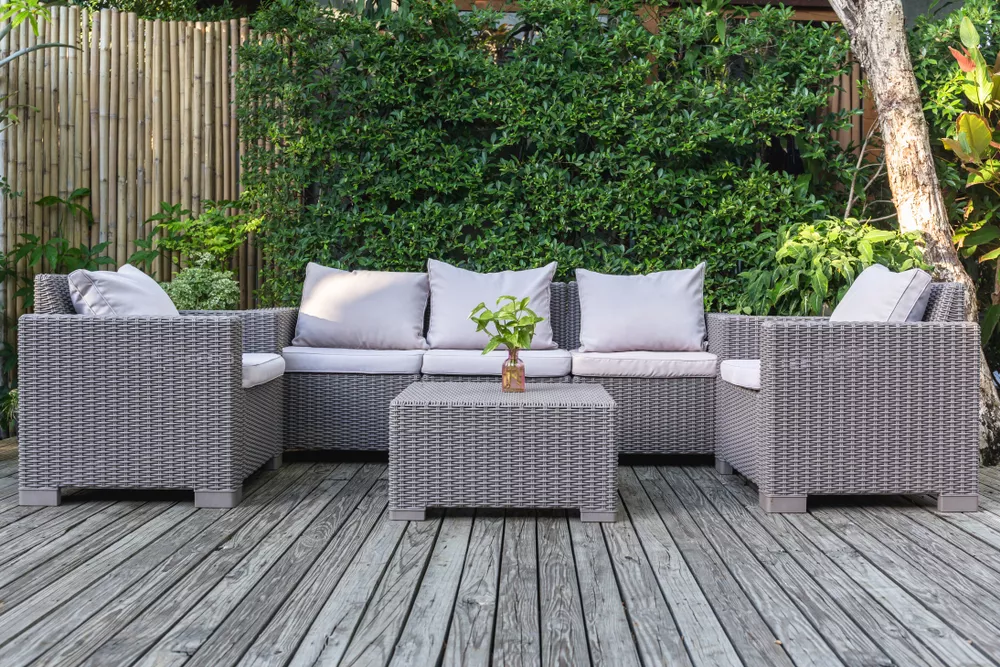
Fabric and padding in upholstery face unique challenges. Heat may fade colors and weaken fibers. Dry air can make fabric stiff and brittle. Dust attracts pests and causes stains. Mold is less common but possible if humidity rises. Covering and cleaning upholstery protects its lifespan.
Credit: www.extraspace.com
Preventive Measures
Preventive measures protect furniture during storage in Arizona. The dry, hot climate can cause damage if furniture is not prepared well. Taking simple steps before storage keeps your items safe and looking new.
Proper Packing Techniques
Start by cleaning each piece of furniture. Remove dust, dirt, and stains to avoid permanent marks. Wrap fragile parts with bubble wrap or soft cloth. Use sturdy boxes for small parts like screws and handles. Label boxes clearly to avoid confusion later. Avoid overpacking boxes to prevent crushing. Use packing tape to seal all edges securely. Place heavier items at the bottom and lighter ones on top. Keep furniture pieces separated to stop scratches and dents.
Using Covers And Protectors
Use breathable furniture covers to protect against dust and moisture. Avoid plastic covers that trap heat and cause mold. Felt pads under furniture legs prevent scratches on floors. Furniture blankets add extra cushioning during transport and storage. Protect glass surfaces with cardboard or foam sheets. Cover wooden surfaces with soft cloth to stop drying and cracking. Keep covers tight but avoid wrapping too tightly to allow air circulation.
Maintenance Tips
Keeping your furniture safe and intact in Arizona’s storage conditions demands more than just placing items inside a unit. Regular upkeep can prevent minor issues from turning into costly repairs. You’ll find that a little effort goes a long way in preserving the quality and appearance of your pieces.
Regular Inspections
Check your furniture at least once a month while it’s in storage. Look for signs of moisture, discoloration, or warping, which can indicate humidity problems common in Arizona’s dry yet sometimes fluctuating climate.
Pay close attention to wooden furniture; cracks can start small but spread quickly if unnoticed. Also, test drawers and hinges to ensure they haven’t stiffened or rusted due to dust or temperature changes.
Ask yourself: Are you catching issues early enough to prevent damage? Ignoring these signs might mean facing expensive restoration later.
Pest Control Strategies
Arizona’s desert environment might seem pest-free, but bugs like termites and rodents can still invade storage units. These pests can chew through wood, fabric, and even cardboard boxes, ruining your furniture.
Use airtight plastic covers or furniture wraps to create a barrier against insects. Avoid storing items in cardboard alone, as it attracts pests and absorbs moisture.
Consider placing pest deterrents such as silica gel packs or natural repellents like cedar blocks inside your storage unit. Checking for droppings or gnaw marks during inspections can help you catch an infestation early.
Choosing The Right Storage Location
Choosing the right storage location is key to protecting your furniture in Arizona. The desert climate can be harsh on wood, fabric, and metal. Picking a good spot helps keep your items safe from heat, dust, and pests. Location affects convenience, security, and climate control options. These factors play a big role in whether your furniture stays in good shape during storage.
Proximity To Home
Storing furniture close to your home saves time and effort. Shorter trips reduce the risk of damage during transport. It also lets you check on your belongings more often. Nearby storage makes it easier to move items quickly if needed. Convenience matters, especially in hot Arizona weather, where long drives can be tiring and risky for your furniture.
Reputation Of Storage Facilities
Choose a storage facility known for good care and security. Look for places with positive reviews and high ratings. Clean, well-maintained units protect furniture from dust and pests. Facilities with climate control help prevent damage from extreme heat. Good security features like cameras and gates keep your items safe from theft. Researching the facility ensures your furniture stays in top condition.
Cost Considerations
Cost is a major factor when deciding to store furniture in Arizona. You want to protect your items without overspending. But how do you balance price with quality, especially in a climate that can be harsh on your belongings?
Budgeting For Quality Storage
Choosing the cheapest storage option might seem smart at first, but it can lead to costly damage later. Arizona’s dry heat and dust can quickly ruin poorly maintained units.
Investing a bit more in climate-controlled storage helps maintain your furniture’s condition. It reduces risks like cracking wood or fading fabrics. Think about what your furniture is worth to you—not just in money but in memories.
Ask yourself: would you rather pay a little extra now or replace your sofa down the line? Budget accordingly, and don’t just look at the monthly fee. Include transportation and insurance costs to get the full picture.
Weighing Long-term Costs
Long-term costs often surprise people. Storing furniture in a non-climate-controlled unit might save money upfront but can lead to warping, mold, or insect damage.
Repairs or replacements can easily cost more than the price difference between storage options. I once saved on a cheap unit only to spend hundreds fixing a wooden cabinet damaged by fluctuating temperatures.
Consider how long your furniture will be stored. The longer the storage period, the more important it is to prevent damage. Ask the storage provider about maintenance and pest control services—they can save you money and headaches later.
Credit: www.extraspace.com

Credit: www.facebook.com
Frequently Asked Questions
Does Arizona Heat Damage Stored Furniture?
Yes, extreme Arizona heat can warp wood and fade fabrics if furniture lacks climate control in storage units.
How To Protect Furniture From Arizona’s Dry Climate?
Use moisture absorbers and cover furniture with breathable cloth to prevent cracking and drying in storage.
Is Climate-controlled Storage Necessary In Arizona?
Climate-controlled units regulate temperature and humidity, protecting furniture from heat and dryness, making them ideal in Arizona.
Can Pests Ruin Furniture In Arizona Storage?
Yes, pests like termites and rodents can damage furniture, so pest control measures are crucial for storage safety.
Conclusion
Furniture can stay safe in Arizona storage with proper care. Choose a storage unit with good ventilation and climate control. Wrap items well to protect from dust and pests. Check your furniture regularly during storage time. Taking these simple steps helps keep your furniture in good shape.
Storage does not have to ruin your valuable pieces. It takes attention, but your furniture can last long.