Struggling to make your small living room feel spacious and cozy at the same time? You’re not alone.
Arranging furniture in a tight space can be tricky, but with the right tips, you can transform your room into a stylish and functional haven. Imagine walking into your living room and instantly feeling relaxed, with everything perfectly placed for comfort and flow.
Keep reading, and you’ll discover simple, smart ways to arrange your furniture that will make your small living room look bigger and work better for you.
Choosing The Right Furniture
Arranging a small living room can be a delightful challenge. The key to success lies in choosing the right furniture that enhances both functionality and aesthetics. Your furniture choices can transform a cramped space into a cozy haven. Let’s dive into the essential aspects of selecting furniture for your small living room.
Opting For Multi-functional Pieces
In a small living room, every piece of furniture should pull double duty. Multi-functional furniture saves space and adds versatility. Think about a sofa that converts into a bed or a coffee table with built-in storage. These pieces maximize utility without overwhelming the room.
Have you ever considered a foldable desk that can transform from a workspace to a dining area? Such innovative furniture solutions keep your living room adaptable and clutter-free.
Selecting Scale-appropriate Items
Scale matters when it comes to furnishing a small room. Large furniture can make the space feel cramped. Choose items that fit comfortably within the room’s dimensions. A compact loveseat might be more suitable than a sprawling sectional.
It’s all about balance. Measure your space and ensure each piece complements rather than dominates the area. Does your chosen furniture allow for easy movement and flow?
Prioritizing Comfort And Style
Comfort should never be sacrificed for style, even in a small room. Select furniture that’s inviting and comfortable to use. A plush chair or a soft rug can add warmth and personality to your living space.
Your living room is a reflection of your taste. Choose colors and textures that resonate with you. Can you create a space where style meets relaxation, making it a place you truly enjoy spending time?
:max_bytes(150000):strip_icc()/designer-digs-5209106-recirc-890366b347c445a0bdd3d10221f2b1fd.jpg)
Credit: www.thespruce.com
Maximizing Space With Layout
Maximizing space with layout is key to making a small living room feel open and inviting. Thoughtful furniture placement can create a sense of flow and comfort. It helps avoid clutter and makes the room more functional.
Choosing the right layout creates balance. It allows natural movement and uses every inch wisely. Smart arrangements can make the space appear larger and more organized.
Creating Clear Traffic Paths
Clear traffic paths help people move easily through the room. Avoid blocking walkways with large furniture pieces. Leave enough space between items for smooth movement.
Arrange seating and tables so people can pass without squeezing. Keep entryways and doorways free from obstacles. This makes the room feel less crowded and more welcoming.
Using Corners Effectively
Corners often go unused but can add valuable space. Place small chairs, shelves, or plants in corners to fill empty spots. Corner units or L-shaped sofas fit nicely and save floor space.
Use corners for storage or display to keep the main area open. Proper corner use helps keep clutter down and the room neat.
Floating Furniture Vs. Against Walls
Floating furniture means placing pieces away from walls. This creates a cozy, intimate space in the center. It works well with small rugs and allows light to flow around.
Placing furniture against walls frees up floor space. It opens the center of the room for movement or extra seating. Both styles have benefits, depending on the room’s shape and use.
Mix floating and wall placement to balance comfort and space. Experiment to find the best fit for your living room.
Smart Storage Solutions
Smart storage solutions are essential when arranging a small living room with furniture. They help you keep the space tidy without sacrificing style or comfort. Clever storage can make your room feel larger and more inviting by reducing clutter and maximizing every inch.
Incorporating Built-in Storage
Built-in storage is perfect for saving floor space and creating a seamless look. Shelves or cabinets built into walls or under windows provide storage without bulky furniture. Think about adding built-in bookcases around your TV or seating area to keep items organized and within reach.
Have you ever noticed how built-ins can transform a cramped corner into a practical nook? They make use of awkward spaces that often go wasted. This approach keeps the room open while giving you plenty of room to store books, decor, or everyday items.
Using Hidden Storage Options
Hidden storage adds function without disrupting your living room’s flow. Ottomans or benches with lift-up tops are great for stashing blankets or games. Coffee tables with drawers or shelves let you keep remotes and magazines out of sight but easy to find.
Imagine clearing your coffee table in seconds before guests arrive. Hidden storage makes that quick cleanup possible. It’s a smart way to keep your living room looking neat, even if you have kids or pets around.
Choosing Furniture With Storage
Selecting furniture that doubles as storage is a simple way to tackle clutter. Look for sofas with built-in compartments or side tables with shelves. Beds and sofas with underneath drawers offer extra space without taking up more room.
When I added a storage sofa to my small living room, it instantly freed up space that was previously taken by a bulky storage box. Could your furniture do more for you? Pick pieces that fit your lifestyle and keep your essentials close by.
:max_bytes(150000):strip_icc()/image_1-efc79718919c4641b8c4f3292cd061cd.png)
Credit: www.thespruce.com
Enhancing Light And Color
Enhancing light and color in a small living room creates a bright and welcoming space. Light colors and clever use of reflective surfaces help make the room feel larger. Proper balance between natural and artificial light improves the overall atmosphere. These ideas bring energy and freshness to compact spaces.
Choosing Light Colors And Reflective Surfaces
Light colors open up a room visually. Use shades like white, cream, soft gray, or pastel tones on walls and furniture. These colors reflect more light and reduce heaviness.
Reflective surfaces boost brightness. Consider glass tables, glossy cabinets, or metallic accents. These surfaces bounce light around the room. This effect creates an airy, spacious feel.
Using Mirrors To Open Up Space
Mirrors add depth and widen a small living room. Place a large mirror opposite a window to capture natural light. This trick doubles the light and view.
Mirrors also create a focal point. Choose stylish frames that match your décor. Wall-mounted or standing mirrors work well in corners or above furniture.
Balancing Natural And Artificial Light
Natural light is vital for any living room. Keep windows clear of heavy curtains. Use sheer or light fabric curtains instead.
Artificial light fills dark corners and sets mood. Combine ceiling lights with floor and table lamps. Use warm bulbs for a cozy feeling.
Layer lighting for flexibility. Bright light for tasks, soft light for relaxing. This balance enhances comfort and space perception.
Adding Personal Touches
Adding personal touches transforms a small living room into a warm, inviting space. It reflects your style and creates a unique atmosphere. Personalized decor brings comfort and makes the room feel truly yours.
Selecting Artwork And Decorations
Choose artwork that speaks to your personality and taste. Small prints or photos fit well without crowding walls. Use frames in similar colors for a clean look. Decorations like vases, sculptures, or books add charm and interest. Keep pieces simple to avoid overwhelming the space.
Incorporating Plants And Textiles
Plants bring life and freshness to any room. Select small pots or hanging plants to save floor space. Textiles like cushions, throws, and rugs add color and texture. Pick soft fabrics and patterns that complement your furniture. These elements create a cozy, layered feel.
Maintaining Minimal Clutter
Clutter makes small rooms feel cramped and messy. Use storage solutions like baskets, shelves, or ottomans with hidden compartments. Display only favorite items and rotate decorations regularly. Clear surfaces help keep the room airy and open. A tidy space feels larger and more peaceful.
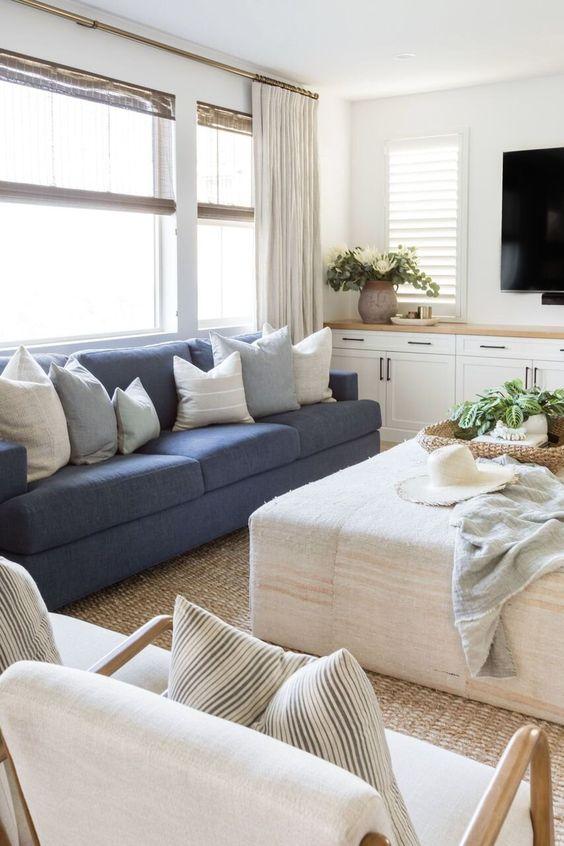
Credit: jane-athome.com
Frequently Asked Questions
How To Maximize Space In A Small Living Room?
Use multi-functional furniture and vertical storage. Choose light colors and mirrors to create openness. Keep pathways clear to enhance flow and avoid clutter.
What Furniture Size Suits Small Living Rooms Best?
Opt for compact, scaled-down pieces. Choose slim-profile sofas and chairs. Avoid bulky furniture that overwhelms the space. Measure carefully before buying.
How To Arrange Furniture For Better Flow?
Place furniture away from doorways. Create conversation areas with chairs and sofas facing each other. Leave enough walking space around pieces.
What Colors Work Well In Small Living Rooms?
Light, neutral colors open up the room. Use soft shades like beige, white, or pastels. Dark colors can make spaces feel cramped.
Conclusion
Arranging a small living room can feel tricky but stay calm. Choose furniture that fits well and leaves space to move. Use light colors to make the room look bigger and bright. Keep things simple and avoid too many items.
Think about how you use the space every day. Small rooms can feel cozy and inviting with the right setup. Try these tips to create a comfortable, stylish living area you enjoy. Your small living room can be both functional and beautiful.