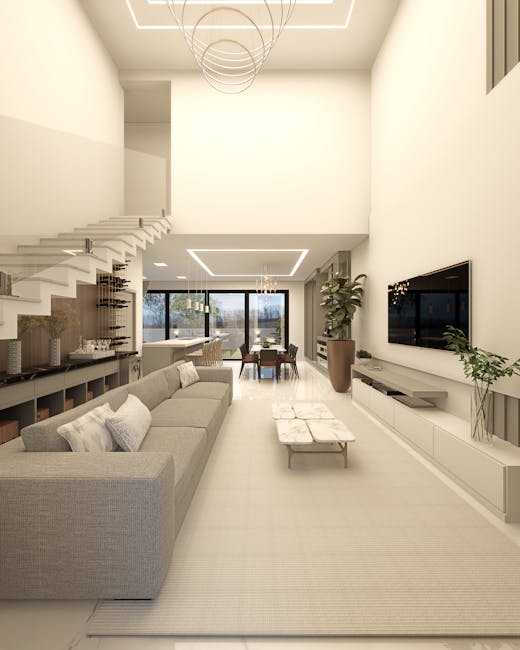
Are you struggling to find the perfect balance when arranging your living room furniture? You want your space to look inviting and stylish, but matching pieces can feel overwhelming.
What if you could create a cohesive, comfortable room that reflects your personality without the guesswork? In this guide, you’ll discover simple, effective tips to help you match your living room furniture like a pro. Keep reading to transform your space into a place you truly love spending time in.
Choosing A Color Palette
Choosing a color palette is crucial in matching living room furniture. It sets the mood and enhances the aesthetic appeal of the space. A well-chosen palette can tie different elements together seamlessly.
Using Neutrals For Flexibility
Neutral colors like beige, gray, and white offer versatility. They create a calming environment and provide a perfect backdrop for other hues. Neutrals blend effortlessly with various styles and textures.
They allow easy updates without major changes. Switching accessories or adding new accents becomes simple. This flexibility makes neutrals a popular choice for many homeowners.
Adding Accent Colors
Accent colors add personality to a room. Bold colors like teal, mustard, or red can become focal points. They infuse energy and vibrancy into the space.
Use accents in pillows, rugs, or artwork. These elements draw attention and create interest. Choose accents that complement the main color scheme for harmony.
Balancing Warm And Cool Tones
Balance is key in selecting colors. Warm tones like orange and yellow bring coziness. Cool tones like blue and green provide tranquility.
Mixing warm and cool tones creates a dynamic look. It prevents the room from feeling too cold or overly warm. This balance ensures a welcoming atmosphere.

Credit: www.hgtv.com
Mixing Furniture Styles
Mixing furniture styles brings life and personality to your living room. It creates a space that feels unique and inviting. Combining different styles lets you showcase your taste without making the room feel chaotic. The key is to blend elements carefully to create harmony. Here are some ways to mix furniture styles effectively.
Combining Modern And Traditional
Modern and traditional pieces can work well together. Modern furniture offers clean lines and simplicity. Traditional furniture adds warmth and detail. Use a modern sofa with classic wooden chairs to balance the look. Choose colors that complement both styles. This mix creates a fresh yet comfortable atmosphere.
Blending Textures And Materials
Different textures bring depth to a room. Smooth leather, soft fabric, and rough wood can sit well side by side. Mix materials like metal, glass, and natural fibers for variety. Textures add interest and prevent the space from feeling flat. Keep the color palette consistent to tie everything together.
Maintaining Visual Balance
Visual balance keeps the room from feeling off. Arrange furniture so no area feels too heavy or empty. Use symmetry by pairing similar shapes or sizes across the room. Balance bold pieces with simpler ones to create flow. Negative space helps the eye rest and enhances the overall design.
Selecting The Right Scale
Selecting the right scale for your living room furniture is essential to create a balanced and inviting space. The size of your furniture affects how comfortable and functional your room feels. Too large, and the room feels cramped; too small, and it may appear sparse and disconnected.
Sizing Furniture To The Room
Measure your living room before choosing furniture. This simple step prevents buying pieces that are too big or too small.
Think about the main furniture items like sofas and coffee tables. A large sectional may look great in a spacious room but overwhelm a smaller space.
Try to keep pathways clear—at least 2 to 3 feet wide so you can move comfortably. You don’t want to bump into furniture every time you walk through.
Creating Comfortable Groupings
Arrange your furniture to encourage conversation and easy movement. Group seating around a focal point like a fireplace or TV.
Use area rugs to define these groupings and make the space feel cozier. Matching the scale of the rug to the furniture helps maintain harmony.
Ask yourself: Does the seating arrangement invite people to relax and talk? If not, try shifting pieces closer or changing angles until it feels right.
Avoiding Overcrowding
It’s tempting to fill every inch with furniture, but less is often more. Overcrowding makes your living room feel stressful rather than relaxing.
Leave some breathing room around each piece. Empty space can highlight your furniture’s best features and make the room look larger.
If you have a smaller living room, choose multi-functional furniture like ottomans with storage or slim-profile sofas to keep clutter down.

Credit: yourneighbourhood.com.au
Focusing On Functionality
Focusing on functionality ensures your living room furniture not only looks great but also fits your lifestyle seamlessly. Choosing pieces that serve practical purposes can transform your space into a comfortable and efficient area. Ask yourself how you use your living room daily and what features will make your life easier.
Prioritizing Comfort
Comfort is the foundation of any living room setup. Think about the seating options you prefer—do you enjoy sinking into a plush sofa or sitting upright on a firm chair? Test the furniture before buying; comfort varies from person to person.
Consider the fabric and cushioning. Soft, breathable materials can make a big difference, especially if you spend hours there reading or watching TV. Don’t forget to add cozy throw pillows or blankets for extra comfort and warmth.
Incorporating Storage Solutions
Storage is often overlooked but can make or break your living room’s functionality. Look for furniture that doubles as storage, like ottomans with hidden compartments or coffee tables with shelves underneath.
Open shelving can display your favorite books and decor while keeping essentials within reach. Think about what items clutter your space most—remote controls, magazines, toys—and choose storage options that help keep these tidy.
Designing For Daily Use
Your living room should accommodate your everyday activities smoothly. If you host family gatherings or movie nights, opt for modular furniture that can be rearranged easily. This flexibility allows your space to adapt to different needs.
Durability matters too. Select materials that withstand spills and wear, especially if you have kids or pets. Ask yourself if each piece will hold up to your routine and still look good after months of use.
Using Accessories To Tie Pieces Together
Using accessories to tie living room furniture together creates a balanced and inviting space. Accessories add color, texture, and personality, making your room feel complete. They help connect different furniture pieces, so everything looks like it belongs.
Choosing Coordinated Rugs And Curtains
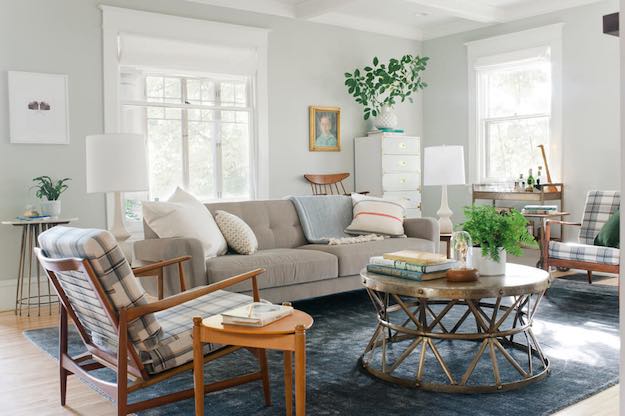
Select rugs and curtains that share colors or patterns with your furniture. Rugs anchor the seating area and add warmth to the floor. Curtains frame windows and soften the room’s edges. Matching tones or subtle contrasts make the space feel unified. Pick materials that complement your furniture’s texture for a seamless look.
Adding Throw Pillows And Blankets
Throw pillows and blankets offer easy style updates. Mix solid colors with patterns to keep the look fresh. Use colors that echo your furniture or wall tones. Layering different textures adds depth and comfort. Place pillows on sofas and chairs, and drape blankets over arms or backs.
Incorporating Art And Lighting
Art and lighting set the room’s mood and style. Choose wall art that reflects your color scheme or theme. Group pieces for a gallery wall or pick one large statement piece. Lighting fixtures like lamps and sconces add warmth and highlight key areas. Use light to draw attention to your favorite furniture and accessories.
Creating A Focal Point
Creating a focal point in your living room helps guide the eye and set the room’s mood. It anchors the space and makes arranging furniture easier. A clear focal point adds style and balance to your living area. It invites guests to relax and enjoy the room.
Highlighting A Statement Piece
A statement piece grabs attention immediately. It can be a bold sofa, a unique coffee table, or a large artwork. Choose one item that stands out in color, shape, or design. Keep other furniture simpler to let this piece shine. Lighting can also highlight your statement piece effectively.
Arranging Furniture Around The Focal Point
Place your furniture to face or surround the focal point. This creates a natural flow and makes the room feel organized. Avoid blocking the view of the focal piece with large furniture. Use rugs and side tables to define the area. This setup encourages conversation and comfort.
Using Color And Texture To Draw Attention
Colors and textures help emphasize the focal point. Bright or contrasting colors catch the eye quickly. Soft fabrics or rough textures add depth and interest. Mix materials like wood, metal, and fabric for a rich look. Keep other colors neutral to maintain balance.
Credit: livingroomideas.com
Frequently Asked Questions
How Do I Choose Colors For Living Room Furniture?
Select colors that complement your wall and floor tones. Use a neutral base with accent colors for balance. Consider your room’s natural light to avoid dark or dull combinations. This approach creates a harmonious and inviting living room atmosphere.
What Furniture Styles Match Well In A Living Room?
Mixing modern with traditional styles can create a balanced look. Stick to a cohesive color palette to unify different pieces. Avoid clashing patterns or overly ornate designs. Aim for a blend that reflects your personal taste and the room’s function.
How To Arrange Living Room Furniture For Best Flow?
Place larger pieces like sofas against walls or focal points. Ensure clear pathways for easy movement. Use area rugs to define seating zones. Arrange furniture to encourage conversation and comfort. This setup enhances both practicality and aesthetics.
Can I Mix Materials In Living Room Furniture?
Yes, mixing materials like wood, metal, and fabric adds texture and interest. Balance rough and smooth finishes for a stylish look. Keep a consistent color scheme to avoid visual chaos. This technique creates depth and personality in your living space.
Conclusion
Matching living room furniture creates a cozy and balanced space. Choose colors and styles that feel right to you. Mix textures and shapes for a lively look. Keep sizes in mind to avoid crowding the room. Trust your eyes and enjoy the process.
A well-matched living room invites comfort and joy every day. Small changes can make a big difference. Your home becomes a place you love to spend time in.