
Struggling to make the most of your small bedroom? You’re not alone.
Finding the perfect spot for every piece of furniture can feel like a puzzle. But with a few smart moves, you can create a cozy, organized space that feels much bigger than it is. Imagine waking up in a room where everything has its place, and you can move around freely without bumping into furniture.
Ready to transform your small bedroom into a stylish and functional haven? Keep reading, because the right furniture placement can change everything.
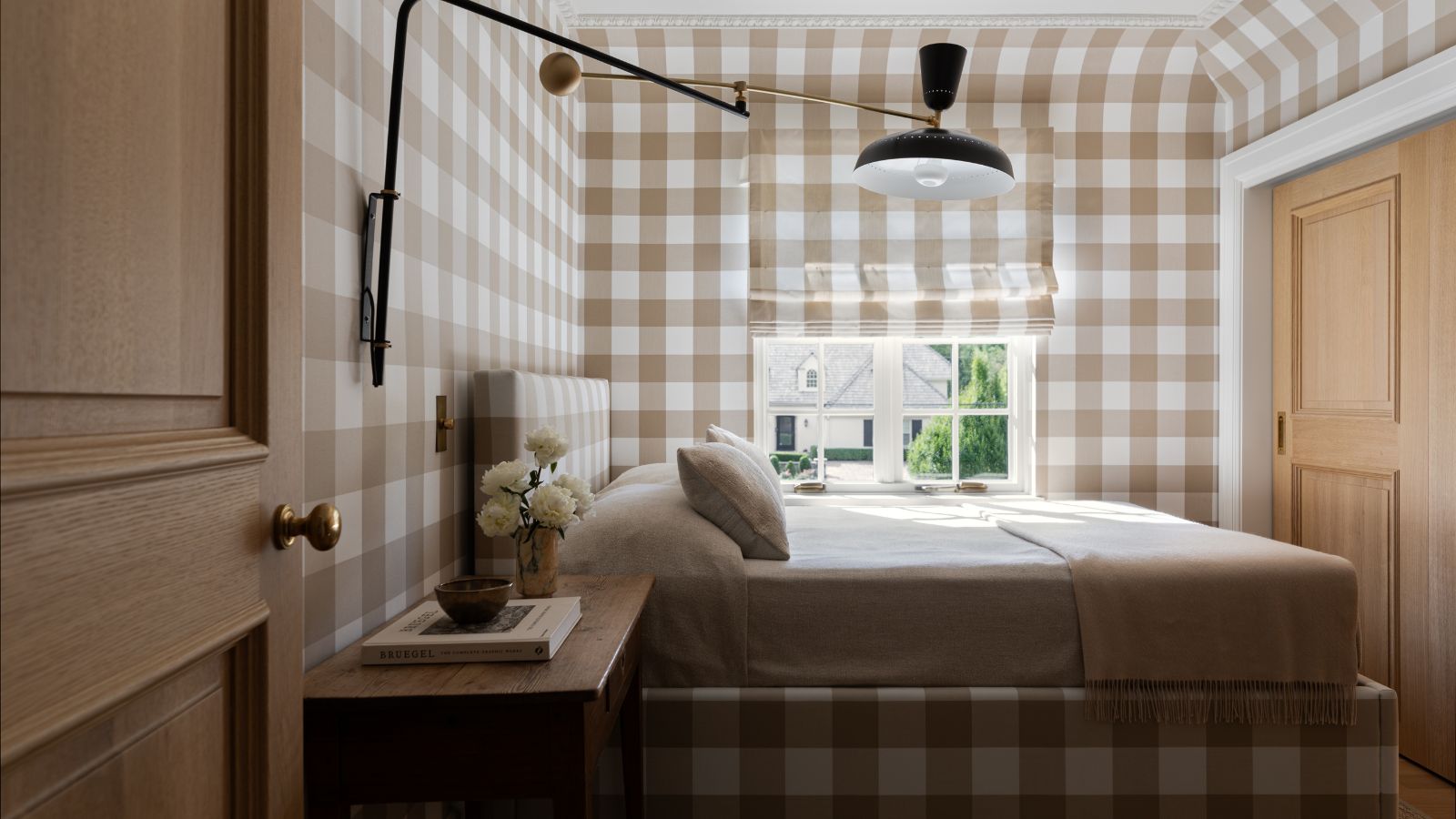
Credit: www.homesandgardens.com
Choosing The Right Furniture
Choosing the right furniture for a small bedroom is essential. It helps save space and keeps the room comfortable. The right pieces make the room feel open and organized. Focus on furniture that fits the size and purpose of the space. Smart choices create a cozy and functional bedroom.
Multi-functional Pieces
Multi-functional furniture serves more than one purpose. Beds with storage drawers help store clothes or bedding. A desk that doubles as a vanity saves space and adds use. Ottomans with hidden compartments keep extra items out of sight. These pieces reduce clutter and make small rooms practical.
Scaled-down Options
Choose furniture that matches the room’s size. Smaller beds or chairs fit better without crowding. Narrow dressers or nightstands take up less floor space. Low-profile beds create an open feeling by not blocking sightlines. Scaled-down furniture keeps the room balanced and easy to move around.
Foldable And Stackable Furniture
Foldable furniture offers flexibility in small rooms. Folding chairs and tables can be stored away when not in use. Stackable stools and shelves save floor space by piling up neatly. These options make the bedroom adaptable for different needs. Easy to store and quick to use.
Maximizing Wall Space
Maximizing wall space is a smart strategy in a small bedroom. It frees up the floor area and keeps your room feeling open and comfortable. Using your walls creatively can help you store more and add style without clutter.
Floating Shelves
Floating shelves are perfect for small bedrooms because they don’t take up any floor space. You can use them to display books, plants, or even your favorite photos.
Try installing shelves above your bed or desk to keep essentials within reach but off your surfaces. They also work great in corners that often go unused.
Wall-mounted Desks
Need a workspace but short on room? A wall-mounted desk folds up when you’re not using it, saving valuable space.
It’s ideal for small bedrooms where a bulky desk might feel overwhelming. Plus, it keeps your work area neat and leaves room for other furniture.
Headboard Storage
Why not use your headboard for more than just support? Headboards with built-in shelves or compartments offer extra storage for books, alarm clocks, or nighttime essentials.
This keeps your bedside clutter-free and your necessities close. Have you considered what you reach for most before sleep? Headboard storage puts those items right at your fingertips.
Optimizing Bed Placement
Optimizing bed placement in a small bedroom can transform a cramped space into a cozy retreat. The key is to make the most of every square inch without sacrificing comfort or style. Whether your room is square or rectangular, finding the right spot for your bed can create an inviting atmosphere and even open up more space for additional furniture or storage solutions. Let’s explore some effective bed placement strategies that maximize space and enhance your room’s functionality.
Corner Beds
Placing your bed in a corner can be a game-changer for small bedrooms. This setup not only saves floor space but also creates a snug and intimate sleeping nook. You can easily add a small side table or a lamp for nighttime reading without crowding the room. Consider using a corner headboard to blend the bed seamlessly into your room’s design.
Under-bed Storage
Why let all that space under your bed go to waste? With under-bed storage, you can keep your room tidy without needing extra furniture. Use rolling drawers or bins to store seasonal clothes, shoes, or even books. This solution is perfect if you want to keep your small bedroom clutter-free while still having everything you need close at hand.
Loft And Bunk Beds
If you’re looking to maximize vertical space, loft or bunk beds are excellent options. These beds free up floor area for desks, chairs, or even a small couch, making them ideal for multi-functional spaces. Imagine using the area beneath a loft bed as a mini office or reading nook—it’s an ingenious way to make the most of your small bedroom.
Have you considered any unconventional bed placements in your small bedroom? Sometimes thinking outside the box can reveal surprising solutions that enhance both comfort and space. As you experiment with different setups, you’ll discover what works best for your lifestyle and room layout.
Creating Zones In Small Rooms
Creating zones in small rooms helps you maximize every inch without making the space feel crowded. Defining clear areas for different activities keeps your room organized and functional. It also gives you a sense of control over the layout, making the space feel larger and more comfortable.
Sleeping Area
Your bed is the centerpiece of the sleeping area, so place it where it gets the most natural light without blocking pathways. Consider a corner placement to free up central space for movement. Use a headboard or a small rug to visually separate this zone from the rest of the room.
Think about storage solutions under the bed or wall-mounted shelves above it. These save floor space and keep essentials close by. Have you tried positioning your bed near a window to wake up with fresh air and sunlight? It can improve your sleep quality and mood.
Work And Study Nook
Even in a small bedroom, you can carve out a dedicated work or study nook. Choose a compact desk that fits snugly against a wall or under a window to benefit from daylight. Adding a comfortable chair and good lighting will make this space inviting and practical.
Keep the area clutter-free by using organizers and vertical storage. This helps maintain focus and keeps the zone distinct from relaxation areas. Could a foldable desk or wall-mounted table work better for your needs? It can double your floor space when not in use.
Dressing Space
Designate a corner or a small section of your room for dressing to keep clothes and accessories tidy. A standing mirror with built-in storage or a compact wardrobe can serve this purpose without overwhelming the space. Use hooks or a small rack for daily outfits to save time.
Try placing this zone near natural light if possible; it helps when choosing colors and styles. How about adding a small bench or stool to make dressing more comfortable? This simple addition can make your routine smoother and your room more organized.
Using Light And Color To Enhance Space
Using light and color wisely can make a small bedroom feel much bigger and more inviting. These elements don’t just brighten the space; they create an illusion of openness that can transform how you live and sleep in your room. Have you ever walked into a room that instantly felt airy and calm? That’s the power of the right light and color choices.
Light Furniture Choices
Choosing furniture with light tones can instantly lift the room’s atmosphere. White, beige, pale gray, or soft pastels reflect more light, making the space feel less cramped.
Opt for pieces with slim profiles or legs rather than bulky designs that sit directly on the floor. This approach lets light flow underneath, giving the illusion of more floor space.
Think about a small, light-colored bed frame or a minimalist dresser. These choices don’t just look neat; they help your eyes move around the room without interruption.
Mirrors To Expand Space
Mirrors do more than show your reflection—they double the light and visually enlarge the room.
Place a large mirror opposite a window to bounce natural light deeper into the room. This setup brightens dark corners and opens up the space.
Even a collection of smaller mirrors arranged creatively on a wall can add depth and personality. Have you tried this yet? It can completely change your perception of the room’s size.
Color Palettes That Open Rooms
Light, neutral colors tend to open up small bedrooms, but you don’t have to stick with plain white. Soft blues, gentle greens, and warm grays work well to create a spacious feel.
Keep your walls, ceiling, and large furniture in these light shades, then add pops of color through accessories like cushions or artwork.
This layering keeps the room lively without feeling heavy or cluttered. What colors make you feel calm and spacious when you enter a room?
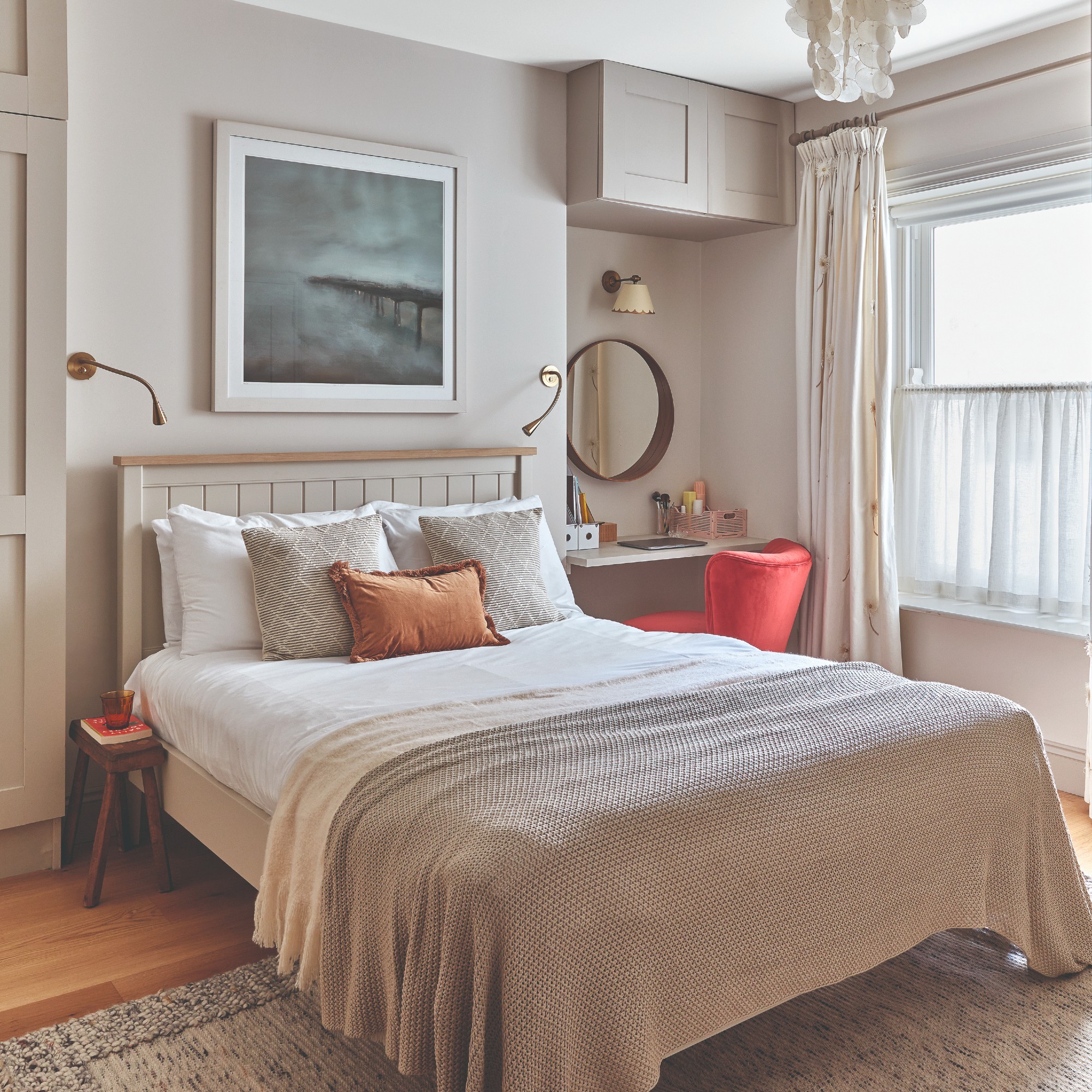
Credit: www.idealhome.co.uk
Smart Storage Solutions
Smart storage solutions make small bedrooms feel larger and more organized. Clever furniture placement and storage choices reduce clutter. Use every inch of space wisely without sacrificing style. These options keep essentials handy and hidden from view.
Built-in Closets
Built-in closets fit perfectly into your room’s shape. They use awkward corners and walls efficiently. Custom shelves and drawers help keep clothes and items tidy. This storage blends with the room and saves floor space.
Storage Ottomans
Storage ottomans serve as seating and hidden storage. Lift the top to store blankets, pillows, or books. They add comfort and function without extra furniture. Choose ottomans that match your room’s style and size.
Over-the-door Organizers
Over-the-door organizers hang on closet or room doors. They hold shoes, accessories, or small items. These organizers free up drawer and floor space. Easy to install and move, they keep things within reach.
Arranging Furniture For Flow
Arranging furniture for flow in a small bedroom means making the room feel open and easy to move around. Proper placement creates balance and comfort. It helps avoid bumping into things and makes the space look bigger. Good flow lets light travel through the room. It also gives a calm feeling. Focus on how you walk through the room. Think about what you use most. Place furniture to support both.
Clear Pathways
Keep walking areas free of furniture. Paths should be at least 24 inches wide. This space allows easy movement without feeling crowded. Avoid blocking doors and windows. Leave room to open drawers and closet doors fully. Place beds and desks where they do not interrupt main routes. Clear pathways reduce stress and make the room feel tidy.
Avoiding Cluttered Corners
Empty corners create a sense of space. Avoid stuffing every corner with furniture. Use corners for small items like a plant or lamp. Too many items in corners cause clutter and block flow. Keep corners simple and neat. This helps open up the room visually and physically.
Balancing Furniture Weight
Distribute large pieces evenly in the room. Avoid placing all heavy furniture on one side. Balance creates harmony and prevents the room from feeling lopsided. Mix tall and low items for variety. For example, pair a tall dresser with a low bed. Evenly spaced furniture improves flow and comfort.

Credit: food52.com
Frequently Asked Questions
Where Should I Place The Bed In A Small Bedroom?
Place the bed against the longest wall to maximize space. Avoid blocking windows or doors. This arrangement creates a spacious feel and allows easy movement.
How Can I Arrange Furniture To Save Space?
Use multi-functional furniture and keep pieces minimal. Position larger items against walls. Avoid overcrowding the center area for better flow.
What Furniture Is Best For Small Bedrooms?
Choose compact, multi-use furniture like storage beds and wall shelves. Opt for light-colored, slim-profile pieces to enhance the room’s openness.
How Do I Create Storage In A Small Bedroom?
Use vertical storage solutions like shelves and hooks. Consider under-bed storage bins. This keeps the floor clear and maximizes available space.
Conclusion
Small bedrooms can feel cozy with the right furniture layout. Use space wisely to keep the room open and neat. Place larger pieces against walls to save floor space. Choose furniture that fits the room size well. Keep pathways clear for easy movement.
Bright colors and mirrors can help the room feel bigger. A thoughtful setup makes a small bedroom comfortable and stylish. Try different arrangements until the room feels just right. Simple changes can make a big difference in small spaces.