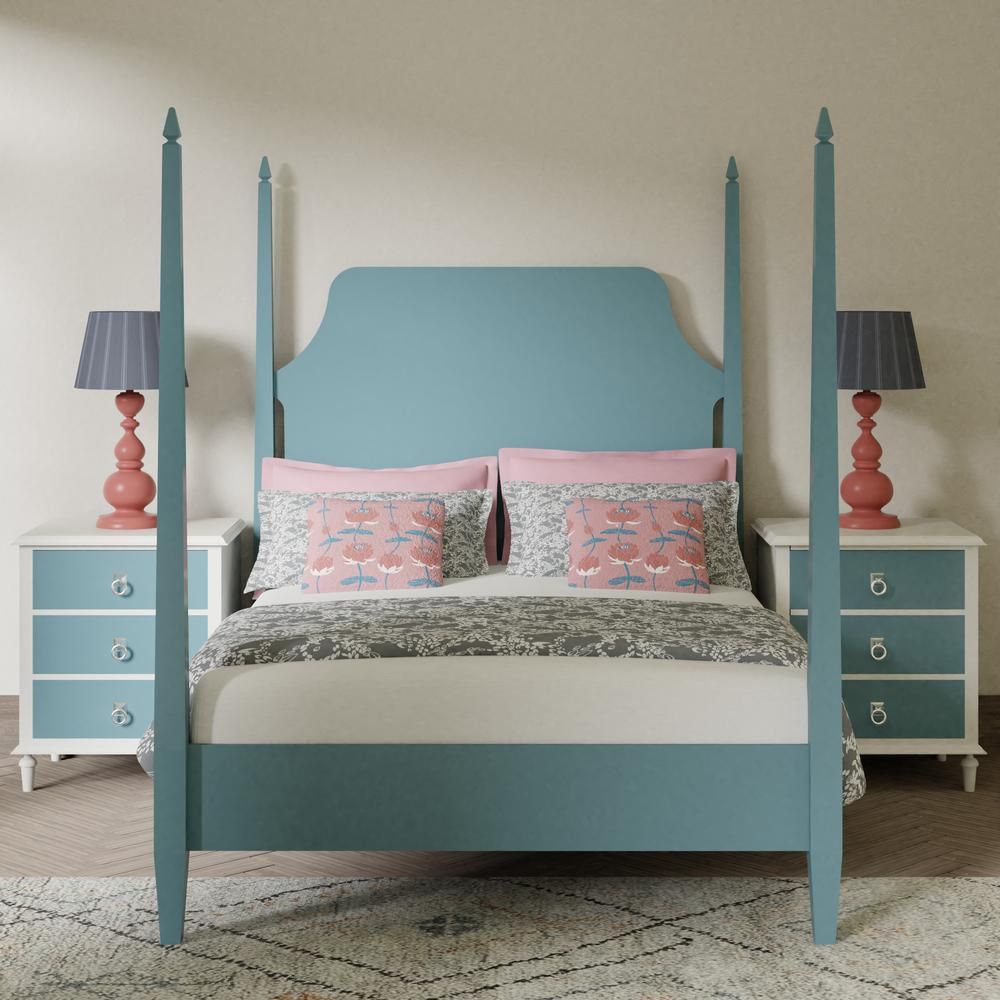
Are you thinking about giving your bedroom furniture a fresh new look but don’t know which paint to choose? Picking the right paint can make all the difference in how your furniture looks and lasts.
You want something that’s easy to apply, durable, and matches your style perfectly. You’ll discover the best types of paint for bedroom furniture, plus tips to help you achieve a smooth, beautiful finish every time. Keep reading, and you’ll soon feel confident transforming your space with just a few simple steps.

Credit: www.facebook.com
Choosing The Right Paint Type
Choosing the right paint type for your bedroom furniture can change the entire look and feel of your space. The paint you pick affects durability, finish, and how easy it is to maintain your pieces. Understanding the differences between paint types helps you make a smart choice that fits your style and lifestyle.
Latex Vs. Oil-based Paint
Latex paint is water-based, dries quickly, and cleans up easily with soap and water. It’s less smelly and more environmentally friendly, making it a popular pick for bedroom furniture. However, latex paint might chip more easily on frequently used pieces.
Oil-based paint offers a smooth, hard finish that resists wear and tear better than latex. It takes longer to dry and needs mineral spirits for cleanup, but its durability is unmatched. If your furniture will see heavy use, oil-based paint is worth considering despite the extra effort.
Chalk Paint Benefits
Chalk paint is a favorite for DIY enthusiasts who want a matte, vintage, or shabby chic look. It sticks well to most surfaces without the need for sanding or priming, saving you time and effort. Plus, it’s easy to distress for a weathered effect, which adds character to your bedroom furniture.
Another benefit is the variety of colors available, allowing you to customize your pieces easily. Chalk paint dries fast and can be sealed with wax or varnish to protect the finish. Have you tried chalk paint on your furniture yet? It might surprise you how simple it is to transform your space.
Milk Paint For Vintage Look
Milk paint is another excellent choice if you want a true vintage or rustic look. Made from natural ingredients, it’s non-toxic and safe for indoor use. Milk paint often flakes and chips over time, creating an authentic aged appearance that many people love.
You can mix it with water to change the consistency and achieve different textures. If you want to keep the chipped look, skip the topcoat; for a smoother finish, add a clear protective layer. This paint type invites creativity and experimentation—how far will you take your vintage project?

Credit: www.suzannebagheri.com
Selecting The Perfect Finish
Choosing the right finish for your bedroom furniture paint affects both the look and durability of your pieces. The finish not only sets the style tone but also influences how easy the furniture is to clean and maintain. Think about how you use your furniture daily and what kind of atmosphere you want to create before making your decision.
Matte And Flat Finishes
Matte and flat finishes offer a smooth, non-reflective surface that hides imperfections well. If your furniture has scratches or dents, this finish can help disguise them, making it ideal for older or rustic pieces.
These finishes provide a subtle, cozy feel to a bedroom. However, they are less resistant to stains and harder to clean, so consider if your furniture will face heavy use or spills.
Satin And Eggshell Options
Satin and eggshell finishes strike a balance between shine and durability. They have a soft glow that brightens the room without overwhelming it.
This finish works well on bedroom furniture you use often, like dressers or nightstands, because it resists moisture and is easier to wipe clean. It’s a practical choice if you want a fresh look with moderate protection.
Glossy And Semi-gloss Choices
Glossy and semi-gloss finishes create a shiny, polished look that can make your furniture stand out. They reflect light, which can make a room feel larger and more vibrant.
These finishes are highly durable and easy to clean, making them great for pieces that get a lot of handling. But ask yourself if the shine fits your bedroom’s style—too much gloss can feel cold or formal.
Preparing Furniture For Painting
Choosing the right paint for bedroom furniture ensures a smooth finish and long-lasting color. Water-based latex paint works well for most wood pieces. Sanding and cleaning the furniture before painting help the paint stick better and last longer.
Preparing your bedroom furniture for painting is a crucial step that sets the foundation for a successful project. It’s not just about slapping on a fresh coat of paint; the preparation ensures that the paint adheres properly and lasts longer. Whether it’s an old dresser or a nightstand, giving attention to cleaning, sanding, priming, and repairing imperfections will make your furniture shine.Cleaning And Sanding Tips
Start with a thorough cleaning to remove dust, grime, and old residues. Use a mild detergent with a soft cloth or sponge to wipe down the surfaces. After cleaning, sanding is your next step. Sanding helps create a smooth surface and removes any old paint. Use medium-grit sandpaper to begin and finish with fine-grit sandpaper for a polished look. Have you ever noticed how some paint jobs don’t last? Often, it’s because the furniture wasn’t sanded well. Pay extra attention to corners and edges where paint tends to chip.Priming For Better Adhesion
Priming is essential for achieving a smooth and lasting finish. A quality primer acts as a grip for the paint, ensuring it sticks well and looks even. Choose a primer that matches the type of paint you plan to use. Whether you’re using latex or oil-based paint, the right primer will make a difference. Priming can feel like an extra step, but it’s worth the effort. It prevents stains from seeping through and enhances the paint’s true color.Repairing Surface Imperfections
Before painting, examine the furniture for any imperfections like dents or scratches. Use wood filler or putty to fix these areas. Repairing these imperfections not only improves the appearance but also extends the life of your furniture. Don’t rush this step. A little extra care can transform an old piece into a stunning feature in your bedroom. Thinking about skipping these steps? Imagine the frustration of peeling paint and uneven surfaces. By dedicating time to preparation, you ensure your furniture not only looks great but stands the test of time. So, are you ready to transform your bedroom furniture into a masterpiece?Color Selection Tips
Choosing the right color for bedroom furniture changes the whole room’s mood. Picking colors involves more than just liking a shade. Consider the furniture style, room size, and lighting. The right color makes your space feel calm, cozy, or lively. These tips guide you through smart color choices for bedroom furniture.
Matching Room Decor
Colors on furniture should fit with your room’s style. Look at wall colors, curtains, and bedding. Soft colors blend well with pastel walls. Dark wood tones match warm or earthy shades. Use color swatches to compare before painting. This helps avoid clashes and keeps harmony in the room.
Using Bold Vs. Neutral Colors
Bold colors like red or navy add energy and focus. They work well on small pieces or accent furniture. Neutral colors such as white, beige, and gray create calmness. These colors suit larger pieces and classic styles. Combine bold with neutral for balance. This mix offers interest without overwhelming the space.
Trends In Bedroom Furniture Colors
Current trends favor soft blues, greens, and muted pinks. These colors bring freshness and peace to bedrooms. Matte finishes are popular for a modern look. Vintage tones like mustard yellow or sage green are making a comeback. Choose trending colors that match your taste and room vibe.
Painting Techniques For Smooth Results
Smooth paint finishes make bedroom furniture look fresh and new. Using the right painting techniques helps avoid brush marks and uneven surfaces. Careful application and patience during drying create a professional look. Understanding tools and timing improves your results greatly.
Brush Vs. Roller Vs. Spray
Choosing the right tool affects the paint finish quality. Brushes give control for edges and corners. Rollers cover flat surfaces quickly and evenly. Sprayers deliver a smooth, thin coat without brush strokes.
- Brush: Best for detail work and small areas.
- Roller: Ideal for large, flat surfaces with less texture.
- Spray: Perfect for a smooth finish on complex shapes.
Each tool suits different furniture parts. Testing on a scrap piece helps decide the best option.
Layering And Drying Times
Applying thin layers prevents drips and uneven spots. Wait for each coat to dry fully before adding another. This builds a smooth, durable finish.
- Thin coats dry faster and look better.
- Multiple layers improve color depth and coverage.
- Follow paint manufacturer’s drying time recommendations.
Patience during drying helps avoid smudges and sticky surfaces.
Avoiding Common Painting Mistakes
Skipping surface preparation leads to peeling paint. Sand the furniture lightly for better paint grip. Clean dust and grease before painting. Avoid thick coats that cause runs and bubbles.
- Use quality brushes or rollers for even application.
- Keep a wet edge while painting to prevent lines.
- Work in a dust-free, well-ventilated space.
Proper technique ensures a smooth, lasting finish on bedroom furniture.
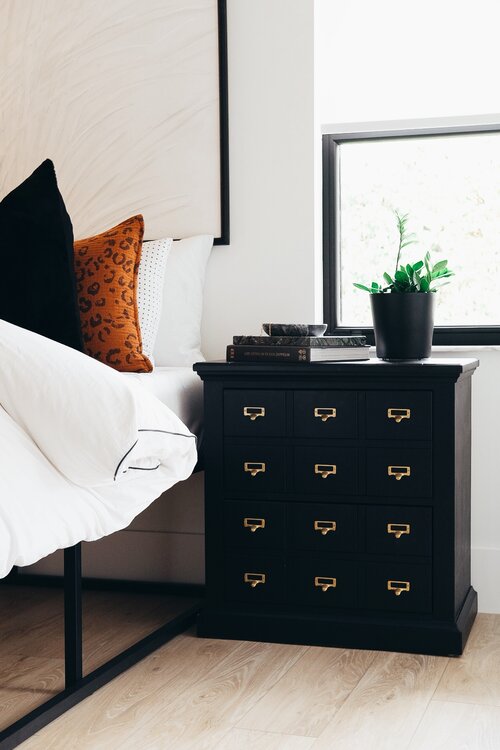
Credit: www.me-and-mrjones.com
Protecting And Maintaining Painted Furniture
Protecting and maintaining your painted bedroom furniture ensures it stays beautiful and lasts longer. Fresh paint can be delicate, so taking extra steps to shield it from scratches, stains, and wear is essential. How you care for your furniture can make all the difference between a quick touch-up and a full repaint.
Sealing With Topcoat
Adding a clear topcoat is one of the best ways to protect painted furniture. It creates a durable barrier against daily wear and tear. Choose a water-based polyurethane or a polycrylic finish for a smooth, non-yellowing protection.
Apply the topcoat with a high-quality brush or foam applicator in thin, even layers. Avoid heavy coats that can cause drips or cloudiness. Two or three coats usually provide enough durability without altering the paint’s color or texture.
Cleaning Painted Surfaces
Keeping your painted furniture clean doesn’t require harsh chemicals. Use a soft, damp cloth with mild soap and water to wipe down surfaces gently. Avoid abrasive scrubbers or strong solvents that can damage the paint or finish.
For stubborn spots, try a gentle baking soda paste or a magic eraser, but test in an inconspicuous area first. Regular dusting with a microfiber cloth helps prevent buildup and keeps colors vibrant.
Touch-up And Repair Tips
Even with careful protection, chips and scratches can happen. Keep some of your original paint on hand for quick touch-ups. Use a small artist’s brush to carefully fill in the damaged areas.
If the damage is larger, lightly sand the spot before repainting for a smooth finish. After touch-ups dry, seal them with a matching topcoat layer to blend repairs seamlessly. Have you ever noticed how a tiny touch-up can make your furniture look almost new again?
Frequently Asked Questions
What Type Of Paint Is Best For Bedroom Furniture?
Latex and acrylic paints are ideal for bedroom furniture. They dry quickly, offer durability, and provide a smooth finish. These paints are low in odor, making them safe for indoor use. They also clean up easily with water, which is convenient for DIY projects.
Can I Use Chalk Paint On Bedroom Furniture?
Yes, chalk paint is popular for bedroom furniture due to its matte, vintage look. It adheres well without much prep and requires minimal sanding. Chalk paint is easy to distress for a shabby chic style and seals nicely with wax or polyurethane.
Should I Prime Bedroom Furniture Before Painting?
Priming is recommended for bedroom furniture to ensure paint adhesion. It blocks stains and prevents peeling, especially on bare wood or laminate. Primer creates a smooth base, enhancing the paint’s durability and finish quality. Use a primer suited to your paint type.
How Many Coats Of Paint Are Needed On Furniture?
Typically, two to three coats of paint are required for bedroom furniture. Multiple coats ensure even coverage and a richer color. Allow each coat to dry fully before applying the next to avoid streaks and uneven texture.
Conclusion
Choosing the right paint makes bedroom furniture look fresh and new. Water-based paints dry fast and clean up easily. Oil-based paints offer strong protection but take longer to dry. Satin or semi-gloss finishes add a nice shine and resist stains.
Always prepare the surface well for the best results. This helps the paint stick and last longer. With the right paint, your furniture feels cozy and inviting. Simple steps bring great changes to your room’s style. Now, your bedroom can look just how you want it.