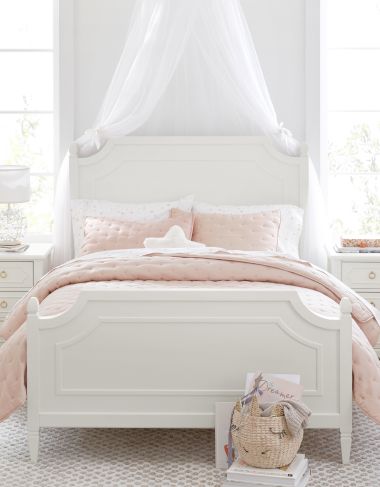
When it comes to your child’s safety, you want to be absolutely sure the furniture you choose is trustworthy. If you’re thinking about Pottery Barn Kids furniture, you might be wondering: Is it really safe for your little ones?
You want pieces that not only look great but also keep your child protected from harm. You’ll discover the key facts about Pottery Barn Kids furniture safety. By the end, you’ll feel confident about whether it’s the right choice for your family’s home.
Keep reading to find out what sets safe kids’ furniture apart and what you need to watch out for.
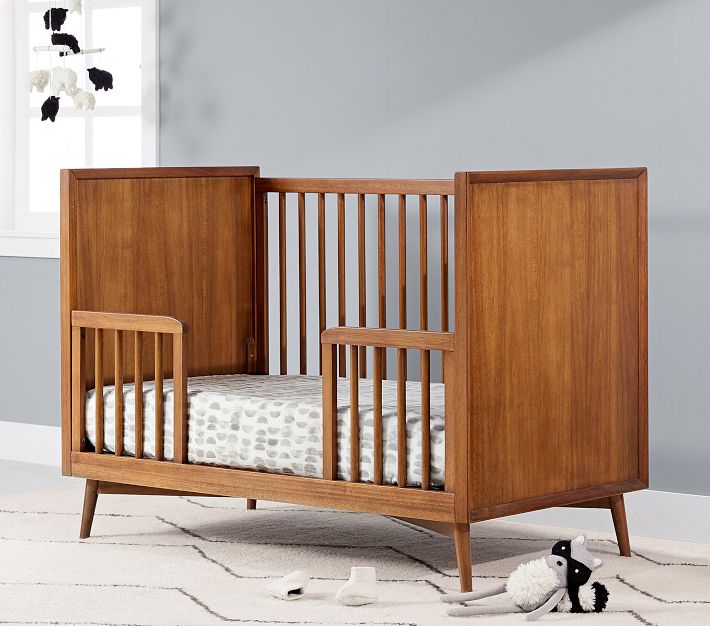
Credit: www.potterybarnkids.ca
Safety Standards And Certifications
When choosing furniture for your child, safety is often your top priority. Understanding the safety standards and certifications behind Pottery Barn Kids furniture can give you peace of mind. These factors ensure the products meet strict guidelines designed to protect your child from potential hazards.
Regulatory Compliance
Pottery Barn Kids furniture complies with important safety regulations that apply to children’s products in the U.S. This includes adherence to the Consumer Product Safety Commission (CPSC) rules, which cover everything from structural stability to the use of non-toxic materials.
Furniture for kids must pass rigorous testing for lead content, small parts, and sharp edges. Pottery Barn Kids also follows ASTM International standards, which are widely recognized for children’s product safety. Knowing these standards are met helps you feel confident about your child’s environment.
Certification Labels
Certification labels on Pottery Barn Kids furniture are more than just stickers—they’re proof of safety. Look for labels such as GREENGUARD Gold, which confirms low chemical emissions, making the furniture safer for indoor air quality.
Another key certification is the Juvenile Products Manufacturers Association (JPMA) seal. This label means the product has passed third-party testing for safety and performance. You can easily check these certifications on product tags or descriptions to ensure your choice meets trustworthy safety benchmarks.
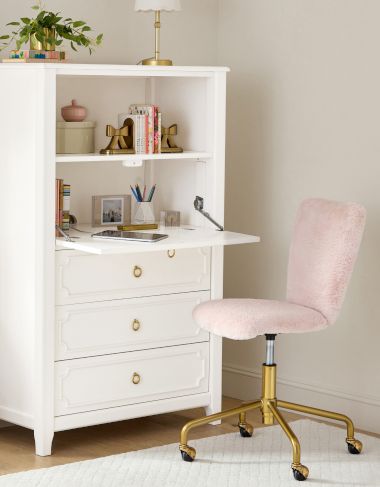
Credit: www.potterybarnkids.com
Material Quality And Durability
Material quality and durability play a key role in the safety of Pottery Barn Kid furniture. Strong and safe materials ensure furniture lasts long and protects children. Parents want furniture that stands up to daily use and rough play. Pottery Barn Kid focuses on sturdy construction and quality materials to meet these needs.
Wood And Metal Components
Pottery Barn Kid uses solid wood and metal in their furniture frames. The wood is often hardwood like oak or maple, known for strength and resistance to damage. Metal parts add extra support and stability, reducing wobbling or tipping risks. Surfaces are smooth and treated with child-safe finishes. These finishes prevent splinters and are free from harmful chemicals. The joints and screws are tightly fixed to avoid loose parts. This careful construction makes furniture durable and safe for kids to use every day.
Fabric And Upholstery Safety
Fabrics used in Pottery Barn Kid furniture meet strict safety standards. They choose materials that are soft, breathable, and free from toxic dyes. Upholstery fabrics resist stains and are easy to clean. This helps maintain a healthy environment for children. The cushions contain hypoallergenic fillings to reduce allergy risks. Fabrics undergo testing for flammability to ensure they meet safety regulations. This focus on safe, durable fabrics protects children and keeps furniture looking good over time.
Design Considerations
Design plays a key role in the safety of Pottery Barn Kids furniture. Thoughtful design reduces risks and keeps children safe during use. Every detail, from edges to stability, matters in creating a secure environment.
Sharp Edges And Corners
Sharp edges can cause cuts or bruises. Pottery Barn Kids furniture usually features rounded edges to prevent injuries. Smooth corners help avoid accidents when children bump into furniture. Soft finishes and protective padding add extra safety. These design choices create a safer space for active kids.
Stability And Balance
Furniture must stand firm without tipping over easily. Pottery Barn Kids ensures strong bases for balance and support. Wide legs or reinforced frames increase stability. Some pieces include wall anchors to prevent tipping. Stable furniture reduces the risk of falls and injuries for children.
Chemical Safety
Parents want to ensure their children’s furniture is free from harmful chemicals. Chemical safety in Pottery Barn Kids furniture is a key concern. This section explains how the brand addresses chemical safety. It focuses on paints, finishes, and materials used.
Non-toxic Paints And Finishes
Pottery Barn Kids uses paints and finishes that are safe for children. These products are low in volatile organic compounds (VOCs). VOCs can cause health problems and bad smells. The brand chooses non-toxic, water-based paints. These dry quickly and are less harmful.
The finishes avoid harsh chemicals like formaldehyde and lead. This reduces the risk of allergic reactions or poisoning. The furniture surfaces are sealed to prevent chemical release. Parents can feel confident about the safety of these coatings.
Allergen-free Materials
The brand selects materials that minimize allergens. Fabrics and foams are tested for common allergens. Pottery Barn Kids avoids substances that trigger asthma or skin irritation. Natural fibers and hypoallergenic fillings are common choices.
This approach helps create a safe environment for sensitive children. The materials also meet strict safety standards. This ensures the furniture is both comfortable and safe to use daily.
Assembly And Maintenance
Assembly and maintenance are key to ensuring Pottery Barn Kids furniture stays safe and sturdy. Proper setup prevents accidents and keeps pieces durable. Regular care maintains the furniture’s quality and safety over time. Both steps help protect your children while using the furniture daily.
Proper Installation
Follow the instruction manual carefully for every furniture piece. Use the right tools for tightening screws and bolts. Avoid forcing parts together to prevent damage. Secure heavy furniture to the wall with brackets to stop tipping. Assemble on a flat surface to keep balance. Double-check all connections before use.
Routine Safety Checks
Inspect furniture weekly for loose screws or parts. Tighten any fittings that feel wobbly or unstable. Look for cracks or broken pieces that could cause injury. Clean surfaces regularly to avoid buildup of dirt or grime. Replace damaged parts immediately to maintain safety. Keep the area around furniture clear to prevent tripping hazards.
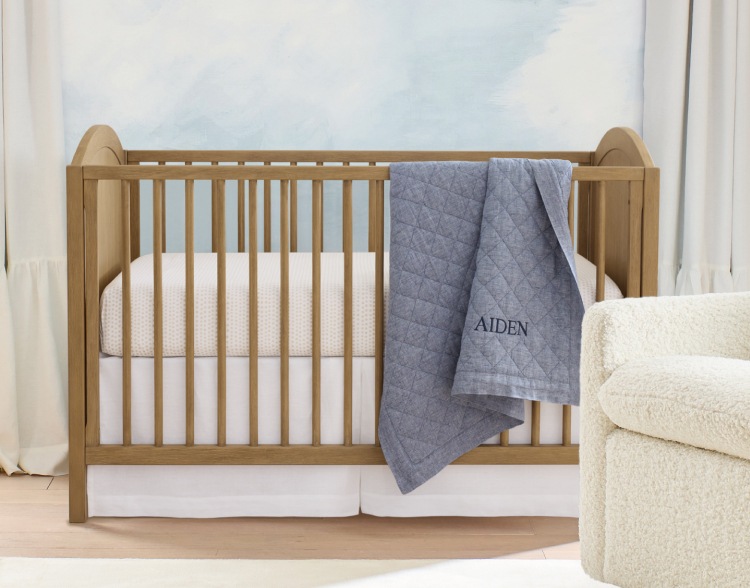
Credit: www.potterybarnkids.com
Feedback From Parents
Parents are often the best source of insight when assessing the safety of Pottery Barn Kid furniture. Their firsthand experiences reveal practical truths that product descriptions can’t always capture. Listening to their voices helps you understand both the potential risks and the benefits before making a purchase for your child’s room.
Common Concerns
Many parents worry about the durability and stability of Pottery Barn Kid furniture. Some have reported issues with loose screws or joints after months of use, which could pose safety risks for active children. Others mention concerns about the finish, questioning if the paints and varnishes are truly non-toxic and safe for kids who often touch and sometimes chew on furniture edges.
Another frequent concern involves the size and weight of certain pieces. Bulkier furniture might be harder to secure to walls, increasing the risk of tipping. Are you prepared to anchor large items properly to avoid accidents?
Positive Experiences
On the flip side, many parents praise the solid craftsmanship and thoughtful design of Pottery Barn Kid furniture. They highlight how pieces often come with safety features like rounded corners and smooth finishes that reduce injury risks. Several parents appreciate the timeless style that grows with their kids, making the furniture a long-term investment.
Parents also note the ease of assembly and clear instructions, which help them set up sturdy furniture without professional help. One mom shared how her child’s bed stayed stable even with energetic play, giving her peace of mind every night. Could this level of reliability be what you need for your child’s space?
Comparative Safety Analysis
Understanding how Pottery Barn Kids furniture stacks up against other brands in safety is crucial for your peace of mind. Comparing their products not only helps you see where they excel but also where they might fall short. This section breaks down that comparison with clear, actionable insights.
Pottery Barn Kids Vs Competitors
Pottery Barn Kids focuses heavily on using non-toxic finishes and sturdy construction. Their furniture often features solid wood and avoids harmful chemicals like lead and phthalates. However, some competitors offer similar safety standards with added certifications, such as GREENGUARD Gold or JPMA (Juvenile Products Manufacturers Association) certification.
Take, for example, IKEA’s children’s line, which emphasizes formaldehyde-free wood and rigorous crash testing. Yet, Pottery Barn Kids tends to use thicker materials that may better withstand wear and tear. If durability is a priority for you, Pottery Barn’s approach might feel more reassuring.
Still, you should ask yourself: does the brand provide clear safety testing reports? Pottery Barn Kids offers detailed safety information on their website, which not all competitors do. Transparency can be a key factor in your decision.
Industry Benchmarks
| Safety Criteria | Pottery Barn Kids | Industry Average | Top Competitors |
|---|---|---|---|
| Use of Non-Toxic Materials | 95% | 90% | 97% |
| Compliance with ASTM Standards | 100% | 98% | 100% |
| Child Safety Testing (Crash & Stability) | 90% | 85% | 92% |
| Certification Transparency | High | Medium | High |
Pottery Barn Kids meets or exceeds many industry benchmarks, especially in material safety and compliance. Their transparency about certifications is also a strong point compared to average brands. But some competitors push the envelope with additional eco-friendly materials or enhanced stability testing.
Think about what matters most to you. Would you prioritize chemical safety, durability, or certification transparency? Your answer will guide which brand fits your family’s needs best.
Frequently Asked Questions
Is Pottery Barn Kid Furniture Made From Non-toxic Materials?
Yes, Pottery Barn Kid furniture uses non-toxic finishes and materials. They prioritize child safety by avoiding harmful chemicals in their products.
Are Pottery Barn Kid Furniture Pieces Tested For Safety?
Absolutely, Pottery Barn Kid furniture undergoes rigorous safety testing. They comply with strict safety standards to ensure durability and child protection.
Can Pottery Barn Kid Furniture Prevent Common Hazards?
Yes, their furniture includes safety features like rounded edges and secure construction. These designs reduce risks such as sharp edges and tipping.
Is Pottery Barn Kid Furniture Durable For Everyday Use?
Pottery Barn Kid furniture is designed to be sturdy and long-lasting. It withstands rough play, making it ideal for children’s daily activities.
Conclusion
Pottery Barn Kids furniture meets important safety standards. Parents can feel confident about its quality. The materials used are tested for child safety. Designs focus on reducing risks like sharp edges. Regular checks and reviews support safe use. Choosing safe furniture helps keep children protected.
Always follow assembly instructions carefully for best results. Safety matters most when selecting kids’ furniture. Pottery Barn Kids offers options that balance style and safety. Your child’s well-being deserves this kind of attention.