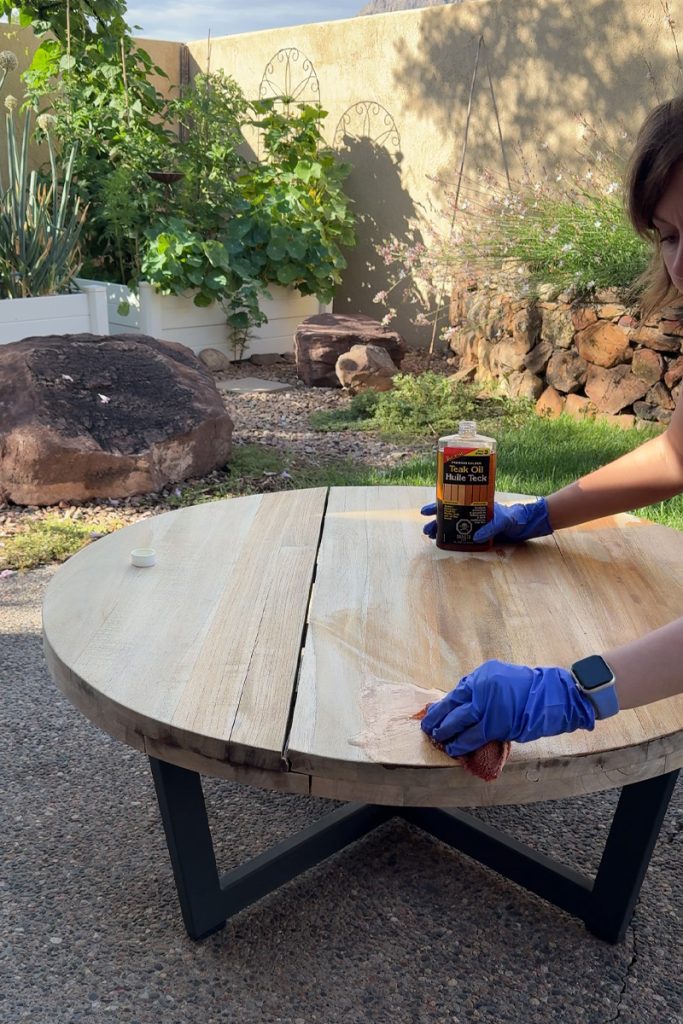
Your outdoor furniture is an investment that deserves the best care. If you want to keep your teak pieces looking rich, warm, and protected, using teak oil is a smart choice.
But how do you apply it correctly to get the best results? You’ll discover simple, step-by-step tips that make the process easy and effective. By the end, you’ll know exactly how to bring out the natural beauty of your outdoor furniture while shielding it from weather damage.
Ready to transform your teak furniture and enjoy its stunning look for years to come? Let’s dive in.

Credit: kuryfurniture.com
Benefits Of Teak Oil
Teak oil offers many benefits for outdoor furniture. It nourishes the wood and keeps it looking fresh. Using teak oil helps maintain the natural beauty and strength of your furniture. This treatment is simple and effective for protecting your investment.
Enhancing Wood Grain
Teak oil brings out the wood’s natural colors and patterns. It makes the grain look richer and deeper. The oil seeps into the wood, giving it a warm, glowing finish. This effect highlights the unique character of each piece of furniture.
Protecting Against Weather
Outdoor furniture faces sun, rain, and wind daily. Teak oil forms a barrier that resists water and moisture. It prevents the wood from drying out and cracking. This protection reduces damage from harsh weather conditions.
Extending Furniture Life
Regular use of teak oil keeps wood strong and healthy. It slows down aging caused by exposure to the elements. Treated furniture lasts longer and stays functional. This maintenance saves money by avoiding early replacements.
Preparing Furniture For Application
Preparing your outdoor furniture before applying teak oil is essential. It helps the oil soak deep into the wood. This makes the wood look better and last longer. Proper preparation removes dirt, smooths the surface, and sets the right conditions for oiling.
Cleaning The Surface
Start by removing dust, dirt, and old finishes. Use a soft brush or cloth to clear loose debris. For tough stains, mix mild soap with water and scrub gently. Rinse with clean water and let the furniture dry completely. Clean wood allows the oil to penetrate well.
Sanding Rough Areas
Check for rough spots or splinters on the wood. Sand these areas with fine-grit sandpaper until smooth. Sanding opens the wood pores, helping the oil absorb better. Wipe away sanding dust with a clean cloth before oiling.
Choosing The Right Environment
Pick a dry, shaded place to oil your furniture. Avoid direct sunlight or humid weather. These conditions affect how the oil dries and soaks in. A calm, cool environment ensures a smooth, even finish and proper drying time.
Selecting Quality Teak Oil
Selecting the right teak oil can make all the difference in maintaining your outdoor furniture’s beauty and durability. Not all teak oils are created equal, and understanding what to look for helps you protect your investment effectively. Let’s break down the key factors to consider when choosing a quality teak oil.
Types Of Teak Oil
Teak oils come in different blends and formulations, each designed to offer specific benefits. Some are pure natural oils like tung or linseed, while others are synthetic blends meant to penetrate deeper and last longer.
Natural teak oils soak into the wood and enhance its grain, but they may require more frequent application. Synthetic options often include additives that improve water resistance and UV protection, making them ideal for harsh outdoor conditions.
Ask yourself: Do you want a quick fix or long-term protection? Your choice depends on how much time you want to spend on maintenance and how exposed your furniture is to the elements.
Ingredients To Look For
Focus on teak oils that contain natural oils such as tung oil, linseed oil, or teak oil itself. These ingredients nourish the wood and prevent it from drying out and cracking.
Look for products with UV inhibitors to help maintain the wood’s color and prevent fading. Some oils also include mild solvents that help the oil penetrate the wood more deeply, improving durability.
Check the label for clear ingredient lists. Oils with simple, recognizable components often mean fewer surprises and better results.
Avoiding Harmful Additives
Steer clear of teak oils with high levels of volatile organic compounds (VOCs). These can be harmful to your health and the environment.
Avoid oils that contain heavy fragrances or synthetic dyes; they can sometimes mask poor-quality ingredients and may cause discoloration or damage over time.
Choose teak oils labeled as non-toxic or eco-friendly if you’re concerned about safety and sustainability. Your furniture—and your family—will thank you.

Credit: www.tiktok.com
Applying Teak Oil Step-by-step
Applying teak oil to outdoor furniture protects the wood and enhances its natural beauty. This process requires careful preparation and attention to detail. Follow these steps to achieve a smooth, lasting finish that keeps your furniture looking fresh.
Tools And Materials Needed
- Teak oil (high-quality, pure teak oil preferred)
- Clean, lint-free cloths or paintbrush
- Fine-grit sandpaper (220-grit recommended)
- Gloves to protect your hands
- Drop cloth or newspaper to protect the work area
- Steel wool (optional, for rough surfaces)
First Coat Application
Start by cleaning the furniture to remove dirt and old finishes. Sand the surface lightly using fine-grit sandpaper. This opens the wood pores to absorb the oil better.
Apply teak oil generously with a cloth or brush. Work along the grain for even coverage. Avoid leaving thick pools of oil on the surface.
Let the oil soak in for about 15-20 minutes. Wipe off any excess oil with a clean cloth to prevent stickiness.
Drying And Additional Coats
Allow the furniture to dry in a shaded, well-ventilated area. Drying usually takes 24 hours but depends on weather conditions.
Repeat the application process for 2-3 additional coats. Each coat deepens the color and increases protection. Lightly sand between coats if the surface feels rough.
Final drying should be thorough before using the furniture. Properly applied teak oil can last several months outdoors.
Maintenance Tips For Outdoor Furniture
Maintaining your outdoor furniture after applying teak oil is key to preserving its natural beauty and durability. Proper care ensures the wood stays protected from the elements and retains that rich, warm glow you worked hard to achieve. Let’s dive into some simple maintenance tips that help your furniture look great year-round.
Regular Cleaning
Keep dirt, dust, and mildew off your furniture by cleaning it regularly. Use a soft brush or cloth with mild soap and water to gently scrub the surface. Avoid harsh chemicals that can strip the oil finish.
Rinse thoroughly and let the furniture dry completely before applying any treatments. How often you clean depends on your environment—places with more dust or pollen might need weekly attention.
Reapplication Frequency
Teak oil doesn’t last forever, especially under sun and rain. Expect to reapply every 3 to 6 months to maintain a strong protective layer. Watch for signs like dullness, dryness, or water not beading on the surface.
Applying too often can make the surface sticky, so test a small area first. A thin, even coat is better than heavy layers that won’t absorb properly.
Storage During Harsh Weather
Extreme weather can damage your teak furniture even when oiled. If possible, move pieces indoors or into a sheltered area during heavy rain, snow, or intense sun. Covering your furniture with breathable covers also helps reduce moisture buildup and UV damage.
Leaving furniture exposed in harsh weather shortens the life of the oil finish and wood. Think about your local climate—what’s your plan for protecting your investment during winter or storms?
Credit: www.mrokart.com
Common Mistakes To Avoid
Applying teak oil to your outdoor furniture might sound straightforward, but there are some common mistakes that can ruin the finish and reduce the wood’s lifespan. Avoiding these errors will help you achieve a smooth, durable, and beautiful result. Let’s look at some pitfalls you should watch out for.
Over-application
Putting too much teak oil on your furniture can create a sticky, uneven surface that attracts dirt and dust. Excess oil doesn’t soak in properly and leaves a glossy film that may peel off later. Instead, apply thin, even coats and allow each one to dry fully before adding more.
Think about the last time you tried layering paint or stain too thickly—did it dry properly or stay tacky? The same principle applies here. Patience pays off more than rushing with heavy applications.
Ignoring Surface Prep
Skipping the cleaning and sanding steps before oiling is a common mistake that undermines the whole process. Dirt, old finishes, and rough patches prevent the oil from penetrating evenly. Take time to clean the wood thoroughly and sand it lightly for the best results.
If your furniture still feels rough or looks patchy after oiling, it’s often because the surface wasn’t prepared well. Ask yourself: Did I clean and sand the wood enough to help the oil absorb deeply?
Using Wrong Products
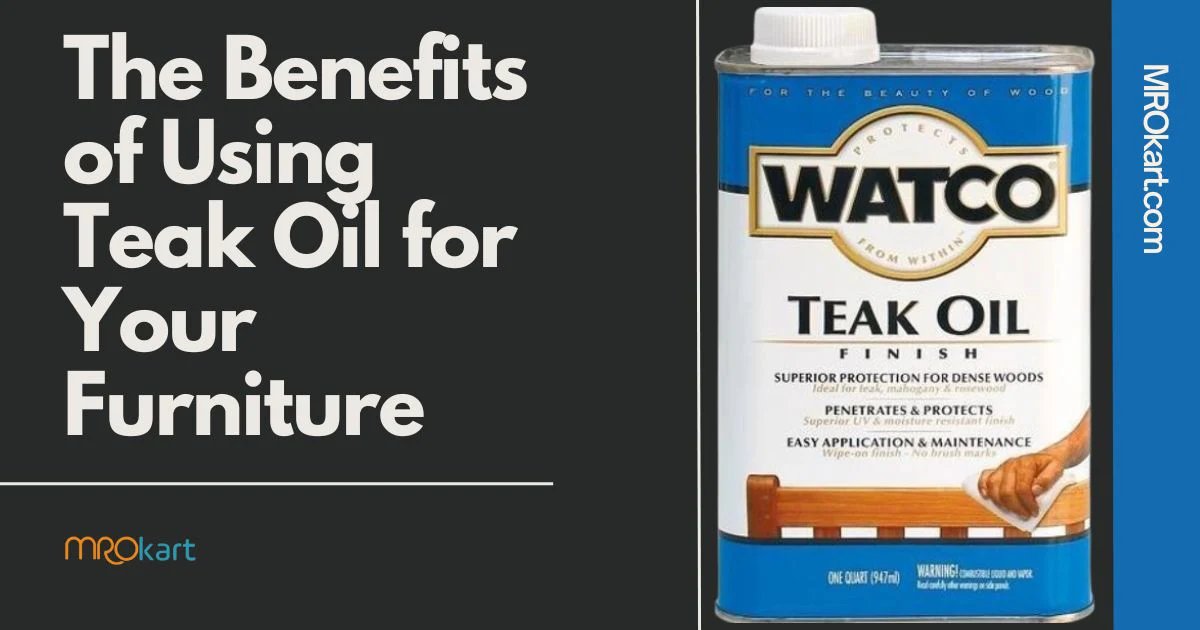
Not all teak oils are created equal. Using the wrong oil or a product not designed for outdoor use can lead to poor protection and faster wear. Check the label to ensure the oil is specifically formulated for teak and outdoor furniture.
Sometimes cheaper oils lack UV protection or water resistance, which your outdoor pieces desperately need. Investing in a quality product saves time and preserves your furniture longer. What’s the point of oiling if the product doesn’t protect your investment?
Frequently Asked Questions
What Is The Best Way To Apply Teak Oil On Outdoor Furniture?
Use a clean cloth or brush to apply teak oil evenly. Apply thin coats, let it soak for 15-20 minutes, then wipe off excess. Repeat for 2-3 coats for optimal protection and finish.
How Often Should I Reapply Teak Oil Outdoors?
Reapply teak oil every 3 to 6 months, depending on weather exposure. Regular reapplication maintains wood protection and appearance, preventing drying and cracking.
Can Teak Oil Protect Furniture From Weather Damage?
Yes, teak oil penetrates wood to protect against moisture, UV rays, and mildew. It enhances wood durability and maintains its natural beauty in outdoor conditions.
Should I Sand Outdoor Furniture Before Using Teak Oil?
Light sanding before applying teak oil helps remove old finishes and smooths the surface. This allows better oil absorption and a more even finish.
Conclusion
Applying teak oil on outdoor furniture keeps it strong and beautiful. Clean the wood first and use a soft cloth to apply oil evenly. Let the oil soak in and dry fully. Repeat the process regularly to protect the wood from weather damage.
This simple care helps your furniture last longer and look fresh. Enjoy your outdoor space with well-maintained teak pieces. Small efforts bring great results.