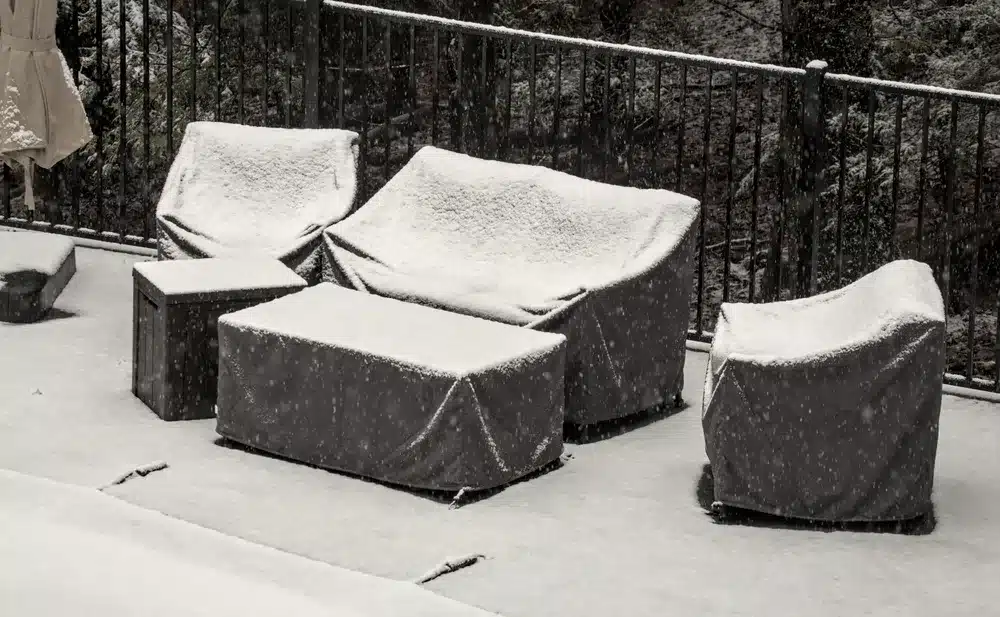
Winter is tough on your outdoor furniture. If you want to keep your favorite chairs and tables looking great year after year, knowing how to store them properly is key.
You might think leaving them outside or covering them quickly is enough—but that can lead to damage, rust, or fading. You’ll discover simple, effective steps to protect your furniture from harsh weather. By following these tips, you’ll save money, avoid frustration, and enjoy your outdoor space longer.
Ready to learn how to give your furniture the care it deserves this winter? Let’s dive in.
Preparing Furniture For Storage
Preparing outdoor furniture for winter storage extends its life and keeps it looking good. Clean and dry furniture avoids mold and damage during cold months. Checking for issues early stops problems from growing while stored.
Cleaning Before Storage
Remove dirt, dust, and debris from all surfaces. Use mild soap and water with a soft brush or cloth. For metal furniture, avoid harsh chemicals that cause rust. Wipe cushions and fabric with appropriate cleaners. Clean thoroughly to prevent stains and pests.
Drying Completely
Allow furniture to dry fully before storing. Moisture causes mold and weakens materials. Place furniture in a sunny, ventilated area. Turn cushions and fabrics to air out both sides. Ensure no damp spots remain anywhere.
Inspecting For Damage
Look for cracks, loose screws, or rust spots. Tighten bolts and fix small issues now. Note any areas needing repair after winter. Early repair protects furniture and saves money later.
Choosing The Right Storage Location
Choosing the right storage location for your outdoor furniture can make a huge difference in how well it weathers the winter months. The spot you pick should protect your furniture from harsh conditions while keeping it in good shape for the next season. Let’s look at key factors that help you decide where to keep your pieces safe and sound.
Indoor Vs Outdoor Storage
Storing furniture indoors is usually the best option. A garage, basement, or shed can provide solid protection from snow, rain, and wind. If you have limited indoor space, consider a covered outdoor area like a patio with a waterproof cover.
Outdoor storage might seem convenient, but it leaves your furniture exposed to temperature swings and moisture. Even with covers, prolonged exposure can cause damage. Ask yourself: is the ease of access worth the risk of wear and tear?
Ideal Temperature And Humidity
Your furniture fares best in a place where the temperature stays fairly steady—not too hot or freezing cold. Extreme cold can make some materials brittle, while heat can cause warping or fading. Look for storage with temperatures between 50°F and 70°F.
Humidity control is just as important. Too much moisture invites mold and mildew, especially on cushions and fabrics. Using a dehumidifier or moisture absorbers can help keep the air dry if you’re storing indoors.
Avoiding Direct Sunlight And Moisture
Even in storage, sunlight can cause fading and weaken materials over time. Choose a spot that’s shaded or completely dark to prevent UV damage. Check your storage area for any leaks or dampness that might soak your furniture.
Moisture is a silent enemy—condensation or a minor leak can cause rust or rot before you notice. Elevate your furniture off the ground using pallets or blocks to avoid direct contact with moisture. Regularly inspect the area to catch problems early.
Protective Covers And Materials
Protective covers and materials play a vital role in keeping outdoor furniture safe during winter. They shield your furniture from rain, snow, frost, and dust. Choosing the right cover can extend the life of your furniture and keep it looking new.
Using good quality materials prevents moisture buildup and damage caused by freezing temperatures. Proper covers also stop dirt and debris from accumulating on your furniture. Understanding the types of covers and how to secure them properly ensures effective protection.
Types Of Covers
Covers come in many forms, suited for different furniture styles and weather conditions.
- Polyethylene Covers:Affordable and waterproof but not always breathable.
- Canvas Covers:Durable and breathable, good for mild winter conditions.
- Vinyl Covers:Waterproof and easy to clean but can trap moisture inside.
- Custom-Fit Covers:Designed for specific furniture shapes, offering better protection.
Breathable Vs Waterproof Options
Breathable covers allow air to pass through, reducing mold and mildew risks. They prevent moisture from getting trapped under the cover.
Waterproof covers block all moisture, protecting against rain and snow but may cause condensation inside. Using a cover with vents can help balance waterproofing and breathability.
Securing Covers Properly
Secure covers tightly to prevent wind from blowing them off. Use straps, elastic hems, or drawstrings for a snug fit.
Check covers regularly for loose areas or tears. Repair or replace damaged covers to maintain protection.
Placing weights or using clips can add extra security in windy areas.
Credit: serwalloutdoor.com
Disassembling And Storing Components
Disassembling and storing the components of your outdoor furniture properly can save you from a lot of hassle next spring. Taking the time to carefully remove, pack, and label each part ensures nothing gets lost or damaged during winter storage. This step might seem tedious, but it protects your investment and makes reassembly quick and smooth.
Removing Cushions And Fabrics
Start by taking off all cushions, pillows, and any fabric covers. These are often the most vulnerable to mold and mildew if left on the furniture. Wash or clean them according to the care instructions, then let them dry completely before storing to prevent any moisture buildup.
Store cushions in breathable bags or bins, not plastic, to avoid trapping humidity. If you don’t have indoor space, consider vacuum-sealed bags to save room and keep pests away. Have you ever found a moldy cushion in spring? Proper storage helps you avoid that unpleasant surprise.
Storing Small Parts Safely
Next, gather screws, bolts, caps, and any detachable hardware. These tiny components are easy to lose but essential for reassembly. Use small containers or zip-lock bags to keep everything together.
To add an extra layer of protection, wrap delicate hardware in bubble wrap or tissue paper. If you have multiple furniture sets, keep parts separated to avoid confusion. Have you ever spent hours searching for a missing bolt? This simple step saves you time and frustration.
Labeling For Easy Assembly
Label each part and its corresponding hardware clearly before storing. Use masking tape and a permanent marker or printed labels to note which piece goes where. This practice speeds up reassembly and reduces guesswork.
Consider taking photos during disassembly to serve as a visual guide later. Have you ever looked at a pile of parts wondering where they all fit? Clear labeling turns that chaos into order and makes your spring setup nearly effortless.
Special Care For Different Materials
Storing outdoor furniture properly during winter means understanding the unique needs of each material. Wood, metal, plastic, and resin all react differently to cold and moisture. Giving each type special care can save you from costly repairs and keep your furniture looking great for years.
Wood Furniture Tips
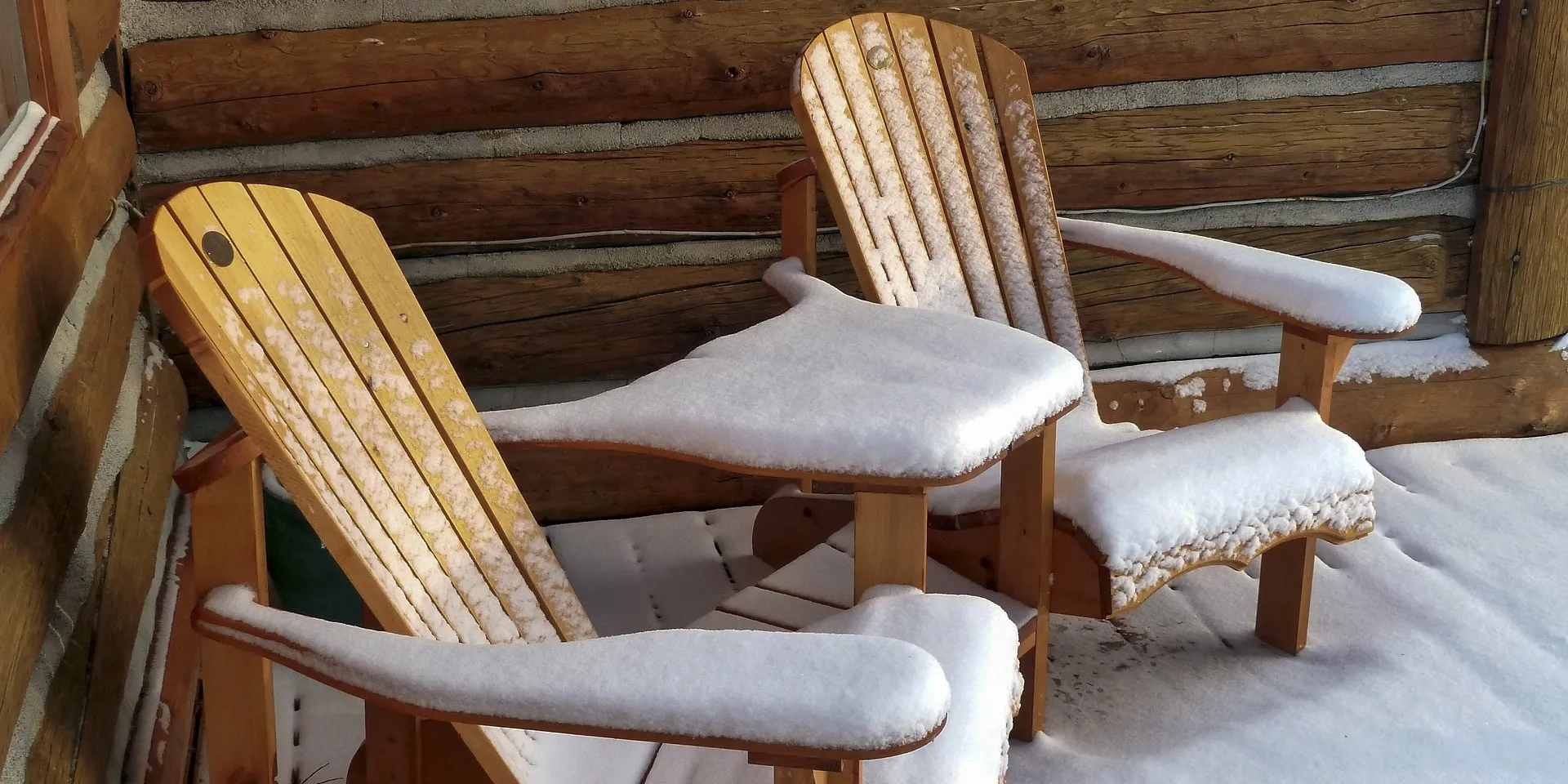
Wood furniture demands protection from moisture and extreme temperature changes. Before storing, clean the surface gently with a soft brush or cloth to remove dirt and debris.
Applying a coat of furniture-grade oil or sealant helps lock in moisture and prevents cracking. Wrap your wood pieces in breathable fabric covers instead of plastic to avoid mold buildup.
Have you checked for any loose joints or screws? Tighten them before storage to avoid damage from shifting during winter.
Metal Furniture Maintenance
Metal furniture can rust if left exposed to damp conditions. Start by wiping down all surfaces with a dry cloth to remove any moisture or dirt.
Use a rust inhibitor or a coat of outdoor metal paint to protect vulnerable areas. If possible, store metal furniture indoors or at least cover it with waterproof, breathable covers.
Consider adding silica gel packs inside cushions or storage bags to absorb excess moisture. Ever noticed how tiny rust spots can spread quickly? Catching them early makes a huge difference.
Plastic And Resin Furniture Protection
Plastic and resin furniture are usually low maintenance but still need care to avoid cracking or fading. Clean the surfaces with mild soap and water before storage.
Keep these pieces out of direct sunlight during winter to prevent brittleness caused by UV exposure. Storing them in a cool, shaded spot or using UV-resistant covers can help.
Stacking plastic chairs carefully prevents scratches and warping. Do you store cushions separately? Keep them dry and ventilated to avoid mildew buildup.
Credit: serwalloutdoor.com
Preventing Pest And Mold Issues
Preventing pest and mold issues is key to protecting outdoor furniture during winter. Pests can chew through materials and leave nests. Mold grows in damp, dark places and damages surfaces. Taking simple steps helps keep your furniture safe and clean.
Using Pest Repellents
Choose natural pest repellents to avoid harmful chemicals. Place sachets or sprays near your furniture. Essential oils like peppermint or cedar work well. Avoid direct contact with furniture to prevent stains. Check labels to ensure safe use on outdoor materials.
Ensuring Proper Ventilation
Store furniture in a dry, ventilated space. Avoid tightly sealed covers that trap moisture. Use breathable covers made of fabric or mesh. Leave small gaps for air to circulate. Proper airflow stops mold spores from growing.
Regular Checks During Storage
Inspect furniture every few weeks during storage. Look for signs of pests or mold spots. Clean any dirt or debris that attracts insects. Remove moisture with a dry cloth or fan. Early detection prevents bigger problems later.
Preparing Furniture For Spring Use
Preparing your outdoor furniture for spring use helps extend its life and keeps it looking great. After months in storage, furniture may need some care before it is ready for use again. Taking the time to clean, repair, and arrange your pieces ensures a fresh, inviting outdoor space.
Cleaning After Storage
Start by removing dust, dirt, and any mildew from the furniture. Use mild soap and warm water with a soft cloth or brush. Avoid harsh chemicals that can damage finishes. Rinse thoroughly and let the furniture dry completely. Clean cushions and fabric covers according to their care instructions. Proper cleaning restores the furniture’s appearance and prevents damage.
Repairing Any Damage
Check for cracks, rust, loose screws, or broken parts. Tighten screws and bolts to ensure stability. Sand and repaint metal or wooden surfaces if needed. Replace any damaged cushions or fabric. Fixing problems early prevents bigger issues later. Well-maintained furniture stays safe and comfortable.
Reassembling And Arranging
Put all furniture pieces back together if you disassembled them for storage. Make sure every part fits securely. Arrange your furniture thoughtfully to create a welcoming outdoor area. Consider space, sunlight, and traffic flow. A well-arranged setup invites relaxation and enjoyment throughout spring and summer.

Credit: serwalloutdoor.com
Frequently Asked Questions
How Should I Prepare Outdoor Furniture For Winter Storage?
Clean all furniture thoroughly to remove dirt and debris. Dry completely to prevent mold. Disassemble if possible for easier storage. Apply protective covers or sealants for added protection against moisture and pests.
What Is The Best Place To Store Outdoor Furniture In Winter?
Store furniture in a dry, cool, and well-ventilated area. Avoid damp basements or garages prone to moisture. A shed or indoor storage unit works well. Proper airflow prevents mold and rust during winter months.
Should I Cover Outdoor Furniture During Winter Storage?
Yes, use breathable, waterproof covers to protect furniture. Avoid plastic tarps that trap moisture. Covers shield against snow, rain, and dust. This helps prolong the life of your furniture.
How Can I Protect Wooden Outdoor Furniture In Winter?
Apply a water-resistant sealant or outdoor wood oil before storing. This prevents cracking and warping from moisture and cold. Keep wood furniture off the ground on pallets or shelves to avoid dampness.
Conclusion
Storing outdoor furniture for winter is simple with the right steps. Start by cleaning each piece thoroughly. Dirt can cause damage over time. Use covers to protect against harsh weather. Store furniture in a dry area. This prevents moisture damage.
Stacking chairs saves space in storage. Cushions should be stored indoors. They need extra protection from cold. Regular checks ensure nothing is damaged. This keeps your furniture in good shape. Invest in quality covers for better protection. Proper storage extends the life of your furniture.
Keep these tips in mind for a stress-free winter. Enjoy your furniture when spring arrives!