Are you planning to store your furniture for a long time and worried about damage? Proper storage can protect your valuable pieces from dust, moisture, and pests.
But how do you make sure your furniture stays in great shape until you need it again? You’ll discover simple, effective tips to store your furniture safely. By following these easy steps, you’ll save time, money, and the headache of dealing with ruined items later.
Keep reading to learn how to keep your furniture looking like new, no matter how long it stays in storage.
Preparation For Storage
Proper preparation is key to storing furniture safely for a long time. Taking the right steps protects your items from damage, dust, and pests. It also makes moving and unpacking easier. Start by cleaning each piece thoroughly and checking for needed repairs. Next, take apart large or fragile items carefully. Finally, wrap everything properly to shield it from moisture and scratches.
Cleaning And Maintenance
Remove dust, dirt, and stains before storage. Use gentle cleaners suitable for the furniture material. Wipe wooden surfaces with a soft, damp cloth and dry immediately. For fabric pieces, vacuum to remove dirt and pet hair. Let everything dry completely to avoid mold and mildew. Tighten loose screws and fix minor damage. Proper maintenance prevents further issues during storage.
Disassembly Tips
Take apart large furniture to save space and reduce damage risk. Remove legs, cushions, and detachable parts carefully. Keep screws, bolts, and small pieces in labeled bags. Use a notebook or take photos to remember how to reassemble later. Handle fragile parts with extra care. Disassembly makes moving easier and protects your furniture from breaking.
Protective Wrapping
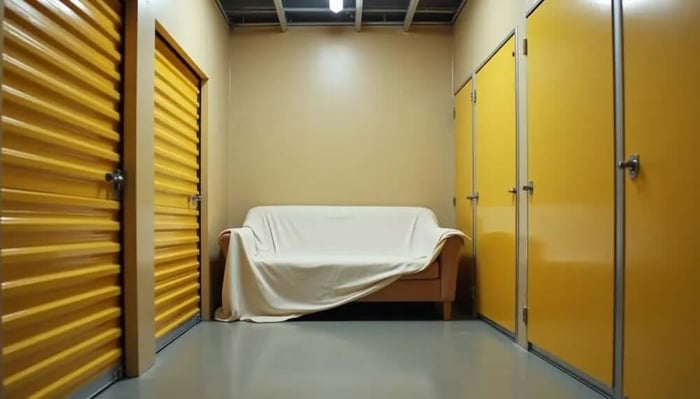
Cover furniture with materials that protect against dust and moisture. Use moving blankets or thick sheets for wooden and upholstered pieces. Wrap glass and mirrors with bubble wrap for extra cushioning. Avoid plastic wraps that trap moisture, causing damage. Secure wrapping with tape or stretch wrap without sticking to surfaces. Proper wrapping ensures your furniture stays safe and clean in storage.

Credit: www.facebook.com
Choosing Storage Solutions
Choosing the right storage solution is key to keeping your furniture safe and in great condition during long-term storage. Different types of units offer various benefits and challenges, so understanding what works best for your specific pieces will save you time, money, and stress. Let’s look at the main options and how to decide which one fits your needs.
Climate-controlled Units
Climate-controlled units maintain stable temperature and humidity levels. This environment prevents wood from warping and leather from cracking. If your furniture includes antiques, delicate materials, or items sensitive to moisture, this option is worth considering.
Think about how often you’ve seen wooden furniture swell or shrink in changing weather. I once stored a vintage chair in a non-climate unit, and it developed cracks within months. That experience made me realize the value of controlled climate for valuable pieces.
Non-climate Controlled Options
Non-climate controlled units are usually more affordable but expose your furniture to temperature and humidity swings. This can be fine for durable items like metal or plastic furniture. However, you’ll want to take extra precautions like wrapping wood in breathable covers.
Ask yourself if your furniture can handle temperature changes without damage. If you have sturdy outdoor patio sets or metal beds, these units might be sufficient. Just keep moisture and pests in mind, and add protective layers to your furniture.
Cost Considerations
Your budget will play a big role in which storage option you choose. Climate-controlled units cost more but can save you money on repairs or replacements down the line. Non-climate units are cheaper but may require more prep work and risk damage.
Make a list of your furniture’s value and fragility, then compare storage prices. Would you rather spend a bit more now or face potential damage costs later? Sometimes investing in better storage is the smarter financial move.
Packing Techniques
Packing your furniture correctly is key to keeping it safe during long-term storage. The right techniques protect your pieces from damage, dust, and moisture. You want to make sure every inch of space is used wisely while keeping your items organized and easy to find later.
Efficient Space Utilization
Think about how you arrange your furniture before packing. Disassemble larger pieces if possible to save room and reduce the risk of damage. Use soft materials like blankets or bubble wrap to protect surfaces while stacking or placing items close together.
Fill gaps with smaller items to avoid wasted space. Rolling up rugs or cushions and tucking them into corners can maximize storage efficiency. Have you tried using vacuum-sealed bags for cushions and fabric items? They shrink your belongings and free up valuable space.
Labeling And Inventory
Label each item clearly with permanent markers or printed tags. Include what the item is and its intended room to make unpacking easier. Keep a detailed inventory list on paper or digitally; this saves time and frustration when you need to locate something.
Using color-coded labels can speed up the identification process. For example, red for living room items and blue for bedroom. Have you ever spent hours digging through boxes just to find a single chair cushion? Proper labeling prevents that headache.
Stacking Strategies
Place heavier items at the bottom to create a stable base and avoid crushing lighter, delicate pieces. Stack flat items like tables and shelves vertically to save space and keep them from warping. Use padding between stacked furniture to prevent scratches and dents.
Consider the shape and fragility of items when stacking. Chairs with removable legs can be stacked more compactly if legs are detached. How do you usually handle stacking? Adjusting your strategy might protect your furniture better than you expect.
Credit: www.storagestar.com
Preventing Damage
Protecting furniture during long-term storage is essential to keep it in good shape. Damage can happen in many ways, such as moisture buildup, pests, or physical stress. Taking steps to prevent these issues saves time and money later.
Moisture Prevention
Moisture causes wood to swell and metal to rust. Use moisture absorbers like silica gel packs or charcoal bags inside the storage area. Cover furniture with breathable fabric covers to avoid trapping humidity. Store pieces off the ground on pallets or blocks. Ensure good airflow around the furniture to reduce dampness.
Pest Control Measures
Pests like rodents and insects can chew or nest inside furniture. Seal cracks and holes in the storage space to block entry. Place natural repellents like cedar chips or lavender sachets near stored items. Avoid storing food or plants nearby. Regularly inspect the area for signs of pest activity and act quickly if found.
Avoiding Warping And Scratches
Furniture can warp or scratch if stored incorrectly. Keep pieces upright and avoid stacking heavy items on top. Use soft padding such as blankets or foam between items to prevent scratches. Maintain a stable room temperature to reduce wood movement. Handle furniture gently during packing and unpacking to avoid damage.
Access And Maintenance
Access and maintenance are crucial for keeping your furniture in top shape during long-term storage. Without proper care, even the best-packed pieces can suffer damage or become hard to locate. Planning how often you check on your items and how you organize them can save you time and money later.
Regular Check-ups
Set a schedule to inspect your stored furniture every few months. Look for signs of moisture, pests, or any damage that might have developed. Catching problems early helps you act quickly before they worsen.
During your check-ups, open storage boxes and unwrap some pieces to ensure they remain in good condition. This habit also helps you stay familiar with what’s inside, so nothing gets forgotten. How often do you think you should peek inside your storage to keep things fresh?
Updating Inventory
Keep a detailed list of all your furniture stored, including descriptions and photos if possible. Update this inventory whenever you add or remove items. It makes locating specific pieces easier and reduces unnecessary searching.
Try using digital tools like apps or spreadsheets for your inventory. They allow quick updates and easy sharing if someone else helps you manage your storage. Have you tried creating an inventory that you can access from your phone?
Easy Access Tips
Arrange your storage space so frequently used items are near the front. Label boxes clearly with large, readable tags to identify contents at a glance. Avoid stacking heavy pieces on top of delicate ones.
Consider leaving a clear pathway in your storage area. This simple step can save you from moving multiple items just to reach one piece. Could reorganizing your space improve how fast you retrieve your furniture?

Credit: www.facebook.com
Frequently Asked Questions
How Do I Prepare Furniture For Long-term Storage?
Clean and dry furniture thoroughly before storage. Disassemble large pieces to save space. Wrap items with breathable covers to prevent dust and moisture damage.
What Is The Best Temperature For Storing Furniture?
Store furniture in a climate-controlled environment between 50°F and 70°F. Avoid extreme heat or cold to prevent warping and cracking.
Should I Use Plastic Covers For Furniture Storage?
Avoid plastic covers as they trap moisture, causing mold. Use breathable fabric covers or moving blankets instead to protect furniture properly.
How Can I Prevent Mold On Stored Furniture?
Ensure furniture is completely dry before storage. Use moisture absorbers or silica gel packets in storage areas to control humidity.
Conclusion
Storing furniture long-term needs care and good planning. Clean each piece before packing to avoid damage. Use sturdy covers and avoid plastic directly on wood. Keep furniture off the ground to stop moisture harm. Check your storage space for dryness and ventilation.
Regularly inspect your items to catch any problems early. Following these tips will keep your furniture safe and ready to use. Simple steps make a big difference in protecting your valuable pieces. Your effort now saves money and stress later.