
Is your metal outdoor furniture looking dull, rusty, or worn out? You don’t have to buy new pieces to bring back that fresh, inviting look.
Restoring your metal furniture is easier than you think—and it can save you money while giving your outdoor space a whole new vibe. In this guide, you’ll discover simple, effective steps to clean, repair, and protect your metal furniture so it shines like new again.
Ready to transform your outdoor area and enjoy your furniture for years to come? Let’s dive in!
Assessing The Furniture Condition
Before restoring your metal outdoor furniture, it’s essential to carefully assess its current condition. This helps you understand the extent of damage and plan the right restoration steps. Taking a close look now can save you time and effort later.
Checking For Rust And Corrosion
Rust is the most common issue with metal outdoor furniture. Run your hand over the surface and look for rough, flaky patches or areas where the metal has turned reddish-brown.
Don’t just focus on visible spots—check hidden corners and joints where moisture tends to hide. If rust feels deep or the metal crumbles under light pressure, it may need more intensive treatment or part replacement.
Identifying Paint Damage
Next, examine the paint carefully. Look for peeling, bubbling, or cracking paint which often signals moisture trapped underneath or sun damage.
Scratches and chips expose the metal and accelerate rusting. You might find areas where the paint has faded unevenly, indicating UV damage that weakens the protective layer.
Evaluating Structural Integrity
Ask yourself if the furniture feels sturdy. Wiggle legs, armrests, and joints to detect any looseness or wobbling.
Look for bent frames or broken welds, which reduce safety and comfort. Even if the furniture looks fine on the surface, weak spots hidden under paint or rust can lead to accidents later.
Have you ever ignored a small wobble, only to regret it when the chair collapsed? Catching these issues early makes restoration smoother and your furniture safer to use.

Credit: www.reddit.com
Gathering Necessary Tools And Materials
Restoring metal outdoor furniture needs the right tools and materials. Gathering these before starting saves time and makes the work easier. Proper preparation helps achieve a smooth, lasting finish. Each item has a specific role in cleaning, repairing, and protecting your furniture.
Essential Cleaning Supplies
- Soft-bristle brush for gentle scrubbing
- Mild detergent to remove dirt and grime
- Bucket filled with warm water
- Clean cloths or rags for wiping surfaces
- Sandpaper or sanding block to smooth rough spots
Rust Removal Products
- Wire brush to scrape off loose rust
- Rust remover gel or spray for tough corrosion
- Steel wool for detailed rust cleaning
- Protective gloves to keep hands safe
Protective Coatings And Paints
- Rust-inhibiting primer to prevent future rust
- Outdoor metal paint designed to withstand weather
- Clear sealant for extra protection and shine
- Paintbrushes or spray paint tools for application
Cleaning The Furniture
Cleaning your metal outdoor furniture is the first and most crucial step toward restoring its original charm. Dirt and grime can hide underlying damage and make any restoration effort less effective. Taking the time to clean thoroughly will help you see the true condition of your pieces and prepare them for further care.
Removing Dirt And Debris
Start by brushing off loose dirt and leaves using a soft-bristle brush or a dry cloth. This prevents scratching the metal surface during washing. If there are stubborn spots, a garden hose with moderate pressure can help wash away accumulated debris without damaging the finish.
Have you noticed how much dust can settle on furniture just sitting outdoors? Removing this layer is essential before moving on to deeper cleaning. Don’t rush—taking your time here saves effort later.
Using Mild Detergents
Mix warm water with a mild detergent like dish soap to create a gentle cleaning solution. Use a sponge or soft cloth soaked in the solution to wipe down all surfaces. Avoid harsh chemicals or abrasive cleaners that can strip paint or cause rust.
If your furniture has painted surfaces, test the detergent on a small hidden spot first. This simple test will protect your investment from unexpected damage. You might be surprised how much a gentle cleaner can brighten dull metal.
Drying Properly
After washing, dry your furniture thoroughly with a clean, dry towel or cloth. Leaving water on metal surfaces can accelerate rust formation. Pay close attention to joints and crevices where water tends to collect.
Do you know that even a small puddle of water can cause rust to start forming overnight? Proper drying is an easy step that many overlook but it greatly extends the life of your furniture.

Credit: www.facebook.com
Removing Rust And Old Paint
Removing rust and old paint is a crucial step in restoring metal outdoor furniture. Rust weakens the metal and ruins its look. Old paint may peel or crack, so removing it ensures a smooth surface for new paint. Proper removal helps the furniture last longer and look fresh.
Sanding Techniques
Sanding is a simple way to remove rust and paint. Use medium-grit sandpaper to scrub off loose rust and paint. For hard-to-reach spots, use a wire brush or sanding sponge. Sand evenly to avoid damaging the metal. Finish with fine-grit sandpaper for a smooth surface.
Using Chemical Rust Removers
Chemical rust removers dissolve rust quickly. Apply the remover with a brush or cloth. Let it sit for the time shown on the product label. Wipe off the rust and clean the metal with water. Choose removers safe for outdoor furniture and follow instructions carefully.
Safety Tips During Removal
- Wear gloves to protect your hands from chemicals and sharp edges.
- Use safety goggles to shield your eyes from dust and splashes.
- Work in a well-ventilated area to avoid inhaling fumes or dust.
- Wear a mask to protect your lungs from dust and chemical vapors.
- Dispose of used materials safely to protect the environment.
Repairing Damages
Repairing damages is the cornerstone of restoring your metal outdoor furniture. Small issues like loose joints or cracks can quickly turn into bigger problems if ignored. Tackling these repairs early not only improves the look but also extends the furniture’s life.
Fixing Loose Joints
Loose joints make your furniture wobbly and unsafe. To fix them, first check where the metal pieces meet. Tighten any screws or bolts using the correct size wrench or screwdriver.
If the joints are welded and the weld is cracked, you may need to re-weld or use a strong metal adhesive. Always wear safety gear when working with welding tools, or consider professional help if you’re unsure.
Have you ever noticed how a simple tightening can make your chair feel brand new? Don’t overlook this easy fix.
Filling Small Holes And Cracks
Small holes and cracks can let moisture in, causing rust and further damage. Use a metal filler or epoxy putty designed for outdoor use to fill these imperfections.
Apply the filler with a putty knife, pressing it firmly into the hole or crack. After it dries, sand it smooth so the surface is even and ready for painting.
This quick step prevents tiny flaws from turning into costly repairs. Do you want to spend more time enjoying your furniture or fixing it later?
Replacing Broken Parts
Broken parts like legs, armrests, or decorative elements can ruin the function and appearance of your furniture. Identify the exact piece that needs replacement and look for matching parts online or at local hardware stores.
When you find the replacement, remove the damaged part carefully without harming the surrounding metal. Attach the new part securely with bolts, screws, or welds as appropriate.
Replacing parts may seem challenging, but it’s often easier than you think. What if a broken leg stops you from using your favorite chair? Fixing it gives your furniture a second chance.
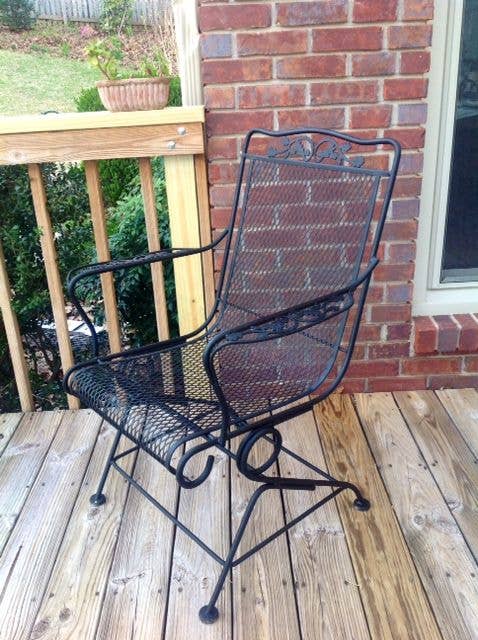
Credit: dengarden.com
Applying Primer And Paint
Applying primer and paint is a crucial step in restoring your metal outdoor furniture. It not only improves the appearance but also protects the metal from rust and weather damage. Taking time to choose the right products and applying them carefully will extend the life of your furniture and keep it looking fresh.
Choosing The Right Primer
Your primer forms the base layer that helps paint stick better and prevents rust. Look for a primer specifically designed for metal surfaces and outdoor use. Rust-inhibiting primers are ideal because they provide extra protection against moisture.
If your furniture has any rust spots, use a primer that can bond directly to rust. This avoids extra sanding and ensures a smoother finish. Have you checked if the primer is compatible with your paint? Matching them is key to avoiding peeling later.
Selecting Durable Outdoor Paint
Not all paints hold up well outdoors, especially on metal. Choose paint labeled as “exterior” or “outdoor” that resists fading and cracking. Acrylic or oil-based paints are popular choices for metal furniture because they offer strong adhesion and durability.
Consider the finish too—glossy paints are easier to clean but may show imperfections, while matte finishes hide flaws but can be harder to wipe down. What kind of look do you want? Also, check if the paint is waterproof for extra protection.
Painting Tips For Smooth Finish
Start with a clean, dry surface free of dust and grease. Use a brush for corners and crevices, and a foam roller for flat areas to avoid brush strokes. Thin, even coats work best—thick layers can drip or peel.
Allow each coat to dry fully before applying the next. Patience here pays off in a professional-looking finish. If you want extra durability, add a clear topcoat once the paint is dry. Have you tried using painter’s tape to protect areas you don’t want painted? It helps keep lines neat and tidy.
Adding Protective Finishes
Adding protective finishes is key to keeping metal outdoor furniture looking fresh. These finishes shield the metal from rust, weather, and fading. They also make cleaning easier and extend the furniture’s life. Choosing the right protective finish depends on the type of metal and the climate where the furniture sits.
Using Clear Coats
Clear coats create a strong, invisible layer over the metal. They prevent moisture from touching the surface. You can apply clear spray or brush-on coatings. Look for finishes labeled as rust-inhibiting or weather-resistant. Make sure the metal is clean and dry before applying. Apply thin, even layers and let each dry fully. Clear coats keep the original color and texture visible.
Uv Protection Options
Sunlight causes paint and metal to fade or crack. UV protection finishes block harmful rays. Some clear coats include UV blockers. Special sprays and sealants also add UV resistance. Choose a product designed for outdoor metal use. Reapply UV protection every year for best results. This helps maintain the furniture’s bright, fresh look.
Maintenance For Long-lasting Shine
Keep protective finishes working well with simple care. Clean the furniture regularly with mild soap and water. Avoid abrasive cleaners that can scratch the finish. Check for chips or cracks and touch them up quickly. Store furniture indoors or cover it during harsh weather. Regular maintenance preserves the shine and prevents rust from returning.
Regular Care And Maintenance
Keeping your metal outdoor furniture in top shape doesn’t require a major effort if you commit to regular care and maintenance. This ongoing attention prevents rust, fading, and damage, extending the life of your pieces and saving you money. Let’s dive into practical ways you can protect your investment through simple, consistent habits.
Routine Cleaning Practices
Cleaning your metal furniture regularly is key to avoiding buildup of dirt and grime that can wear down protective finishes. Use a soft cloth or sponge with mild soap and water to wipe down surfaces, then dry thoroughly to stop moisture from causing rust.
Try to clean your furniture at least once a month during the outdoor season. If you notice stubborn stains or bird droppings, remove them quickly to prevent damage. Have you ever let dirt sit too long and then struggled with stains? Acting early makes a big difference.
Seasonal Checks
Take time each season to inspect your furniture for signs of rust, loose screws, or chipped paint. Small rust spots can be sanded lightly and touched up with paint designed for metal to prevent spreading.
Check joints and bolts for tightness, ensuring the furniture remains stable and safe. These quick seasonal checkups can save you from costly repairs or replacements later. What small issue might you be overlooking right now that could turn into a bigger problem?
Storing Furniture Properly
Protect your metal furniture during harsh weather by storing it in a dry, sheltered place whenever possible. Covering pieces with breathable furniture covers also helps keep moisture out while allowing air circulation.
If indoor storage isn’t an option, try to place furniture on elevated surfaces to avoid ground moisture. Proper storage minimizes rust and keeps cushions and fabrics in better condition. How could changing your storage routine improve your furniture’s lifespan?
Frequently Asked Questions
How Do I Clean Metal Outdoor Furniture Before Restoration?
Start by removing dirt with mild soap and water. Use a soft brush to scrub rust spots gently. Rinse thoroughly and let it dry completely before restoration.
What Is The Best Way To Remove Rust From Metal Furniture?
Use sandpaper or a wire brush to scrub off rust. For stubborn rust, apply a rust remover solution. Always wear gloves and work in a well-ventilated area.
Can I Restore Metal Outdoor Furniture Without Repainting?
Yes, light rust and dirt can be cleaned without repainting. Apply a protective sealant after cleaning to prevent rust. Repainting is recommended for heavy damage or peeling paint.
How Often Should I Restore Metal Outdoor Furniture?
Restore your metal furniture every 1-2 years or when rust appears. Regular cleaning and sealing help extend its lifespan and maintain its look.
Conclusion
Restoring metal outdoor furniture is easy and rewarding. Clean the surfaces well. Remove any rust carefully. Apply fresh paint or finish. Protect from future damage. Regular maintenance keeps furniture looking new. Enjoy your refreshed outdoor space. Invite friends and family.
Share the beauty of your restored pieces. Simple steps make a big difference. Keep your furniture shining bright. Your backyard will thank you. Remember to check it often. A little care goes a long way. Happy restoring!