Your outdoor plastic furniture can brighten up any patio or garden, but over time, dirt, stains, and grime can make it look tired and worn out. You might think cleaning it is a hassle or that harsh chemicals are your only option.
The truth is, with the right steps, you can easily restore your furniture’s shine and keep it looking fresh all year round. Ready to bring your outdoor space back to life? Keep reading, and you’ll discover simple, effective ways to clean your plastic furniture without stress or expensive products.
Your next relaxing moment outside deserves it!
Choosing The Right Cleaning Supplies
Choosing the right cleaning supplies is key for maintaining plastic outdoor furniture. The right products protect the furniture and keep it looking fresh. Using improper cleaners can cause damage or leave stains. Select supplies that clean well without harming the plastic surface. Focus on gentle yet effective options for best results.
Safe Cleaners For Plastic Furniture
Use mild soap or detergent mixed with water. Dish soap works well to remove dirt and grime. Avoid abrasive cleaners that can scratch the plastic. Baking soda diluted in water can help with tough stains. White vinegar is a natural cleaner that removes mildew and mold. Always test a small hidden area first before full use.
Tools You’ll Need
- Soft-bristle brush to scrub dirt gently
- Microfiber cloths for wiping and drying
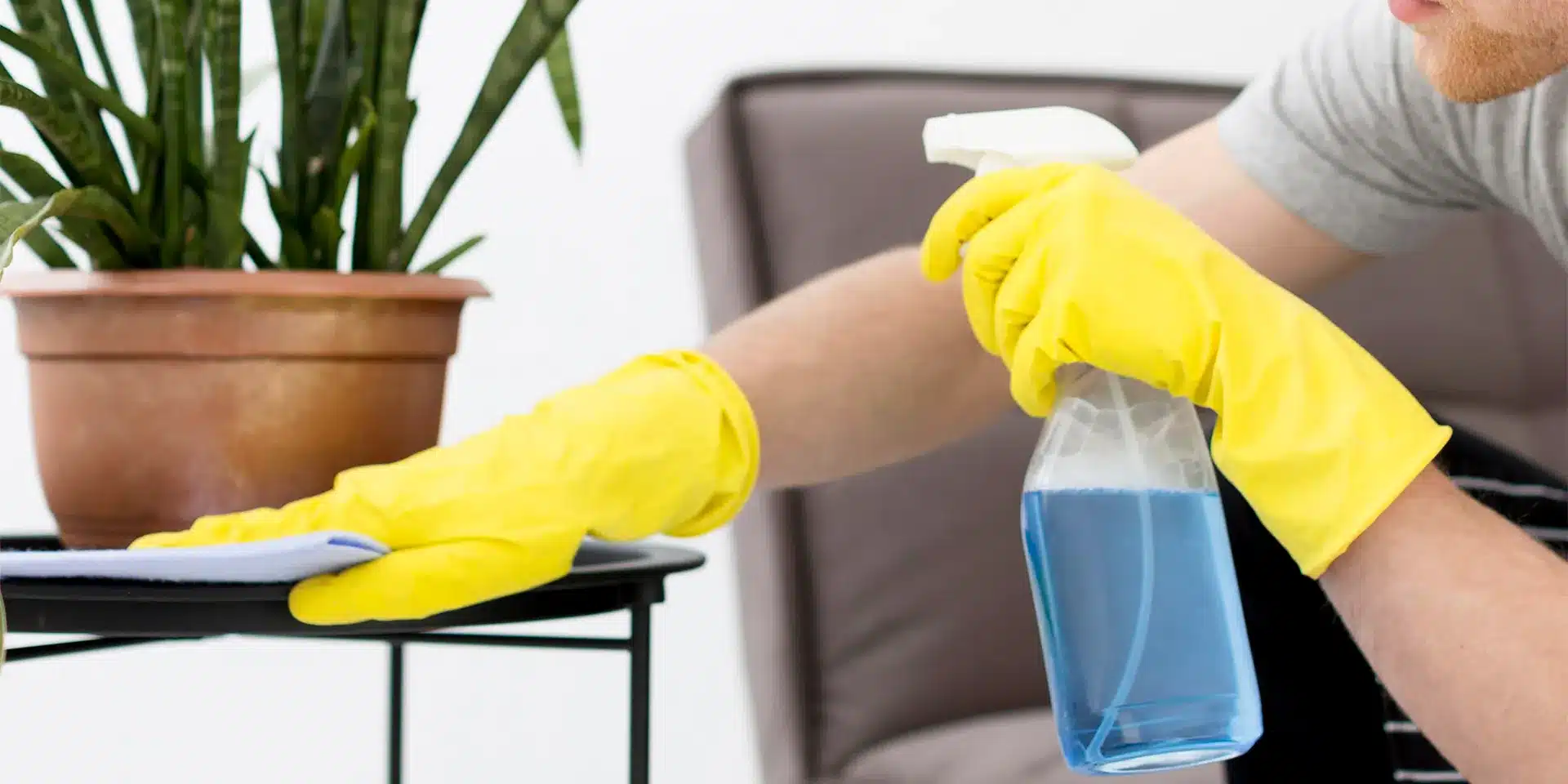
- Sponge for applying soap or cleaner
- Bucket for mixing cleaning solutions
- Garden hose or spray bottle for rinsing
Choose tools that clean without scratching or damaging the plastic. Soft materials are best for delicate surfaces.
Avoiding Harmful Chemicals
Steer clear of bleach, ammonia, and strong solvents. These can discolor or weaken plastic furniture. Avoid abrasive powders or steel wool that cause scratches. Harsh chemicals may reduce the lifespan of your furniture. Stick to gentle, non-toxic cleaners to keep your furniture safe and looking good.

Credit: www.yahoo.com
Preparing Your Furniture For Cleaning
Preparing your plastic outdoor furniture before cleaning helps achieve the best results. It also protects the furniture and the surrounding area. Taking a few simple steps makes the cleaning process easier and more effective.
Removing Loose Dirt And Debris
Start by brushing off loose dirt, leaves, and dust. Use a soft brush or a dry cloth to avoid scratching the surface. Shake cushions or fabric covers to remove dust. Removing loose debris prevents scratching during washing.
Setting Up A Cleaning Area
Choose a shaded spot to clean your furniture. Sunlight can dry cleaning solutions too fast. Lay down old towels or plastic sheets under the furniture. This keeps the ground clean and catches drips or spills. Having water nearby helps rinse the furniture easily.
Protecting Surrounding Surfaces
Cover nearby plants or delicate surfaces with plastic or cloth. Cleaning agents might harm them. Move fragile items away from the cleaning area. Protecting surroundings keeps the space tidy and prevents accidental damage.
Basic Cleaning Techniques
Cleaning plastic outdoor furniture is simple with basic techniques. Regular care keeps it looking fresh and extends its life. These easy steps remove dirt and grime without damage.
Soap And Water Method
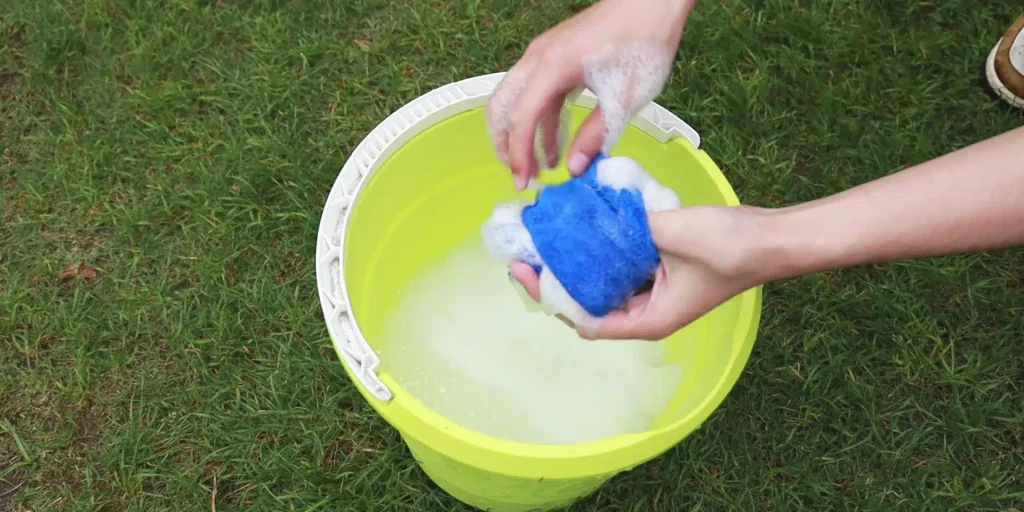
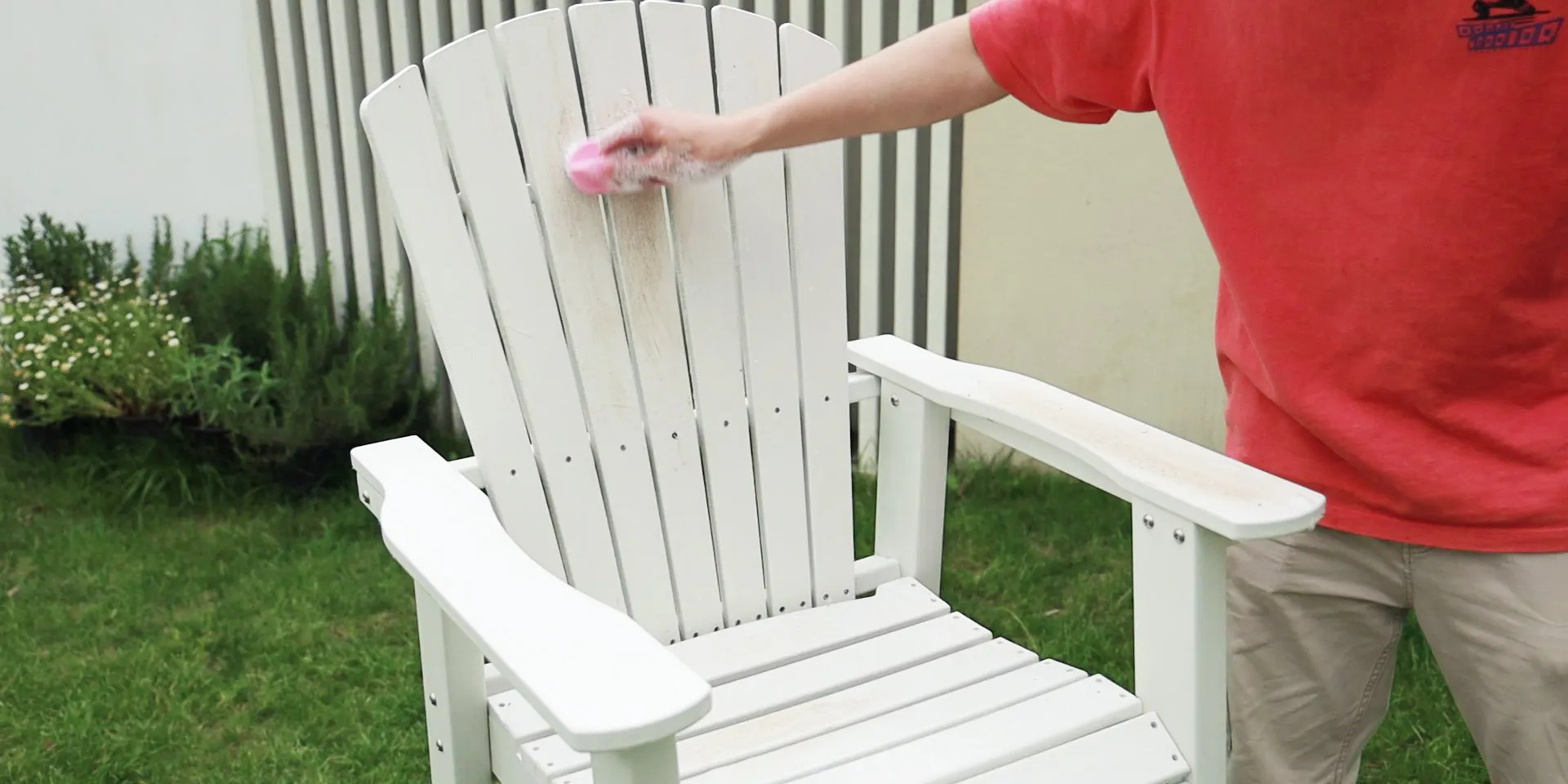
Start with mild soap mixed in warm water. Use a soft cloth or sponge to apply the solution. Gently wipe all surfaces of the furniture. This removes surface dust and light stains effectively. Avoid harsh chemicals that can weaken the plastic.
Using A Soft Brush
A soft brush helps clean textured or hard-to-reach areas. Dip the brush in the soapy water before scrubbing. Use gentle circular motions to lift dirt. This method works well on grooves and crevices. Do not use stiff brushes that may scratch the surface.
Rinsing And Drying Properly
Rinse the furniture with clean water to remove soap residue. Use a garden hose or a bucket for thorough rinsing. After rinsing, dry with a soft towel or let it air dry. Proper drying prevents water spots and mold growth. Store the furniture in a dry place after cleaning.
Credit: serwalloutdoor.com
Removing Tough Stains
Tough stains on plastic outdoor furniture need special care. These marks can spoil the look and feel of your furniture. Cleaning them properly helps keep your furniture bright and lasts longer.
Dealing With Mold And Mildew
Mold and mildew appear as black or green spots. Use a mix of water and white vinegar to clean these stains. Spray the solution on the affected area and let it sit for 10 minutes. Scrub gently with a soft brush. Rinse well with water. Repeat if needed until all mold disappears.
Eliminating Rust And Hard Water Spots
Rust stains and hard water spots look like orange or white marks. Lemon juice or baking soda works well against them. Make a paste with baking soda and water. Apply it to the stain and let it sit for 15 minutes. Rub softly with a cloth or sponge. Rinse the area thoroughly with water. For rust, lemon juice can be squeezed directly and scrubbed gently.
Removing Grease And Oil
Grease and oil create dark, sticky patches. Dish soap mixed with warm water is effective here. Apply the soapy water to the stain and scrub with a sponge. Repeat the process if the stain stays. Rinse the furniture well to remove soap residue. Dry with a clean cloth to avoid marks.
Deep Cleaning And Restoration
Deep cleaning and restoration of your outdoor plastic furniture can bring back its original look and extend its life. Over time, dirt, mildew, and sun exposure dull the plastic surface, making it look old and worn. Tackling these issues with the right techniques will make your furniture inviting and fresh again.
Using Baking Soda And Vinegar
Baking soda and vinegar are powerful, natural cleaners that you probably already have at home. Mix a cup of vinegar with a tablespoon of baking soda and a few cups of warm water to create a foamy solution. Apply this with a soft brush or sponge, scrubbing gently to lift stains and grime.
This combo not only cleans but also helps remove mildew and odors without harsh chemicals. After scrubbing, rinse thoroughly with water to avoid any residue. Have you noticed how this simple mix can sometimes work better than expensive cleaners?
Applying Commercial Plastic Cleaners
Commercial plastic cleaners are designed specifically for tough outdoor grime and UV damage. Choose a product labeled safe for outdoor plastic furniture and follow the instructions carefully. Usually, you spray or apply the cleaner, let it sit for a few minutes, then scrub with a brush or cloth.
These cleaners often contain UV inhibitors to protect your furniture from future fading. If your plastic is heavily stained or discolored, a commercial cleaner might save you hours of scrubbing. What if you could restore your furniture without replacing it entirely?
Restoring Color And Shine
Once clean, your plastic furniture might still look a bit dull or faded. To revive its color and shine, try applying a plastic restorer or protectant. Products like car plastic restorer or specialized outdoor furniture polish work well to bring back vibrancy and add a protective layer.
Apply these with a soft cloth, rubbing evenly in circular motions. This not only improves appearance but also shields the plastic from UV rays and dirt buildup. Have you experienced how a small touch-up like this can make your furniture look almost brand new?
Credit: serwalloutdoor.com
Preventive Measures For Longevity
Keeping your outdoor plastic furniture looking fresh and sturdy doesn’t just happen after cleaning—it requires thoughtful care over time. Preventive measures help you avoid damage before it starts, saving you time and money. Let’s look at some practical ways you can extend the life of your plastic furniture with simple habits and smart choices.
Regular Maintenance Tips
Cleaning your plastic furniture regularly prevents dirt and grime from settling in and causing stains or discoloration. Use a mild soap mixed with water and a soft cloth or sponge to wipe down surfaces every few weeks.
Don’t forget to rinse thoroughly to avoid soap residue, which can attract more dirt. Check for small cracks or loose parts during cleaning; fixing these early can stop bigger issues. Have you noticed how a quick wipe often brightens your furniture instantly?
Protective Covers And Storage
Investing in waterproof covers shields your furniture from rain, dust, and bird droppings when not in use. These covers keep moisture away, reducing the chance of mold and mildew.
When seasons change, consider storing your furniture indoors or in a sheltered spot. This simple step prevents exposure to harsh weather, which can make plastic brittle over time. Have you tried folding or stacking your furniture to save space and avoid unnecessary wear?
Avoiding Sun Damage
Direct sunlight can cause plastic furniture to fade and weaken. Placing your furniture under shade or using umbrellas can significantly reduce UV exposure.
Try rearranging your outdoor setup occasionally to prevent one side from getting too much sun. You might be surprised how rotating furniture can keep colors vibrant and extend durability. What spots in your yard get the most sun, and how can you protect your furniture there?
Frequently Asked Questions
How Do I Remove Stains From Plastic Outdoor Furniture?
Use a mixture of mild soap and warm water. Scrub gently with a soft brush or sponge. For tough stains, add baking soda or vinegar.
What Is The Best Cleaner For Plastic Outdoor Furniture?
A mild detergent or dish soap mixed with water works well. Avoid harsh chemicals that can damage plastic surfaces. Use natural cleaners like vinegar for eco-friendly options.
How Often Should I Clean Plastic Outdoor Furniture?
Clean your plastic furniture every few weeks during outdoor use. Regular cleaning prevents dirt buildup and prolongs the furniture’s lifespan. Increase frequency after heavy rain or pollen season.
Can I Use A Pressure Washer On Plastic Furniture?
Yes, but use a low-pressure setting to avoid damage. Keep the nozzle at least 12 inches away. Test on a small area first to ensure safety.
Conclusion
Cleaning plastic outdoor furniture keeps it fresh and lasts longer. Use gentle soap and water for regular cleaning. Avoid harsh chemicals that can damage the plastic surface. Rinse well to remove all soap residue. Dry with a soft cloth to prevent water spots.
Clean furniture looks inviting and protects your investment. Regular care saves time and effort over time. Enjoy your outdoor space with clean, bright furniture. Simple steps make a big difference in maintenance. Keep your furniture looking great all year round.