
Are you looking to save money on your office setup? You might be wondering if you can use Section 179 to deduct your office furniture.
Understanding how this tax deduction works can put real cash back in your pocket. This article will clear up the confusion and show you exactly what furniture qualifies and how to claim it. Keep reading—you don’t want to miss out on these smart savings for your business.
Section 179 Basics
Understanding the basics of Section 179 can save your business a significant amount on taxes, especially when investing in office furniture. This tax deduction encourages businesses to buy equipment and furniture by allowing you to deduct the full purchase price in the year you buy it. Grasping these fundamentals helps you make smarter financial decisions and maximize your tax benefits.
What Qualifies For Section 179
Section 179 covers tangible, depreciable property used for business purposes. Office furniture like desks, chairs, filing cabinets, and cubicles generally qualify. The key is that the furniture must be used more than 50% for your business.
New and used items both qualify, as long as they are purchased and put into use during the tax year. If you upgrade your office with new chairs or desks, you can add these expenses under Section 179. Does your current office setup allow you to claim these deductions, or are some items personal and ineligible?
Limits And Caps To Know
| Limit Type | 2024 Threshold | Notes |
|---|---|---|
| Maximum Deduction | $1,160,000 | The total you can deduct for qualifying purchases |
| Spending Cap | $2,890,000 | Deductions start to phase out above this spending |
| Bonus Depreciation | 80% | Available after Section 179 limits are reached |
These limits mean you can write off a large chunk of your office furniture expenses immediately, but only up to a point. If your total equipment purchases exceed the spending cap, the deduction begins to phase out dollar-for-dollar. Think about your total business spending—are you close to these limits this year?

Credit: www.facebook.com
Office Furniture Eligibility
Understanding which office furniture qualifies for Section 179 deduction can save your business a significant amount of money. Not all furniture automatically meets the criteria, so it’s important to know what counts as eligible property. This knowledge helps you plan purchases smartly and maximize your tax benefits.
Types Of Furniture Covered
Section 179 typically covers furniture used directly in your business space. This includes desks, chairs, filing cabinets, cubicles, and shelving units. If the furniture is essential for day-to-day operations, it usually qualifies.
However, decorative items like artwork or rugs generally don’t qualify because they’re not considered necessary for business functions. You might wonder if conference tables or reception seating count—these do, as long as they’re used in your business environment.
New Vs. Used Furniture
You can claim Section 179 deductions on both new and used office furniture. The key is that the furniture must be purchased and put into service in the same tax year. It also needs to be used more than 50% for business purposes.
This flexibility means you don’t have to buy brand-new items to benefit. Buying gently used office furniture can be a smart way to reduce costs while still taking advantage of tax deductions. Are you tracking your purchase dates closely to ensure eligibility?
Tax Benefits Of Section 179
Section 179 of the IRS tax code offers businesses a great opportunity. It allows them to deduct the full purchase price of qualifying equipment. Office furniture is included in this. This deduction applies in the year you buy the furniture. Let’s explore the tax benefits of Section 179.
Immediate Expense Deductions
Section 179 enables businesses to deduct expenses immediately. This deduction applies to office furniture purchases. You don’t have to wait to deduct these costs over years. This immediate deduction helps businesses reduce taxable income fast. It’s a valuable tool for managing financial statements.
Impact On Business Cash Flow
Improved cash flow is another benefit of Section 179. Deducting the cost of furniture right away increases available cash. This cash can be used for other business needs. The enhanced cash flow supports operational flexibility. It ensures businesses have funds for growth and other expenses.
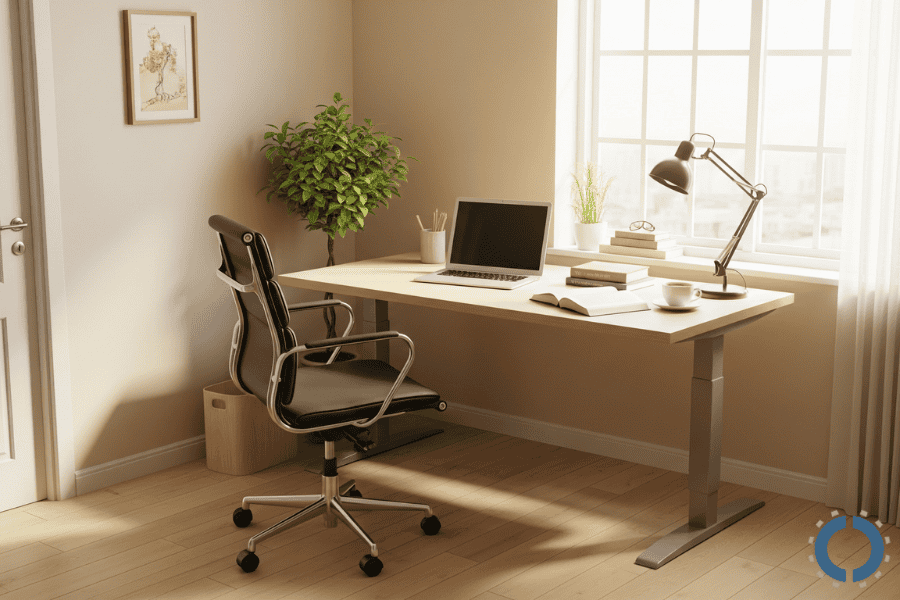
Credit: collaborative-office.com
How To Claim Section 179
Claiming Section 179 for office furniture can reduce your taxable income significantly. The process involves specific IRS forms and clear documentation. Understanding how to file correctly helps ensure you receive the full deduction.
Start by identifying which office furniture qualifies under Section 179. This includes desks, chairs, filing cabinets, and more. The furniture must be purchased and put into use during the tax year you are claiming the deduction.
Filing Requirements
Report your Section 179 deduction on IRS Form 4562. This form details your business property and the amount you want to deduct. Attach it to your annual business tax return.
Keep in mind these points:
- The property must be used more than 50% for business.
- Only new or new-to-you furniture qualifies.
- The deduction limit changes yearly; check the current limit.
Documentation Needed
Maintain clear records to support your claim. The IRS may request proof of purchase and use.
- Keep invoices and receipts showing the furniture purchase.
- Save delivery and installation records.
- Keep photos or inventory lists showing the furniture in use.
Good documentation helps avoid audits and speeds up your tax filing. Accurate paperwork shows the furniture was bought and used for business purposes.
Common Mistakes To Avoid
Claiming Section 179 for office furniture can save you a lot on taxes, but it’s easy to slip up. Avoiding common mistakes helps you make the most of the deduction without running into trouble. Let’s look at some pitfalls to watch out for so you can confidently handle your office furniture deductions.
Misclassifying Assets
One common error is mixing up what qualifies as office furniture. Section 179 applies to tangible property like desks, chairs, and filing cabinets—not to items like software or decor. You might think a fancy lamp or artwork counts, but they usually don’t qualify.
Think about your recent purchases. Did you lump a computer desk and a computer monitor together? The monitor is considered equipment, not furniture, and should be categorized separately. This distinction affects how much you can deduct and prevents IRS audits.
Ask yourself: Are all items properly categorized based on IRS guidelines? Misclassification could mean losing out on deductions or facing penalties.
Overlooking Limits
Section 179 has yearly limits on how much you can deduct. For 2024, the maximum deduction is $1,160,000, but this reduces if your total purchases exceed $2,890,000. Not keeping track of these limits can lead to denied deductions.
Many business owners buy a lot of furniture at once, hoping to write it all off immediately. But if your total assets go beyond the threshold, your deduction decreases dollar-for-dollar. Ignoring this can cause unexpected tax bills.
Keep a close eye on your total qualifying purchases. Did you consult your accountant before claiming the deduction? Staying within limits ensures you maximize benefits without surprises.
Maximizing Savings Strategies
Maximizing your savings through Section 179 when purchasing office furniture requires smart planning and strategy. You want to make sure every dollar you spend works hard for your business by reducing your taxable income as much as possible. Understanding how to time your purchases and combine them with other tax benefits can help you achieve significant tax relief.
Timing Your Purchases
Timing can greatly affect how much you save. Since Section 179 lets you deduct the full cost of qualifying furniture in the year you buy it, purchasing before the end of your tax year is key.
Think about your cash flow and year-end financials. Buying furniture in December instead of January means you get that deduction sooner, lowering your taxes for the current year.
Have you considered spreading purchases over multiple years? This can help manage deductions if you expect your income to fluctuate.
Combining With Other Tax Benefits
Section 179 deductions work well alongside other tax incentives. For example, you can combine them with bonus depreciation to increase your upfront deductions.
Don’t forget about regular depreciation rules if your purchases exceed Section 179 limits. Planning these together can maximize overall savings.
Also, keep track of state tax rules, as some states offer additional deductions or credits for office furniture.
Recent Updates And Changes
Recent updates to the Section 179 deduction rules have brought important changes that affect how you can claim office furniture. Staying informed about these changes helps you maximize your tax benefits and plan your purchases wisely. Let’s look closely at what’s new in 2024 and what you should consider for the future.
2024 Tax Law Adjustments
The 2024 tax year introduced a few key adjustments that impact Section 179 deductions on office furniture. The maximum deduction limit has increased slightly, allowing you to write off more expenses upfront. This means if you invest in desks, chairs, or filing cabinets, you could see a larger immediate tax benefit than in previous years.
Additionally, there are new clarity guidelines about what qualifies as office furniture. Some items previously considered ambiguous now clearly fall under Section 179, making it easier to decide what to include. For example, ergonomic office chairs designed to improve employee comfort and productivity are explicitly eligible.
- Increased deduction limits up to $1.2 million
- Expanded definition of qualifying office furniture
- Clarified rules on mixed-use property
These updates mean you should review your current and planned purchases against the new rules. Are your office furniture investments aligned with what qualifies for Section 179 this year?
Future Considerations
Looking ahead, lawmakers are discussing further changes that could impact Section 179 deductions. Some proposals aim to increase limits even more, while others suggest tightening eligibility to curb excessive write-offs. Keeping an eye on these debates helps you plan your office furniture purchases strategically.
Technology integration in office furniture might also influence future eligibility. Smart desks or chairs that include electronic components could fall under different categories. You might need to consider whether to classify these items as furniture or equipment.
How will these possible changes affect your buying strategy? Staying informed and flexible can save you money and reduce surprises during tax season.
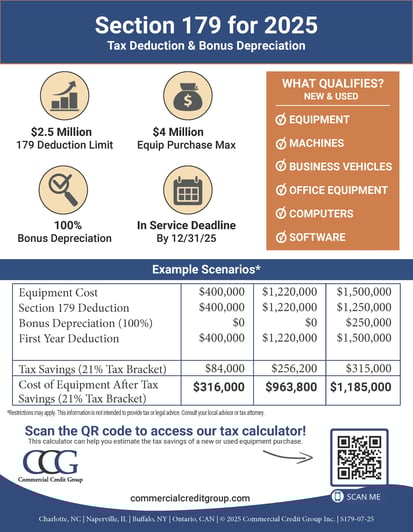
Credit: www.commercialcreditgroup.com
Frequently Asked Questions
Can Office Furniture Qualify For Section 179 Deduction?
Yes, office furniture typically qualifies for the Section 179 deduction. It must be used for business purposes. This includes desks, chairs, filing cabinets, and other furniture used in your office space. The deduction allows you to expense the full cost in the year of purchase.
What Types Of Office Furniture Are Eligible For Section 179?
Eligible office furniture includes desks, chairs, cabinets, cubicles, and conference tables. The furniture must be new or used and primarily used for business. Personal or residential furniture does not qualify. Proper documentation and business use are essential to claim this deduction.
How Does Section 179 Affect My Office Furniture Taxes?
Section 179 lets you deduct the full purchase price of office furniture in one year. This reduces your taxable income immediately. Instead of depreciating over several years, you get a faster tax benefit. This helps improve cash flow for your business.
Are There Limits On Section 179 For Office Furniture?
Yes, there are limits. For 2024, the maximum Section 179 deduction is $1,160,000. Total equipment purchase limits are $2,890,000. Your deduction cannot exceed your taxable income. These limits may change yearly, so check current IRS guidelines before applying.
Conclusion
Section 179 allows businesses to deduct office furniture costs quickly. This helps save money on taxes in the year of purchase. Not all furniture qualifies, so check the IRS rules carefully. Keep good records and receipts for your claim. Using Section 179 can make buying office furniture more affordable.
Small businesses especially can benefit from this tax option. Always consult a tax expert to avoid mistakes. Smart planning helps your business grow and save. Office furniture can be a smart investment with Section 179.