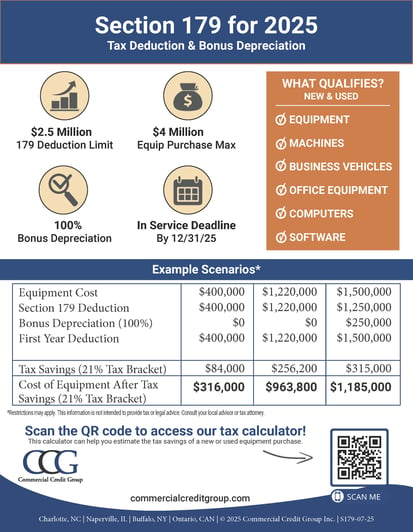
Are you wondering if your office furniture can be written off on your taxes? Understanding how depreciation works, especially under Section 179, can save you a lot of money.
But the rules might seem confusing at first. This article will break down exactly how you can depreciate your office furniture and what that means for your business. Keep reading to find out how to make the most of your deductions and keep more cash in your pocket.
Credit: collaborative-office.com
Depreciation Basics For Office Furniture
Understanding depreciation is key for managing office furniture costs. Depreciation lets businesses spread the cost of furniture over several years. This matches the expense with the furniture’s useful life. It reduces taxable income gradually, reflecting the furniture’s wear and tear.
Knowing which items qualify and how to apply depreciation rules helps in accurate tax reporting. It also ensures compliance with IRS guidelines. Below are essential points about office furniture depreciation.
What Qualifies As Office Furniture
Office furniture includes desks, chairs, filing cabinets, and tables. Items must be used in the business environment. Personal or home furniture does not qualify. Furniture should have a useful life longer than one year. It must be tangible property, not supplies or consumables.
Examples of qualifying items:
- Wooden desks and workstations
- Ergonomic office chairs
- Metal filing cabinets
- Conference room tables
- Bookshelves used in offices
Depreciation Methods Explained
Businesses can use different methods to depreciate furniture. The most common method is the Modified Accelerated Cost Recovery System (MACRS). MACRS allows faster depreciation in the early years.
Other methods include:
- Straight-Line: Equal expense each year
- Double Declining Balance: Higher expense upfront, then less later
The choice of method affects yearly tax deductions. MACRS is favored for tax purposes due to faster write-offs.
Irs Rules On Furniture Depreciation
The IRS classifies office furniture as 7-year property. The depreciation period usually lasts seven years. Section 179 allows immediate expensing of furniture costs up to a limit.
Key IRS points:
- Furniture must be used more than 50% for business
- Section 179 has spending limits and phase-outs
- Bonus depreciation may apply in some years
- Record keeping is essential for audits
Following IRS rules ensures correct deductions and avoids penalties. Businesses must track purchase dates, costs, and usage carefully.
Section 179 And Office Furniture
Section 179 offers a valuable tax deduction for businesses buying office furniture. It lets companies write off the full cost of new furniture in the year of purchase. This can lower taxable income and improve cash flow.
Understanding Section 179 helps business owners make smart buying decisions. It applies to many types of office furniture, such as desks, chairs, and filing cabinets. Using this deduction properly saves money and encourages investments in a productive workspace.
What Is Section 179
Section 179 is a U.S. tax code provision. It allows businesses to deduct the full cost of qualifying equipment and furniture. Instead of depreciating over years, the deduction happens in one tax year. This can reduce tax bills immediately. The goal is to encourage businesses to invest in assets and grow.
Eligibility Criteria For Section 179
- The furniture must be purchased and used for business.
- New or used items can qualify if new to your business.
- Total purchases must not exceed the annual limit set by the IRS.
- The business must have taxable income to offset the deduction.
- The furniture must be placed in service during the tax year claimed.
Benefits Of Using Section 179
- Immediate tax savings by deducting full furniture cost.
- Improves cash flow by reducing tax payments upfront.
- Encourages timely upgrades of office furniture and equipment.
- Simple process compared to regular depreciation schedules.
- Applies to a wide range of business assets, not just furniture.
Maximizing Tax Savings
Maximizing tax savings on office furniture can significantly benefit businesses. Understanding depreciation and Section 179 is crucial. These tools offer opportunities to reduce taxable income. Businesses can choose the best method to suit their needs.
Choosing Between Depreciation And Section 179
Depreciation spreads the cost over several years. Section 179 allows immediate expense deduction. Businesses must consider their financial situation. Large purchases might benefit more from Section 179. Smaller purchases might be better depreciated.
Record-keeping Tips
Accurate records ensure compliance and maximize savings. Track purchase dates and costs meticulously. Document the furniture’s usage and lifespan. Keep receipts in a safe and organized manner. Use software tools to simplify record-keeping.
Common Mistakes To Avoid
Misclassifying furniture can lead to errors. Ensure you understand the difference between capital and expense items. Avoid neglecting updates on tax laws. Check for changes that affect deductions. Don’t forget to consult a tax professional for advice.
Real-world Examples
Understanding how office furniture depreciation works benefits business owners. Real-world examples show practical uses of Section 179 depreciation. These examples clarify tax savings and cash flow effects.
Small Business Case Study
A small marketing firm buys $10,000 worth of office desks and chairs. They choose to use Section 179 to deduct the full amount in the purchase year. This immediate deduction reduces their taxable income significantly. The business reports increased cash flow as they pay less in taxes that year. This strategy helps them reinvest in other areas quickly.
Calculating Tax Savings
Assume the firm’s tax rate is 25%. Deducting $10,000 lowers taxable income by that amount. The tax saving equals $10,000 multiplied by 25%, which is $2,500. This means they pay $2,500 less in taxes. The saving is immediate, unlike normal depreciation spread over years. This can be a big help for small businesses managing tight budgets.
Impact On Cash Flow
Using Section 179 creates positive cash flow impact. The business keeps more money by lowering tax payments. This extra cash can cover other expenses or fund growth. Without this deduction, the firm would pay higher taxes upfront. Spreading depreciation over years delays these tax benefits. Immediate expensing improves financial flexibility and helps meet short-term needs.
Additional Tax Considerations
Understanding the tax rules around office furniture depreciation is just the start. There are extra tax considerations that can affect how much you save and when you save it. These factors can change your strategy for writing off your office furniture under Section 179.
Bonus Depreciation Rules
Bonus depreciation lets you deduct a large percentage of the cost of new office furniture in the first year you buy it. This can be a huge tax saver if you want to lower your taxable income quickly.
Keep in mind, bonus depreciation applies only to new property, not used items. If you bought brand-new desks or chairs, you might be able to combine Section 179 with bonus depreciation for even bigger savings.
Ask yourself: Would taking a big deduction now help your cash flow, or would spreading it out over several years be better for your business?
State Tax Implications
Don’t forget that state tax rules can be different from federal rules. Some states don’t allow Section 179 deductions or bonus depreciation, or they limit the amount you can deduct.
This means you might have to calculate your deductions twice: once for federal taxes and once for state taxes. It’s easy to overlook this and end up with unexpected tax bills.
Check your state’s tax website or consult a local expert to see how your state handles these deductions.
When To Consult A Tax Professional
If you’re unsure about how to apply these rules, getting professional advice can save you a lot of headaches. A tax expert can help you decide the best way to depreciate your office furniture based on your unique situation.
They can also spot opportunities you might miss, like combining different deductions or timing purchases to maximize benefits. Sometimes, paying for expert advice pays off in bigger tax savings.
Have you considered how a small change in your depreciation method could impact your tax bill? Talking to a pro might reveal answers you haven’t thought about.
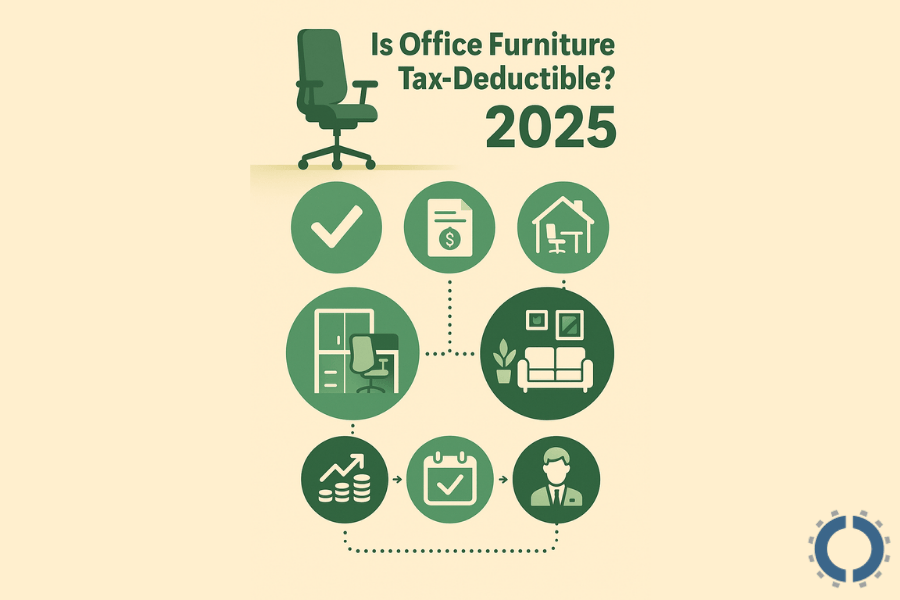
Credit: collaborative-office.com
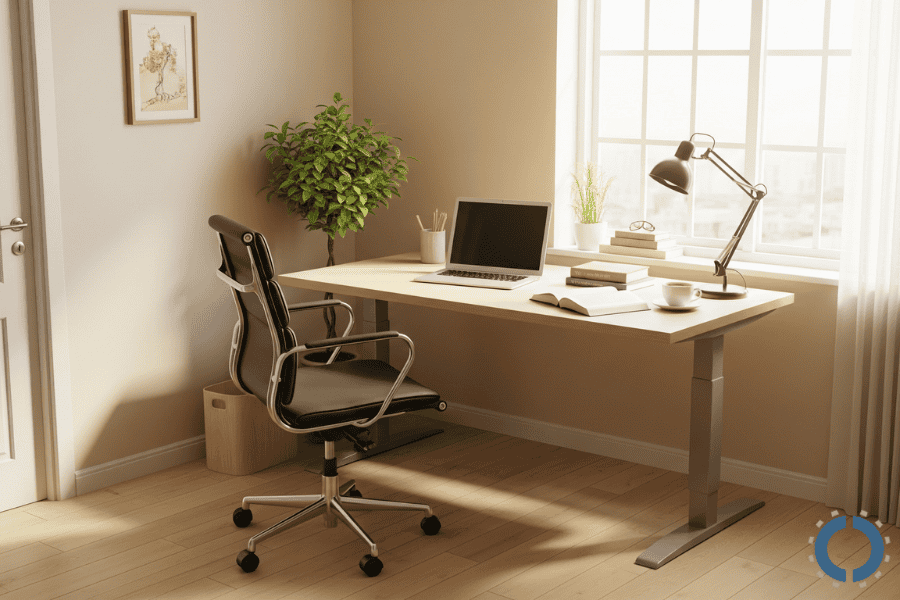
Credit: collaborative-office.com
Frequently Asked Questions
Can Office Furniture Be Depreciated Under Section 179?
Yes, office furniture qualifies for Section 179 depreciation. Businesses can deduct the full purchase price in the year of acquisition, up to the IRS limit, reducing taxable income immediately.
What Types Of Office Furniture Qualify For Section 179?
Desks, chairs, filing cabinets, and similar office furnishings qualify. The furniture must be used more than 50% for business purposes to be eligible.
How Does Section 179 Depreciation Benefit Small Businesses?
Section 179 allows immediate expense deduction, improving cash flow. Small businesses can reinvest savings quickly instead of depreciating over years.
Are There Limits On The Amount Deducted For Office Furniture?
Yes, the IRS sets annual limits on total Section 179 deductions. The maximum deduction changes yearly and applies to combined qualifying property purchases.
Conclusion
Office furniture can be depreciated under Section 179, saving money. Businesses deduct the full cost in the year of purchase. This helps reduce taxable income quickly. Not all furniture qualifies, so check IRS rules carefully. Keep good records to support your deductions.
Planning purchases around tax rules can benefit your business. Understanding depreciation makes tax time easier. Remember, smart choices lead to better savings. Use Section 179 wisely for your office setup.