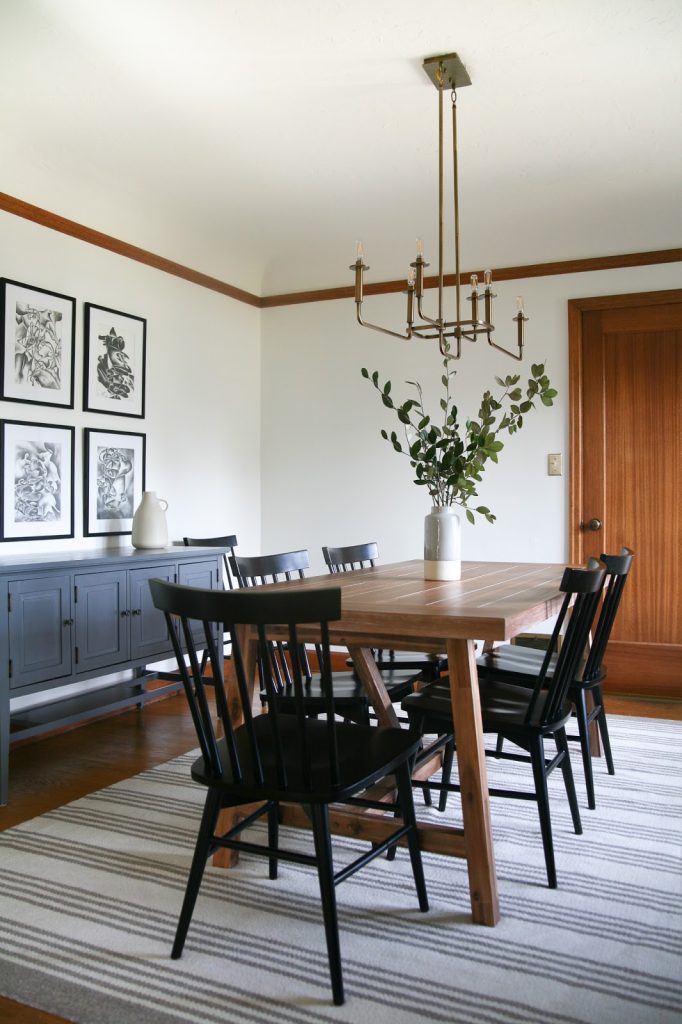
Are you wondering if your dining room chandelier should match your furniture? It’s a question many people ask when trying to create a stylish and inviting space.
The right chandelier can completely change the mood of your dining room, but should it blend in or stand out? You might be surprised to learn that matching doesn’t always mean identical. This article will help you discover how to choose a chandelier that complements your furniture perfectly, making your dining room both beautiful and balanced.
Keep reading to find simple tips that will transform your space with ease.

Credit: www.create-enjoy.com
Choosing The Right Style
Choosing the right style for your dining room chandelier is key to creating a balanced look. The chandelier should blend well with your furniture to enhance the room’s overall feel. Consider the shapes, colors, and materials of your furniture when selecting a chandelier style. This helps keep the design cohesive and pleasing to the eye.
Traditional Vs. Modern
Traditional chandeliers often have ornate details and classic shapes. They pair well with wooden furniture and rich fabrics. This style adds warmth and elegance to the dining room.
Modern chandeliers usually feature clean lines and simple forms. They work best with minimalist or sleek furniture. This style creates a fresh and airy atmosphere.
Matching a traditional chandelier with modern furniture can look mismatched. Choose one style to keep harmony. Both styles offer unique charm but should complement, not clash.
Eclectic Mix
An eclectic mix combines different styles for a unique look. Pairing a vintage chandelier with contemporary chairs adds character. Use colors or textures to tie the pieces together.
Keep balance by repeating some elements in the room. For example, a metal chandelier can match metal chair legs. This approach allows creativity while keeping a connected design.
Eclectic style fits those who enjoy bold choices. It brings personality and interest to your dining space without strict rules.
Color Coordination
Color coordination plays a key role in matching your dining room chandelier with furniture. Choosing the right colors creates harmony and balance in the space. It also highlights the style and enhances the overall look. Careful color choices can make your dining area inviting and stylish.
Complementary Colors
Complementary colors sit opposite each other on the color wheel. Using these colors creates a vibrant and energetic look. For example, a blue chandelier pairs well with orange or warm wooden furniture. This contrast draws attention to both the light fixture and the furniture.
Try these combinations:
- Red chandelier with green chairs
- Yellow light fixture with purple table
- Green chandelier with red or pink decor
Complementary colors add excitement without clashing. Keep the shades balanced to avoid overwhelming the room.
Neutral Tones
Neutral tones offer a safe and elegant approach to color coordination. Shades like white, beige, gray, and black blend well with many styles. A neutral chandelier can match almost any furniture color.
Benefits of neutral tones:
- Create a calm, cohesive look
- Highlight furniture shapes and textures
- Allow easy updates with accessories
Mix warm and cool neutrals to add depth. For example, pair a soft gray chandelier with cream-colored chairs. Neutrals keep your dining room timeless and flexible.
Material Harmony
Material harmony is key to creating a dining room that feels balanced and welcoming. Matching your chandelier’s materials with your furniture can tie the whole space together and highlight the unique qualities of each piece. Have you ever noticed how certain textures and finishes naturally complement each other and make the room feel complete?
Metal And Wood
Metal and wood create a timeless contrast that works beautifully in dining rooms. If your furniture is mostly wooden, a chandelier with metal elements can add a modern edge without clashing. Imagine a rustic oak table paired with a sleek black iron chandelier—this mix keeps the room grounded yet stylish.
Think about the finishes too. Warm metals like brass or copper often pair well with darker woods, while cooler metals like chrome or brushed nickel suit lighter woods. You don’t have to match the metal exactly to other hardware in the room, but keeping a similar tone helps maintain a cohesive feel.
Glass And Fabric
Glass and fabric bring softness and light to your dining area. A chandelier with glass components can reflect natural light, adding sparkle and openness. If your chairs or curtains feature fabric textures, this combination can make the room inviting and elegant.
Consider fabric shades on a chandelier if your furniture includes upholstered pieces. This can gently diffuse light and echo the comfort of your seating. Does your dining room feel too hard or cold? Adding fabric elements in your lighting might be the simple fix you need.
Balancing Size And Scale
Balancing the size and scale of your dining room chandelier with the furniture is key to creating a harmonious space. A chandelier that is too large can overpower the room, while one that is too small may go unnoticed. Proper balance enhances both the lighting and the overall design, making the room feel inviting and well put together.
Proportionate Dimensions
Choose a chandelier size that matches the dining table’s dimensions. A good rule is to select a fixture about half to two-thirds the width of the table. For example, a 36-inch wide table pairs well with an 18- to 24-inch chandelier. This keeps the chandelier from looking too big or too small.
Height also matters. Hang the chandelier 30 to 36 inches above the table surface. This height provides enough light and keeps the fixture from blocking views across the table.
Room Layout Considerations
Consider the room’s ceiling height and shape. A room with a low ceiling needs a flush or semi-flush mount chandelier. Taller ceilings allow for larger, more dramatic fixtures.
Think about the room’s width and length. In a narrow dining room, a long, narrow chandelier works better. A square or round chandelier suits a square table or room.
Make sure the chandelier fits the space without crowding other furniture. It should complement chairs, sideboards, and wall art.
Creating Visual Flow
Creating visual flow in your dining room helps connect the chandelier and furniture. This makes the space feel balanced and inviting. Visual flow guides the eye smoothly across the room. It creates harmony between different elements without overwhelming the senses.
Lighting Effects
The chandelier’s light can highlight your furniture’s style and colors. Warm light creates a cozy atmosphere. Cool light offers a modern, crisp feel. Choose bulbs that match your furniture’s tone and texture.
Position the chandelier so light falls evenly on tables and chairs. Shadows can break the flow. Adjust brightness to enhance mood and comfort. Layer lighting with wall sconces or candles for depth.
Furniture Arrangement
Arrange furniture to complement the chandelier’s size and shape. Keep space balanced around the light fixture. A large chandelier suits a big dining table with enough chairs.
Align furniture lines with the chandelier’s design. Straight lines work well with geometric fixtures. Curvy chandeliers pair nicely with rounded furniture edges.
Leave clear paths for easy movement. Avoid clutter under or near the chandelier. This keeps the room open and visually connected.

Credit: www.instagram.com
Incorporating Personal Taste
Choosing a dining room chandelier is more than just finding a light fixture. It’s about adding a piece that speaks to your personality and complements your space. Your chandelier can either blend with your furniture or stand out as a statement piece, depending on what feels right to you.
Reflecting Individual Style
Your dining room should tell your story. If you prefer modern furniture, a sleek, minimalist chandelier might feel like a natural extension of your taste. On the other hand, if your furniture is vintage or rustic, a chandelier with antique brass or distressed wood could highlight your unique style.
Think about the mood you want to create. Do you want the chandelier to be the focal point or just a subtle addition? Your personal style guides these choices, so ask yourself what kind of energy you want the room to convey every time you walk in.
Unique Design Elements
Adding unique touches to your chandelier can make it feel truly yours. Consider custom shades, colored glass, or unusual shapes that echo details found in your furniture. These elements create a cohesive look without matching everything exactly.
- Use contrasting materials like metal with wood or glass with fabric to add depth.
- Choose fixtures with interesting textures that complement the textures in your chairs or tablecloth.
- Play with scale—if your furniture is bulky, a large chandelier can balance the room, while a delicate fixture suits lighter pieces.
Have you noticed how a small change in light fixture design can transform the feel of your dining room? Your chandelier is a chance to showcase your creativity and make the space feel unmistakably yours.
Expert Recommendations
Choosing a chandelier for your dining room is more than picking a light fixture. It sets the mood and style of the entire space. Experts say matching your chandelier with furniture brings balance and charm. It creates a unified look that feels inviting and elegant. Below are key tips and pitfalls shared by professionals to guide your decision.
Professional Insights
Experts suggest focusing on style harmony rather than exact matching. A chandelier with similar design elements or colors to the furniture works best. For instance, a rustic wooden table pairs well with a wrought iron or bronze chandelier. Modern glass or chrome pieces fit sleek, minimalist furniture.
Size matters. The chandelier should complement the table size without overpowering it. Hanging the fixture too low or too high disrupts the room’s flow. Aim to keep about 30-36 inches between the table surface and the chandelier bottom.
Lighting warmth affects mood. Warm light tones match traditional wood furniture. Cooler lights suit metal or glass furniture styles. Dimmer switches add flexibility for different dining occasions.
Common Mistakes To Avoid
- Choosing a chandelier too large or too small for the dining area.
- Picking a fixture with clashing styles or colors that distract.
- Ignoring the room’s overall color palette and texture balance.
- Hanging the chandelier at the wrong height, causing discomfort or awkward shadows.
- Overlooking the importance of light brightness and warmth for the setting.
Avoid these errors to maintain harmony and enhance your dining experience.

Credit: www.create-enjoy.com
Frequently Asked Questions
Can I Match Chandelier Style With Dining Furniture?
Yes, matching chandelier style with dining furniture enhances room harmony. Choose complementary designs, such as modern fixtures with sleek furniture or vintage chandeliers with classic pieces.
Should Chandelier Color Match Dining Room Furniture?
While exact color matching isn’t necessary, coordinating chandelier color with furniture tones creates a cohesive look. Use complementary or analogous colors for balance and visual appeal.
How To Choose Chandelier Size For Dining Furniture?
Select a chandelier size proportional to your dining table. Generally, it should be one-half to two-thirds the table’s width for proper balance and aesthetics.
Does Chandelier Design Affect Dining Room Ambiance?
Absolutely, chandelier design significantly influences ambiance. A crystal chandelier adds elegance, while a rustic fixture offers a cozy, casual vibe to your dining space.
Conclusion
Matching your dining room chandelier with furniture creates a balanced look. Choose styles that share colors or shapes. This helps the room feel warm and inviting. Don’t worry about making everything exactly the same. Small differences add character and charm.
Focus on harmony, not perfection. A well-chosen chandelier can highlight your furniture beautifully. It brings light and style together in one space. Your dining room will look cozy and complete. Simple choices make a big impact on your room’s feel.