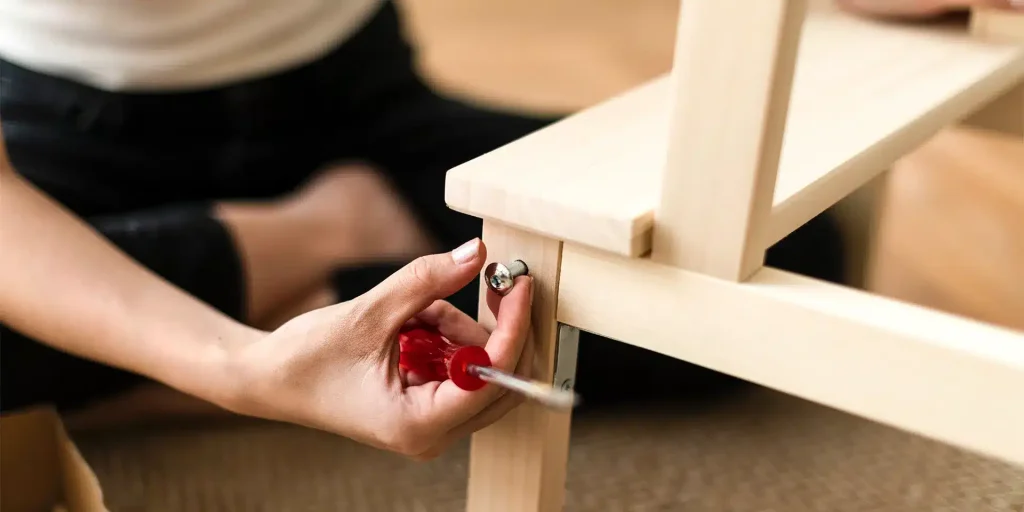
Is your teak outdoor furniture looking dull, weathered, or worn out? You don’t have to replace it just yet.
Restoring your teak pieces can bring back their natural beauty and extend their life for years to come. Imagine relaxing on furniture that looks fresh, smooth, and inviting—right in your own backyard. In this guide, you’ll discover simple, effective steps to restore your teak outdoor furniture, even if you’ve never done it before.
Keep reading to unlock the secrets to making your teak shine like new again.

Credit: serwalloutdoor.com
Preparing For Restoration
Preparing for restoration is a key phase in bringing teak outdoor furniture back to life. It sets the foundation for a smooth and effective process. Taking time to prepare ensures the wood regains its natural beauty and strength. This phase involves collecting the right tools and selecting suitable products for cleaning and protecting the teak. Proper preparation reduces the risk of damage and improves results.
Gathering Essential Tools
Having the right tools makes restoration easier and more efficient. Basic tools include:
- Soft-bristle brush for gentle cleaning
- Sandpaper (medium and fine grit) to smooth the surface
- Bucket and sponge for washing
- Protective gloves to keep hands safe
- Clean cloths for drying and applying products
These tools help remove dirt, old finishes, and rough spots without harming the wood.
Choosing The Right Products
Selecting proper products is crucial to restore teak furniture effectively. Choose:
- Teak cleaner that removes stains and mildew
- Teak brightener to restore the wood’s natural color
- Teak oil or sealer to protect and nourish the wood
Pick products made specifically for teak wood. Avoid harsh chemicals that may damage the surface. Testing products on a small area first is wise.
Cleaning The Furniture
Cleaning your teak outdoor furniture is the foundation of restoring its natural beauty. Dirt and grime build up over time, dulling the rich golden color teak is known for. By giving your furniture a thorough cleaning, you prepare it for deeper restoration steps and protect it from long-term damage.
Removing Surface Dirt
Start by brushing off loose dirt and dust with a soft-bristle brush or a dry cloth. Avoid using metal brushes, as they can scratch the wood’s surface. If you notice bird droppings or sticky residues, wipe them away gently with a damp cloth to prevent stains.
Next, rinse the furniture with clean water to remove surface dust and debris. Use a garden hose with moderate pressure, but don’t blast it too hard to avoid damaging the wood fibers. Have you checked your furniture for hidden dirt in corners or joints? Sometimes grime hides where you least expect it.
Deep Cleaning Techniques
For a deeper clean, mix mild soap (like dish soap) with warm water. Use a soft sponge or cloth to scrub the furniture gently, focusing on areas with stubborn stains or mildew. Avoid harsh chemicals or bleach, as they can strip the natural oils that keep teak resilient.
Another effective option is using a teak cleaner specifically designed for outdoor furniture. These cleaners help lift embedded dirt and restore the wood’s natural color. Remember to follow product instructions carefully and rinse thoroughly afterward.
After cleaning, allow your furniture to dry completely in the shade. Direct sunlight can cause the wood to dry too quickly, leading to cracking or warping. What’s your experience with different teak cleaning products? Sometimes the right choice can make all the difference.
Sanding Techniques
Sanding is a key step in restoring teak outdoor furniture. It removes old finishes, smooths rough spots, and prepares the wood for oil or sealant. Proper sanding boosts the furniture’s look and helps it last longer outdoors.
Selecting Sandpaper
Choose sandpaper based on the teak’s condition. Start with a coarse grit to remove old finish and dirt. Then, use finer grits to smooth the surface and avoid scratches.
- Begin with 80-grit sandpaper for heavy sanding.
- Move to 120-grit to smooth rough patches.
- Finish with 220-grit for a fine, smooth surface.
Use high-quality sandpaper to prevent tearing and clogging. Wet/dry sandpaper works well on teak, especially for hand sanding.
Proper Sanding Methods
Sand in the direction of the wood grain. This prevents scratches and keeps the teak looking natural. Use gentle pressure to avoid damaging the wood.
- Start with broad, even strokes to remove old layers.
- Use a sanding block or sponge for even pressure.
- Clean dust with a brush or cloth after sanding.
For larger pieces, consider a palm sander for consistent results. Hand sanding works best for tight corners and detailed areas.
Credit: www.delineateyourdwelling.com
Applying Teak Oil
Applying teak oil is a key step in bringing your outdoor teak furniture back to life. It nourishes the wood, enhancing its natural beauty and offering protection against the elements. If your teak looks dry or faded, teak oil can be the difference between dullness and a rich, warm glow.
Benefits Of Teak Oil
Teak oil penetrates deep into the wood, replenishing its natural oils that outdoor exposure often strips away. This helps prevent cracking and warping, extending the life of your furniture.
It also enhances the grain and color, giving the wood a fresh, vibrant look without creating a surface film that can peel or flake. Unlike varnishes, teak oil maintains the wood’s natural texture, so you still feel that smooth, authentic teak under your fingertips.
Are you looking for a low-maintenance way to protect your investment? Teak oil requires less frequent application compared to other finishes, making it ideal for busy homeowners.
Step-by-step Application
- Clean the furniture:Start by wiping down your teak with a damp cloth to remove dirt and dust. For stubborn stains, use a mild soap solution and a soft brush.
- Let it dry completely:Moisture can prevent the oil from soaking in properly. Make sure the wood is dry before applying oil.
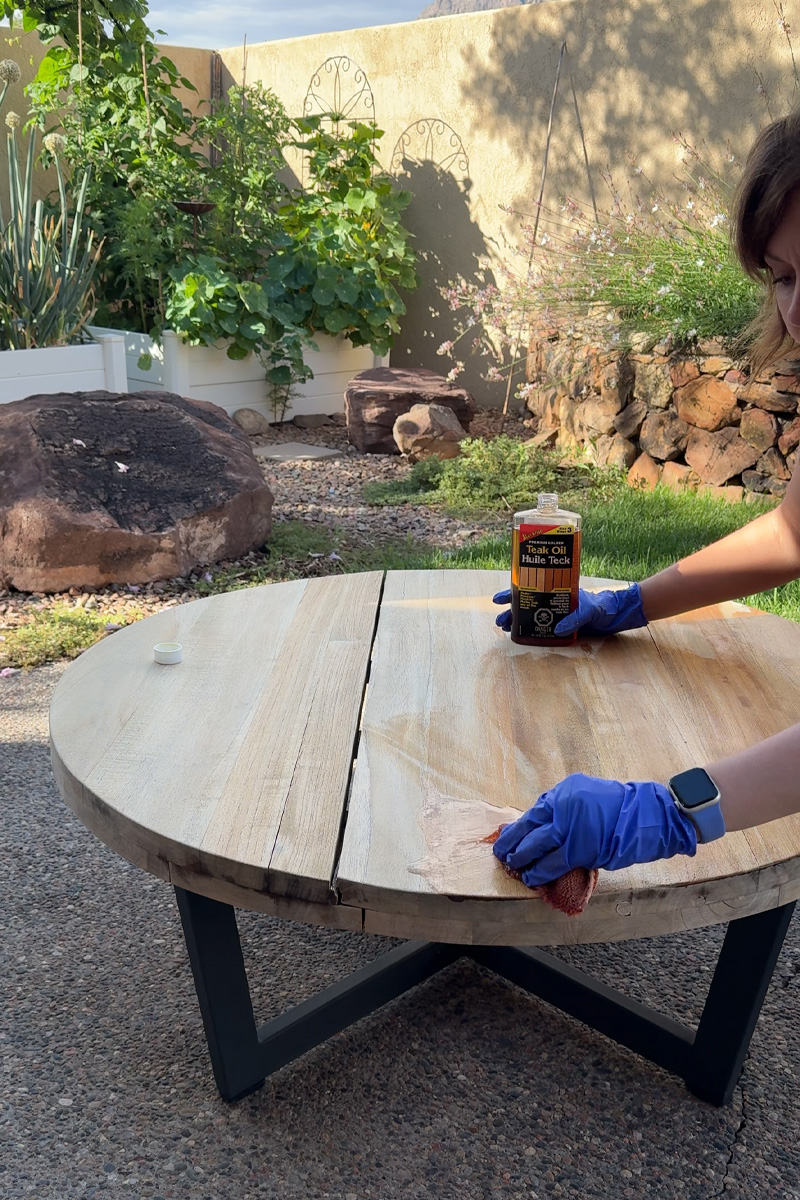
- Apply teak oil:Use a clean cloth or brush to spread a generous layer of teak oil evenly across the surface. Work along the grain for the best absorption.
- Let it soak:Allow the oil to penetrate the wood for about 15-30 minutes. If you see dry spots, add more oil to those areas.
- Wipe off excess:After soaking, remove any leftover oil with a clean, dry cloth to prevent a sticky surface.
- Repeat if necessary:For older or very dry teak, applying a second or third coat can improve results. Just wait for the previous layer to dry before adding more.
- Regular maintenance:Plan to reapply teak oil every few months, especially after harsh weather, to keep your furniture looking its best.
Have you noticed how your teak furniture reacts after oiling? Many find that the wood feels smoother and looks richer immediately. This simple treatment can transform your outdoor space without much effort.
Sealing The Wood
Sealing your teak outdoor furniture is a crucial step to protect it from weather damage and maintain its natural beauty. Without proper sealing, the wood can dry out, crack, or turn gray over time. Sealing locks in moisture and oils, helping your furniture stay strong and attractive for years.
Choosing A Sealer
Picking the right sealer can feel overwhelming, but it really comes down to your needs and the finish you want. Look for sealers specifically made for teak or hardwoods. These products usually contain UV blockers to prevent sun damage.
Do you want a natural look or a glossy finish? Some sealers keep the wood’s natural color, while others add a slight sheen. Water-based sealers dry quickly and have less odor, but oil-based sealers often provide longer-lasting protection.
Test a small hidden area first to see how the sealer changes the wood’s appearance. This step can save you from surprises later.
Application Process
Start with clean, dry furniture. Dirt or moisture can prevent the sealer from sticking properly. Sand any rough spots lightly to create a smooth surface.
Use a natural-bristle brush or a lint-free cloth to apply the sealer evenly. Work along the grain of the wood and avoid over-applying, which can cause sticky patches.
- Apply thin coats and let each layer dry completely before adding the next.
- Check the manufacturer’s instructions for drying times and number of coats.
- Don’t forget to seal all sides, including underneath and inside joints.
Have you noticed how quickly teak soaks up liquids? That’s why applying the sealer promptly is important after cleaning. Waiting too long can leave the wood vulnerable to the elements again.

Credit: www.furnitureclinic.com
Maintenance Tips
Maintaining your teak outdoor furniture is key to preserving its natural beauty and durability. Regular upkeep prevents dirt buildup and weather damage, saving you time and money in the long run. How often you clean and treat your furniture can make a noticeable difference in its lifespan and appearance.
Routine Cleaning
Keep your teak furniture looking fresh by cleaning it regularly. Use a soft brush or cloth with mild soap and water to remove dirt and grime. Avoid harsh chemicals—they can strip the wood’s natural oils and cause drying.
Rinse thoroughly with clean water and let the furniture air dry completely. You’ll notice that routine cleaning prevents stains and keeps the teak’s color vibrant longer. Have you ever left your furniture uncleaned for months and seen stubborn stains set in? Avoid that by staying consistent.
Periodic Reapplication
Teak wood naturally contains oils that protect it, but over time, these oils wear off. Applying teak oil or a suitable sealant every few months replenishes these oils and guards against weather damage.
Before applying, lightly sand the surface to remove any rough patches or weathered layers. This step helps the oil penetrate deeper and work more effectively. If you skip this, the finish may peel or fail to protect properly.
Think about your outdoor furniture’s exposure—sun, rain, humidity—and adjust your reapplication schedule accordingly. More exposure means more frequent treatments. How does your furniture stand up to your local weather conditions?
Troubleshooting Common Issues
Teak outdoor furniture faces many challenges over time. Weather, dirt, and use can cause stains and cracks. Knowing how to fix these problems keeps your furniture looking great. Simple steps help restore its natural beauty and strength. This guide covers common issues and practical ways to solve them.
Handling Stains
Stains on teak furniture often come from food, drinks, or dirt. Clean fresh stains quickly using a soft cloth and mild soap. Avoid harsh chemicals that can damage the wood.
For stubborn stains, try this:
- Mix equal parts of water and white vinegar.
- Apply the solution gently with a soft brush.
- Rinse with clean water and dry thoroughly.
Oil stains need special care. Use teak cleaner or sand lightly to remove oily spots. Always finish by wiping the area dry to prevent moisture damage.
Dealing With Cracks
Cracks happen due to dryness or temperature changes. Small cracks can be fixed by applying teak oil. This nourishes the wood and reduces further splitting.
For larger cracks:
- Clean the crack area with a brush to remove debris.
- Fill the crack with teak wood filler or epoxy.
- Let it dry completely, then sand smooth.
- Apply teak oil to blend the repair with the rest of the wood.
Regular oiling helps prevent cracks by keeping teak moist and flexible. Check your furniture often for early signs of damage.
Frequently Asked Questions
How Often Should You Restore Teak Outdoor Furniture?
Restore teak furniture once or twice a year to maintain its beauty. Frequent cleaning and light sanding help preserve the wood’s natural oils and color.
What Materials Are Needed To Restore Teak Furniture?
You need teak cleaner, sandpaper, teak oil, a brush, and a soft cloth. These materials clean, smooth, and protect the wood for long-lasting results.
Can Teak Furniture Be Restored Without Sanding?
Yes, light cleaning and teak oil application can restore furniture without sanding. However, sanding is necessary for deep stains or rough surfaces.
Is Teak Oil Necessary For Restoring Outdoor Furniture?
Teak oil nourishes the wood and enhances its natural color. It protects against weather damage and keeps furniture looking fresh longer.
Conclusion
Restoring teak outdoor furniture brings it back to life. Clean and sand the wood gently. Apply teak oil to protect and shine. Regular care keeps your furniture strong and beautiful. Enjoy your outdoor space with refreshed teak pieces. Simple steps make a big difference over time.
Keep your teak furniture looking great year after year. A little effort goes a long way.