Have you ever wondered if all the furniture in your bedroom should match perfectly? It’s a question that can make decorating feel tricky.
Should you play it safe with matching pieces, or mix things up for a more personal touch? Your bedroom is your sanctuary, a place where comfort meets style. Getting the furniture right can change how you feel every time you walk in.
Keep reading to discover how matching—or not matching—your bedroom furniture can create the vibe you want, and find out what works best for your space and personality.

Credit: www.facebook.com
Why Matching Furniture Appeals
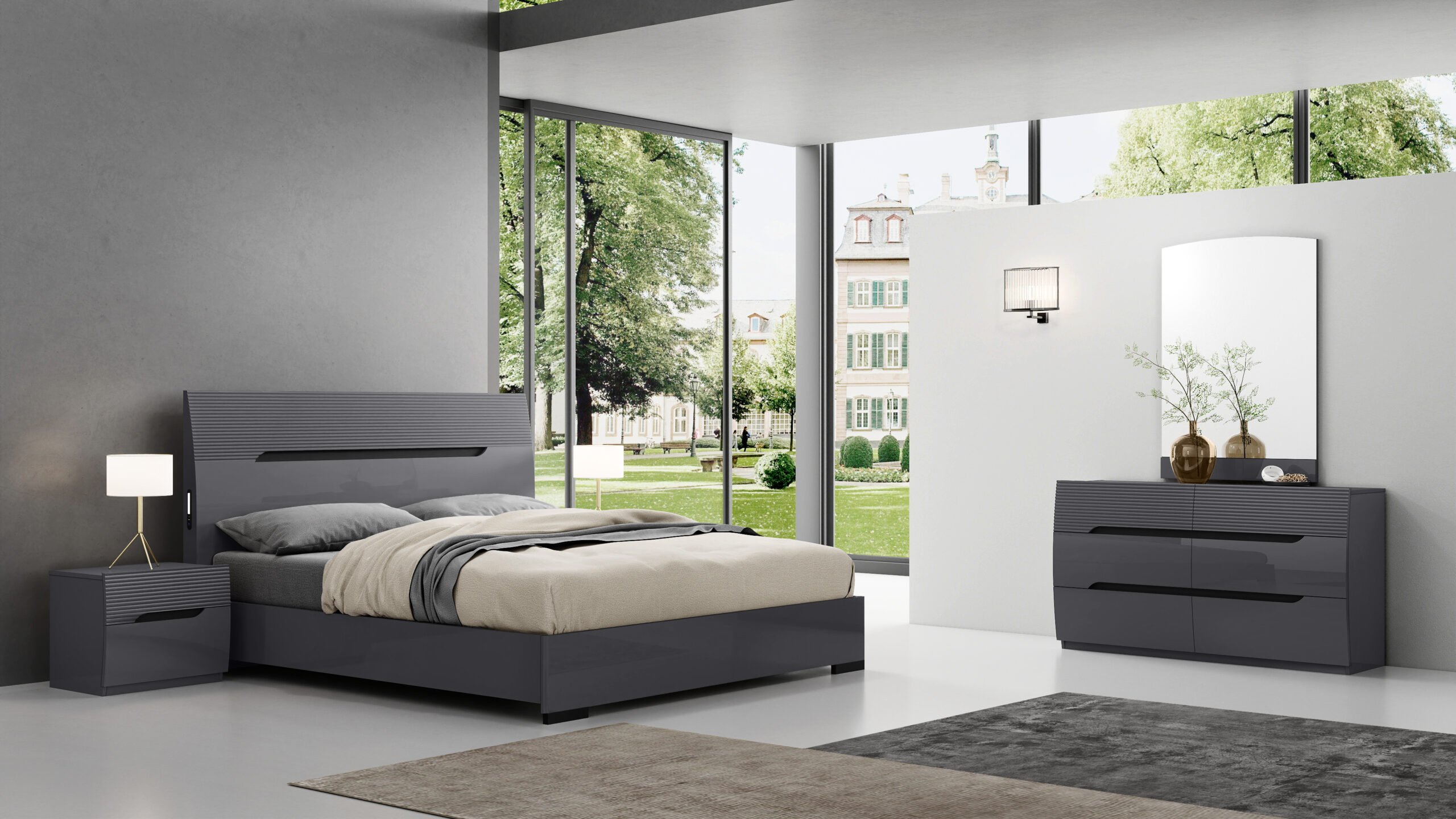
Matching furniture in a bedroom often draws you in with its neat and organized feel. It creates a sense of balance that many find comforting and visually pleasing. But beyond looks, there are practical reasons why matching furniture appeals to so many people.
Creating A Cohesive Look
When all your bedroom furniture matches, the room instantly feels more put together. Your eye can easily move across the space without being interrupted by clashing styles or colors. This seamless flow can make your bedroom a peaceful retreat rather than a chaotic mix of pieces.
Think about how your room feels when everything aligns—does it make you feel more relaxed? That’s the power of a cohesive look.
Easier Shopping And Decorating
Shopping for bedroom furniture becomes much simpler when you stick to matching sets. You don’t have to worry about whether a dresser will clash with the bed frame or if the nightstand fits the style. This can save you time and reduce the stress of decision-making.
Decorating also becomes easier because your base pieces already work well together. You can focus on adding personality through bedding, rugs, or wall art without second-guessing the furniture.
Classic And Timeless Styles
Matching furniture often comes in classic designs that stand the test of time. These styles don’t feel outdated quickly, so you won’t feel the need to replace everything after a couple of years. Investing in timeless pieces means your bedroom can evolve with your tastes by simply changing smaller accessories.
Do you prefer to refresh your room often or keep a stable foundation? Matching furniture can provide that steady backdrop for whatever style changes you want down the line.
Credit: www.castlery.com
Benefits Of Mixing Furniture Styles
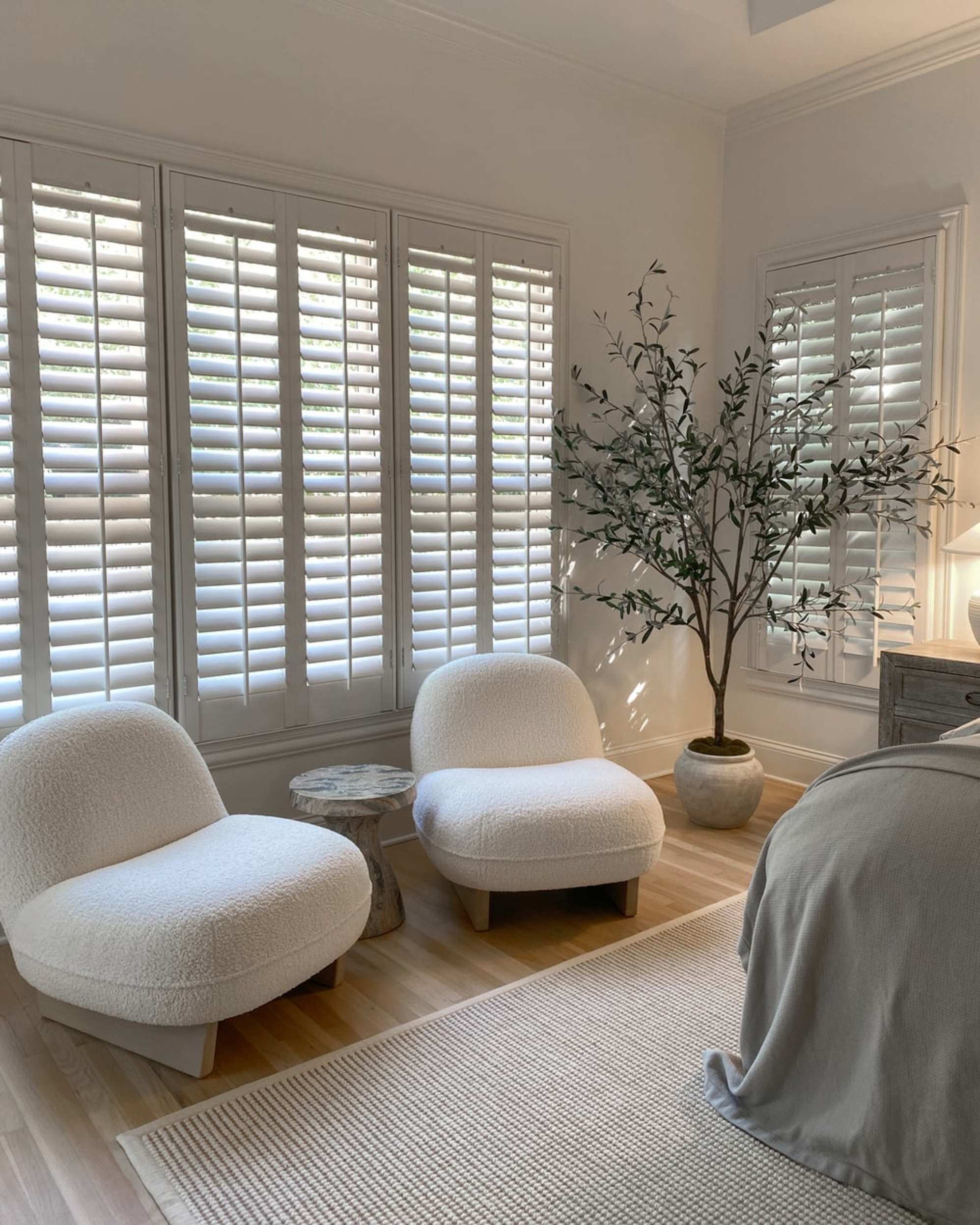
Mixing furniture styles in a bedroom creates a unique and inviting space. It allows personal taste to shine through. This approach avoids the monotony of matching sets. It also brings balance and harmony to the room. Mixing styles makes decorating flexible and fun.
Adding Personality And Interest
Combining different furniture styles adds character to your bedroom. Each piece tells its own story. This variety keeps the room from feeling boring. Personal touches make the space feel truly yours. It invites guests to notice details and appreciate your style.
Flexible Design Options
Mixing styles opens many decorating possibilities. You can update parts of the room without replacing everything. This flexibility saves money and effort. It also allows you to try new trends with confidence. Your bedroom can evolve with your changing tastes.
Balancing Old And New Pieces
Using both old and new furniture creates a warm look. Vintage items add history and charm. Modern pieces provide freshness and clean lines. Together, they balance comfort and style. This blend avoids a staged or cold feeling.
Key Tips For Combining Furniture
Combining different pieces of furniture in your bedroom doesn’t mean you have to settle for a chaotic look. With the right approach, you can create a cohesive and stylish space that reflects your personality. The key lies in smart choices that tie everything together without making it look like a showroom set.
Stick To A Common Color Palette
Choosing a shared color palette helps unify various furniture styles. You don’t need everything to be the exact same shade, but keeping your colors within a similar range creates harmony.
For example, if your bed frame is a deep navy, try pairing it with nightstands and dressers in softer blues or neutral tones like beige or gray. This keeps your room feeling connected without being monotonous.
Mix Materials And Textures
Don’t be afraid to blend different materials like wood, metal, or fabric. This adds depth and interest to your bedroom.
Think of a wooden bed paired with a metal lamp or a velvet chair. The contrast in textures makes the space more inviting and dynamic.
Have you ever noticed how a smooth glass surface next to a rough wood grain instantly draws your eye? That’s the power of mixing textures effectively.
Balance Scale And Proportions
Matching sizes and proportions matters as much as style. Oversized furniture next to tiny pieces can throw off the room’s balance.
Try to keep the scale consistent so everything feels intentional. For instance, if your bed is large and bulky, choose a dresser and nightstands that complement its size.
Ask yourself: Does each piece hold its own without overpowering or disappearing? That question can guide your choices and create a more balanced look.
Choosing A Style That Suits You
When it comes to bedroom decor, choosing a style that suits you is more than just picking matching furniture. It’s about curating a space that reflects who you are and serves your needs. Whether you prefer a cohesive look or a mix-and-match approach, the key is to create an environment where you feel comfortable and at home.
Reflecting Your Personality
Your bedroom should be an extension of your personality. Are you someone who loves vibrant colors or do you lean towards minimalistic designs? Use your furniture to express these preferences. You might choose a bold, colorful headboard to make a statement or opt for sleek, modern nightstands for a minimalist vibe.
Consider what makes you feel at ease. Maybe you cherish vintage pieces that remind you of childhood or travel. Incorporating these elements can personalize your space, making it uniquely yours. Don’t be afraid to blend different styles that represent various aspects of your personality.
Considering Room Size And Layout
Room size and layout play a crucial role in furniture selection. In a compact space, bulky matching furniture can overwhelm and make the room feel cramped. Instead, choose pieces that scale well with the room size, like a smaller bed frame or floating shelves.
Think about the room’s layout. A large dresser might fit perfectly against one wall, while a corner chair can create a cozy reading nook. Arrange furniture in a way that maximizes space and maintains flow, ensuring comfort and functionality.
Functionality And Comfort
Matching furniture doesn’t automatically mean functional or comfortable. Prioritize pieces that serve a purpose and enhance your daily routine. A nightstand with charging ports might be more practical than a decorative one.
Comfort is key, especially in a bedroom. Ensure your bed and seating options provide the relaxation you need after a long day. Sometimes, mismatched furniture can offer better solutions for both aesthetics and comfort.
Ultimately, ask yourself: Does your bedroom furniture support your lifestyle and comfort needs? Let this question guide your choices, ensuring your space is as functional as it is stylish.
Expert Advice On Furniture Arrangement
Expert advice can make furniture arrangement easier in a bedroom. Proper placement creates comfort and style. It helps balance the room’s look without making it feel crowded. Thoughtful arrangement improves how you use the space daily. Below are key tips to guide you.
Creating Focal Points
A focal point draws attention and anchors the room. The bed usually serves as the main focus. Position it against the largest wall or under a window. Use bold bedding or a headboard to highlight it. Other pieces, like a dresser or artwork, can also act as points of interest. Arrange furniture around these points to keep the room balanced.
Maximizing Space And Flow
Clear pathways improve movement and prevent clutter. Leave enough space around the bed for easy walking. Avoid blocking doors or windows with big furniture. Use smaller pieces in tight corners to save room. Floating furniture away from walls can open the area visually. Keep the layout simple to make the bedroom feel larger and more inviting.
Using Accessories To Tie Pieces Together
Accessories link different furniture styles and colors. Choose rugs, pillows, and curtains that share similar tones. Lamps and artwork can echo the furniture’s design or color. Grouping items with common elements creates harmony. Accessories soften the contrast between mismatched pieces. They add personality and make the room feel complete.
Common Mistakes To Avoid
Choosing furniture for a bedroom involves more than just matching pieces. Many make mistakes that hurt the room’s look and feel. Avoiding these common errors can create a balanced and inviting space.
Overmatching Everything
Using identical furniture pieces can make a room feel dull and lifeless. Matching every item too closely removes personality and style. Mixing different textures and styles adds interest and warmth. Variety in furniture keeps the room dynamic and unique.
Ignoring Scale And Proportion
Furniture must fit the room size and shape. Oversized pieces overwhelm small rooms. Tiny furniture looks lost in large spaces. Balance scale by choosing items that complement the room’s dimensions. Proper proportion creates comfort and harmony.
Forgetting Cohesive Color Schemes
Colors connect furniture and decorate a bedroom’s style. Clashing colors cause visual chaos and discomfort. Using a consistent color palette unifies the room’s look. Choose colors that match or complement each other for a peaceful feel.
Credit: victoriahomestore.co.ke
Frequently Asked Questions
Should Bedroom Furniture Always Match Perfectly?
Bedroom furniture doesn’t always need to match perfectly. Mixing styles creates a unique, personalized look. Balance and color harmony are key to a cohesive design. Matching all pieces can feel restrictive and less creative.
What Are Benefits Of Matching Bedroom Furniture?
Matching bedroom furniture creates a unified, organized appearance. It simplifies decorating decisions and enhances room harmony. Coordinated pieces can make small spaces appear larger and more polished. This approach suits those who prefer classic or traditional styles.
Can Mismatched Furniture Work In A Bedroom?
Yes, mismatched furniture can work well. It adds character and a modern, eclectic vibe. Mixing textures, colors, and styles creates visual interest. Careful selection ensures a balanced, stylish bedroom atmosphere.
How To Mix Bedroom Furniture Styles Effectively?
Start with a common color or material to tie pieces together. Balance bold and neutral elements for harmony. Use rugs or decor to unify different styles. Avoid overcrowding to maintain a clean, inviting space.
Conclusion
Matching bedroom furniture creates a calm and neat look. But mixing styles can bring fun and personality too. Choose what feels right for you and fits your space well. Balance and harmony matter more than exact matching. Your bedroom should be a place where you feel happy and relaxed.
So, trust your taste and enjoy designing your perfect room.