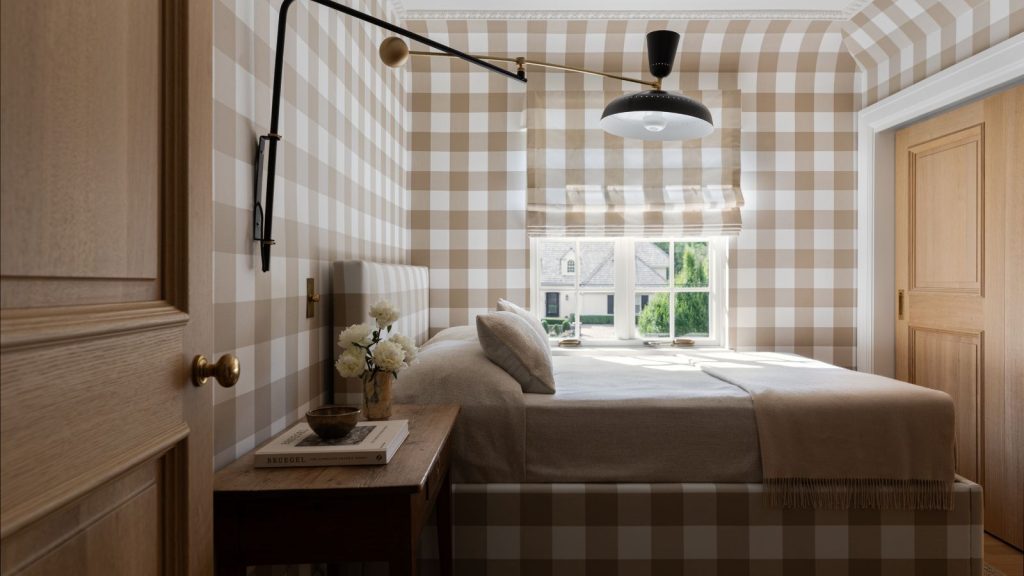
Are you struggling to figure out where to put furniture in your bedroom? You’re not alone.
The right furniture placement can make your room feel bigger, more relaxing, and easier to use every day. Imagine walking into your bedroom and instantly feeling calm and comfortable because everything is just where it should be. You’ll discover simple tips and smart ideas to arrange your bed, dresser, and other pieces so your space works perfectly for you.
Keep reading, and turn your bedroom into the cozy retreat you deserve.
Choosing A Focal Point
Choosing a focal point in your bedroom sets the tone for the entire space. It guides where you place your furniture and how your room feels. A clear focal point makes the room feel balanced and inviting, helping you create a restful environment.
Selecting The Main Attraction
Decide what you want to highlight first when you enter the room. Most often, the bed naturally becomes the main attraction because of its size and function. However, a large window with a view, a fireplace, or a striking piece of artwork can also serve as a focal point.
Think about where your eye lands immediately. If the bed is the star, place it against the longest wall without windows or doors. This placement allows the bed to command attention without distractions.
Sometimes, choosing a non-traditional focal point can refresh your space. For example, if you have a beautiful window, arrange seating or a reading nook nearby to draw focus there.
Balancing Visual Weight
Once you pick your focal point, balance the room so no area feels heavier than another. Visual weight comes from size, color, and texture of furniture and decor.
If your bed dominates the room, use smaller nightstands and simple lamps to avoid overwhelming the space. Conversely, if you highlight a fireplace, add symmetrical chairs or a rug to anchor that side of the room.
Ask yourself: Does one side of the room feel too crowded or too empty? Adjust furniture placement or add accessories to create harmony. This balance makes your bedroom comfortable and visually pleasing.
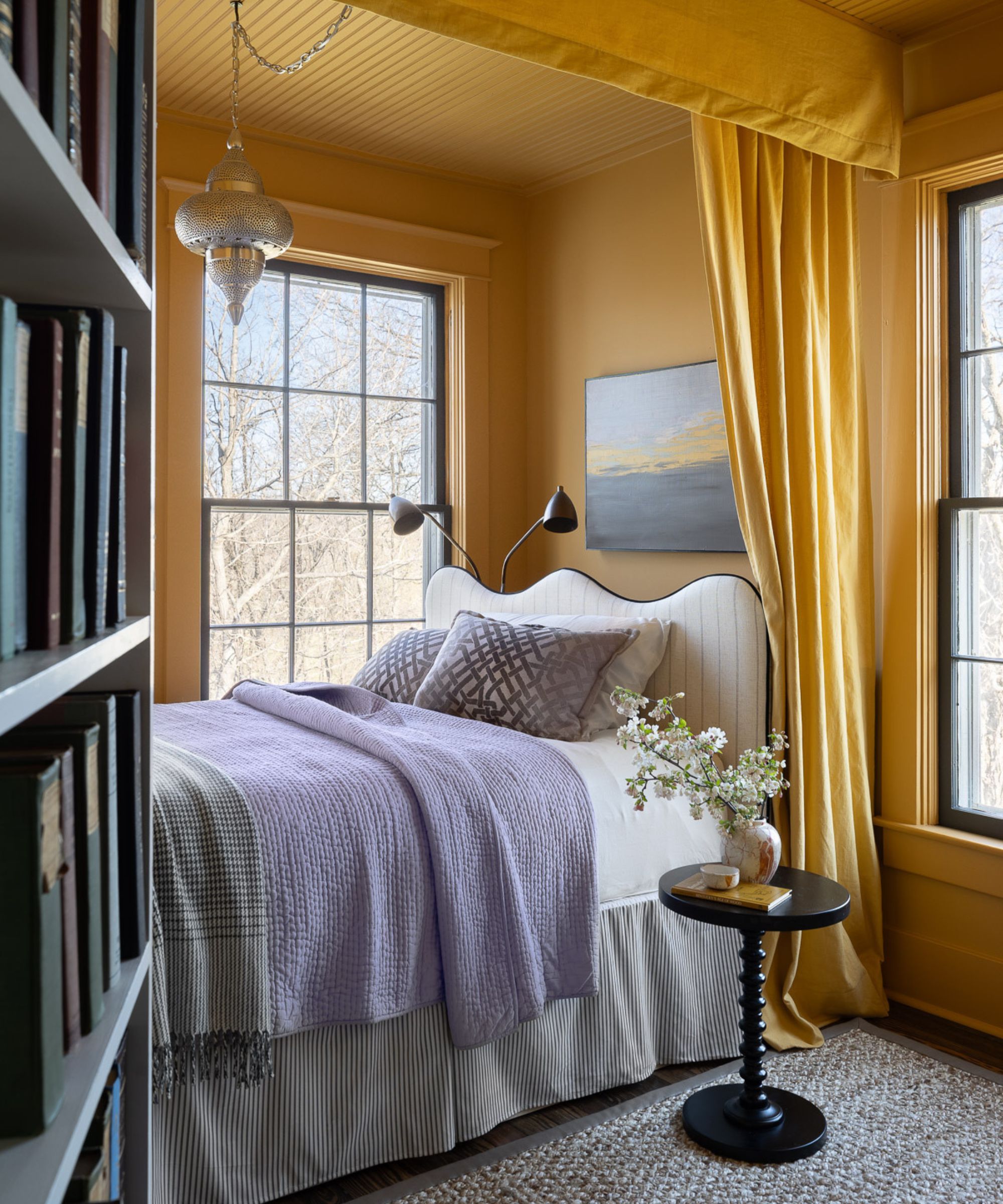
Credit: www.homesandgardens.com
Bed Placement Strategies
Bed placement is key to creating a restful bedroom. It affects comfort, space, and flow. The right spot helps you relax and sleep better. Consider your room’s size, windows, doors, and lighting. Choose a spot that feels calm and inviting.
Positioning For Comfort
Place the bed away from direct airflow from windows or vents. It keeps the temperature steady and avoids drafts. Center the bed on the main wall to create balance. Position the headboard against a solid wall for support. Leave enough space on both sides for easy movement. This also allows room for nightstands. Align the bed so natural light brightens the room softly. Avoid placing the bed directly under a window to reduce noise and light disruptions.
Avoiding Common Mistakes
Don’t block doors or walkways with the bed. It limits room flow and feels cramped. Avoid placing the bed in front of a door; it can cause discomfort. Don’t push the bed into a corner unless space is tight. This limits accessibility and can feel confining. Avoid clutter around the bed to keep the space calm. Skip heavy furniture near the bed that makes the room feel crowded. Keep the bed away from noisy appliances or busy streets to ensure quiet.
Arranging Storage Solutions
Arranging storage solutions in your bedroom requires creativity and planning. Maximize space by placing furniture strategically. This approach ensures a tidy and organized room.
Optimizing Closet And Dresser Spots
Utilize every inch of your closet efficiently. Consider shelves or dividers for better organization. Place dressers against walls to save floor space. Avoid blocking windows or doorways. Arrange items for easy access and a clutter-free look.
Incorporating Nightstands
Position nightstands beside the bed for convenience. Choose designs with drawers or shelves for extra storage. Ensure easy reach from the bed. Balance size with the bed and room space. Nightstands can enhance functionality and style.
Creating Functional Zones
Creating functional zones in your bedroom helps organize the space clearly. It makes the room more useful and comfortable. Dividing the room into different areas lets you enjoy various activities without clutter. Each zone can serve a special purpose, fitting your lifestyle well.
Designating Relaxation Areas
Choose a corner or wall for your relaxation spot. Place a cozy chair or small sofa there. Add soft cushions and a throw for comfort. A small side table can hold books or a cup of tea. Use gentle lighting like a floor lamp or fairy lights. This zone invites calm and rest after a busy day.
Adding A Workspace
Pick a quiet area with enough light for work or study. A compact desk fits well in small spaces. Add a comfortable chair that supports good posture. Keep the workspace tidy with organizers or shelves. This zone helps focus and productivity without distractions. It separates work from rest areas clearly.
Maximizing Space And Flow
Maximizing space and flow in a bedroom makes the room feel larger and more relaxing. Thoughtful furniture placement helps create an open, inviting environment. It allows easy movement and improves the room’s function without clutter.
Ensuring Clear Pathways
Keep pathways wide and free from obstacles. Arrange furniture so you can walk comfortably around the bed and other pieces. Avoid blocking doors, windows, or closets. Leave at least two feet of walking space between furniture items. Clear paths prevent the room from feeling cramped and improve safety.
Using Mirrors And Lighting
Mirrors reflect light and create a sense of depth. Place a mirror opposite a window to brighten the room naturally. Use lamps and overhead lights to remove dark corners. Layered lighting adds warmth and openness. Proper light and reflections make the bedroom appear bigger and more welcoming.

Credit: www.designcafe.com
Adapting To Room Shape And Size
Adapting your furniture placement to fit the unique shape and size of your bedroom can transform the space from cramped to comfortable. Understanding the dimensions and quirks of your room helps you arrange furniture in a way that maximizes space and enhances flow. Let’s look at how you can tailor your setup whether you’re working with a small room or an unusual layout.
Arranging In Small Bedrooms
Small bedrooms demand smart choices to avoid clutter and create a sense of openness. Start by choosing furniture that serves multiple purposes, like a bed with storage drawers underneath. Keep pathways clear by pushing larger pieces against the walls.
Try placing the bed in a corner instead of the center to free up floor space. Use vertical storage options such as tall shelves to keep the floor less crowded. Ever noticed how a mirror can make a small room feel bigger? Position a mirror opposite a window to reflect natural light and open up the space.
Think about what you really need in the room. Could a nightstand double as a desk? Could wall-mounted lamps save space on your bedside table? These tweaks help you live comfortably without feeling boxed in.
Handling Unusual Layouts
Rooms with odd shapes or multiple doors and windows can feel tricky to furnish, but they also offer unique opportunities. Identify the largest uninterrupted wall and consider placing your bed there to anchor the room. This creates a natural focal point and frees other walls for storage or seating.
If your room has nooks or angled walls, use them for cozy reading spots or small desks. Custom or modular furniture can fit these spaces better than standard pieces. Don’t be afraid to experiment with diagonal placement of furniture—it can sometimes make an awkward space feel more balanced.
Ask yourself: where do you spend most of your time in the room? Prioritize that area for your most comfortable seating or workspace. This personal focus helps turn even the most unusual layout into a functional and inviting bedroom.
Personalizing With Style
Personalizing your bedroom with style is about making the space truly yours. It’s where comfort meets your unique taste. How you arrange furniture is just the start; the colors, textures, and decorations you choose bring the room to life and reflect who you are.
Incorporating Color And Textures
Colors set the mood of your bedroom. Think beyond just painting the walls—use rugs, cushions, and curtains to add layers of color. Soft blues or greens can make the space feel calm, while brighter tones bring energy.
Textures add depth and interest. Mixing smooth materials like silk with rougher ones like woven blankets creates a cozy and inviting environment. Have you noticed how a plush rug underfoot changes the entire feel of the room?
Adding Decorative Elements
Decorative items give personality to your bedroom. Personal photos, artwork, or unique lamps can make the space stand out. Try grouping items on a shelf or bedside table to create a small but meaningful display.
Think about what inspires you daily. Maybe a vintage clock reminds you of family stories, or a plant brightens the corner with life. What small additions could make your bedroom a space you love waking up to?
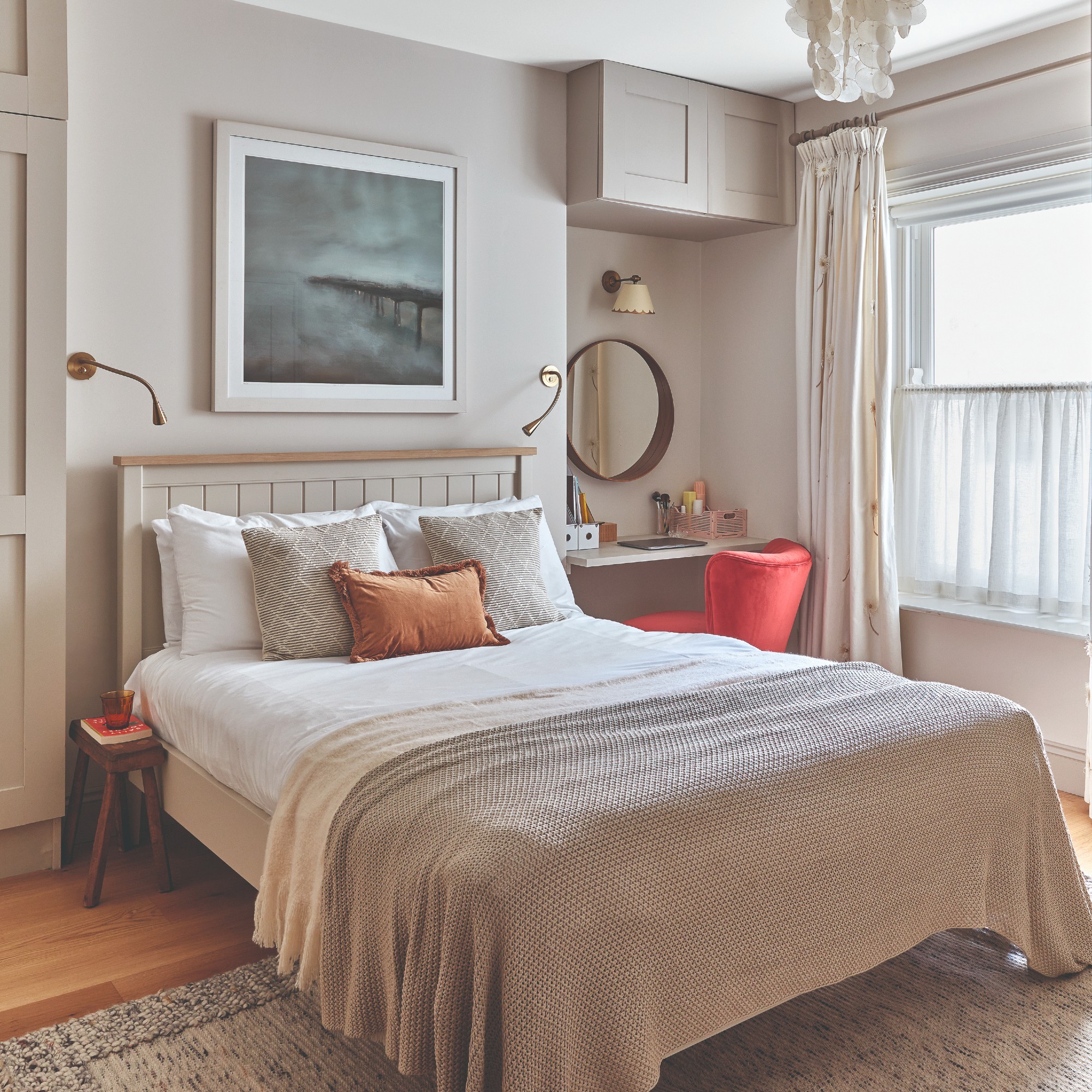
Credit: www.idealhome.co.uk
Frequently Asked Questions
Where Is The Best Place To Position A Bed In A Bedroom?
Place the bed against the longest wall without windows or doors. This ensures stability, maximizes space, and improves room flow. Avoid placing it under windows to reduce noise and drafts.
How Should I Arrange Bedroom Furniture For Small Spaces?
Use minimal furniture and keep pathways clear. Position the bed against a wall and use multifunctional pieces like storage beds. Avoid clutter to create a spacious feel.
Can I Place A Dresser Near The Bedroom Door?
Yes, placing a dresser near the door is practical. It provides easy access to clothes and accessories while keeping the room organized.
Where To Put A Nightstand In The Bedroom?
Place nightstands on either side of the bed for balance and convenience. This setup offers easy access to essentials like lamps, phones, and books.
Conclusion
Placing furniture well makes your bedroom feel calm and neat. Think about space and light when arranging items. Keep pathways clear for easy movement. Balance big and small pieces to create harmony. Choose spots that fit your daily routine best.
A well-set room helps you relax and sleep better. Small changes can make a big difference in comfort. Try different layouts until the room feels right. Your bedroom should be a peaceful place to rest.