
Your wicker furniture can transform your outdoor space into a cozy, stylish retreat. But without proper care, it can quickly wear down from sun, rain, and changing seasons.
You want your favorite chair or table to stay beautiful and last for years, right? In this guide, you’ll discover simple, effective ways to treat your wicker furniture so it stays strong and stunning outdoors. Keep reading to unlock easy tips that protect your investment and keep your outdoor area inviting all year long.

Credit: www.designcafe.com
Choosing The Right Wicker
Choosing the right wicker for your outdoor furniture is key to ensuring it lasts and looks great through all seasons. The type of wicker affects not only the appearance but also how well it handles sun, rain, and temperature changes. Understanding the differences helps you pick the best option for your space and lifestyle.
Natural Vs. Synthetic Wicker
Natural wicker, usually made from rattan, bamboo, or willow, offers a warm, authentic look. It feels comfortable and blends beautifully with garden settings. However, natural fibers absorb moisture and can crack or mold over time if left exposed.
Synthetic wicker, often made from resin or plastic, is designed specifically for outdoor use. It resists fading, moisture, and insect damage. Many synthetic options mimic the look of natural wicker but provide much better weather resistance.
Think about your climate—do you experience heavy rains or intense sun? Synthetic wicker may save you from constant upkeep. But if you prefer a natural look and don’t mind some care, natural wicker can be worth the extra effort.
Durability Considerations
Durability goes beyond material type. Check the weave tightness and frame quality to avoid quick wear and tear. A sturdy aluminum or steel frame adds strength without rusting, essential for lasting outdoor furniture.
Ask yourself how often you plan to move or store the furniture. Synthetic wicker paired with a powder-coated frame often requires less maintenance and holds up better during transport. Natural wicker might need protective coatings or indoor storage during harsh weather.
Remember, even the toughest wicker benefits from some protection. Using covers or placing furniture in shaded areas can extend its life significantly. What kind of environment will your wicker furniture face most?
Preparing Wicker For Outdoors
Preparing wicker furniture for outdoor use extends its life and beauty. Wicker is delicate and needs care before facing sun, rain, or wind. Proper preparation helps prevent damage and keeps the furniture looking fresh. Start with cleaning to remove dirt and dust. Then, apply treatments that protect against weather effects. These steps create a strong shield for your wicker.
Cleaning Techniques
Clean wicker gently to avoid breaking fibers. Use a soft brush or cloth to remove loose dirt. Mix mild soap with warm water. Dip a cloth or sponge into the solution and wipe the furniture. Avoid soaking the wicker; too much water can cause damage.
For stubborn dirt, use a soft brush to clean between the weaves. Rinse lightly with clean water using a spray bottle. Let the furniture dry completely in a shaded area. Never dry wicker in direct sunlight to prevent cracking.
Weatherproofing Methods
Protect wicker with weatherproofing treatments to fight moisture and sun damage. Use a clear acrylic spray designed for outdoor furniture. Spray evenly over all surfaces, allowing it to dry fully. This forms a water-resistant layer.
Apply outdoor furniture oil or varnish to add extra protection. Follow the product instructions carefully for best results. Repeat treatments yearly or after heavy weather exposure to maintain protection.
Protective Coatings And Finishes
Protective coatings and finishes are essential to keep your wicker furniture looking fresh and sturdy against outdoor elements. These treatments create a barrier that guards against moisture, dirt, and sun damage. Without proper protection, your furniture can quickly wear down, losing both its charm and durability.
Sealants And Varnishes
Applying sealants or varnishes to wicker furniture is a practical way to shield it from water damage. Sealants penetrate the fibers and block moisture from seeping in, which helps prevent mold and mildew growth. Varnishes add a hard, glossy layer that not only protects but also enhances the natural texture of the wicker.
Look for water-based sealants if you want a finish that dries quickly and has low odor. Oil-based varnishes offer longer-lasting protection but require more drying time and ventilation. Remember to apply thin, even coats and let each layer dry completely before adding the next one.
Uv Protection
Sunlight can be harsh on wicker furniture, causing colors to fade and fibers to become brittle. Using finishes with UV inhibitors can slow down this damage and keep your furniture vibrant for longer. Some protective sprays combine water resistance with UV protection, making maintenance easier.
Ask yourself: How much direct sunlight does your furniture get daily? If it’s several hours, a finish with strong UV protection is a smart investment. Regularly reapplying UV-protective coatings helps maintain the strength and appearance of your wicker, extending its outdoor life significantly.
Regular Maintenance Practices
Keeping your wicker furniture in top shape requires regular care. This isn’t just about making it look good—it helps extend its life against weather and wear. You can avoid costly repairs by staying on top of simple maintenance tasks.
Scheduled Cleaning
Set a cleaning routine based on your local weather and how often you use your furniture. Dust and dirt can settle into the weave, making it harder to clean later. Use a soft brush or a vacuum with a brush attachment to remove loose debris.
For a deeper clean, mix mild soap with warm water. Gently scrub the wicker with a soft cloth or sponge. Avoid soaking the material; excess water can weaken the fibers and lead to mildew.
Dry your furniture thoroughly after cleaning. Placing it in a shaded, well-ventilated spot speeds up drying without exposing it to harsh sunlight that can cause fading.
Inspecting For Damage
Regularly check your wicker furniture for signs of damage like cracks, fraying, or loose strands. Catching these issues early prevents them from worsening and keeps the furniture safe to use.
Look closely at joints and corners where stress is higher. If you spot small breaks, repair them quickly with wood glue or special wicker repair kits.
Ask yourself: Are there areas that seem weaker or softer? These might need reinforcement or professional attention before they fail completely.
Storing Wicker Furniture
Storing wicker furniture properly extends its life and keeps it looking good. Proper storage prevents damage from weather and pests. It also keeps the furniture clean and ready for use next season.
Seasonal Storage Tips
Clean wicker furniture before storing. Use a soft brush or cloth to remove dirt and dust. Avoid harsh chemicals that can damage the wicker fibers.
Choose a dry, cool place for storage. A garage, shed, or basement works well. Cover the furniture with a breathable cloth or furniture cover to protect it from dust.
Stack cushions separately in a dry spot. Avoid placing heavy items on top of the wicker to prevent bending or breaking.
Avoiding Moisture And Pests
Keep wicker furniture away from damp areas. Moisture can cause mold and weaken the wicker. Use moisture absorbers or silica gel packs in storage spaces to reduce humidity.
Check the furniture regularly for signs of pests like insects or rodents. Use natural repellents such as cedar blocks or lavender sachets to keep pests away.
Ensure good air circulation around stored furniture. This prevents mold growth and keeps the wicker fresh.
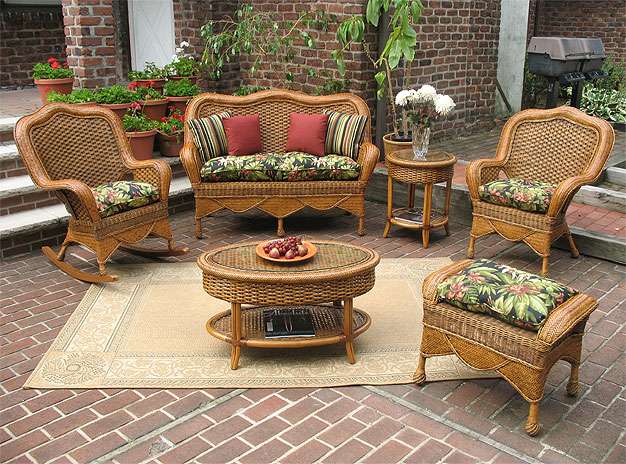
Credit: atc-craft.com
Enhancing Longevity
Enhancing the longevity of your wicker furniture keeps it beautiful and functional for many seasons. Outdoor exposure can cause wear, but proper care helps maintain its strength and charm. Small repairs and fresh finishes protect wicker from damage and weather effects. A little effort goes a long way to keep your pieces looking new.
Repairing Minor Damages
Fix small cracks or broken strands quickly to stop damage from spreading. Use wood glue or epoxy to bond loose parts. Secure with clips or tape until dry. Replace missing wicker strands with matching materials for a uniform look. Regular checks catch problems early, avoiding costly repairs later.
Repainting And Refinishing
Repainting adds a fresh layer of protection and improves appearance. Clean the furniture thoroughly before sanding away old paint or finish. Choose outdoor paint designed for wicker or wood surfaces. Apply thin, even coats, letting each dry completely. Finish with a clear sealant to guard against moisture and sun damage. Proper refinishing extends the life and beauty of your outdoor wicker furniture.
Eco-friendly Care Options
Taking care of your wicker furniture without harming the environment is easier than you might think. Eco-friendly care options protect your outdoor pieces while keeping your outdoor space green and healthy. These methods use natural ingredients and smart habits to keep your furniture looking great and lasting longer.
Natural Cleaning Solutions
You don’t need harsh chemicals to clean wicker furniture. A simple mix of warm water and mild dish soap works wonders. Use a soft cloth or a gentle brush to remove dirt and grime.
For tougher stains, try a paste made from baking soda and water. Apply it gently, then rinse with clean water. Vinegar diluted with water is another great option—it disinfects and removes mildew without damaging the wicker.
Have you ever considered lemon juice? It brightens faded wicker naturally. Just mix it with water and apply carefully to the affected areas. These natural cleaners are safe for you, your family, and the environment.
Sustainable Maintenance Tips
Keeping your wicker furniture dry is crucial. Moisture encourages mold and weakens fibers. Use breathable covers instead of plastic ones to avoid trapping humidity.
Store cushions indoors when not in use to prevent mildew and fading. If you spot a loose weave, repair it quickly to stop further damage. Regular dusting with a soft brush helps keep dirt from settling deep into the fibers.
Think about where you place your furniture. Is it exposed to harsh sun or heavy rain? Moving pieces to shaded areas or under a pergola reduces wear and tear naturally. What simple changes can you make today to extend your wicker’s life without extra products?

Credit: www.designcafe.com
Frequently Asked Questions
How Do I Waterproof Wicker Furniture For Outdoors?
To waterproof wicker furniture, apply a clear outdoor sealant or varnish. This protects against moisture and prevents damage from rain or humidity. Regular sealing maintains durability and appearance.
What Is The Best Cleaner For Outdoor Wicker Furniture?
Use a mild soap solution with warm water and a soft brush to clean wicker. Avoid harsh chemicals that can damage the fibers. Rinse well and let dry completely before applying any treatment.
How Often Should Wicker Furniture Be Treated Outdoors?
Treat your wicker furniture every 6 to 12 months. This frequency ensures protection from sun, rain, and dirt, keeping the furniture strong and looking fresh for longer.
Can I Use Oil To Treat Outdoor Wicker Furniture?
Yes, natural oils like linseed or tung oil can nourish wicker fibers. They improve flexibility and add water resistance. However, oils may require more frequent reapplication than sealants.
Conclusion
Treating wicker furniture helps it last longer outdoors. Clean it gently to remove dirt and dust. Apply a protective sealant to guard against moisture. Store furniture in a dry place during bad weather. Regular care keeps wicker looking fresh and strong.
Enjoy your outdoor space with well-maintained furniture. Small efforts bring big benefits over time. Keep your wicker beautiful season after season. Simple steps make outdoor furniture last longer. Your wicker will stay cozy and inviting.