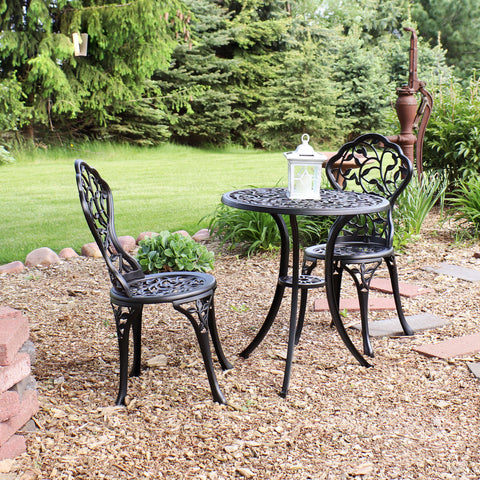
Sap on your outdoor furniture can be sticky, stubborn, and downright annoying. You want your patio to look clean and inviting, but those sticky spots ruin the vibe.
If you’ve ever struggled to get sap off without damaging your furniture, you’re not alone. Luckily, removing sap doesn’t have to be a frustrating battle. You’ll discover simple, effective methods to clean your outdoor furniture quickly and safely. Say goodbye to sticky messes and hello to beautiful, sap-free furniture you can enjoy all season long.
Keep reading to find the best solutions tailored just for you.
Sap Removal Basics
Sap on outdoor furniture can be sticky and tough to clean. Removing it quickly helps protect your furniture’s surface. Understanding sap removal basics makes the task easier and less stressful.
Different types of sap and furniture materials need different care. Knowing what tools and cleaners to use prevents damage. Safety matters too—always test cleaners on a small area first.
Identify The Type Of Sap
Sap varies by tree type, color, and stickiness. Some saps are soft and fresh, others hard and dried. Fresh sap is easier to remove with gentle methods. Hard sap may require stronger cleaning solutions.
Choose The Right Cleaning Tools
- Soft cloths or paper towels to avoid scratching
- Plastic scrapers to lift sap without damage
- Mild soaps or specialized sap removers
- Gloves to protect your hands
Test Cleaning Solutions Safely
Apply a small amount of cleaner on an unseen spot. Wait a few minutes to check for discoloration or damage. If the surface looks fine, proceed with cleaning the sap. If not, try a gentler option or consult care instructions.
Work Gently And Patiently
Scrape or wipe sap slowly to avoid spreading it. Repeat cleaning steps if needed rather than using harsh force. Rinse the area well after sap removal to clear residue. Dry the surface to prevent water spots or damage.
Identifying Sap Stains
Sap stains on outdoor furniture can be tricky to spot at first. They often blend with dirt or other marks. Recognizing sap stains early helps in removing them effectively. Sap is sticky and can harden over time, making the stain tougher to clean.
These stains usually appear as shiny or dark spots. They can feel sticky or tacky to the touch. Sap often comes from nearby trees, especially pine or fir trees. Knowing what sap looks like helps protect your furniture from permanent damage.
Common Appearance Of Sap Stains
Sap stains look like small drops or patches. They can be clear, amber, or dark brown. The stain may look wet or sticky when fresh. Once dry, sap becomes hard and glossy. It sometimes attracts dirt, making the stain darker.
Where Sap Stains Usually Form
- On tabletops and chair arms
- Underneath leaves or branches
- Near tree edges or garden areas
- In corners where water collects
How To Differentiate Sap From Other Stains
- Sap feels sticky or tacky when touched
- It does not wash off easily with water
- It often smells faintly like pine or resin
- Other stains like paint or food have different textures and smells
Natural Cleaning Solutions
Natural cleaning solutions offer a gentle yet effective way to remove sap from outdoor furniture. These options use ingredients you probably already have at home, making them both economical and eco-friendly. Plus, they avoid harsh chemicals that can damage your furniture’s finish or harm the environment.
Vinegar And Baking Soda
Vinegar is acidic and great at breaking down sticky sap, while baking soda acts as a mild abrasive to lift residues without scratching surfaces. Mix equal parts white vinegar and water, then apply it to the sap stain using a cloth or sponge.
After letting it sit for a few minutes, sprinkle baking soda over the area and gently scrub in circular motions. Rinse with clean water and dry with a soft towel. You might be surprised how quickly this simple combination loosens even stubborn sap.
Lemon Juice And Olive Oil
Lemon juice’s natural acidity helps dissolve sap, while olive oil moisturizes and protects the furniture’s surface during cleaning. Dab lemon juice directly onto the sap spot and let it sit for about 5 minutes.
Then, apply a small amount of olive oil and rub gently with a soft cloth. This method not only removes sap but also restores a subtle shine, especially on wooden furniture. Have you tried using kitchen staples like these for unexpected household fixes before?
Credit: www.aosom.ca
Chemical Cleaners
Chemical cleaners offer a quick way to remove sap from outdoor furniture. These products are designed to dissolve sticky tree resin without much effort. They save time and reduce scrubbing compared to natural methods. Choose a cleaner that matches your furniture material to avoid damage. Test a small hidden area first to check for color fading or surface harm. Follow the instructions carefully for the best results.
Commercial Sap Removers
Commercial sap removers come in sprays, gels, and liquids. They contain solvents that break down sap effectively. Many brands are available at hardware and garden stores. Popular ingredients include isopropyl alcohol, citrus oil, and petroleum distillates. These cleaners work fast on wood, plastic, and metal furniture. Apply the product directly to the sap spot. Let it sit for a few minutes to soften the sap. Gently wipe with a clean cloth or sponge. Repeat if needed until the sap disappears. Rinse the area with water to remove residue. Always follow the product label for specific guidance.
Safety Precautions
Use chemical cleaners in a well-ventilated area. Wear gloves to protect your skin from irritation. Avoid contact with eyes and mouth. Keep children and pets away during application. Store chemicals out of reach and in original containers. Dispose of any waste according to local regulations. Do not mix different cleaning products. Some chemicals can cause harmful reactions. Stop use immediately if you notice any damage to the furniture. Proper safety ensures effective cleaning without health risks.
Tools For Effective Cleaning
Removing sap from your outdoor furniture requires the right tools to avoid damage and ensure a thorough clean. Choosing effective cleaning tools can make the process faster and less frustrating. Let’s look at two essential tools that can help you tackle sap stains with confidence.
Scrub Brushes
Scrub brushes come in various sizes and stiffness levels. You want a brush that’s firm enough to lift sap but gentle enough to protect your furniture’s surface. A brush with synthetic bristles often works best on plastic or metal furniture, while softer bristles suit wood.
Using a scrub brush helps you apply the right amount of pressure exactly where it’s needed. I once tried cleaning sap off a wooden chair with a rough brush and ended up scratching the finish. That taught me to pick brushes carefully, matching the bristle type to the furniture material.
Microfiber Cloths
Microfiber cloths are great for wiping away sap after loosening it with a brush or cleaning solution. Their fine fibers trap sticky residue without spreading it around. Plus, they’re gentle enough for delicate finishes.
Using microfiber cloths also helps reduce the amount of cleaning solution needed. You might wonder why not use regular rags—well, microfiber’s unique texture makes a noticeable difference in how clean your furniture looks afterward. Try using one dampened slightly with warm water to wipe the sap away efficiently.

Credit: sunnydazedecor.com
Preventing Future Sap Stains
Preventing sap stains on your outdoor furniture is easier than constantly removing sticky spots. Taking simple steps can save you time and keep your furniture looking fresh. Think about how often sap lands unnoticed—could a small change in your routine or setup make a big difference?
Furniture Covers
Using furniture covers is one of the best ways to protect your outdoor pieces from sap. Covers act as a barrier, catching sap before it reaches the surface. Choose covers made of waterproof and breathable materials to avoid moisture buildup under them.
Make sure the covers fit snugly and secure them properly so wind won’t blow sap-covered debris onto your furniture. It’s a small effort that can prevent a sticky, tough-to-clean mess later on. Have you checked if your current covers are doing enough to protect your furniture?
Regular Maintenance
Regular cleaning and inspection can stop sap stains before they set in. Wipe down your furniture weekly with a mild soap and water solution to remove any sap or dirt early. This quick habit reduces buildup and keeps surfaces smooth and stain-free.
Don’t forget to trim nearby trees or branches that drip sap directly onto your furniture. Keeping your outdoor area tidy not only looks better but also limits sap exposure. How often do you inspect your outdoor furniture for early signs of sap or damage?
Diy Maintenance Tips
Keeping your outdoor furniture free from sticky sap can feel like an endless battle. But with the right maintenance habits, you can reduce the chances of sap sticking around and damaging your furniture. These DIY tips focus on simple, regular care that you can easily fit into your routine.
Seasonal Cleaning Routine
Set a schedule to clean your outdoor furniture at the start and end of each season. This helps catch sap and other debris before they harden and become tougher to remove. Use a mild soap and warm water to gently scrub surfaces, paying special attention to spots under trees or near bushes.
Have you noticed sap tends to build up more after windy days? Try wiping down your furniture after storms or heavy winds to stop sap from settling. Keeping a soft cloth and gentle cleaner handy makes this quick cleanup less of a chore.
Protective Coatings
Applying a protective coating can create a barrier that prevents sap from sticking directly to your furniture. For wooden pieces, consider a high-quality outdoor sealant or varnish. These not only protect against sap but also guard against moisture and UV damage.
For metal or plastic furniture, look for spray-on protective finishes designed for outdoor use. They form a smooth surface that sap slides off easily, making cleanup faster and less frustrating. Have you tried adding this step? It might just save you hours of scrubbing later.

Credit: www.polywood.com
Professional Cleaning Services
Professional cleaning services offer expert help to remove sap from outdoor furniture. They use safe and effective methods that protect your furniture’s finish. Hiring experts saves time and effort. They handle tough sap stains without damaging surfaces. This service suits those who want fast, reliable results.
When To Call Experts
Call professionals when sap stains cover large areas or are very sticky. Use their help if home remedies do not work. Experts assist with delicate or antique furniture that needs gentle care. Choose them for quick cleanup before sap hardens. They also handle sap mixed with dirt or mold.
Cost Considerations
Prices vary based on furniture size and sap amount. Some services charge by the hour or project size. Expect higher costs for delicate or antique pieces. Extra fees may apply for travel or special cleaning products. Compare quotes from several providers to find good value. Think of professional cleaning as an investment in your furniture’s life.
Frequently Asked Questions
How Can I Safely Remove Sap From Outdoor Furniture?
Use rubbing alcohol or hand sanitizer on a cloth. Gently rub the sap stain until it loosens. Avoid harsh scrubbing to protect the furniture surface. Rinse with warm water and dry thoroughly.
What Household Items Remove Tree Sap Effectively?
Rubbing alcohol, hand sanitizer, and cooking oil work well. Apply a small amount to the sap spot. Let it sit briefly, then wipe off with a soft cloth. Always test on a hidden area first.
Can Sap Damage Outdoor Furniture Permanently?
Yes, sap left untreated can harden and stain. It may cause discoloration or damage finishes over time. Prompt removal helps preserve the furniture’s appearance and longevity.
Is It Safe To Use Chemicals On Outdoor Furniture Sap?
Mild chemicals like rubbing alcohol are generally safe. Avoid strong solvents that can damage paint or wood. Always test on a small, hidden spot before full application.
Conclusion
Sap on outdoor furniture can be stubborn but removable. Use gentle cleaners and soft cloths to avoid damage. Act quickly to stop sap from hardening. Regular cleaning keeps your furniture looking fresh and neat. Remember, patience and care work best with sap stains.
Your outdoor space deserves clean, inviting furniture. Keep these tips handy for easy sap removal. Enjoy your outdoor furniture sap-free and ready for use. Simple steps lead to great results.