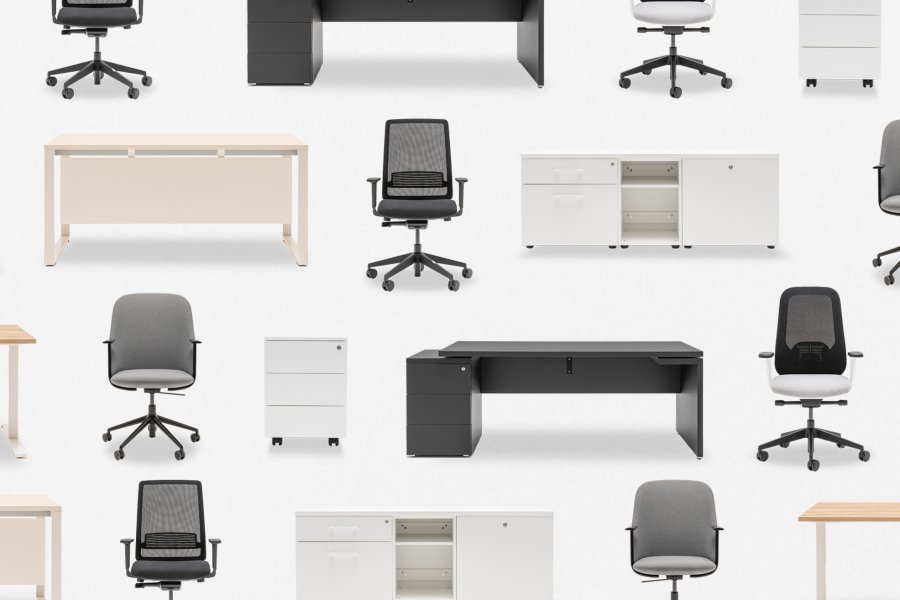
Your office setup can make or break your productivity and comfort. How you arrange your office furniture plays a huge role in creating a space where you feel motivated and focused every day.
Imagine walking into your office and instantly feeling organized, energized, and ready to tackle any task. Sounds great, right? You’ll discover simple and effective ways to arrange your office furniture that can transform your workspace into a powerhouse of efficiency and creativity.
Stick with me, and by the end, you’ll know exactly how to design your office for success.
Choosing The Right Furniture
Choosing the right furniture for your office sets the foundation for a productive and comfortable workspace. It’s not just about filling the room with desks and chairs; it’s about selecting pieces that support your work style and fit the space perfectly. Think about how each item will impact your daily routine and overall office vibe.
Ergonomic Choices
Your body will thank you for investing in ergonomic furniture. Chairs with adjustable height, lumbar support, and breathable materials can reduce discomfort during long hours of work. Desks with adjustable heights allow you to switch between sitting and standing, which can boost your energy and focus.
Have you noticed how a slight change in chair comfort can affect your concentration? Ergonomic options aren’t just a luxury; they are essential for maintaining good health and preventing fatigue. Prioritize furniture that supports natural posture and movement.
Space Efficiency
Office space often comes with limitations, so furniture that maximizes every inch is invaluable. Look for desks with built-in storage or modular units that can be rearranged as needed. Compact filing cabinets and wall-mounted shelves keep clutter off your desk and floor.
Think about how you move around your office. Does the layout allow you to access everything without feeling cramped? Choosing space-saving furniture helps keep your workspace organized and your mind clear.
Aesthetic Appeal
The look of your office furniture influences your mood and creativity. Select pieces that match your brand’s personality or the atmosphere you want to create. Whether you prefer sleek modern designs or warm wooden finishes, the right style can inspire you and impress visitors.
How does your current furniture make you feel when you walk into your office? A visually appealing environment can motivate you to work harder and foster a positive mindset. Don’t underestimate the power of good design in your workspace.
Creating Zones
Creating zones in your office is key to boosting productivity and comfort. It helps separate different activities so each space serves a clear purpose. This approach lets you tailor furniture arrangement to meet varied needs, whether focused work or team discussions.
Work Zones
Your primary work zones should prioritize concentration and efficiency. Arrange desks with enough personal space to avoid distractions. Adding adjustable chairs and desks can make long hours more comfortable.
Think about lighting too—natural light near workstations can improve alertness. If your office has open areas, use screens or plants to create subtle divisions without closing off the space completely. How can you redesign your desk area to help you stay focused throughout the day?
Collaboration Areas
Set aside spots specifically for teamwork and brainstorming. Round tables or modular seating encourage open communication and creativity. Make sure these areas are equipped with whiteboards or pinboards to capture ideas quickly.
Keep these zones slightly apart from workstations to reduce noise interference. You might also want to include some tech tools like video conferencing devices for remote collaboration. What features would make your team meetings more effective?
Relaxation Spaces
Don’t overlook the power of a well-planned relaxation space. Comfortable chairs, soft lighting, and calming colors help employees recharge. Even a small corner with a few cushions or a coffee station can make a difference.
Encourage short breaks to boost overall productivity and reduce stress. You might find your best ideas come when you step away from your desk for a few minutes. How could your office encourage more mindful breaks throughout the day?
Optimizing Layout
Optimizing the layout of your office furniture can transform the way your team works and interacts. The right arrangement boosts productivity, encourages collaboration, and creates a comfortable environment. Think about how each piece of furniture supports your daily tasks and team dynamics before placing it.
Open Plan Options
Open plan layouts remove barriers and encourage communication. Desks arranged in clusters or rows allow easy collaboration and quick sharing of ideas.
However, noise and distractions can become an issue. Adding soft partitions or plants can create subtle boundaries without closing off the space.
Ask yourself: does your team benefit more from constant interaction or focused, quiet work?
Traditional Layouts
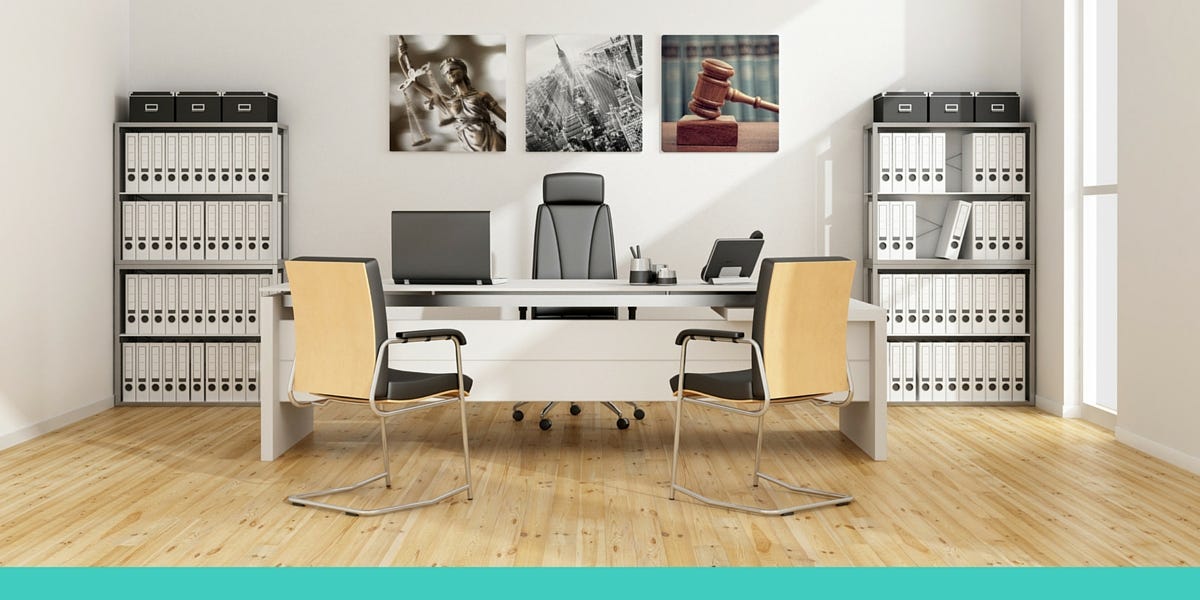
Traditional layouts feature separate offices or cubicles, offering privacy and fewer distractions. This setup works well for tasks requiring deep concentration or confidential discussions.
Arrange desks so natural light reaches most workstations and ensure walkways are clear. Too much isolation, though, might hinder teamwork.
Consider if your team values privacy over spontaneous collaboration before choosing this style.
Hybrid Configurations
Hybrid layouts combine open plan and traditional setups, balancing openness with privacy. Create zones for teamwork alongside quiet spaces for focused work.
Use movable furniture to adjust the layout based on daily needs. This flexibility supports changing tasks and team sizes.
Could your office benefit from a dynamic space that adapts to different work styles and projects?

Credit: mdd.eu
Incorporating Technology
Incorporating technology in office furniture arrangement helps create a productive workspace. It makes daily tasks easier and keeps the office organized. Technology blends with furniture to support modern work needs.
Cable Management
Proper cable management keeps the office neat and safe. Use cable trays, clips, or sleeves to group wires together. Hide cables under desks or behind furniture to avoid clutter. This reduces tripping hazards and makes cleaning easier.
Tech-friendly Furniture
Select furniture designed for technology use. Desks with built-in charging ports and cable holes improve convenience. Adjustable desks support different devices and working styles. Chairs with accessory attachments can hold gadgets or headphones. This furniture supports smooth technology use.
Smart Solutions
Smart office tools increase efficiency and comfort. Use wireless chargers to reduce cable mess. Install smart lighting controlled by apps for better focus. Add voice-activated assistants to manage tasks hands-free. These solutions create a connected and flexible workspace.
Enhancing Lighting
Good lighting makes an office feel open and welcoming. It helps reduce eye strain and keeps energy levels high. Arranging furniture to enhance lighting improves comfort and productivity. Consider how light moves through the space and place desks and chairs accordingly. Use a mix of natural and artificial light sources. Layered lighting creates a balanced environment.
Natural Light Utilization
Place desks near windows to capture daylight. Avoid blocking windows with tall furniture. Use light-colored curtains to soften harsh sunlight. Natural light boosts mood and focus. Reflective surfaces like white walls help spread daylight. Keep window areas clear for maximum brightness.
Artificial Lighting
Use overhead lights to provide general illumination. Choose bulbs with soft white or daylight tones. Avoid harsh, flickering lights that cause discomfort. Position light fixtures to avoid glare on screens. Use dimmers to adjust light levels for different tasks.
Task Lighting
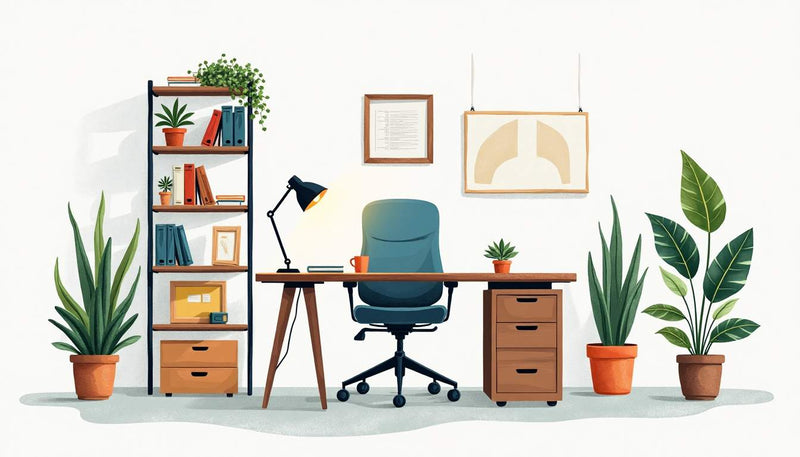
- Desk lamps focus light where needed most.
- Adjustable lamps allow control over brightness and direction.
- LED task lights are energy efficient and long-lasting.
- Use warm light to reduce eye strain during close work.
- Keep task lights separate from ambient lighting to reduce shadows.
Credit: officesupermarket.co.uk
Personalizing The Space
Personalizing the office space creates a welcoming and inspiring environment. It helps employees feel connected and motivated. Thoughtful arrangement of furniture combined with personal touches can make a big difference. A space that reflects the team’s identity boosts comfort and productivity.
Decor And Accessories
Choose decor that matches the office vibe. Simple items like plants, artwork, or rugs add warmth. Use colors that calm or energize, depending on the workspace. Accessories such as lamps or clocks make the area practical and stylish.
Brand Identity
Show the company’s personality through design. Incorporate logos and brand colors in furniture or walls. Display mission statements or values in visible spots. This strengthens team pride and reminds everyone of shared goals.
Employee Input
Ask employees for their ideas about the space. They know what helps them work best. Let them suggest seating arrangements or decoration styles. Involving staff creates ownership and makes the office more user-friendly.
Maintaining Flexibility
Maintaining flexibility in your office furniture arrangement is key to creating a space that grows with your team and adapts to changing needs. A flexible setup lets you respond quickly to new projects, team expansions, or shifts in workflow without costly overhauls. How can you design your office today so it stays functional and fresh tomorrow?
Adaptable Furniture
Choosing furniture that can change with your needs saves time and money. Look for desks with adjustable heights or modular seating that can be moved or reconfigured easily. Items like foldable tables or stackable chairs allow you to open up space for meetings or events without hassle.
Think about your daily tasks and how your team interacts. Would movable partitions help create quiet zones or collaboration areas on demand? Your furniture should support multiple work styles, not limit them.
Scalable Solutions
Scalability means your office setup can grow without a full redesign. Invest in storage units that expand or desks that add extensions to accommodate more people. This way, you won’t need to replace everything just because your team size changes.
Using universal connectors or standardized sizes makes it easier to add or swap components. What parts of your office are likely to need more space or different functions soon? Plan these areas with scalable options to avoid disruption.
Future Proofing
Future proofing your office means preparing for technology upgrades and evolving work habits. Select furniture with built-in cable management or power outlets to keep devices charged and organized. This avoids clutter and makes it simple to integrate new tech without rewiring.
Consider your company’s growth plans and possible changes in work culture, like hybrid models. Can your furniture support remote collaboration or flexible seating arrangements? Designing with future scenarios in mind prevents costly changes later.
Credit: medium.com
Frequently Asked Questions
How To Maximize Space When Arranging Office Furniture?
To maximize space, place desks and chairs close to walls. Use vertical storage like shelves. Keep pathways clear for easy movement. Avoid overcrowding with too many large items. This creates an efficient, spacious, and comfortable office layout.
What Is The Best Layout For Office Furniture?
The best layout depends on office size and work style. Common types include open plan, cubicles, or private offices. Prioritize natural light and easy communication. Arrange furniture to promote productivity and comfort while minimizing distractions.
How To Improve Office Ergonomics With Furniture Arrangement?
Position desks and chairs to support good posture. Ensure monitors are at eye level and chairs provide lumbar support. Leave enough legroom and space for movement. Proper ergonomics reduce strain and increase employee comfort and productivity.
How To Create Collaboration Zones With Office Furniture?
Group desks or tables together to encourage teamwork. Use modular furniture that can be reconfigured easily. Add comfortable seating and whiteboards for brainstorming. Collaboration zones foster communication and creativity among employees.
Conclusion
Arranging office furniture well creates a neat and productive space. It helps people move easily and work better. Choose spots with good light and enough space. Keep desks, chairs, and shelves in simple, clear places. Avoid clutter to make the office feel open and calm.
Small changes can make a big difference in comfort. Remember, a good layout supports focus and teamwork. Try different setups to find what suits your office best. A thoughtful arrangement makes work more enjoyable every day.