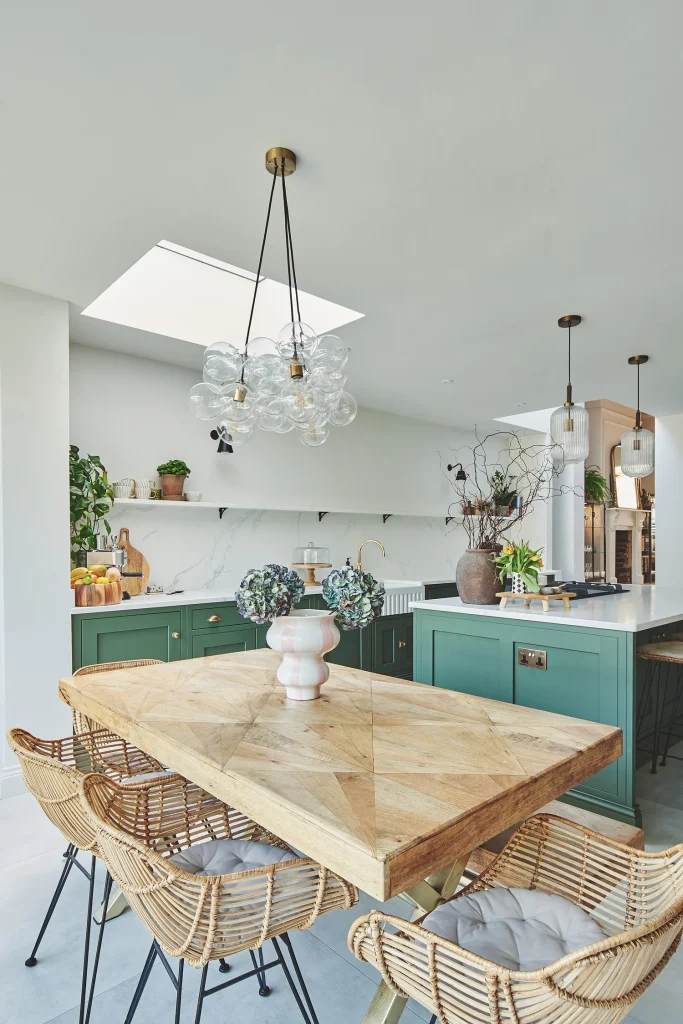
Are you struggling to find the perfect way to arrange your dining room furniture in an open floor plan? You’re not alone.
Open layouts can feel tricky because there’s no clear boundary for your dining space. But don’t worry—getting it right can make your home feel inviting, spacious, and perfectly balanced. You’ll discover simple, practical tips to arrange your dining room furniture so it flows seamlessly with the rest of your living area.
Ready to transform your space and make every meal feel special? Let’s dive in!
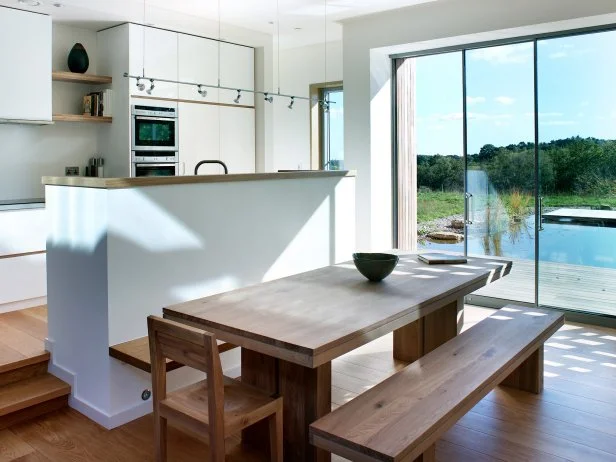
Credit: www.hgtv.com
Assessing Space And Functionality
Assessing space and functionality is vital when arranging dining room furniture in an open floor plan. It helps create a balanced area that feels comfortable and purposeful. Careful evaluation of your room ensures the dining space fits well with the living and kitchen areas.
Focus on how much room you have and how people will move around. The goal is to design a space that is both practical and inviting. This step sets the foundation for a smooth flow between different zones.
Evaluating Room Dimensions
Start by measuring the entire open floor area. Note the length, width, and any architectural features. Consider windows, doors, and built-in elements that affect furniture placement. Accurate dimensions help choose the right size dining table and chairs.
Check the ceiling height and natural light sources. These factors influence the room’s feel and furniture style. Leave enough space around the dining set for easy walking and pulling out chairs.
Defining Purpose And Flow
Decide how you want to use the dining area besides eating. Will it be for family meals, work, or entertaining guests? This defines what furniture and accessories you need.
Plan pathways for smooth movement between the dining, kitchen, and living spaces. Avoid blocking main walkways with bulky furniture. Create a clear flow so people can move freely without bumping into objects.
Keep sightlines open to maintain a connected, airy feel. Thoughtful arrangement enhances both function and comfort in your open floor plan.

Credit: cozyliving.com.au
Choosing The Right Furniture
Choosing the right furniture sets the tone for your dining area, especially in an open floor plan where spaces flow into one another. The furniture you pick needs to balance style and function without overwhelming the room. How can you make sure your dining pieces complement both the open layout and your lifestyle?
Selecting Size And Style
Start by measuring the space carefully. Your dining table should leave enough room to move around freely, ideally at least 36 inches between the table edge and surrounding walls or furniture.
Choose a style that connects visually with the rest of your open space. If your living room has a modern vibe, a sleek, minimalist dining set will feel natural. On the other hand, mixing a rustic table with contemporary chairs can add character without cluttering the look.
Think about shapes, too. Round or oval tables often work better in open layouts because they soften the flow and invite conversation. Rectangular tables can define the dining zone clearly but require more space.
Prioritizing Comfort And Versatility
Comfort is key since dining often involves long meals and conversations. Look for chairs with supportive backs and enough padding. You don’t have to sacrifice style for comfort—many brands offer both.
Versatility helps you adapt the dining area to different needs. Consider extendable tables or stackable chairs that can be rearranged or stored easily. This flexibility is a lifesaver when hosting guests or shifting between casual and formal settings.
Have you thought about multifunctional furniture? Benches can double as seating for kids or extra spots during a party. A sideboard with storage can hide clutter while serving as a display surface, making your open space feel organized and inviting.
Creating Zones Within Open Floor Plan
Creating distinct zones within an open floor plan helps organize space clearly. It defines areas for dining, relaxing, and socializing without walls. Proper zoning makes the room feel spacious yet purposeful. Visual separation aids in smooth movement and enhances comfort. The dining area should complement the living space to maintain flow and style.
Dining Area Placement
Place the dining table close to the kitchen for convenience. Use rugs under the table to visually anchor the space. Position the table near natural light to create a welcoming atmosphere. Avoid placing the dining area in high-traffic zones to reduce disruptions. Leave enough space around chairs for easy movement.
Integrating Living And Dining Areas
Use furniture arrangement to separate living and dining zones subtly. Sofas or open shelving units can act as soft dividers. Match colors and textures in both areas for a unified look. Lighting can highlight each zone differently, enhancing function. Keep pathways clear to maintain openness and ease of flow.
Enhancing Aesthetic Appeal
Enhancing the aesthetic appeal of your dining room within an open floor plan means balancing style and flow. You want your space to feel inviting and cohesive without overwhelming the other areas. Thoughtful choices in color, texture, art, and decor can help create a stunning focal point that naturally draws attention and complements the overall design.
Using Color And Texture
Color sets the mood and defines the dining area without physical barriers. Choose a palette that complements the adjoining spaces but adds a splash of personality—like a bold accent wall or richly colored chairs.
Texture adds depth and interest. Mix materials such as a wooden table with velvet cushions or a woven rug. This contrast makes the space feel layered and dynamic rather than flat.
Have you considered how a simple change in fabric or paint can transform your dining zone? Sometimes, swapping out chair covers or adding a textured runner can make a huge difference.
Incorporating Art And Decor
Art and decor tell your story and make the dining area feel personal. Hang a large piece of artwork that sparks conversation or display a collection of smaller prints that reflect your taste.
Decorative elements like vases, candles, or plants bring life and warmth. A centerpiece that changes with the seasons keeps the space fresh and engaging.
Think about what catches your eye when you walk in. Are there items that could become your dining room’s signature pieces? Placing these thoughtfully can anchor the space beautifully.
Maximizing Lighting And Ambiance
Maximizing lighting and ambiance in an open floor plan dining area can transform your space from ordinary to inviting. Good lighting highlights your furniture arrangement and creates the right mood for meals and gatherings. It also helps define the dining area within a larger open space, making it feel cozy without closing it off.
Utilizing Natural Light
Let natural light flood your dining space by positioning your table near windows or glass doors. This not only brightens the room but also makes your dining area feel more open and airy. Consider light, sheer curtains to soften harsh sunlight while still allowing light to pass through.
Think about the time of day you use the space most. Morning light is different from evening light, so arrange your furniture to take advantage of natural light when you dine or entertain. Reflective surfaces like mirrors or a light-colored rug can bounce sunlight around the room, increasing brightness without adding clutter.
Adding Artificial Lighting Options
Layer your lighting by combining overhead lights, task lights, and accent lights to suit different moods and activities. A dimmable chandelier or pendant light over the dining table creates a focal point and sets the tone for intimate dinners or lively conversations.
Use wall sconces or floor lamps around the dining area to add warmth and depth without overpowering the space. Adjustable lighting options help you control brightness and ambiance easily, especially during evening meals or parties.
- Choose bulbs with warm color temperatures for a cozy feel.
- Install dimmer switches to customize light levels.
- Consider smart lighting systems for convenience and mood control.
Have you experimented with different lighting setups in your open floor plan? Sometimes, small changes like swapping a lampshade or moving a floor lamp can dramatically improve the atmosphere.
Ensuring Easy Movement And Accessibility
Ensuring easy movement and accessibility in an open floor plan dining area is key to creating a welcoming and functional space. You want your guests and family to move freely without bumping into furniture or feeling cramped. Thoughtful arrangement helps maintain flow and comfort, making every meal more enjoyable.
Optimizing Pathways
Clear pathways allow smooth movement between the kitchen, dining table, and living areas. Aim for at least 36 inches of walking space around the dining table to prevent crowding. Narrower spaces can cause frustration, especially during busy gatherings.
Arrange chairs so they don’t block walkways when pulled out. Consider a round or oval table if your space feels tight, as it naturally creates better flow. You might also position furniture to guide people intuitively through the space, like placing a buffet along a wall rather than in the middle.
Considering Accessibility Needs
Think about everyone who will use your dining space. If you have elderly family members or guests with mobility aids, wider walkways and easy-to-move chairs become essential. Avoid rugs or mats that could cause tripping or make wheelchair movement difficult.
Adjust table height and chair design for comfort and ease of use. Sometimes, swapping heavy chairs for lighter ones can make a big difference. Have you noticed how small changes, like adding armrests or cushions, improve accessibility without compromising style?
Maintaining Balance And Harmony
Maintaining balance and harmony in a dining room with an open floor plan is essential to create a space that feels cohesive and inviting. Without walls to separate areas, your furniture arrangement must naturally guide the eye and the flow of movement. Achieving this can make your dining area feel like a distinct yet connected part of your home.
Achieving Visual Balance
Visual balance means arranging furniture so no single part of the room feels heavier or more crowded than another. If your dining table is large, try pairing it with lighter chairs or a simple sideboard to avoid overwhelming the space.
Think about how colors, shapes, and textures interact. A dark dining table can be balanced with lighter walls or rugs. Have you noticed how placing a statement light fixture above the table draws attention upward, helping balance the overall look?
Aligning Proportions And Symmetry
Proportions refer to the size relationship between furniture pieces. In an open floor plan, your dining furniture should be scaled to fit the space without crowding. For example, a round table often works well in smaller open areas because it allows easy movement around it.
Symmetry creates a calming effect, but it doesn’t mean everything must be identical. Matching chairs on either side of the table or pairing two identical lamps on a buffet can bring a sense of order. Ask yourself: does this setup feel stable or off-kilter?
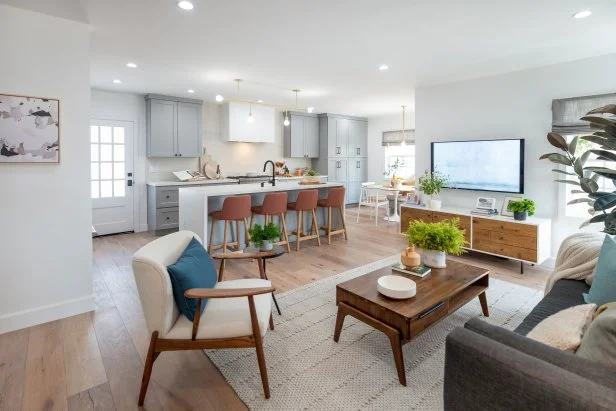
Credit: www.hgtv.com
Incorporating Personal Touches
Adding personal touches to your dining room within an open floor plan transforms a functional space into one that truly feels like home. These touches make your dining area inviting and uniquely yours, reflecting your personality and lifestyle. Think beyond just furniture placement and focus on the details that bring warmth and character to the space.
Reflecting Personal Style
Your dining room should tell your story. Choose colors, textures, and materials that resonate with your taste. Whether you prefer sleek modern lines or cozy rustic vibes, let your style guide the choices.
Consider your favorite art pieces or family heirlooms as focal points. These items add meaning and spark conversation during meals. Have you thought about how your dining chairs or table shape might mirror your style preferences?
Adding Unique Elements
Think about what sets your space apart. Unique lighting fixtures, like a handcrafted chandelier, can become a centerpiece. Mix in unexpected items such as vintage serving trays or colorful cushions to add flair.
- Use plants or fresh flowers to bring life and color.
- Display personal collections, like pottery or glassware, on open shelves.
- Add textured rugs or curtains that complement your furniture arrangement.
What small, meaningful objects could you add that would make your dining area stand out? These elements create layers of interest and make the space feel truly customized to you.
Frequently Asked Questions
How To Choose Dining Furniture For Open Floor Plans?
Select dining furniture that complements adjacent spaces. Opt for compact, versatile pieces to maintain flow and openness. Avoid oversized items that disrupt sightlines. Prioritize materials and colors that blend with your overall decor.
What Is The Best Dining Table Shape For Open Layouts?
Rectangular or oval tables work well in open plans. They define the dining area without overcrowding. Round tables suit smaller spaces and encourage conversation. Choose shapes that fit your room’s dimensions and traffic patterns.
How To Define The Dining Area In An Open Floor Plan?
Use rugs, lighting, or furniture placement to mark dining zones. Pendant lights over the table create focus. Area rugs anchor the space visually. Arrange furniture to separate dining from living areas naturally.
Can Open Floor Plans Accommodate Large Dining Tables?
Yes, but ensure enough space for movement. Large tables suit spacious open plans with clear boundaries. Keep pathways at least 36 inches wide. Balance table size with room size to maintain openness.
Conclusion
Arranging dining room furniture in an open floor plan can feel tricky. Start by choosing a clear spot that fits your table well. Keep enough space around for easy movement. Use rugs or lighting to define the dining area clearly.
Balance the furniture size with the room’s open feel. Simple, thoughtful placement makes the space inviting and functional. Enjoy meals in a dining area that feels open yet cozy. Small changes can make a big difference in how the space works.
Give your open floor plan a fresh, comfortable look today.