
Are you feeling overwhelmed by your cluttered office space? Your office furniture plays a huge role in how productive and comfortable you feel every day.
When everything is scattered or cramped, it’s hard to focus and get things done. But what if you could turn your workspace into an organized, inviting place that inspires creativity and efficiency? You’ll discover simple, practical tips to arrange your office furniture in a way that maximizes space and boosts your mood.
Keep reading to unlock the secret to a workspace that works for you.
Space Assessment
Assessing your office space is the first and most important step before arranging any furniture. Without a clear understanding of your room’s size and layout, you risk creating a cluttered or inefficient environment. Taking time to evaluate your space ensures that every piece of furniture fits perfectly and serves its purpose.
Measuring Dimensions
Start by measuring the length, width, and height of your office area. Use a tape measure and jot down the exact numbers. Don’t forget to measure doorways, windows, and any built-in features like radiators or shelves.
Knowing these dimensions helps you avoid buying oversized desks or chairs that won’t fit. It also lets you plan for walking space and accessibility. Have you ever tried to squeeze a large desk into a small room only to realize it blocked your movement? Precise measurements prevent that frustration.
Identifying Key Areas
Next, determine which parts of your office will serve specific functions. For example, where will your desk go? Is there a spot for meetings or storage? Mark these zones on a sketch or use an app to visualize the layout.
Think about natural light sources and power outlets. Placing your desk near a window can improve mood and productivity, but you also want easy access to plugs for your electronics. Don’t overlook quiet corners for focused work or space for collaboration.
Ask yourself: What activities happen most in this space? Your answers will guide how you prioritize and arrange furniture. This focus makes your office more practical and enjoyable to use every day.
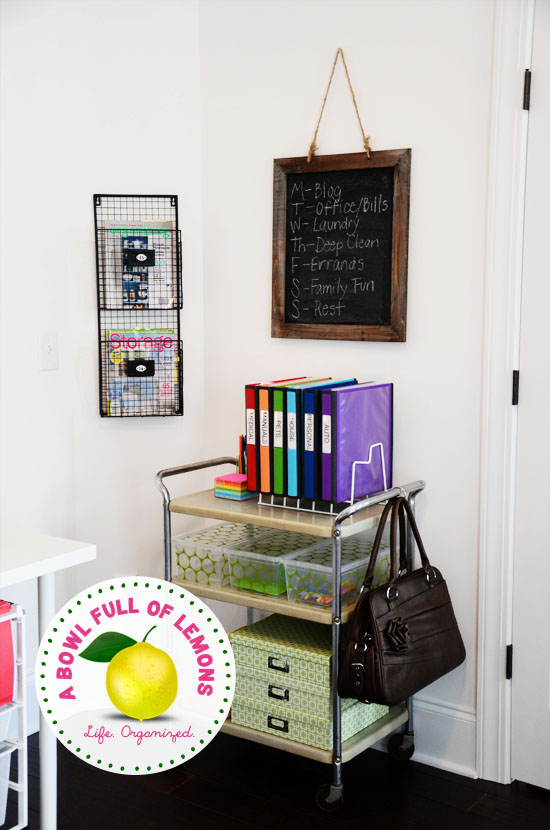
Credit: www.abowlfulloflemons.net
Furniture Selection
Selecting the right office furniture is more than just picking what looks good. It shapes how you work, how comfortable you feel, and even how productive your team can be. Your choices should blend style, comfort, and practicality to create a workspace that supports your daily tasks.
Choosing Functional Pieces
Focus on furniture that serves multiple purposes. Desks with built-in storage or adjustable heights can save space and adapt to different tasks. Think about how each piece fits your workflow—does the chair allow easy movement? Can the shelves hold your files and supplies efficiently?
Imagine a cluttered desk with no drawers versus a sleek workstation with compartments. Which helps you stay focused? Opt for pieces that reduce clutter and make organizing simpler.
Considering Ergonomics
Ergonomics isn’t just a buzzword—it’s essential for your health and comfort. Choose chairs with good lumbar support and desks at the right height to prevent strain. Poor furniture choices can lead to back pain and fatigue, affecting your work quality.
Have you noticed how a well-designed chair changes your posture? Small adjustments can make long hours less tiring. Prioritize ergonomic features to keep energy and focus high throughout your workday.
Layout Planning
Planning the layout of your office furniture is crucial for a productive workspace. A well-thought-out layout helps people move easily and work efficiently. It also creates a comfortable environment that supports different tasks and team interactions.
Creating Flow Paths
Flow paths are clear routes that people use to move around the office. Design paths wide enough for easy walking. Avoid placing furniture in ways that block these routes. Keep main walkways free from clutter.
Good flow paths reduce distractions and improve safety. They help staff reach desks, meeting rooms, and exits quickly. Think about how people enter and exit the office. Plan paths that connect all key areas smoothly.
Zoning For Different Activities
Zoning means dividing the office into areas based on tasks. Create zones for focused work, meetings, and relaxation. Use furniture to mark these zones clearly.
For example, group desks together for team work zones. Set up quiet spaces with comfortable chairs for individual tasks. Meeting zones should have tables and chairs suitable for discussions.
Zoning supports productivity by matching the environment to the task. It helps workers shift easily between different types of work throughout the day.
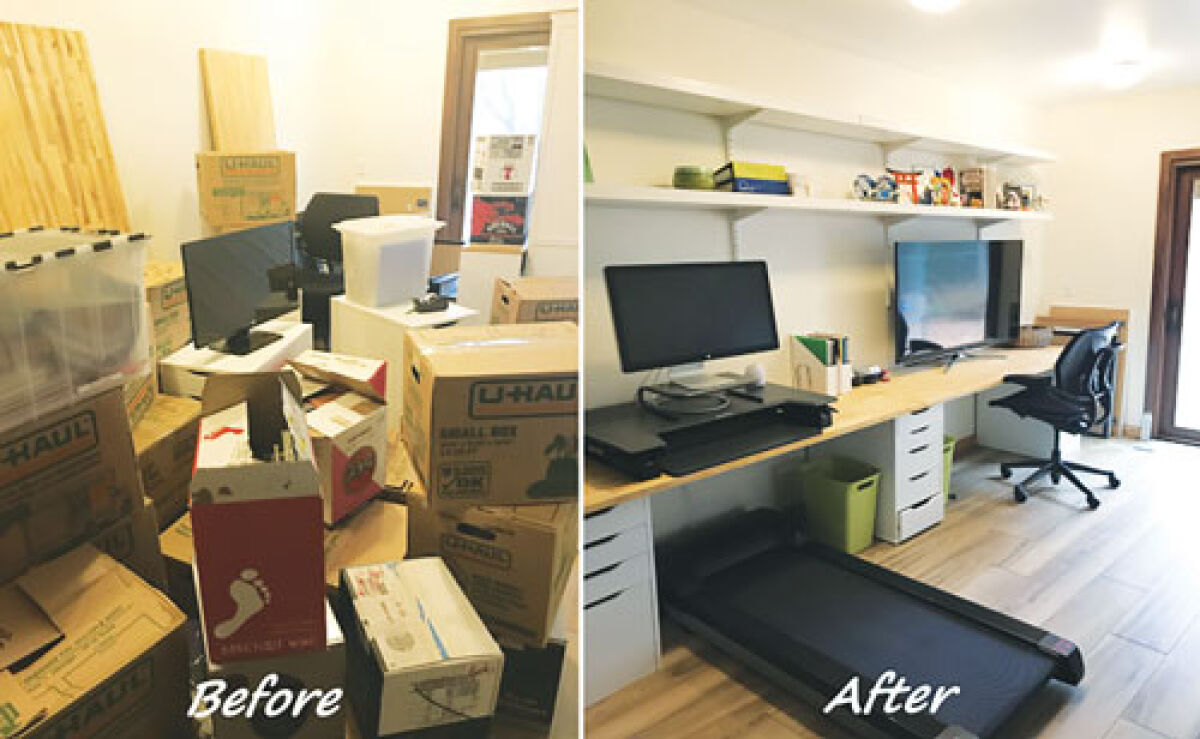
Credit: www.candgnews.com
Storage Solutions
Storage solutions play a vital role in organizing office furniture efficiently. They help keep the workspace tidy and maximize the available area. Smart storage choices reduce clutter and improve productivity.
Utilizing Vertical Space
Vertical space is often overlooked but offers great storage potential. Installing tall shelves or cabinets uses wall height effectively. This approach frees up floor space for other furniture or movement.
Wall-mounted organizers keep items within reach without crowding desks. Pegboards and hooks can store tools, supplies, or bags neatly. Using vertical space maintains a clean look and easy access.
Incorporating Modular Units
Modular storage units adapt to changing needs and spaces. They come in various sizes and can be stacked or rearranged. This flexibility allows customization of the office layout.
Modular units often include drawers, shelves, and compartments. They offer organized storage for documents, electronics, and office supplies. Choosing modular options supports a neat and efficient workspace.
Lighting And Ambiance
Lighting and ambiance play a crucial role in organizing your office furniture effectively. The right lighting can enhance productivity, reduce eye strain, and create a welcoming atmosphere. Think about how you want your workspace to feel and function before arranging your furniture around your light sources.
Maximizing Natural Light
Natural light boosts mood and energy, making it a valuable asset in any office. Position desks and workstations near windows to take full advantage of daylight. Avoid blocking windows with bulky furniture, as this can limit the amount of light entering the room.
Use sheer curtains or blinds to control glare without sacrificing brightness. Reflective surfaces like light-colored walls and glass desks can help bounce natural light deeper into the space. Have you noticed how a well-lit room instantly feels more open and inviting?
Selecting Appropriate Lighting Fixtures
Choosing the right lighting fixtures ensures your office stays bright and comfortable throughout the day. Combine overhead lights with task lighting, such as desk lamps, to provide focused illumination where you need it most. Adjustable fixtures let you control light intensity and direction, adapting to different tasks.
Consider LED bulbs for energy efficiency and longevity. Pay attention to color temperature: cooler white lights enhance alertness, while warmer tones create a relaxed vibe. How can your lighting choices support both your work efficiency and your comfort?
Personalization And Comfort
Personalization and comfort play a crucial role in how you organize your office furniture. Your workspace should feel inviting and reflect your style while supporting your daily tasks. When you blend personal touches with ergonomic choices, you create an environment that boosts both productivity and well-being.
Adding Personal Touches
Adding personal touches transforms a generic office into a space you enjoy spending time in. Simple items like a favorite photo frame, a small plant, or artwork can make your desk feel more like your own. These elements can also spark creativity and reduce stress during busy days.
Think about what inspires you or brings calmness. Maybe it’s a colorful mousepad or a unique lamp that brightens your mood. The key is to balance personality without cluttering your space.
Ensuring Comfort And Accessibility
Comfort should never be an afterthought. Choose chairs and desks that support good posture to avoid discomfort and fatigue. Adjustable furniture can adapt to your needs throughout the day, especially if you shift between sitting and standing.
Accessibility means having everything you need within easy reach. Arrange your keyboard, mouse, and essential supplies so you don’t waste time or strain yourself searching for them. How often do you pause because something is just out of reach? Fixing this can make a big difference in your workflow.
Maintenance And Upkeep
Maintaining and taking care of office furniture keeps the workspace neat and inviting. Clean and well-kept furniture lasts longer and creates a better environment. Regular attention prevents damage and keeps furniture functional.
Regular Cleaning Routines
Dust and dirt can build up quickly on desks and chairs. Wipe surfaces with a soft cloth daily to remove dust. Use mild cleaners for stubborn stains without harming materials. Clean fabric chairs with a vacuum or upholstery cleaner. Keep floors around furniture clean to avoid scratches and marks.
Monitoring Wear And Tear
Check furniture regularly for signs of damage or wear. Look for loose screws, wobbly legs, or torn fabric. Fix small issues early to avoid bigger repairs later. Replace broken parts promptly to maintain safety and comfort. Keep a maintenance log to track repairs and replacements.

Credit: www.solidrockrealtors.com
Frequently Asked Questions
How Do I Plan Office Furniture Layout Efficiently?
Start by measuring your office space accurately. Consider workflow, lighting, and accessibility. Use software or sketches to arrange desks, chairs, and storage logically. Prioritize open spaces to avoid clutter and ensure easy movement. This approach boosts productivity and comfort.
What Furniture Is Essential For A Functional Office?
Essential office furniture includes ergonomic desks and chairs, storage cabinets, and meeting tables. Choose pieces that support your work style and space size. Prioritize comfort and functionality to enhance employee well-being and efficiency.
How Can I Maximize Small Office Space With Furniture?
Use multi-functional furniture like desks with storage or foldable tables. Opt for vertical storage solutions to save floor space. Arrange furniture to create open pathways. Keeping the layout minimal reduces clutter and makes the office appear larger.
What Are Tips To Maintain Organized Office Furniture?
Regularly declutter and clean surfaces. Label storage units and assign specific places for items. Use cable management tools to avoid tangles. Periodic reviews of furniture placement help maintain order and adapt to changing needs.
Conclusion
Organizing office furniture helps create a neat and productive space. Clear paths and proper lighting improve comfort and focus. Choosing the right layout saves time and reduces stress. Small changes can make a big difference in your workday. Keep your space tidy by arranging desks and chairs wisely.
A well-organized office boosts teamwork and creativity. Try these simple tips to enjoy a better workspace every day.