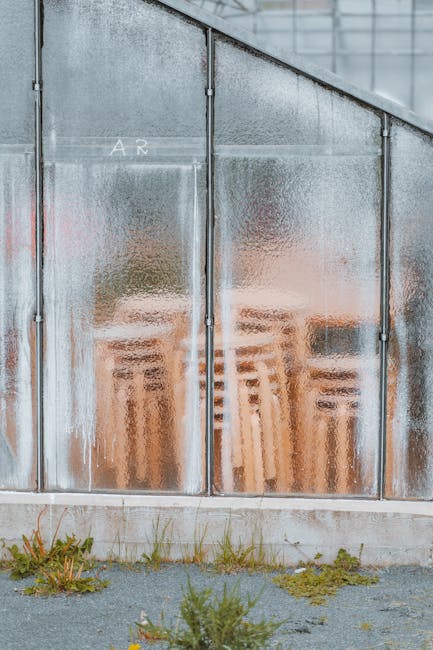
Have you ever wondered what happens to your wood furniture when it’s kept in cold storage? If you’re planning to store your favorite wooden pieces or just curious about how cold temperatures might affect them, this article is for you.
Understanding how wood reacts to cold can save you from costly damage and help your furniture stay beautiful for years. Keep reading to discover the surprising effects cold storage can have on wood furniture and learn how to protect your valuable items.
Impact Of Cold Storage On Wood Furniture
Storing wood furniture in cold environments can have surprising effects that you might not expect. The cold doesn’t just make the furniture chilly; it influences the wood’s structure and overall condition. Understanding these impacts helps you protect your valuable pieces during storage.
Temperature Effects
Cold temperatures cause wood to contract and become more brittle. This shrinkage can lead to tiny cracks or even splits, especially in older or already dry furniture. I once stored a wooden chair in an unheated garage during winter, and when I retrieved it, small cracks appeared along the legs.
Sudden temperature changes worsen this effect. If your storage space fluctuates between freezing and warmer temperatures, the wood expands and contracts repeatedly. This cycle stresses the wood fibers, increasing the risk of damage.
Humidity Concerns
Cold storage often means low humidity, which dries out wood faster. Dry wood loses its natural oils, becoming fragile and prone to cracking. On the other hand, if the storage space is damp, excess moisture can cause wood to swell or develop mold.
Maintaining balanced humidity is crucial. Using a humidifier or moisture absorbers can help keep the environment stable. Have you checked your storage area’s humidity levels before placing your furniture there?

Credit: www.instagram.com
Types Of Wood And Their Susceptibility
Understanding the types of wood and their susceptibility to cold storage is crucial if you want to protect your wooden furniture. Different woods react differently to cold and moisture. Knowing these differences helps you take better care of your pieces and avoid costly damage.
Hardwood Vs Softwood
Hardwoods like oak, maple, and walnut come from deciduous trees. They tend to be denser and more durable, which often makes them more resistant to cold-related damage.
Softwoods such as pine, cedar, and fir come from coniferous trees. These woods are lighter and more porous, making them more vulnerable to cracking or warping in cold, dry conditions.
Think about the furniture you have. Is it mostly hardwood or softwood? This simple question can guide how you prepare each piece for cold storage.
Finish And Treatment
The finish on your wood furniture acts like a shield. A high-quality varnish, lacquer, or oil finish can protect wood from moisture loss and temperature shifts.
Untreated or poorly finished wood absorbs moisture and dries out quickly in cold storage. This leads to shrinkage and splits.
Have you noticed how some antique furniture remains intact despite age and storage conditions? Often, it’s because of the finish and treatments applied to the wood.
Common Issues In Cold Storage
Storing wood furniture in cold environments can lead to several challenges that might damage its structure and appearance. Cold storage isn’t just about low temperatures; it often involves fluctuating humidity levels that affect wood differently than other materials. Understanding the common issues helps you protect your valuable pieces and avoid costly repairs.
Cracking And Splitting
Wood is a natural material that reacts to changes in moisture. In cold storage, the air tends to be drier, which causes the wood to lose moisture and shrink. This shrinkage can create cracks or splits on the surface or deeper inside the wood.
Have you ever noticed tiny cracks forming on your wooden table during winter? That’s exactly how cold, dry air impacts wood. These cracks not only spoil the look but can also weaken the furniture over time.
Warping And Distortion
Wood can warp or bend when exposed to uneven moisture levels or temperature changes. Cold storage environments often cause parts of the furniture to dry out faster than others, leading to distortion. This warping can make drawers stick or doors not close properly.
Think about a wooden chair stored in a chilly basement; it might develop a slight curve or twist. This happens because wood fibers expand and contract at different rates, especially when exposed to cold and dry air.
Preventive Measures
Protecting wood furniture during cold storage requires careful planning. Wood is sensitive to temperature and moisture changes. These changes can cause cracking, warping, or mold growth. Taking preventive measures can keep furniture safe and in good shape. Two key steps help maintain wood quality in cold conditions.
Proper Insulation
Insulation helps keep the temperature stable around the furniture. Use insulated covers or blankets made for wood protection. These materials reduce temperature swings and block cold air. Wrap furniture completely to avoid exposure to cold drafts. Avoid plastic covers, as they trap moisture and cause damage. Choose breathable fabrics that protect and allow air flow.
Controlled Environment
Maintaining a controlled environment is vital in cold storage. Use heaters or humidifiers to balance temperature and humidity. Keep humidity levels between 40% and 60% to prevent drying or swelling. Monitor conditions regularly with a hygrometer and thermometer. Avoid placing furniture near vents or cold walls. Create a stable space to reduce stress on wood fibers.
Tips For Maintaining Wood Furniture
Maintaining wood furniture, especially after exposure to cold storage, requires attention and care. Wood can react to temperature and humidity changes, making it essential to check and protect your pieces regularly. With the right approach, you can keep your furniture looking great and extend its life.
Regular Inspection
Check your wood furniture often, especially if it’s been in cold storage. Look for signs like cracks, warping, or fading. Early detection helps you fix small issues before they become costly repairs.
Pay close attention to joints and corners where wood can shrink or swell. You might notice slight gaps or loosened screws. Tighten hardware and apply wood glue if needed to keep everything sturdy.
Ask yourself: Does the finish look dull or patchy? If yes, it might be time for a light sanding and reapplication of polish or wax. Keeping the surface sealed protects wood from moisture and temperature swings.
Protective Coverings
Using protective coverings is a smart way to shield wood furniture from cold air and moisture. Cover your pieces with breathable cloths rather than plastic, which can trap condensation and cause damage.
Consider padded furniture covers during storage to prevent scratches and dents. You can also use silica gel packs nearby to reduce humidity levels.
Think about your storage environment. Is it dry and well-ventilated? If not, adding a dehumidifier or placing furniture away from direct cold drafts can make a big difference.
These small steps help maintain wood’s natural beauty and strength, even after time in challenging conditions.

Credit: www.amazon.com
Benefits Of Cold Storage
Cold storage offers several important benefits for wood furniture, especially if you want to keep your pieces in top shape over time. It helps control environmental factors that can cause damage, allowing your furniture to maintain its appearance and functionality. Let’s look at how cold storage can protect and extend the life of your wooden items.
Preservation Of Quality
Cold storage slows down the natural aging process of wood. By keeping the temperature low and stable, it reduces the risk of warping, cracking, and drying out. Moisture levels are easier to control too, preventing mold growth and wood decay.
Imagine storing a delicate antique chair in a climate where temperature swings cause it to expand and contract. Over time, this damages the joints and finish. Cold storage minimizes these fluctuations, preserving the furniture’s original quality.
Longevity Of Use
When wood furniture is stored in cold conditions, it generally lasts much longer. The slowed aging and controlled moisture prevent common issues that lead to early wear and tear. This means you can enjoy your pieces for years without costly repairs.
Have you ever noticed how some wooden items in your home seem to degrade faster than others? Cold storage can make a real difference by extending the life cycle of your furniture, especially valuable or heirloom pieces.

Credit: aromacountry.com
Frequently Asked Questions
Does Cold Storage Damage Wood Furniture?
Cold storage can cause wood to contract and crack due to low temperatures. Moisture changes may also lead to warping. Proper sealing and insulation help protect wood furniture in cold storage environments.
How To Protect Wood Furniture In Cold Storage?
To protect wood furniture, wrap it in breathable covers and use moisture absorbers. Maintain stable temperatures and avoid direct contact with cold surfaces. Proper preparation minimizes damage during cold storage.
Can Moisture In Cold Storage Affect Wood Furniture?
Yes, moisture can cause wood to swell, warp, or develop mold. Cold storage often increases condensation risks. Controlling humidity levels is essential to preserve wood furniture quality.
Is Cold Storage Better Than Regular Storage For Wood Furniture?
Cold storage may slow decay but risks temperature and moisture damage. Regular storage with controlled humidity and temperature is often safer for wood furniture preservation.
Conclusion
Wood furniture can suffer damage in cold storage if not protected well. Cold and moisture cause wood to crack or warp over time. Proper wrapping and using moisture absorbers help keep furniture safe. Always check the storage area’s temperature and humidity before storing wood pieces.
Taking simple steps prevents costly repairs later. Protect your wooden furniture to keep it strong and beautiful. Safe storage means longer life for your favorite items.